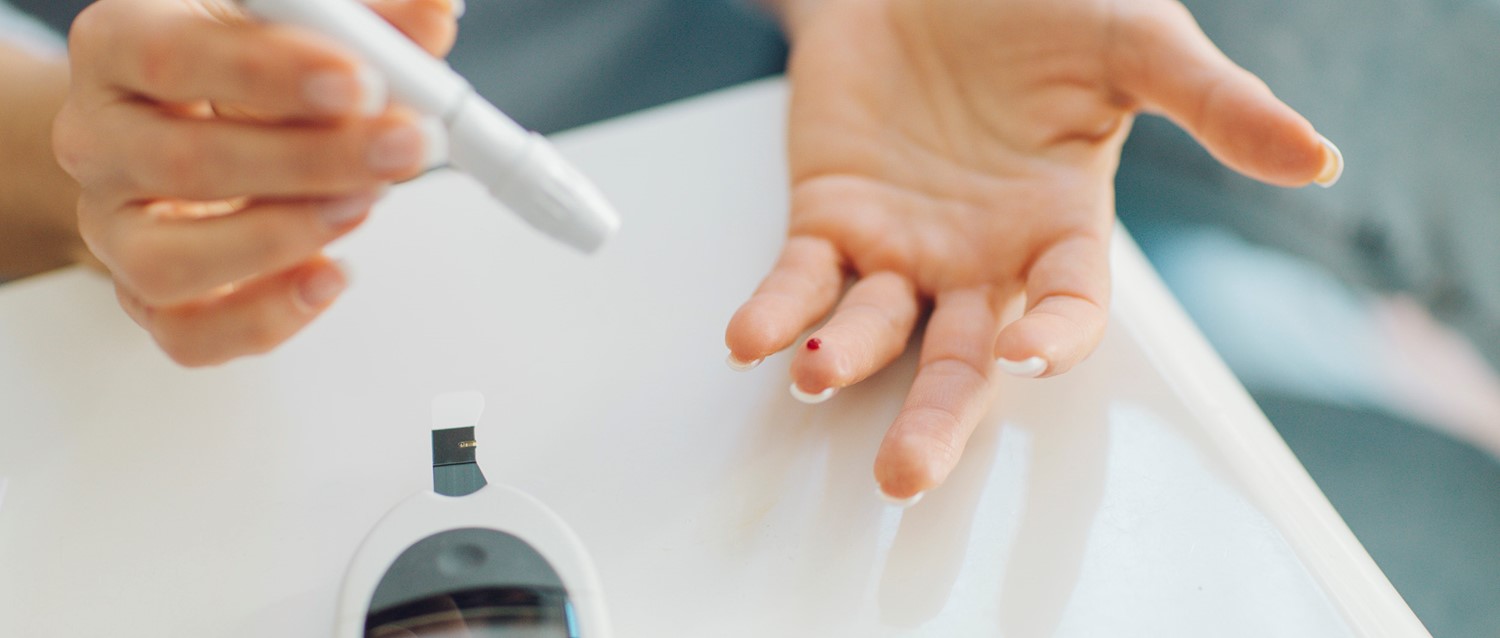
Diabetes
Revisado por Dr Rosalyn Adleman, MRCGPÚltima atualização por Dr Doug McKechnie, MRCGPÚltima atualização 4 Mar 2025
Atende aos diretrizes editoriais
- BaixarBaixar
- Compartilhar
- Language
- Discussão
- Ask Patient
- Versão em Áudio
- Adicionar às fontes preferidas no Google
Nesta série:Diabetes e pressão altaÚlceras do pé diabéticoDoença renal diabéticaNeuropatia diabéticaAmiotrofia diabéticaTeste de glicose no sangue (açúcar no sangue) e HbA1c
Existem dois tipos principais de diabetes - diabetes tipo 1 e diabetes tipo 2. O tipo 1 geralmente se desenvolve inicialmente em crianças ou jovens adultos. O tipo 2 geralmente se desenvolve em pessoas com mais de 40 anos e está frequentemente (embora nem sempre) associado ao excesso de peso. No entanto, o diabetes tipo 2 está sendo cada vez mais diagnosticado em crianças e jovens adultos.
Em resumo
Diabetes is a condition where blood sugar levels are higher than normal.
There are two main types: type 1 and type 2 diabetes.
Type 1 diabetes is an autoimmune condition, usually developing in childhood.
Type 2 diabetes is more common in overweight or obese people, developing gradually.
Common symptoms can include being very thirsty, passing a lot of urine, and tiredness.
Treatment aims to keep blood glucose levels near normal and reduce complication risks.
Regular monitoring, healthy lifestyle, and sometimes medication help manage diabetes.
Inscreva-se no nosso curso gratuito de 10 semanas sobre Diabetes!
A cada semana, exploraremos um tópico diferente para ajudá-lo a entender e gerenciar melhor o seu diabetes, incluindo o dia a dia e medicamentos, bem-estar mental, as últimas novidades em tecnologia para diabetes e nutrição.
Ao se inscrever, você aceita nossos Política de Privacidade. Você pode cancelar a inscrição a qualquer momento. Nunca vendemos seus dados.
Both types of diabetes can cause serious complications. With regular monitoring and good control of the raised blood sugars these can be significantly reduced. In addition to the treatment from healthcare professionals, it is very important for people with diabetes to understand their condition and be able to manage their diabetes.
Types of diabetes
Diabetes mellitus (chamado apenas de diabetes a partir de agora) ocorre quando o nível de açúcar (glicose) no sangue está mais alto que o normal. Existem dois tipos principais de diabetes - diabetes tipo 1 e diabetes tipo 2. See the separate leaflet called What's the difference between type 1 and type 2 diabetes?
Este folheto refere-se ao diabetes mellitus (agora geralmente conhecido apenas como diabetes); há uma condição separada chamada diabetes insipidus que é sempre chamado pelo seu nome completo.
Diabetes tipo 1
Cerca de 10% das pessoas com diabetes têm diabetes tipo 1. A diabetes tipo 1 é uma condição autoimune. É confiar causado pela dieta ou estilo de vida de alguém. Geralmente se desenvolve rapidamente, em dias ou semanas, à medida que o pâncreas para de produzir insulina. Normalmente (mas nem sempre) se desenvolve na infância. See the separate leaflet called Type 1 diabetes.
Diabetes tipo 2
Around 90% of people with diabetes have type 2 diabetes. Type 2 diabetes is more common in people who are overweight or obese. It tends to develop gradually (over months or years) because the changes in the body develop quite slowly. Type 2 diabetes can be caused by the pancreas not producing enough insulin, or the body not responding properly to the insulin that is produced - and often both.
O diabetes tipo 2 geralmente começa em adultos de meia-idade ou mais velhos, mas está sendo cada vez mais observado em crianças e jovens adultos. See the separate leaflet called Type 2 diabetes.
Diabetes gestacional
Além do diabetes tipo 1 e tipo 2, existem outros tipos de diabetes. Mulheres grávidas que nunca tiveram diabetes antes, mas que apresentam níveis elevados de glicose no sangue durante a gravidez, têm diabetes gestacional. O diabetes gestacional geralmente desaparece após o parto, mas mulheres que tiveram diabetes gestacional têm mais chances de desenvolver diabetes tipo 2 no futuro. O diabetes gestacional afeta cerca de 4% de todas as mulheres grávidas. See the separate leaflet called Diabetes and pregnancy.
Other types of diabetes
There are also a number of rarer forms of diabetes, including:
Secondary diabetes: o diabetes pode ser causado por outras doenças. Exemplos incluem doenças que afetam o pâncreas, como fibrose cística e pancreatite crônica. O diabetes também pode ser causado por outras doenças hormonais (endócrinas), como Síndrome de Cushing e acromegalia.
Latent autoimmune diabetes of adults (LADA): a slow-onset form of type 1 diabetes that occurs in adults, often with a slower onset than the usual type 1 diabetes that starts in childhood. LADA is sometimes called 'type 1.5 diabetes', because it has similarities to both type 1 and type 2 diabetes and is sometimes thought of as an 'in-between' condition.
Maturity-onset diabetes of the young (MODY): this includes several forms of diabetes which are caused by genetic defects of the cells in the pancreas that make insulin.
Wolfram's syndrome: outra causa genética de diabetes. Também é chamado de DIDMOAD (porque causa diabetes insipidus, diabetes mellitus, optic atrophy and deafness).
Other genetic diseases that can cause diabetes: estes incluem ataxia de Friedreich e hemocromatose.
What causes diabetes?
Diabetes is a condition where there is not enough insulin being produced by the pancreas. Insulin is a hormone that the body needs in order to move glucose into cells to be used for energy. Insulin also helps the liver to store blood sugar to be used later. So, if insulin levels are too low, blood sugar (glucose) levels increase.
Type 1 diabetes and type 2 diabetes have different causes.
Causes of type 1 diabetes
Type 1 diabetes is thought to be an auto-immune condition where the body's immune system attacks and destroys the cells in the pancreas which produce insulin. There is a genetic component to type 1 diabetes (it is more common in children who have a relative with type 1 diabetes) but there is probably an environmental factor too - in some people, an event probably "triggers" the start of the diabetes. For example there was a significant increase in diagnoses of type 1 diabetes after COVID infections, even where the child had very few symptoms from COVID.
Diabetes tipo 1 é confiar caused by any type of diet or lifestyle. We don't yet know of any way to prevent type 1 diabetes from developing.
Causes of type 2 diabetes
Type 2 diabetes can be caused by insulin not working properly (insulin resistance), or by the pancreas not producing enough insulin. Often, insulin resistance develops first, so the pancreas has to produce more and more insulin, and eventually struggles to be able to produce enough insulin for the body's needs.
Type 2 diabetes has a number of possible causes, including:
Estar acima do peso ou ter obesidade. Esta é a causa mais comum de diabetes tipo 2.
Having excess fat stored internally around the liver and pancreas is also linked to developing type 2 diabetes, and can happen in people who are a healthy weight.
Genetics. Having a family history of type 2 diabetes increases the risk of developing it.
Diet. Type 2 diabetes is not directly caused by eating certain foods, but a diet with lots of high-calorie foods can lead to overweight and obesity, which can then lead to type 2 diabetes. A diet that is high in the following foods increases the risk of developing type 2 diabetes:
High-sugar food and drinks, especially drinks containing added sugar, such as fizzy drinks or soda.
Red meat and processed meat.
Refined carbohydrates, such as white rice and white bread.
Alimentos ultraprocessados.
Not getting enough physical activity. This makes it harder for the body to manage blood sugar levels.
Ethnicity. People from certain ethnic backgrounds are more likely to get type 2 diabetes, including people from South Asian, Black Caribbean, and Black African backgrounds.
Lifestyle changes can prevent or delay the onset of type 2 diabetes.
What are the symptoms of diabetes?
The first symptoms of diabetes may include:
Being very thirsty a lot of the time.
Passing a lot of urine. (This is because blood sugar (glucose) leaks into the urine which then pulls out extra water through the kidneys.)
Tiredness, weight loss and feeling generally unwell.
In people with type 1 diabetes, the symptoms tend to develop quickly, over a few days or weeks. Untreated type 1 diabetes causes people to become very unwell. Some people, especially children, with type 1 diabetes develop the disease too quickly to spot some of these symptoms.
Once diabetes treatment is started, symptoms of diabetes should go away. However, the symptoms may come back if blood glucose levels become high again.
Sintomas do diabetes tipo 2
Type 2 diabetes develops much more slowly than type 1 diabetes. Symptoms may not start until someone has had type 2 diabetes for a number of years. Many people with type 2 diabetes do not have any symptoms at all. This means that people with type 2 diabetes may already have complications of diabetes (see below) when diabetes is first diagnosed. Even though the symptoms of type 2 diabetes are often less severe, the condition is still very important to manage well.
How is diabetes diagnosed?
There are several ways of diagnosing diabetes. These include:
A blood test to look at the level of glucose in the blood.
Um exame de sangue diferente para hemoglobina glicada (hemoglobina A1c, ou HbA1c). O HbA1c mede o nível médio de açúcar no sangue nos últimos 3 meses.
This is very commonly used to diagnose and monitor type 2 diabetes.
It is not suitable for the diagnosis of type 1 diabetes, but is used to monitor the control of type 1 diabetes.
An oral glucose tolerance test (OGTT), where blood glucose levels are measured before and after taking a sugary drink.
This is the main test for gestational diabetes.
Read more in the separate leaflet called Tests for blood sugar (glucose) and HbA1c.
How is diabetes treated?
Healthy lifestyle and diet
People with diabetes should follow a healthy lifestyle with a healthy diet, maintaining an ideal body weight, taking regular exercise and not smoking.
People with type 2 diabetes can sometimes be managed by lifestyle changes alone. By losing weight and following a low-carbohydrate diet (or, with close medical supervision, a very low-calorie diet), many people can bring their blood sugar back to normal without medication.
Insulin treatment
People with type 1 diabetes always need treatment with insulin, and cannot live without it. Insulin is life-saving for people with type 1 diabetes.
A insulina é às vezes usada por pessoas com diabetes tipo 2, mas geralmente apenas se outros medicamentos não tiverem funcionado. See the separate leaflet called Insulins.
Medicines for type 2 diabetes
Muitas pessoas com diabetes tipo 2 tomam um ou mais medicamentos se um estilo de vida saudável não for suficiente para controlar os níveis de açúcar (glicose) no sangue.
Estes incluem comprimidos e injeções. See the separate leaflet called Type 2 diabetes treatment para mais detalhes.
Monitoring blood pressure and cholesterol levels
Tratar o diabetes não é apenas sobre controlar os níveis de glicose no sangue (embora isso seja importante). Também é essencial reduzir o risco das complicações do diabetes (veja abaixo). Portanto, é importante manter a pressão arterial e os níveis de colesterol dentro da faixa normal. Read more in the separate leaflet called Diabetes and high blood pressure.
The treatment for diabetes includes regular monitoring to diagnose and treat complications at an early stage.
Quando pessoas com diabetes estão doentes por qualquer motivo, mesmo que seja apenas uma simples infecção viral, o controle da glicose no sangue pode ser afetado. Portanto, é muito importante saber o que fazer durante uma doença. Leia sobre advice for people with diabetes when unwell, in the separate leaflet called Diabetes and Illness.
Aims of diabetes treatment
Diabetes cannot usually be cured but it can be treated successfully. If a high blood glucose level is brought down to a normal or near-normal level, symptoms will ease. For many people, type 2 diabetes can be reversed (and may be considered "cured") with weight loss and exercise but will come back if weight is gained.
Complicações do diabetes são um risco mesmo sem quaisquer sintomas de diabetes. Estudos mostraram que pessoas que têm melhor controle da glicose têm menos complicações (como doença cardíaca ou problemas oculares) em comparação com aquelas pessoas que têm um controle mais fraco do nível de glicose.
Therefore, the main aims of treatment are:
To keep blood glucose level as near normal as possible.
Reduzir quaisquer outros fatores de risco que possam aumentar o risco de desenvolver complicações. Em particular, para parar de fumar, perder peso ou reduzir sua pressão arterial, se necessário, e manter os lipídios sanguíneos (colesterol e triglicerídeos) baixos.
To detect any complications as early as possible. Treatment can prevent or delay some complications from becoming worse.
Healthy diet and other lifestyle advice
É importante comer um dieta saudável. This diet is the same as that recommended for everyone. It is not the case that particular special foods are needed for people with diabetes. 'Diabetic foods' still raise blood glucose levels, may contain just as much fat and calories and are usually more expensive than non-diabetic foods.
Other diet and lifestyle advice includes:
Eating a diet low in fat, salt and sugar and high in fibre, with plenty of fruit and vegetables.
Saber como equilibrar a quantidade certa de insulina com a quantidade de comida que você ingere. Consulte o folheto separado chamado Dieta para Diabetes Tipo 2.
Stopping smoking. If necessary, nicotine replacement therapy (nicotine gum, etc) may help to stop smoking.
Regular atividade física. This also reduces the risk of some complications such as heart and blood vessel disease. A minimum of 30 minutes' brisk walking at least five times a week is advised for those who are able.
Taking part in vigorous exercises- for example, swimming, cycling, jogging, dancing.
Dependendo da idade, pode ser aconselhável tomar um medicamento para lower the cholesterol level. Isso ajudará a reduzir o risco de desenvolver algumas complicações, como doença cardíaca e derrame.
It is best to try to lose weight if overweight or obese. Excess weight is also a risk factor for heart and blood vessel disease. Getting to a perfect weight may be difficult but losing some weight will always help.
Não é necessário abandonar completamente o álcool, a menos que se deseje. Quer as pessoas tenham diabetes ou não, as diretrizes de saúde no Reino Unido geralmente recomendam um limite de 14 unidades por semana para homens e mulheres (as diretrizes governamentais foram recentemente revisadas para homens). Veja o folheto separado chamado Álcool e Consumo Responsável. No entanto, beber álcool quando você tem diabetes pode fazer an episode of hypoglycaemia (a 'hypo') mais provável.
Imunização
Pessoas com diabetes devem ser immunised against flu (cada outono), COVID (sempre que for oferecido) e immunised against infection from pneumococcal germs (bactérias). Essas infecções podem ser particularmente perigosas para pessoas com diabetes.
Monitoring blood glucose levels
Anyone with diabetes who needs treatment with insulin should monitor their blood glucose levels. This is usually not necessary for people with type 2 diabetes who do not need insulin.
It is important to have regular checks as some complications, particularly if detected early, can be treated or prevented from becoming worse.
Doctors, nurses, dieticians, specialists in foot care (podiatrists), specialists in eye health (optometrists) and other healthcare workers all play a role in giving advice and checking on progress. As well as ongoing advice on diet and lifestyle, regular checks may include:
Checking levels of blood glucose, HbA1c, cholesterol and blood pressure
It is important to keep blood glucose, cholesterol and blood pressure levels as normal as possible. The HbA1c blood test helps to check blood glucose control. Ideally, the aim is to keep HbA1c less than 48 mmol/mol. However, this may not always be possible to achieve and the target level of HbA1c should be agreed with your doctor. For people with type 2 diabetes the aim is often to keep the HbA1c to less than 59 mmol/mol.
Checking for early signs of complications
Exames oculares - para detectar problemas na parte posterior do olho, a retina (uma possível complicação do diabetes) que muitas vezes pode ser evitada de piorar. Aumento da pressão no olho (glaucoma) também é mais comum em pessoas com diabetes e geralmente pode ser tratado. Read more in the separate leaflet Diabetic retinopathy.
Blood tests - these include checks on kidney function, and other general tests.
Exames de urina - estes incluem testes para proteína na urina, o que pode indicar problemas renais iniciais. Read more in the separate leaflet Diabetic kidney disease.
Verificações dos pés - para ajudar a prevenir úlceras nos pés. Read more in the separate leaflet Diabetic Foot Ulcers.
Testes para a sensação nas pernas para detectar danos nos nervos em estágio inicial. Veja os folhetos separados chamados Neuropatia diabética e Amiotrofia diabética.
Complications of diabetes
Desidratação
If blood sugar (glucose) levels are not well controlled this may cause a lack of fluid in the body (dehydration), tiredness and drowsiness. This may progress to a serious illness which can be life-threatening, especially if you have type 1 diabetes.
Infecções
Um nível muito alto de glicose no sangue às vezes se desenvolve como resultado de outras doenças, como infecções. Pessoas com diabetes que usam injeções de insulina podem precisar ajustar a dose de insulina para manter os níveis de glicose no sangue normais.
Ketoacidosis
For people with type 1 diabetes, high blood glucose levels can lead to acids called ketones in the bloodstream (this is called ketoacidosis). Less commonly, people with type 2 diabetes may develop a condition with very high blood glucose levels but no ketones (called hyperosmolar hyperglycaemic coma).
Either of these conditions can dangerously reduce the fluid in your body and both conditions need emergency treatment, as they can be fatal.
Hipoglicemia
Muita insulina (ou uma dose muito alta de alguns comprimidos para diabetes) pode fazer com que o nível de glicose no sangue fique muito baixo (hipoglicemia, às vezes chamada de 'hipo'). Isso pode causar suor, confusão ou uma sensação de mal-estar geral; ocasionalmente, pode causar coma.
O tratamento de emergência da hipoglicemia é feito com açúcar, bebidas doces ou uma injeção de glucagon (um hormônio que tem o efeito oposto ao da insulina), seguido por um lanche rico em amido, como um sanduíche. See the separate leaflet called Hypoglycaemia (Low blood sugar).
Outras complicações
Diabetes can cause other problems such as:
Infections may take longer to get better or be harder to treat, particularly if blood glucose levels are poorly controlled.
Dificuldades psicológicas, tais como depressão, ansiedade e transtornos alimentares.
Routine surgical procedures (such as a joint replacement or hernia repair) will not usually be performed if diabetes control is poor. They will usually be delayed until the Hba1c is at least below 69 mmol/mol.
Complicações a longo prazo
If the blood glucose level is higher than normal, over a long period of time, it can have a damaging effect on the blood vessels.
Even a mildly raised glucose level which does not cause any symptoms in the short term can affect the blood vessels in the long term. This may lead to some of the following complications:
Furring or 'hardening' of the arteries (atheroma) que podem causar problemas como angina, ataques cardíacos, derrame e má circulação.
Problemas oculares o que pode afetar a visão. Isso se deve a danos nas pequenas artérias da retina na parte de trás do olho.
Dano nos rins que às vezes evolui para insuficiência renal.
Problemas nos pés. These are due to poor circulation and nerve damage.
Dificuldades sexuais masculinas (como disfunção erétil) and female sexual difficulties (such as a dry vagina, yeast infections and loss of sensation) are common.
The type and severity of long-term complications vary from case to case. In general, the nearer the blood glucose level is to normal, the lower the risk of developing complications. The risk of developing complications is also reduced if other risk factors (such as high blood pressure) are managed fully.
Diabetes burnout
Caring for diabetes is extremely demanding. Diabetes burnout occurs when people feel overwhelmed by their diabetes. This can lead to feeling angry, frustrated, defeated and also worried about not taking care of diabetes well enough.
O burnout pode responder bem a terapias de conversa, como terapia cognitivo-comportamental (TCC). There is also good support from diabetes support groups.
Diabetes na gravidez
Diabetes na gravidez está associado a possíveis complicações para a mãe e o bebê. Mulheres com diabetes que engravidam precisam de monitoramento muito próximo e tratamento especializado para garantir que a mãe e o bebê permaneçam bem, sem problemas. See the separate leaflet called Diabetes and pregnancy.
Some women develop diabetes in pregnancy, known as gestational diabetes. This usually resolves after the baby has been born. These women are at higher risk of developing type 2 diabetes later on and should have blood tests every year to monitor this.
Can diabetes be prevented?
There is currently no known way to prevent type 1 diabetes although many studies are looking into a number of different possibilities.
O diabetes tipo 2 pode ser prevenido seguindo um estilo de vida saudável, como uma dieta equilibrada, exercícios regulares e evitando o excesso de peso. Isso é muito importante para todos. No entanto, é particularmente importante para pessoas que estão em maior risco, incluindo aquelas que têm pré-diabetes (tolerância à glicose prejudicada) or who have had gestational diabetes or who have a family history of type 2 diabetes.
What is the outlook for people with diabetes?
Although diabetes is associated with serious complications, these complications can be prevented or greatly reduced in severity. A healthy lifestyle, regular monitoring and taking medicines to keep the blood sugar (glucose), blood pressure and cholesterol levels as normal as possible are all very important.
Algumas pessoas com diabetes tipo 2 conseguem alcançar a 'remissão do diabetes'. Isso significa que seus níveis de glicose no sangue permanecem dentro dos níveis normais sem medicação. A maneira mais eficaz de conseguir isso é com mudanças no estilo de vida, incluindo perda de peso e uma dieta de muito baixa caloria supervisionada por um médico ou uma dieta de baixo carboidrato.
Understanding glucose and insulin
After eating, various foods are broken down in the gut (intestine) into sugars. The main sugar, glucose, passes through the gut wall into your bloodstream. . Other starchy carbohydrate foods such as potato, rice or breakfast cereals digest down into significant amounts of glucose too.
To remain healthy, your blood sugar (glucose) level should not go too high. So when blood glucose level begins to rise - particularly after eating - the level of a hormone called insulin should also rise.
Insulin works on the cells of the body and makes them take in glucose from the bloodstream, thus lowering the blood glucose again. Some of the glucose is used by the cells for energy. Any glucose not used up in this way is converted into glycogen in the liver or fat in the liver or abdomen.
When the blood glucose level begins to fall (between meals or when there is no food), the level of insulin falls. Some glycogen or fat is then converted back into glucose. This is released from the cells into the bloodstream to keep the blood glucose level normal.
Over time, if there is more glucose in the system than needed for energy, this can lead to central obesity (weight carried around the abdomen) and fatty liver.
Insulin is a hormone that is made by cells called beta cells. These are part of little islands of cells (islets) within the pancreas gland. Hormones are chemicals that are released by glands into the bloodstream and work on various parts of the body.
Diabetes develops if the pancreas is not making enough insulin or if the insulin that you is made does not work properly on the body's cells:
In type 1 diabetes, the body does not make any insulin at all.
In type 2 diabetes, levels of insulin may be normal but the body doesn't respond properly to them. This is called insulin resistance. Over time, the body's ability to produce insulin also drops in type 2 diabetes and the blood sugar (glucose) levels therefore remain high.
Escolhas do paciente para Diabetes
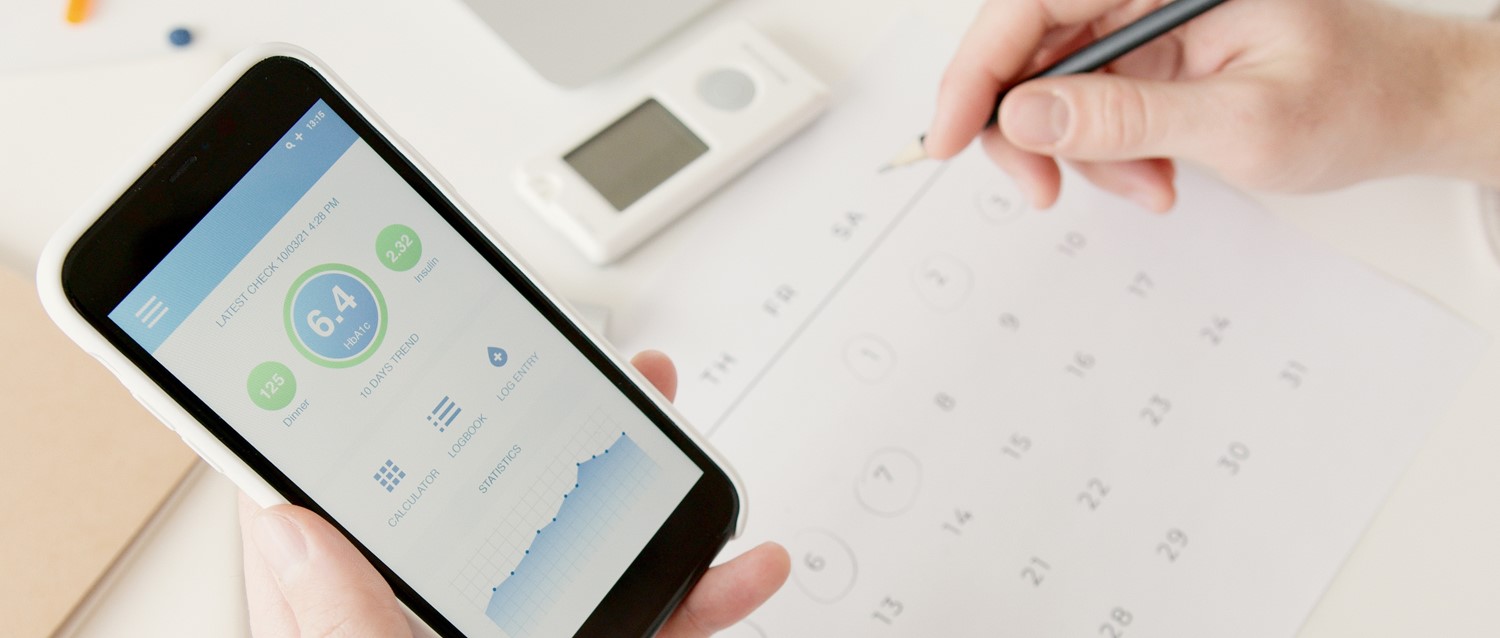
Diabetes
Teste de glicose no sangue (açúcar no sangue) e HbA1c
Os testes de glicose no sangue verificam a quantidade de glicose no sangue. Esses testes ajudam a diagnosticar diabetes, incluindo diabetes mellitus tipo 1 e tipo 2. Eles também são usados para monitorar o controle da glicose em pessoas que já vivem com diabetes.
por Dr. Mohammad Sharif Razai, MRCGP

Diabetes
Diabetes tipo 2
O diabetes tipo 2 pode ocorrer em qualquer idade, incluindo na infância, mas ocorre principalmente em pessoas com mais de 40 anos. O tratamento de primeira linha é a dieta, o controle do peso e a atividade física. A boa notícia é que muitas pessoas podem manter-se bem usando essas medidas de estilo de vida. No entanto, se o nível de açúcar no sangue (glicose) permanecer alto, geralmente são recomendados comprimidos para reduzir o nível de glicose no sangue. Em alguns casos, são necessárias injeções de insulina. Outros tratamentos incluem a redução da pressão arterial se estiver alta, a diminuição dos níveis elevados de colesterol e também outras medidas para reduzir o risco de complicações.
por Dr. Colin Tidy, MRCGP
Perguntas frequentes
Can type 2 diabetes be cured?
Diabetes usually cannot be cured, but it can be managed successfully. For many people, type 2 diabetes can go into 'remission' (and may be considered 'cured') with significant weight loss and regular exercise. However, it can return if weight is regained.
Why is regular monitoring important even if I feel well?
Regular monitoring is crucial because even a mildly raised blood glucose level, which might not cause immediate symptoms, can damage blood vessels over time and lead to serious long-term complications. Monitoring helps to detect and treat potential problems early, preventing them from worsening.
What is 'diabetes burnout'?
Diabetes burnout happens when people feel overwhelmed by the demands of managing their diabetes. This can lead to feelings of anger, frustration, defeat, and worry about not managing their condition well enough. Talking therapies and support groups can be helpful for burnout.
Why do people with diabetes need specific immunisations like the flu or COVID jab?
People with diabetes should be immunised against infections like the flu, COVID, and pneumococcal bacteria because these infections can be particularly dangerous for them. These immunisations help protect against severe illness.
What is the difference between glycosylated haemoglobin (HbA1c) and a regular blood glucose test?
A regular blood glucose test measures your blood sugar level at a single point in time. In contrast, glycosylated haemoglobin (HbA1c) measures the average level of blood sugar over the last three months. HbA1c is commonly used to diagnose and monitor type 2 diabetes and to monitor type 1 diabetes.
Can I eat 'diabetic foods' if I have diabetes?
It is not necessary to buy special 'diabetic foods'. These foods still raise blood glucose levels, can contain similar amounts of fat and calories to non-diabetic foods, and are usually more expensive. A healthy diet, low in fat, salt, and sugar, and high in fibre, with plenty of fruits and vegetables, is recommended for everyone, including those with diabetes.
Leitura adicional e referências
- Gestão do diabetes; Rede Escocesa de Diretrizes Intercolegiais - SIGN (março de 2010 - atualizado em novembro de 2017)
- Diabetes UK
- Diabetes tipo 1 em adultos: diagnóstico e manejo; Diretrizes NICE (agosto de 2015 - última atualização em agosto de 2022)
- Diabetes (tipo 1 e tipo 2) em crianças e jovens: diagnóstico e manejo; Diretrizes NICE (Ago 2015 - atualizado Mai 2023)
- Problemas nos pés diabéticos: prevenção e manejo; Diretrizes NICE (agosto de 2015 - última atualização em outubro de 2019)
- Diabetes tipo 2 em adultos: manejo; NICE Guidance (December 2015 - last updated February 2026)
- Stewart MW; Treatment of diabetic retinopathy: Recent advances and unresolved challenges. World J Diabetes. 2016 Aug 25;7(16):333-41. doi: 10.4239/wjd.v7.i16.333.
- Tackling the crisis: Transforming diabetes care for a better future England. Diabetes UK, 2019
- Centre for Perioperative Care; Guideline for Perioperative Care for People with Diabetes Mellitus Undergoing Elective and Emergency Surgery
Sobre o autorVer biografia completa
Atualizado por

Dr Doug McKechnie, MRCGP
Redator Médico
MA, MBBS, MSc, DRCOG, MRCP(UK), MRCGP(2021), FHEA
O Dr. Doug McKechnie é um médico do NHS que trabalha em Londres. Ele trabalha em tempo integral na prática clínica e também é o Vice-Líder do módulo de Prática Clínica e Profissional na Faculdade de Medicina da University College London.
Sobre o revisorVer biografia completa
Dra. Rosalyn Adleman, MRCGP
MRCGP
A Dra. Rosalyn Adleman é uma médica do NHS que trabalha no norte de Londres.
Profissionais de Saúde
Looking for more in-depth clinical detail? Our Professional Reference articles are written for doctors, nurses and other healthcare professionals. They include comprehensive clinical guidance, diagnostic information and UK/European evidence summaries. If you need the clinical version, you can read the Professional Reference article on this topic.
Compartilhe seus pensamentos ou experiências com outros em nosso comunidades de pacientes.
Acesso simples a tratamentos confiáveis e serviços de saúde online.
Common conditions
Get help with common conditions through the NHS, without a GP appointment.
 Sinusite aguda
 Amigdalite bacteriana
 Impetigo
 Mordidas de insetos
 Herpes zosterInfecção do trato urinário (ITUs)
Inscreva-se no boletim informativo do Patient
Sua dose semanal de conselhos de saúde claros e confiáveis - escritos para ajudá-lo a se sentir informado, confiante e no controle.
Ao se inscrever, você aceita nossos Política de Privacidade. Você pode cancelar a inscrição a qualquer momento. Nunca vendemos seus dados.