Hiperglicemia não diabética (pré-diabetes)
Tolerância à glicose prejudicada
Revisado por Dr Surangi Mendis, MRCGPÚltima atualização por Dr Toni Hazell, FRCGPÚltima atualização 16 Set 2024
Atende aos diretrizes editoriais
- BaixarBaixar
- Compartilhar
- Language
- Discussão
- Versão em Áudio
- Adicionar às fontes preferidas no Google
Nesta série:Teste de tolerância à glicose
In non-diabetic hyperglycaemia (NDH, previously known as impaired glucose tolerance or pre-diabetes), your blood sugar (glucose) is raised beyond the normal range. Whilst this raised glucose level is not so high that you have type 2 diabetes, you are at increased risk of developing type 2 diabetes when you have NDH.
Em resumo
Non-diabetic hyperglycaemia (NDH) means your blood sugar is raised but not high enough for diabetes.
Most people with NDH have no symptoms; it's often found during other blood tests.
NDH increases your risk of developing type 2 diabetes and cardiovascular diseases.
An HbA1c blood test level of 42-47 mmol/mol indicates NDH.
Lifestyle changes like diet, exercise, and weight loss are the main treatments.
Regular blood tests (at least once a year) are needed to check for diabetes.
Inscreva-se no nosso curso gratuito de 10 semanas sobre Diabetes!
A cada semana, exploraremos um tópico diferente para ajudá-lo a entender e gerenciar melhor o seu diabetes, incluindo o dia a dia e medicamentos, bem-estar mental, as últimas novidades em tecnologia para diabetes e nutrição.
Ao se inscrever, você aceita nossos Política de Privacidade. Você pode cancelar a inscrição a qualquer momento. Nunca vendemos seus dados.
What is non-diabetic hyperglycaemia (NDH)?
O que é pré-diabetes?
If you have NDH, your blood sugar (glucose) is raised beyond the normal range but it is not so high that you have diabetes; however you are at an increased risk of developing diabetes tipo 2.
Up to 6 in every 10 people with NDH will develop diabetes within ten years.
The most commonly used test to identify NDH is now the HbA1c blood test. The WHO and the National Institute for Health and Care Excellence (NICE) have recommended that an HbA1c blood test level of 42-47 mmol/mol (6.0-6.4%) indicates a high risk of diabetes.
What causes non-diabetic hyperglycaemia (NDH)?
NDH develops for the same reasons as type 2 diabetes. They include:
Estar com sobrepeso ou obeso (most people with pre-diabetes are overweight or obese).
Having a family history of diabetes. This refers to a close family member with diabetes - a mother, father, brother or sister.
Doing little atividade física.
Having other risk factors for cardiovascular disease such as pressão alta ou níveis elevados de colesterol.
Se a woman has polycystic ovary syndrome and is also overweight.
If you developed diabetes during pregnancy (called gestational diabetes).
NDH symptoms
People with NDH usually have no symptoms.
You are often found to have NDH after blood tests taken for another reason show that you have a raised blood sugar (glucose) level.
Sometimes, your doctor may suggest that a screening blood test should be taken to check your blood glucose because they are worried that you may have some risk factors for NDH or diabetes.
How common is NDH?
Many people have NDH and because there are no symptoms, they do not know that they have it. Diabetes UK estimates that around seven million people in the UK have NDH.
É possível reverter o pré-diabetes?
How is NDH diagnosed?
NDH is now most often diagnosed using a blood test called HbA1c. See the separate leaflet called Blood glucose test (blood sugar) and HbA1 for more details.
An HbA1c value of 48 mmol/mol (6.5%) or above is required to diagnose diabetes. People with an HbA1c level of 42-47 mmol/mol (6.0-6.4%) are considered to have NDH because they are at increased risk of diabetes and cardiovascular disease.
Another test to diagnose NDH is the glucose tolerance test but this is used much less often now - the most common reason for doing a glucose tolerance test is because a woman is pregnant, as HbA1c cannot be used in pregnancy. Read more in the separate leaflet called Glucose tolerance test.
NDH treatment
Os tratamentos incluem:
Referral to the Diabetes Prevention Programme.
Lifestyle changes such as diet and exercise.
There is increasing evidence that if NDH is treated, it becomes much easier to prevent or delay it progressing to type 2 diabetes. Also, it may be possible to prevent cardiovascular disease from developing.
It is also very important to have a regular blood test (once a year) to recheck your blood sugar (glucose) level in case you develop diabetes.
Mudanças no estilo de vida
There are a number of lifestyle changes that you should adopt if you have NDH:
Eat a healthy balanced diet. Your practice nurse and/or a dietician will give details on how to eat a healthy diet. You should aim to eat a diet low in sugar high in fibre, with plenty of fruit and vegetables:
Starchy foods contain carbohydrates. Standard advice is that you should continue to eat some starchy foods, although you should focus on wholegrain and wholewheat versions - so-called 'complex carbohydrates'. These tend to have a lower glycaemic index (GI) which means they are more slowly absorbed and do not raise your blood sugar as rapidly.
However, what many people don't realise is that starchy carbohydrates like bread, potatoes or breakfast cereals digest down into a surprisingly large amount of sugar. More and more people are discovering that by reducing the carbs (both sugary and starchy) in their diet, it is possible to lose weight and reduce blood sugar (glucose). If you do include carbs in your diet, choose complex carbs.
See the separate leaflet called Type 2 diabetes diet for more details.
Perca peso se estiver acima do peso. Getting to a perfect weight is unrealistic for many people. However, if you are overweight or obese then losing some weight will help to reduce your blood glucose level (and have other health benefits too). Losing as little as 5 - 10% of your bodyweight can have significant benefits and is often a more realistic target to start with than getting to an 'ideal' weight. See the separate leaflet called Weight reduction.
Do some physical activity regularly. A minimum of 30 minutes of physical activity at least five times a week is advised. For example, walking, swimming, cycling, jogging, dancing - anything that makes you at least mildly out of breath and mildly sweaty. You can start slowly and build up. You can also spread the activity over the day - for example, two 15-minute spells per day. Regular physical activity also reduces your risk of having a heart attack or stroke. Always check with your doctor that it is safe to start exercising if you have been inactive for a long period. Consulte o folheto separado chamado Exercício e atividade física. The most effective treatment is lifestyle changes, including eating a healthy balanced diet, losing weight if you are overweight, and doing regular physical activity.
Inscreva-se no nosso curso gratuito de 10 semanas sobre Diabetes!
A cada semana, exploraremos um tópico diferente para ajudá-lo a entender e gerenciar melhor o seu diabetes, incluindo o dia a dia e medicamentos, bem-estar mental, as últimas novidades em tecnologia para diabetes e nutrição.
Ao se inscrever, você aceita nossos Política de Privacidade. Você pode cancelar a inscrição a qualquer momento. Nunca vendemos seus dados.
There are also other lifestyle changes that you can make to reduce your cardiovascular disease risk. These include:
Ensuring that you stick to the recommended alcohol intake. See the separate leaflet called Alcohol and sensible drinking for more details.
Make sure that your blood pressure stays within the normal range. Have your blood pressure checked regularly with your practice nurse.
Also, discuss with your doctor or practice nurse if you need a cholesterol check and/or treatment to lower your cholesterol level.
Treatments with medicines
A number of medical trials have looked at the use of various treatments with medicines for people with NDH to see if they can help to prevent diabetes and cardiovascular disease.
Medicines that have been trialled include:
Angiotensin-II receptor antagonists (also known as angiotensin receptor blockers).
Lifestyle changes (as indicated above) are the most important thing if you are found to have NDH. However, the National Institute for Health and Care Excellence (NICE) has recommended that metformin should be used if a lifestyle-change programme isn't successful or isn't possible. A medicine called orlistat may occasionally also be recommended to help lose weight and therefore reduce the risk of developing diabetes. Newer medicines called GLP-1 agonists can also be used for weight loss - at the moment these are only available on the NHS from weight loss clinics, not from your GP. Availability of GLP-1 agonists varies significantly by area of the UK and there is often a long waiting list.
What follow-up is needed if you have NDH?
You will usually need a blood test to check your fasting blood sugar (glucose) level at least once a year.
This is to make sure that you have not developed diabetes. Your doctor is also likely to keep a check on any other risk factors that you may have for cardiovascular disease.
So, they may monitor your weight and your blood pressure and also suggest a blood test to check your cholesterol and triglyceride levels.
In the meantime, if you develop any symptoms of diabetes, you should visit your doctor sooner.
What are the complications of NDH?
The main complication of NDH is progression to type 2 diabetes.
NDH also increases your risk of developing:
Doença cardíaca.
Acidente Vascular Cerebral (AVC) (cardiovascular diseases).
Pressão alta.
Raised cholesterol levels.
Weight issues.
Consulte os folhetos separados chamados Cardiovascular disease (Atheroma) e Avaliação do risco de saúde cardiovascular para mais detalhes.
Can NDH be prevented?
The same things that can help in preventing type 2 diabetes can help prevent NDH. These include:
Eating a healthy balanced diet.
Perder peso se você estiver acima do peso.
Doing some physical activity regularly.
If you do develop type 2 diabetes, it's important to go for regular check-ups to ensure it doesn't worsen.
Referral for help and support
The NHS in England has developed the NHS Diabetes Prevention Programme for people with NDH. This provides personalised support from a group of healthcare professionals.
If you are diagnosed with pre-diabetes and live in England, you should be offered referral to this service. It involves at least 13 sessions over about 9 months, each lasting 1-2 hours. You will be supported to set and achieve goals and make positive changes to reduce your risk of developing type 2 diabetes. Most of the sessions will be run as face-to-face groups with other people who also have pre-diabetes and led by one or more experts.
Similar schemes are available in the rest of the UK.
Escolhas do paciente para Diabetes

Diabetes
Diabetes tipo 2
O diabetes tipo 2 pode ocorrer em qualquer idade, incluindo na infância, mas ocorre principalmente em pessoas com mais de 40 anos. O tratamento de primeira linha é a dieta, o controle do peso e a atividade física. A boa notícia é que muitas pessoas podem manter-se bem usando essas medidas de estilo de vida. No entanto, se o nível de açúcar no sangue (glicose) permanecer alto, geralmente são recomendados comprimidos para reduzir o nível de glicose no sangue. Em alguns casos, são necessárias injeções de insulina. Outros tratamentos incluem a redução da pressão arterial se estiver alta, a diminuição dos níveis elevados de colesterol e também outras medidas para reduzir o risco de complicações.
por Dr. Colin Tidy, MRCGP
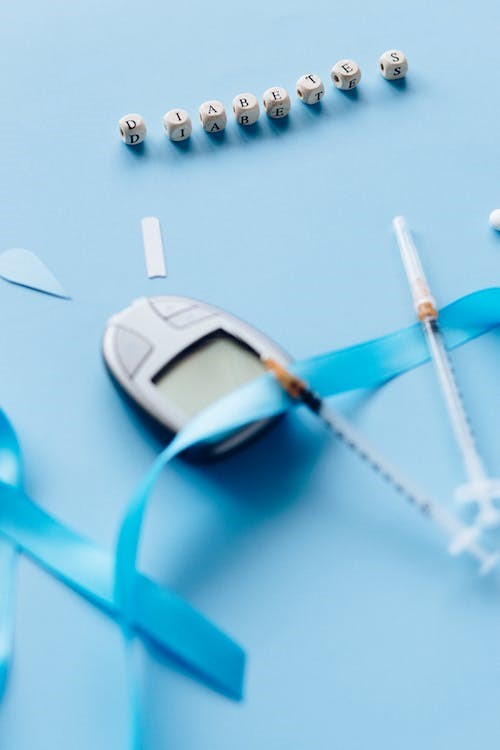
Diabetes
Tratamento para diabetes tipo 2
Embora o diabetes não possa ser curado, ele pode ser tratado com sucesso. Se um nível alto de açúcar no sangue for reduzido a um nível normal, seus sintomas irão diminuir e o risco de complicações a longo prazo será muito menor.
por Dr. Doug McKechnie, MRCGP
Perguntas frequentes
What is the Diabetes Prevention Programme?
The NHS in England offers a Diabetes Prevention Programme for individuals diagnosed with NDH. This programme provides personalised support from healthcare professionals over approximately nine months, typically involving at least 13 sessions. It aims to help participants set and achieve goals to make positive lifestyle changes, reducing their risk of developing type 2 diabetes. Similar programmes are also available in other parts of the UK.
Are there any specific dietary recommendations for someone with NDH?
Yes, if you have NDH, you should aim for a healthy balanced diet that is low in sugar and high in fibre, including plenty of fruit and vegetables. When consuming starchy foods (carbohydrates), choose wholegrain or wholewheat versions, known as 'complex carbohydrates'. These are absorbed more slowly, which helps prevent rapid increases in blood sugar. Some people also find that reducing both sugary and starchy carbohydrates can help with weight loss and blood sugar management.
If lifestyle changes aren't enough, are there medications available for NDH?
While lifestyle changes are the primary and most important treatment for NDH, if these are unsuccessful or not possible, the National Institute for Health and Care Excellence (NICE) recommends metformin. Additionally, medicines like orlistat may be recommended to aid weight loss, which can further reduce the risk of developing diabetes. Newer medications called GLP-1 agonists are also used for weight loss, though their availability on the NHS is currently limited to specialist weight loss clinics and can vary by region.
How often should I get my blood sugar checked if I have NDH?
If you have NDH, you will usually need a blood test to check your fasting blood sugar (glucose) level at least once a year. This regular check-up helps ensure that you have not developed diabetes. Your doctor may also monitor other risk factors for cardiovascular disease, such as your weight, blood pressure, and cholesterol levels.
What are the common risk factors for developing NDH?
There are several factors that increase the risk of developing NDH. These include being overweight or obese, having a close family member with diabetes, and leading a physically inactive lifestyle. Other risk factors are having high blood pressure or high cholesterol, having polycystic ovary syndrome if you are also overweight, or having developed diabetes during a previous pregnancy.
Leitura adicional e referências
- Diabetes tipo 2: prevenção em pessoas de alto risco; Diretrizes de Saúde Pública do NICE (última atualização: setembro de 2017)
- Diabetes Tipo 2 Conheça Seu Risco; Diabetes UK
- Tackling the crisis: Transforming diabetes care for a better future England. Diabetes UK, 2019
- Weber MB, Hassan S, Quarells R, et al; Prevention of Type 2 Diabetes. Endocrinol Metab Clin North Am. 2021 Sep;50(3):387-400. doi: 10.1016/j.ecl.2021.05.003. Epub 2021 Jul 12.
- van Herpt TTW, Ligthart S, Leening MJG, et al; Lifetime risk to progress from pre-diabetes to type 2 diabetes among women and men: comparison between American Diabetes Association and World Health Organization diagnostic criteria. BMJ Open Diabetes Res Care. 2020 Nov;8(2):e001529. doi: 10.1136/bmjdrc-2020-001529.
- Semaglutide for managing overweight and obesity; Orientação de avaliação de tecnologia do NICE, março de 2023
- Liraglutida para o manejo do excesso de peso e obesidade; NICE Technology Appraisal Guidance (last updated: December 2020)
- ; Long-term effects of lifestyle intervention or metformin on diabetes development and microvascular complications over 15-year follow-up: the Diabetes Prevention Program Outcomes Study. Lancet Diabetes Endocrinol. 2015 Nov;3(11):866-75. doi: 10.1016/S2213-8587(15)00291-0. Epub 2015 Sep 13.
- Programa de Prevenção de Diabetes do NHS (NHS DPP); NHS Inglaterra
Sobre o autorVer biografia completa

Dr Toni Hazell, FRCGP
MBBS, BSc, FRCGP, DFSRH, Dip GU med, DRCOG, DCH (London, UK, 2000)
A Dra. Toni Hazell se formou na Escola de Medicina do Hospital St. Mary e fez seu VTS no Hospital Northwick Park.
Sobre o revisorVer biografia completa

Dr Surangi Mendis, MRCGP
Consultor e Autor Médico
MBBS, BSc (1º), MRCGP (2014), DFSRH, PGcert otologia e audiologia
Surangi Mendis é consultora em Medicina Audiovestibular e Neuro-otologia no The Royal National ENT and Eastman Dental Hospitals, UCLH.
Histórico do artigo
As informações nesta página são escritas e revisadas por clínicos qualificados.
Artigo também disponível em Inglês, Alemão, Espanhol, Francês, Italiano, Português, Hindi, Hebraico, Árabe, e Sueco.
Próxima revisão prevista para: 15 de setembro de 2027
16 Set 2024 | Última versão

Pergunte, compartilhe, conecte-se.
Navegue por discussões, faça perguntas e compartilhe experiências em centenas de tópicos de saúde.

Sentindo-se mal?
Avalie seus sintomas online gratuitamente
Inscreva-se no boletim informativo do Patient
Sua dose semanal de conselhos de saúde claros e confiáveis - escritos para ajudá-lo a se sentir informado, confiante e no controle.
Ao se inscrever, você aceita nossos Política de Privacidade. Você pode cancelar a inscrição a qualquer momento. Nunca vendemos seus dados.
Mais sobre diabetes
- Teste de glicose no sangue (açúcar no sangue) e HbA1c
- Lidando com hiperglicemia
- Diabetes
- Diabetes e pressão alta
- Diabetes e gravidez
- Diabetes em crianças
- Amiotrofia diabética
- Úlceras do pé diabético
- Doença renal diabética
- Neuropatia diabética
- Retinopatia diabética
- Condução e diabetes
- Teste de tolerância à glicose
- Conversor de HbA1c
- Hipoglicemia
- Insulina
- Diabetes tipo 1
- Diabetes tipo 2
- Dieta para diabetes tipo 2
- Tratamento para diabetes tipo 2