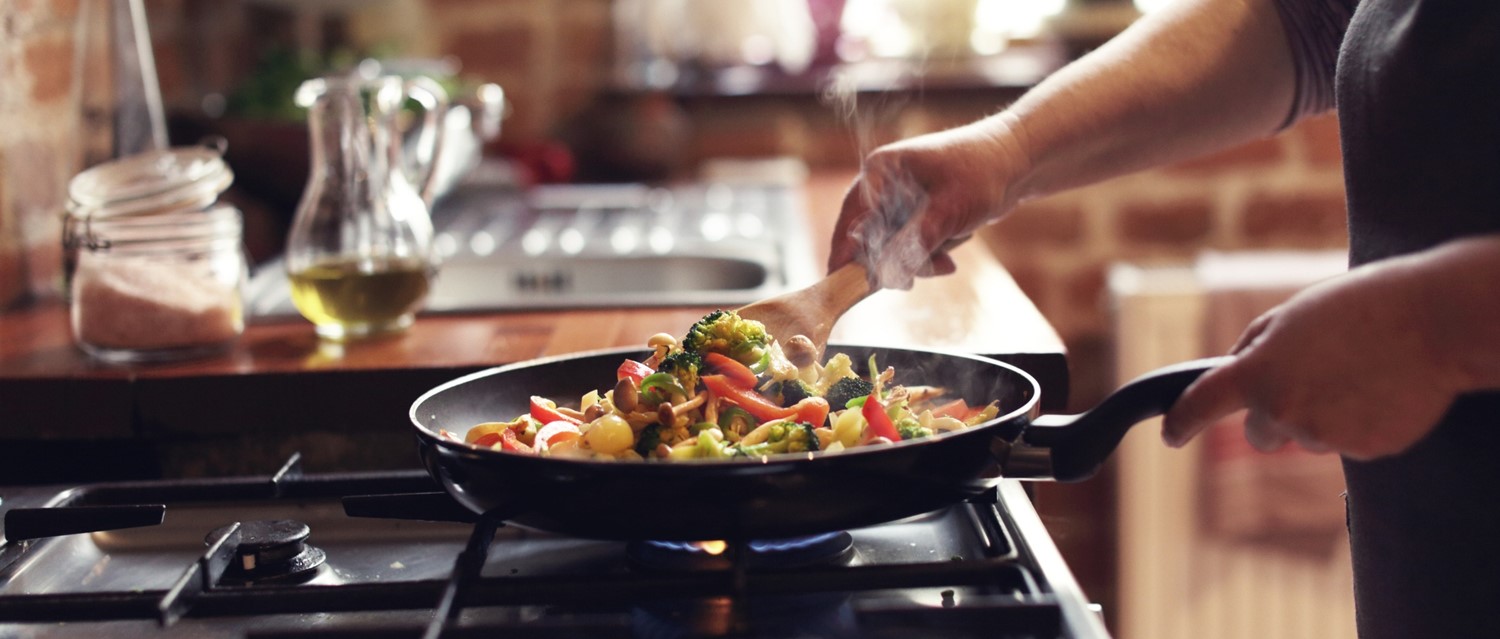
How to maintain a healthy lifestyle during lockdown
Peer reviewed by Dr Sarah JarvisLast updated by Karine Patel, RDLast updated 22 Feb 2021
Meets Patient’s editorial guidelines
- DownloadDownload
- Share
- Language
- Discussion
- Audio Version
- Add to preferred sources on Google
COVID-19 has made some remarkable changes to our lifestyles. To cope with these sudden changes, many of us turned to our cupboards and ate and drank more while sitting at home. One year later, these habits have resulted in many of us feeling less fit than we were before the pandemic.
So what can we do to curb these new habits, eat more healthily and get back to feeling our best?
How has lockdown affected our lifestyles?
Research has shown that a change in daily routine can increase stress and anxiety and this may result in dysfunctional coping behaviour, leading to more comfort eating and emotional eating. It's therefore unsurprising that our lifestyles have changed during the COVID-19 pandemic and especially during periods spent at home in lockdown.
A survey conducted by Ipsos MORI and King's College London found that during the first national lockdown, 35% of people reported eating more food or more unhealthy food than they normally did. Close to 50% said that they put on weight during lockdown. The same percentage reported feeling more stressed or depressed than usual. Almost a third of people said they drank more alcohol.
Curbing lockdown eating
Whilst comfort food and alcohol may seem like a quick and easy fix for difficult emotions or boredom, they won't actually solve the problem and may make the situation worse.
Madeleine Hawkes, weight management dietician at Nutrition Synergy, recommends taking some time to consider whether or why you're actually hungry in order to eat more intuitively.
"Next time you find yourself heading to the fridge, ask yourself, 'Am I truly hungry?' If not, ask yourself, 'What am I actually hungry for?'"
If you're bored then what you're seeking is stimulation, not food. You could try playing some games like sudoku, or read a book to keep yourself occupied.
If you're feeling low and you're actually hungry for comfort, why not reach out to a friend or run a warm bubble bath?
If you're feeling stressed, get outside for a walk in the fresh air, or try a home workout online in your living room to get the blood pumping. Evidence shows that exercise can really bring stress levels down.
If you're feeling anxious, you could try some meditation apps or yoga to keep you grounded in the present.
Finding balance during a pandemic
With many of us either working from home, furloughed or possibly out of work, our days have lost their usual structure. This can lead not only to our sleep getting disrupted but also to our meal patterns becoming disrupted. Try to maintain your usual routine of meals to increase a sense of normalcy and reduce grazing.
At mealtimes, try to build a balanced diet using these strategies:
Aim for half the plate to be made up of vegetables. Vegetables are low in calories, a great source of fibre and rich in vitamins and minerals.
A quarter of your plate should be protein, either animal or plant-based. This is the part of the meal that fills you up and keeps you feeling full for longer which helps reduce snacking in between meals.
The remainder of your plate can be made up of complex carbohydrates like wholewheat pasta, brown rice or sweet potatoes. Avoid 'refined' (processed/white) carbohydrates, both sugary and starchy.
For those who find themselves snacking between meals, try to pick some more nutritious alternatives. "It's best to have healthy snacks in the house which are easy to reach for," says Madeleine. "Fruits make an excellent choice for a sweet tooth. Vegetable sticks with hummus, Ryvita crackers with reduced-fat cheese or unsalted roasted nuts are great savoury choices. BBC Good Food has some fantastic snack ideas if you're lacking inspiration."
Stay hydrated
The body's cues for thirst due to dehydration can often be confused with hunger. To keep hunger at bay, make sure you're drinking enough. Any drinks, except alcohol, contribute towards your fluid intake, and you'll need more if you're partaking in regular exercise.
"Reduce your intake of sugary drinks and alcohol as these are 'empty calories'," explains Madeleine. "Avoid drinking too many coffees (ideally fewer than four per day) and energy drinks - they can make anxiety worse if drunk in large quantities because of the caffeine they contain. Great choices include sugar-free squash, herbal teas and water with fresh herbs like mint or fruit and vegetables such as cucumber, ginger or grapefruit."
Be kind to yourself
Finally, and most importantly: be kind to yourself. We are living through a global pandemic for which none of us has been prepared. Whatever you are doing to cope during these uncertain times, you are doing the best you can. Self-criticism and blame serve no function other than to make a difficult situation harder. Try to extend the same gentle acceptance and empathy that you would for a friend in the same situation to yourself.
Patient picks for Pandemic articles
COVID-19
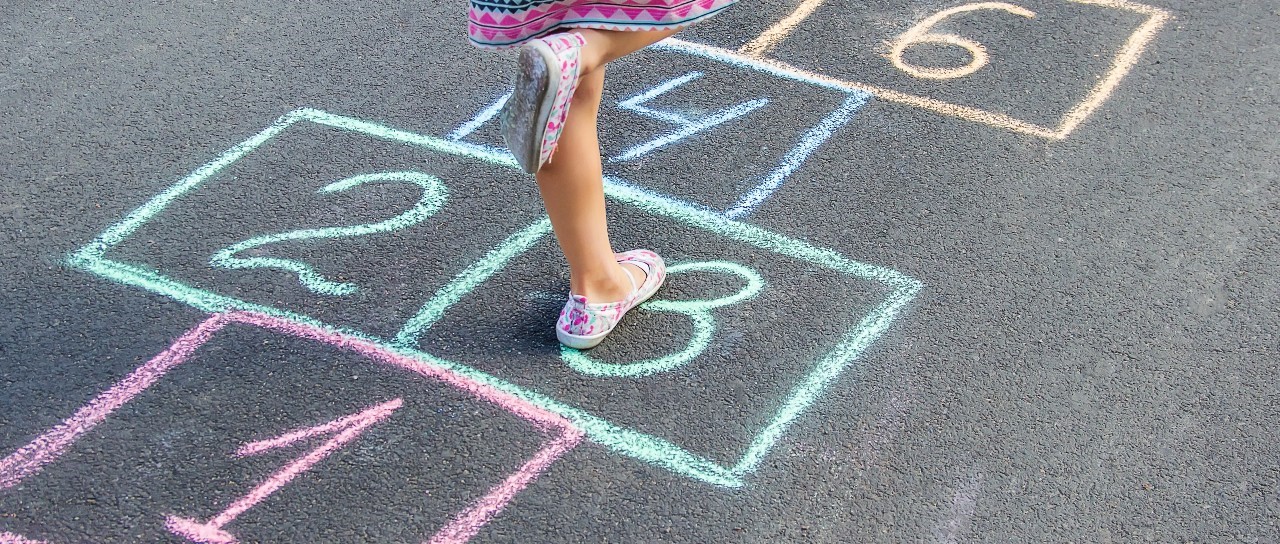
Has the pandemic had an impact on child obesity?
There have been numerous reports of obesity levels in children rising following the pandemic. New data show that two fifths of children aged 10-11 in England are overweight, which Diabetes UK says is "hugely concerning". While it will, undoubtedly, take some time to understand the true impact of COVID-19 on children's mental and physical health, we can explore some of the ways their weight and eating habits have been affected.
by Emily Jane Bashforth
COVID-19
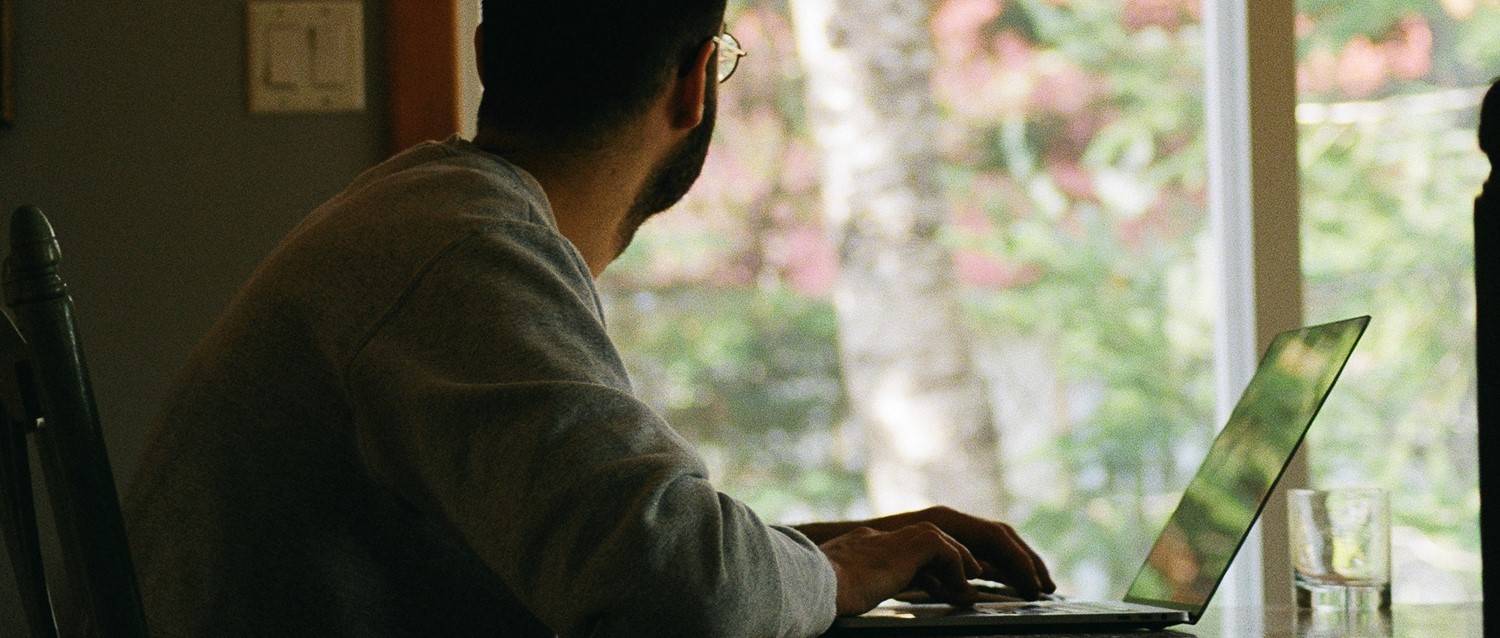
COVID-19: Can lockdowns change our personalities?
Nearly two years after the COVID-19 outbreak was declared a global pandemic, the Omicron variant is spreading like wildfire across the UK. To help curb the rate of infections and ease the strain on hospitals, further restrictions may be introduced, including a lockdown. While this may be a necessary measure, it will undoubtedly be difficult for many people. But can lockdowns have a longer-term impact on how we think and act?
by Lydia Smith
About the authorView full bio
Karine Patel, RD
Dietitian and Director
RD, MSc
Karine is a dietitian and the founder of Dietitian fit & co, a private dietitian company located across England.
About the reviewerView full bio

Dr Sarah Jarvis
Clinical Consultant
MA (Cantab), BM, BCh (Oxon), DRCOG, FRCGP, MBE
After training in medicine at Cambridge and Oxford, Dr Sarah Jarvis MBE became a GP.
Article history
The information on this page is peer reviewed by qualified clinicians.
Article also available in English, German, Spanish, French, Italian, Portuguese, Hindi, Hebrew, Arabic, and Swedish.
22 Feb 2021 | Latest version
22 Feb 2021 | Originally published
Join the conversation
Share your thoughts or experiences with others in our patient communities.

Ask, share, connect.
Browse discussions, ask questions, and share experiences across hundreds of health topics.

Feeling unwell?
Assess your symptoms online for free
Sign up to the Patient newsletter
Your weekly dose of clear, trustworthy health advice - written to help you feel informed, confident and in control.
By subscribing you accept our Privacy Policy. You can unsubscribe at any time. We never sell your data.
More in cOVID-19
- Coping with anxiety around COVID-19 uncertainty
- COVID-19 boosters and pregnancy: Are they safe and should you get them?
- COVID-19: Can lockdowns change our personalities?
- COVID-19: when do experts predict life will return to normal?
- Flurona: What we know about COVID-19 and flu combined infection
- How have Brits neglected their oral health during the pandemic?
- How to protect yourself from COVID-19 and flu in pregnancy
- What are the differences between colds, flu and COVID-19?
- What are the symptoms of the COVID-19 variant Pirola?
- What happens if you catch flu and COVID-19 at the same time?
- What we know about the new COVID-19 variants Eris and Pirola
- Why is ME/CFS research key to understanding long COVID?
- Will we need a COVID-19 booster vaccine every year?