19 de julho: mantendo-se seguro à medida que as restrições da COVID-19 são relaxadas
Revisado por Dr Sarah JarvisAutoria de Milly EvansPublicado originalmente 19 Jul 2021
Atende aos diretrizes editoriais
- BaixarBaixar
- Compartilhar
- Language
- Discussão
- Ask Patient
- Versão em Áudio
- Adicionar às fontes preferidas no Google
Apesar do relaxamento das restrições em 19 de julho, ainda não estamos fora de perigo. Com o aumento dos casos de coronavírus, todos precisamos fazer nossa parte para manter a nós mesmos e aos outros seguros do COVID-19.
Escolhas de vídeos para artigos sobre a pandemiaBiblioteca de vídeos
Onde estamos agora?
Despite plans to end virtually all remaining COVID-19 restrictions in England from 19 de julho, COVID-19 hasn't gone away. Currently there are high levels of the virus circulating in the population, with 50,000 people testing positive each day across the UK and numbers doubling every three weeks. In the week of 5th July, 1 em cada 95 pessoas in England had COVID-19 compared to 1 in 160 the week before. Scotland's rate was even higher, with 1 in 90 having the virus in the same week.
The government's argument for ending restrictions despite these high levels of the virus is that, despite high case numbers, there have been significativamente menos internações hospitalares and deaths compared with previous waves. This is in large part thanks to vacinação efforts which have led to nearly 90% dos adultos having had their first vaccine and nearly 70% having had their second.
However, as pessoas ainda estão morrendo e ficando gravemente doentes com COVID-19. Aqueles que acabam no hospital tendem a ser mais jovens do que nas ondas anteriores, em grande parte não vacinados ou tendo recebido apenas uma dose. E embora os números no hospital sejam significativamente menores do que eram na segunda onda, eles estão dobrando a cada três semanas.
This is filling hospital wards and intensive care units, threatening attempts to deal with the huge 5.3 million NHS waiting list for non-COVID-19 procedures. On 15th July, the Queen Elizabeth Hospital in Birmingham (one of the biggest hospitals in the UK) was forced to cancelar todas as operações planejadas for two days because of lack of bed capacity.
Even among people who don't end up in hospital and those with mild symptoms, some are experiencing long-lasting symptoms. COVID Longa can have a lasting impact on their health and the lifestyle they're able to lead. With tens of thousands of people testing positive each day, more people are experiencing health complications they may not have had before.
Given the dangers of the more transmissible variante Delta, o alto número de casos e os riscos de sobrecarregar os hospitais, eliminar as restrições que ajudam a prevenir a transmissão deixou muitos de nós muito nervosos sobre o que está por vir nas próximas semanas. Felizmente, ainda há coisas que todos podemos fazer para manter a nós mesmos e aos outros seguros.
Tome a vacina dupla
One of the most important things you can do is to get both doses of the vacinação contra a COVID-19. Embora a vacina não ofereça 100% de proteção contra o vírus - nenhuma vacina pode - ela reduz a chance de você contrair ou espalhar o vírus. Se você contrair o coronavírus, é significativamente menos provável que fique gravemente doente ou morra do que se não estivesse vacinado - a chance de internação hospitalar pelo menos 2 semanas após duas doses das vacinas AZ e Pfizer BioNTech é reduced by 92% and 96% respectively.
Atualmente, pessoas com menos de 50 anos têm menos probabilidade de estarem totalmente vacinadas do que o restante da população, em parte porque as consultas para vacinação foram oferecidas primeiro a grupos etários mais velhos e vulneráveis. Também há menos urgência em se vacinar entre pessoas que, até agora, foram menos suscetíveis ao vírus.
Unfortunately, many of those who have chosen not to be vaccinated - some of whom have gone on to become seriously ill - have been the victims of desinformação, esforços anti-vacinação e teorias da conspiração que os levaram a acreditar que a vacina é perigosa ou desnecessária. Esses mitos estão circulando fortemente nas redes sociais, apesar de centenas de milhões de pessoas terem sido vacinadas com segurança e protegidas contra a COVID-19.
Vaccination appointments are now available to anyone over the age of 18. Vaccination is fast, safe and effective. You can agende suas consultas de vacinação online through the NHS website. You need to get both doses in order to get the full protection the jab offers: everyone can now book a second vaccine 8 (rather than the previous 12) weeks after their first.
Existem algumas pessoas que não podem ser vacinadas por razões de saúde, apesar de estarem em risco devido à COVID-19. É importante que todos que são elegíveis para serem vacinados o façam, a fim de criar imunidade de rebanho para proteger aqueles que são vulneráveis ao vírus.
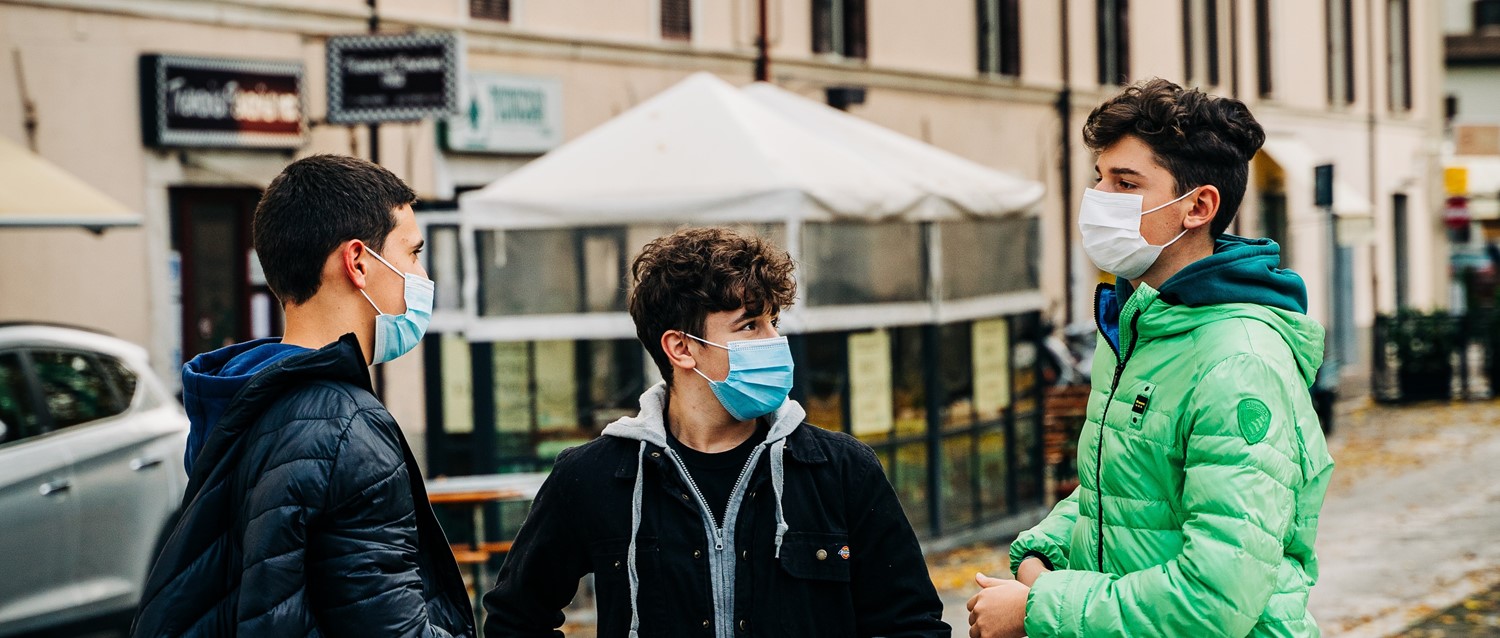
Continue usando sua máscara facial
Though wearing face masks and coverings will no longer be required by law, the government is recommending that people wear coberturas faciais in crowded places like public transport. Continuing to wear a face mask is a sensible and easy precaution to take to avoid passing COVID-19 to other people. Many establishments, including major supermarket chains, will be continuing to encourage customers to wear face masks.
Scotland and Wales have announced that despite easing of many of their restrictions, wearing of face coverings in some indoor settings, including on public transport, will remain mandatory. Some organisations have announced that face masks will remain compulsory when people use their services, including the Transport for London network and across ambientes de saúde in the NHS. Face masks should have two layers and fit well sobre o nariz, sob o queixo e plano contra os lados do rosto para ser usado de forma eficaz.
On 19th July, the NHS Confederation, along with the British Medical Association, the Academy of Royal Medical Colleges and several charities launched a new campaign, #NotTooMuchToMask. Com o aumento de casos e internações hospitalares, eles visam destacar a importância de todos continuarem se protegendo e protegendo uns aos outros de contrair ou transmitir o coronavírus.
Fique em casa quando for solicitado
It may feel inconvenient and frustrating but autoisolamento is an incredibly important step we can all take to avoid passing the virus on to other people.
If you develop symptoms of COVID-19 - namely a new, continuous cough, a fever or loss of your taste or smell - then you need to self-isolate and stay at home. There is algumas evidências that the Delta variant presents more like a resfriado in some people, with a dor de garganta, dor de cabeça and runny nose. If you start feeling unwell, stay at home and agendar um teste PCR online. You can have one sent to your home or book to go to a testing site.
You should also self-isolate if anyone in your household has symptoms or tests positive, or if you are told to by Test and Trace. If you haven't already, download the aplicativo NHS COVID-19 to your phone. This will allow the app to detect when you have spent time close to someone who has reported a positive COVID-19 test and ro send you a notification if you need to self-isolate or book a PCR test.
If you are told you have to self-isolate, are on a low income and will lose income as a result of staying at home, you can apply for the £500 Pagamento de Suporte de Teste e Rastreamento through your local council.
Passe tempo com seus entes queridos, mas tome precauções
Spending time with other people is important for our saúde mental and overall well-being. But catching COVID-19 is sure to put a downer on a fun day with friends. When meeting up with people, tome algumas precauções to stay safe.
Avoid mixing with lots of people, socialising close together or staying together for long periods of time. Passar tempo ao ar livre is still the safest way to socialise.
If you can, try to maintain at least a metre or two of distance from people outside of your household or support bubble. Wherever possible, avoid crowded areas where it will be hard to manter o distanciamento social.
Se você decidir passar tempo juntos em ambientes fechados, opte por salas com bastante ventilação, abrindo portas e janelas para deixar o ar fresco entrar.
Faça o teste
As well as ordering PCR tests when you have symptoms, it's also a good idea to use kits de teste de fluxo lateral twice a week. The tests can pick up an asymptomatic infection and give you a result in 30 minutes which can help you avoid unknowingly passing COVID-19 on to anyone else.
You can get lateral flow test kits online or from your pharmacist. You may be able to find a provider near you on Patient Access.
So despite many restrictions becoming optional, there are still measures we can take to stay well and take care of each other. You can find more information on staying healthy during the pandemic in our centro de COVID-19.
Escolhas do paciente para artigos sobre a pandemia

COVID-19
O que fazer se precisar de contracepção ou assistência para aborto durante o lockdown
Em todo o Reino Unido, as restrições de lockdown estão começando a diminuir, embora em ritmos diferentes nas quatro nações. Mas a mudança é lenta e todos nós estamos tendo que nos adaptar a uma nova normalidade. Acesso a contracepção, aborto e cuidados de saúde sexual tem sido um desafio para muitos - mas agora há uma variedade de alternativas disponíveis para garantir que as mulheres possam obter os serviços de que precisam.
por Dra. Sarah Jarvis

COVID-19
COVID-19: como lidar com as preocupações do retorno às aulas
A partir de 8 de março, os alunos de toda a Inglaterra voltarão às aulas. Mas, com a pandemia ainda afetando nossas vidas diárias, muitas crianças perceberam que sua escola familiar passou por mudanças significativas, tanto em termos de regras, estrutura quanto ambiente.
por Gillian Harvey
Sobre o autorVer biografia completa
Autoria de

Milly Evans
Editora
Milly escreve sobre uma variedade de tópicos de saúde, com um interesse particular em desigualdade na saúde e saúde sexual.
Sobre o revisorVer biografia completa

Dra. Sarah Jarvis
Consultora Clínica
MA (Cantab), BM, BCh (Oxon), DRCOG, FRCGP, MBE
Após se formar em medicina em Cambridge e Oxford, a Dra. Sarah Jarvis MBE tornou-se médica de clínica geral.
Histórico do artigo
Artigo também disponível em Inglês, Alemão, Espanhol, Francês, Italiano, Português, Hindi, Hebraico, Árabe, e Sueco.
19 Jul 2021 | Publicado originalmente
Escrito por:
Milly EvansRevisado por
Dra. Sarah Jarvis
Compartilhe seus pensamentos ou experiências com outros em nosso comunidades de pacientes.
Inscreva-se no boletim informativo do Patient
Sua dose semanal de conselhos de saúde claros e confiáveis - escritos para ajudá-lo a se sentir informado, confiante e no controle.
Ao se inscrever, você aceita nossos Política de Privacidade. Você pode cancelar a inscrição a qualquer momento. Nunca vendemos seus dados.