
Os carboidratos são realmente ruins para você?
Revisado por Dr Sarah JarvisÚltima atualização por Dra. Carrie Ruxton, PhD, Nutrição InfantilÚltima atualização 6 Fev 2018
Atende aos diretrizes editoriais
- BaixarBaixar
- Compartilhar
- Language
- Discussão
- Versão em Áudio
- Adicionar às fontes preferidas no Google
Diet fads have left most of us confused. Take carbohydrates, the stuff that potatoes, pasta, bread and sugary foods are made of. In the 1970s, these were blamed for being fattening. Then starchy carbs were rehabilitated and health officials advised that these should provide at least half our daily calories. Now, carbs seem to be the enemy again according to some. So, where does that leave us now?
Carbs in the news
The Atkins, South Beach and, more recently, the Pioppi diet all recommend large reductions in carbohydrates. The idea looks sensible on paper. All carbs break down in the body to form sugars which boost blood glucose levels and cause our bodies to produce insulin.
As insulina is a storage hormone, this means that excess fat and carbs from the diet end up in our fat cells and liver for a rainy day. But, because people are typically sedentary, that rainy day never comes and we end up acima do peso, or even diagnosed with type 2 diabetes.
However, the reality is less clear, which has led to harsh words between advocates for low-carb diets and those who think we should follow official high-carb advice. So, what does the evidence say?
Following a low-carb diet may increase your risk of hypoglycaemia (low blood sugar) if you are taking medicines that carry a risk of hypoglycaemia (insulina, sulfonylureas and glinides). Do not reduce the carbohydrates in your diet without taking advice from your medical team if you use any of these medicines.
Carbs in research
Several studies have compared different carbohydrate diets for diabetes tipo 2 or weight loss but their results are not consistent. It's also worth noting that 'low-carb' can mean anything from a very low-carb 'ketogenic' diet, where your body is forced to burn protein and fat, to a diet where the carbs are only slightly lower than government recommendations.
Perda de peso
Studies seem to show that low-carb diets produce faster weight loss in the short term but then perform the same as higher-carb diets.
A meta-analysis bringing together data from 447 patients found that those on low-carb diets lost an additional 3 kg (6 lbs) by six months compared to those on low-fat diets, but this difference had disappeared by a year. Blood lipids, like triglycerides and 'good' HDL cholesterol, were better on the low-carb diet while total and 'bad' LDL cholesterol were lower on the low-fat diet.
Another meta-analysis in 1,569 patients found that a ketogenic diet delivered an extra 1 kg (2 lbs) weight loss at one year but there was no difference by two years compared with a low-fat diet.
While there are claims that very low-carb diets burn extra body fat, this wasn't seen in a carefully controlled study in men which actually found a slowing of fat loss and evidence of muscle protein breakdown when a ketogenic diet was followed. So the jury is still out on whether or not carb restriction delivers benefits for long-term weight loss, although low-carb diets do better in the short term.
Dr Hunter Waldman from Mississippi State University says: "People need to find what works for them. If someone does not know where to start and they are sedentary, then I lean towards a lower-carbohydrate diet for the simple reason that carbohydrate is not essential and plays its main role as a source of energy. I find reducing carbohydrate, increasing protein and fibrous vegetables, as well as focusing on fats from lean meats, nuts, vegetables, and eggs tends to do just about everyone good. Carbohydrate intake should match activity output."
Children and adults with type 1 diabetes
Pessoas com diabetes tipo 1 require lifelong treatment with insulin, which carries a risk of hipoglicemia, or low blood sugar. Currently research into the safety and effectiveness of low-carb diets is not advanced enough to recommend that people with type 1 diabetes follow one, so it's best to stick with the plan advised by your care team.
Likewise, there is limited research on low-carb diets for children with type 1 diabetes, as well as concerns about an increased risk of growth problems, raised cholesterol, poor compliance, and negative effects on sport participation. This is why low-carb diets are não é recomendada for children with type 1 diabetes.
Diabetes tipo 2
Seven out of ten people with type 2 diabetes are overweight or obesas, so reducing weight can be as important for long-term health as managing blood glucose levels.
Studies have shown similar benefits for high-carb versus low-carb diets in terms of weight control and glycosylated haemoglobin (HbA1c) - a blood marker of long-term glucose control. This included an eight-week trial in 12 patients, a one-year trial in 162 patients and a two-year trial in 115 patients. In the last one of these, patients following the very low-carbohydrate diet (less than half the carbs of a typical diet) were able to reduce their diabetes medication, which was a extra benefit.
It's important to point out that the high-carb diets in these studies were high in fibre with a low glycaemic index (GI) meaning that the carbohydrates had a slower impact on blood glucose levels. Eating a high-carb diet full of cakes, biscuits, sugar and soft drinks would not provide any beneficial effects.
In other research, low-carb diets had the edge. In a one-year trial in 34 adults, those that followed a very low-carb ketogenic diet had better blood sugar control, lost more weight and were able to reduce their diabetes medication compared with those following a moderate-carb, low-fat, reduced-calorie diet.
More evidence comes from reviews and meta-analyses which pool the results from similar studies. One of these found similar weight and HbA1c results for low-carb versus low-fat or low-GI. Another found better HbA1c results for several types of diets compared with 'usual care', including low-carb, low-GI and Mediterranean, with the best results overall seen for the Mediterranean diet.
Nutricionista Paul McArdle says: "There's no universal recommendation as yet for how much carbohydrate is best for type 2 diabetes, which is why we should take a whole diet approach and not just focus on single nutrients. As several types of healthy diet can produce favourable results, recommendations should be based on personal preference, individual glycaemic response and other health targets. Many dieticians are happy to help patients follow a lower- carbohydrate diet if they want to try it."
What's best for you?
Regardless of the media chatter about carbohydrates, the evidence shows that other diets work just as well, but only if overall calories balance your activity levels and you avoid swings in blood glucose. This can be done by eating three regular meals a day and keeping high-carb snacking to a minimum.
If you have type 2 diabetes and find that the standard high-carbohydrate diet isn't working, it is worth trying carbohydrate restriction. How low you go depends on your willingness to organise and plan meals, as the very low-carb ketogenic diets are highly restrictive, low in fibre, and could make socialising more difficult. High-protein foods, like meat and fish, are also more expensive than starchy foods. An expert group in England, headed by the Scientific Advisory Committee on Nutrition, is currently examining carbohydrate restriction for type 2 diabetes so we should know more in 2019.
If you are trying to lose weight, the best choice of diet is one that you can stick to in the long term. If protein-rich foods are your thing and you can happily leave potatoes, bread, rice and pasta alone, give low-carb a try. But take care not to cut out fibra, fruits and vegetables. Several good books are available to provide suitable meal plans. However, if you love your carbs, take heart that sticking to a low-GI, high-fibre diet that limits calories can still work in the long term.
Escolhas do paciente para Alimentação saudável
Dieta e nutrição
Como um café da manhã rico em proteínas pode melhorar sua saúde
Quando pensamos em café da manhã, muitas vezes imaginamos uma tigela de flocos de milho com leite. Embora seja um clássico matinal, pode não ser a maneira mais eficaz de começar o dia, pois carece de proteína. Adicionar mais proteína ao seu café da manhã pode aumentar seus níveis de energia e ajudar a mantê-lo satisfeito por mais tempo.
por Victoria Raw
Dieta e nutrição
Alimentos ultraprocessados: Leites sem lactose, como aveia ou soja, são bons para nós?
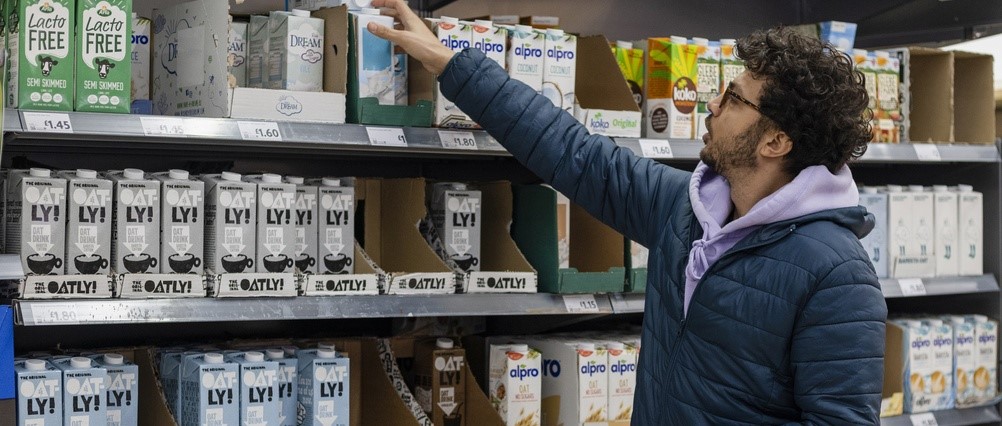
As vendas de leites à base de plantas, como aveia, soja, amêndoa e coco, aumentaram dramaticamente nos últimos anos. Cerca de 1 em cada 3 britânicos consome leites sem laticínios, transformando-se em um mercado de 400 milhões de libras por ano no Reino Unido. Mas, com muitos desses drinks classificados como ultraprocessados, eles são realmente bons para nós?
por Lydia Smith
Sobre o autorVer biografia completa

Dra. Carrie Ruxton, PhD, Nutrição Infantil
Nutricionista e Escritora de Saúde
PhD, Nutrição Infantil
A Dra. Carrie Ruxton se formou como Dietista na Queen Margaret University, em Edimburgo, antes de obter um PhD em Nutrição Infantil.
Sobre o revisorVer biografia completa

Dra. Sarah Jarvis
Consultora Clínica
MA (Cantab), BM, BCh (Oxon), DRCOG, FRCGP, MBE
Após se formar em medicina em Cambridge e Oxford, a Dra. Sarah Jarvis MBE tornou-se médica de clínica geral.
Histórico do artigo
As informações nesta página são revisadas por pares por clínicos qualificados.
Artigo também disponível em Inglês, Alemão, Espanhol, Francês, Italiano, Português, Hindi, Hebraico, Árabe, e Sueco.
6 Fev 2018 | Última versão

Pergunte, compartilhe, conecte-se.
Navegue por discussões, faça perguntas e compartilhe experiências em centenas de tópicos de saúde.

Sentindo-se mal?
Avalie seus sintomas online gratuitamente
Inscreva-se no boletim informativo do Patient
Sua dose semanal de conselhos de saúde claros e confiáveis - escritos para ajudá-lo a se sentir informado, confiante e no controle.
Ao se inscrever, você aceita nossos Política de Privacidade. Você pode cancelar a inscrição a qualquer momento. Nunca vendemos seus dados.
Mais sobre dieta e nutrição
- 10 fontes de proteína vegetal para a saúde óssea
- 5 guloseimas saudáveis para o Halloween
- 5 refeições vegetarianas ricas em proteínas para manter sua força
- 7 ideias fáceis e deliciosas de café da manhã keto
- Os sucos detox são bons para você?
- Alimentos para o cérebro: o que comer, quando comer, receitas
- Comer comida apimentada ajuda a perder peso?
- Alimente-se para um coração saudável: ideias de receitas saborosas para cada refeição
- Dieta para fígado gorduroso: alimentos para comer e evitar
- Sementes de linhaça: uma arma secreta para a saúde das mulheres?
- Quanto de carne devemos comer?
- Como manter seu filho comendo de forma saudável no ensino secundário
- Seu filho está consumindo açúcar demais?
- Dieta Mounjaro: Alimentos para comer e evitar
- Dieta pescatariana: prós, contras e o que você pode comer
- Tamanho importa: por que nossas porções exageradas estão contribuindo para a crise de obesidade
- A ligação entre a saúde intestinal e a felicidade
- O que são probióticos?
- O que acontece com seu corpo quando você se torna vegano?
- O que é a dieta nórdica?