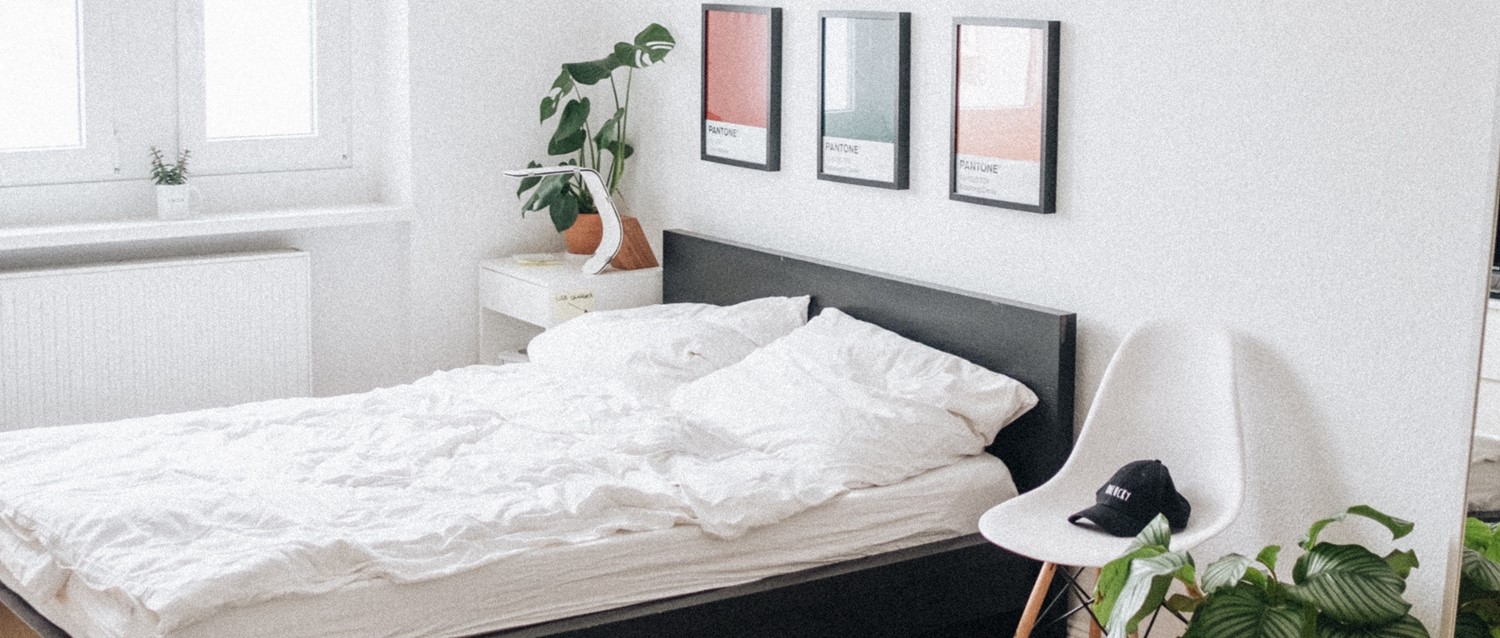
COVID-19: how does the coronavirus pandemic affect your sleep?
Peer reviewed by Dr Sarah JarvisAuthored by Lydia SmithOriginally published 29 Apr 2020
Meets Patient’s editorial guidelines
- DownloadDownload
- Share
- Language
- Discussion
- Audio Version
- Add to preferred sources on Google
The coronavirus pandemic has turned the world upside down and affected all aspects of our lives, including our health, livelihoods and much more. With the UK under COVID-19 lockdown and the public instructed to stay at home, many of us are feeling isolated and anxious - and it is affecting our sleep.
Use Patient's coronavirus checker tool if you have any symptoms of fever or a new cough. Until you have used the tool and been advised what action to take, please stay at home and avoid contact with other people.
Since COVID-19 began to spread around the world, I've felt a sense of uneasiness. I've been unable to see my family and friends and I'm worried about the physical and mental health of vulnerable loved ones. With so many businesses struggling financially, I'm also anxious about what the future holds work-wise.
Like so many others, this anxiety has begun to impact my sleep. It takes me longer to fall asleep and I wake up through the night and struggle to drop off again. More often than not, I experience intense dreams and nightmares which leave me tired and even more stressed the next day.
So why is the coronavirus pandemic affecting our sleep?
Coronavirus and sleep problems
"There is a global sense of anxiety at this time. When turning on the news or talking with neighbours, friends and family, it is hard to escape the overall state of the planet right now, whether you are feeling the effects or not," says expert sleep physiologist Stephanie Romiszewski, director at the Sleepyhead Clinic.
"We are asked to stay in our homes so we don't maintain our usual routines which might include increasing or decreasing work, activities, and time away or with our loved ones. We get less exercise and light exposure - two very important regulators of sleep."
Anxiety in a generalised sense creates what we will refer to as arousal, or excitement or alertness. Arousal is triggered by the 'fight or flight' response, which releases the stress hormones cortisol and adrenaline and prevents you from falling asleep. Research shows anxiety and stress release similar hormones too.
"A degree of stress is actually a good thing," says Dr Neil Stanley, resident sleep expert at Sleepstation. "It is our early warning against threats. However, too much anxiety puts our brains into a high state of alertness."
Anxiety and insomnia work in a frustratingly cyclical way too. When we can’t sleep, it can generate more anxiety as we worry about getting things done the next day.
"For many people, their days are structured around societally defined events," Stanley says. "They get up at a time that allows them sufficient time to get to work, they eat their lunch at 'lunchtime' and go to sleep at a routine time after they have done everything. A lack of or considerable variation in their routine can cause difficulties sleeping."
Why do we experience nightmares when we are stressed?
With the constant barrage of bad news surrounding the coronavirus pandemic, it's no wonder many people are struggling to sleep well at night. The quiet solitude of night can provide the perfect environment to ruminate over our fears. But why do we experience bad dreams when we finally do drop off?
"We all dream. The reason we remember them sometimes is because the state of sleep we usually dream in - our REM sleep, a very light, different stage from deep sleep - is interrupted somehow," Romiszewski says. "Part of the reason people are remembering their dreams more now, is because their sleep is more disrupted." This might be because of noise, caffeine, stress or another variable.
"The content of our dreams is a little more complex to break down. Indeed any stress and anxiety if not dealt with during the day is going to have an impact on your sleep. What happens to you during the day can certainly play out in your dreams," Romiszewski explains.
"Whether that's the global overall feeling of anxiety affecting you, a direct link to what you watched on TV before you went to bed, or the change in your routine due to isolation, all of these could change the content of your dreams."
However, it's important to understand that this is normal during a period of high stress.
How to improve your sleep quality
Everyone will have an occasional bad night, but regular poor sleep puts you at risk of certain medical conditions such as obesity and it can have a negative impact on your mental health. So how can you improve the quality of your sleep?
Stick to a routine
"Wake up and get up at the same time each day - no snoozing," Romiszewski says. "Get light straightaway - natural if possible but artificial will do, and move and eat. This combination of behaviours will not only eventually lead to feeling super refreshed on waking, but also will do wonders for your sleep at night."
Get up if you need to
Get out of bed instead of lying there unable to sleep, whether at the beginning, middle or end of the night.
"The simple reality is that lying in bed willing yourself back to sleep won't work, but relaxing wake time will increase your sleep drive which will help you sleep," Romiszewski says. "So go away and distract yourself from sleep, but be mindful that you need to stay in your 'relax/wind down' activity phase."
Try not to nap during the day if you aren't used to doing it. "It will only dilute the quality of your sleep at night, and get your brain into new habits which will be hard to break," she adds.
Turn off the news
"Don't watch the late news, and avoid talking about stressful things close to bedtime," Stanley says. "If you are worried about things, try to distract your mind by thinking about something pleasant, although not emotionally engaging."
Relax properly
Relaxation doesn't lead to sleep unless you are doing the above steps to regulate sleep and build up sleepiness at the right times, Romiszewski says. Certain activities may help you relax, such as listening to a relaxing audio, and trying meditation or breathing exercises, but this doesn't mean you will sleep.
"When you are increasingly anxious or panicked, don't focus on sleep - focus on reducing the anxiety," she says. "Ground yourself. Plant those feet firmly on the floor. Pick five things in your room. Describe function, appearance, smell, texture. Repeat. Remind your brain you are safe. Calm that heart rate and temperature down."
Don't pressure yourself
"If you don't sleep - it's OK. Nothing bad will happen. Rest is just as important right now. Remind yourself that you are doing really well and don't let anyone tell you different," Romiszewski adds.
Make lifestyle changes
It's also important to maintain a routine of eating three meals a day and not just snacking throughout the day. "Avoid eating too late at night and avoid the excessive consumption of alcohol and caffeine," Stanley says.
You should also try to avoid looking at your phone screen, laptop or TV as the light emitted can impact your sleep quality.
Don't be fooled by alcohol
You may think that if alcohol helps you get to sleep, it's a useful tool against insomnia. But, says Dr Sarah Jarvis, GP and Clinical Director of Patient.info, it's the enemy of restful sleep. "Alcohol can make you sleepy, but you're likely to spend more time in deep sleep as a result. Counter-intuitively, that's not what you want - it the restorative rapid eye movement (REM) stage of sleep which helps you feel most rested when you wake.
Alcohol particularly affects your 'sleep architecture' early in the night, leading to disrupted sleep later in the night. In addition, alcohol has a diuretic effect, meaning you're more likely to wake early needing the bathroom, and then struggle to get back to sleep.
What's more, if you drink regularly, any effect of alcohol on your sleepiness levels wears off quickly."
Get professional help
If you have persistent sleep problems, it might be worth accessing professional help. Your GP may be able to find out what is causing your sleeping problems, so you can access the right treatment. They may be able to refer you to a therapist for cognitive behavioural therapy, which can help you change the thoughts and behaviours that prevent you from falling asleep.
Alternatively, you can access counselling privately and from anywhere in the UK with video counselling sessions via Patient Access.
Sleeping pills are not commonly prescribed unless nothing else has worked, as they can have serious side effects and lead to dependency. They may be prescribed for short periods of time, however, to help you get into a routine of sleeping. Speak with your doctor before taking sleeping pills.
Patient picks for Pandemic articles
COVID-19
How to meet friends and family safely outdoors
Across the UK, lockdowns are easing and we're allowed to see friends and family outside (and indoors too if you live in England or Scotland). But that doesn't mean the risk of spreading COVID-19 has vanished; you still need to take precautions to keep yourself and your loved ones safe.
by Andrea Downey

COVID-19
COVID-19 coronavirus: when will we have a vaccine?
Medical experts around the world are working around the clock to develop a vaccine for COVID-19 as it continues to spread around the globe. But how are vaccines made and when are we likely to have one for coronavirus?
by Andrea Downey
About the authorView full bio
Authored by

Lydia Smith
Feature writer
BA, MA, MSc
Lydia Smith is an award-winning journalist and feature writer who has written extensively on women's health and mental health. She is currently studying for an MSc in psychology.
About the reviewerView full bio

Dr Sarah Jarvis
Clinical Consultant
MA (Cantab), BM, BCh (Oxon), DRCOG, FRCGP, MBE
After training in medicine at Cambridge and Oxford, Dr Sarah Jarvis MBE became a GP.
Article history
Article also available in English, German, Spanish, French, Italian, Portuguese, Hindi, Hebrew, Arabic, and Swedish.
29 Apr 2020 | Originally published
Authored by:
Lydia SmithPeer reviewed by
Dr Sarah Jarvis
Join the conversation
Share your thoughts or experiences with others in our patient communities.

Ask, share, connect.
Browse discussions, ask questions, and share experiences across hundreds of health topics.

Feeling unwell?
Assess your symptoms online for free
Sign up to the Patient newsletter
Your weekly dose of clear, trustworthy health advice - written to help you feel informed, confident and in control.
By subscribing you accept our Privacy Policy. You can unsubscribe at any time. We never sell your data.