
Precisaremos de uma vacina de reforço contra a COVID-19 todos os anos?
Revisado por Dr Krishna Vakharia, MRCGPÚltima atualização por Lydia SmithÚltima atualização 23 Out 2023
Atende aos diretrizes editoriais
- BaixarBaixar
- Compartilhar
- Language
- Discussão
- Ask Patient
- Versão em Áudio
- Adicionar às fontes preferidas no Google
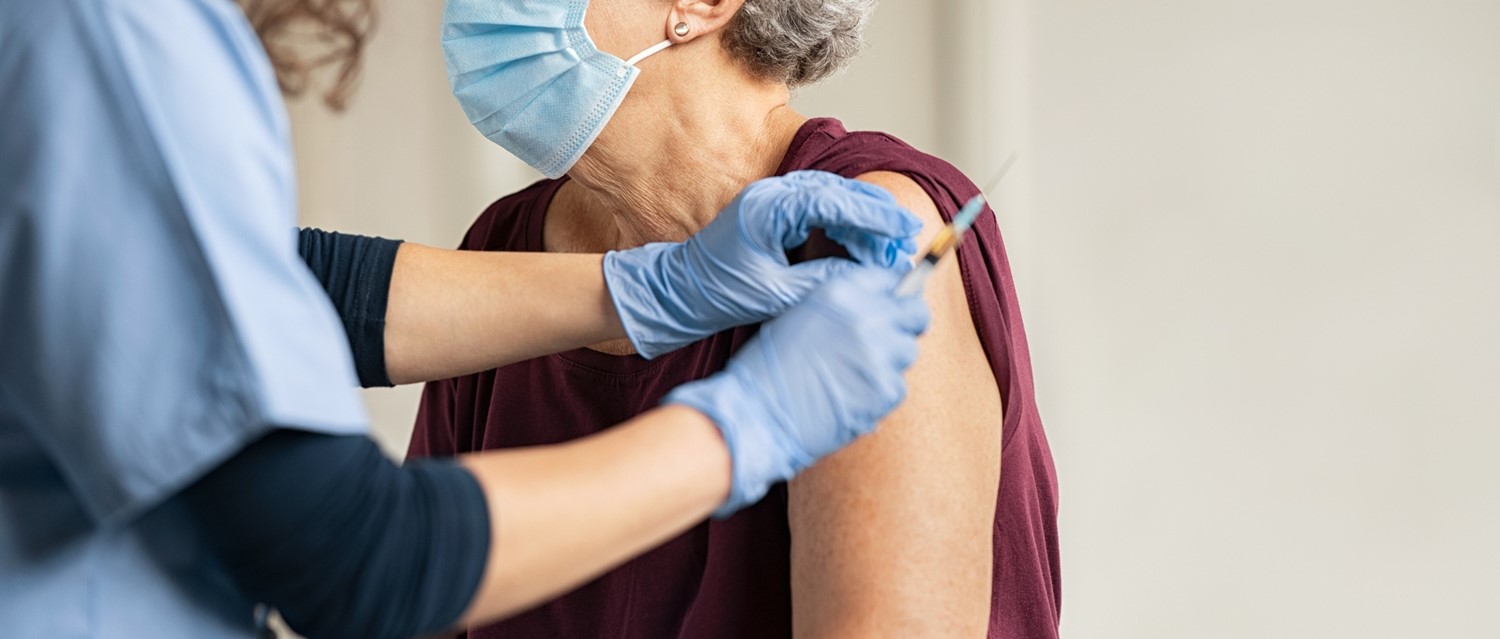
COVID-19 booster vaccines are essential, giving you longer-term protection against getting seriously ill from the disease. And with cases of infection and hospital admissions on the rise in the UK, those who are eligible for the vaccine are being urged to have their top-up jab. But will we always need periodic boosting against COVID-19, like we do against the flu?
Escolhas de vídeos para Vacinação, testes e tratamentoBiblioteca de vídeos
Why we need COVID-19 booster vaccines
William Schaffner, a professor of preventative medicine at Vanderbilt University, explains that booster vaccines stimulate the sistema imunológico to raise antibody levels. "Higher antibody levels generally are associated with a longer length of protection against serious disease as well as some enhanced protection against variants," he says.
Researchers are always trying to develop new and improved vaccines in the fight against COVID-19, with new competitors joining the mix. As well as the Pfizer and Moderna vaccines, a jab by Sanofi was approved for use in the UK in 20221. In the US, a vaccine by the company Novovax was authorised by the Government's Food and Drug Association2.
However, only time will tell if we need a jab every year to protect against COVID-19.
Rodney E. Rohde, a professor of clinical laboratory science and an infectious disease specialist at Texas State University. "At present, with the evolving timeline with SARS-CoV-2, we don't know for sure if we will need annual vacinação for COVID-19 infections as we do for flu (influenza). There are so many unknown variables at the moment."
COVID-19 mutations
There are several reasons why we may need to get a COVID-19 booster vaccine every year.
"The SARS-CoV-2 virus is probably a zoonotic virus - that can be transmitted from animals to humans - and we have evidence of it in a variety of animals," explains Rohde.
"That means it will have an ongoing reservoir to maintain itself alongside ongoing mutation. The CoV family has ribonucleic acid RNA as its genetic material - and many RNA viruses have the unfortunate ability to mutate quickly."
Several vaccines, being commonly used, need boosters. "For example, to maintain protection against tétano, a booster vaccination is recommended every ten years," says Rohde. "Influenza vaccination is required annually because the virus changes frequently."
With COVID-19, Schaffner explains, two things need to be known. "First, the length of protection given by our current boosters. And secondly, whether the COVID-19 virus will mutate enough to stop protection from the available vaccines."
Researchers do not yet know whether the strains of the virus will be able to outsmart our current vaccines, so that even vaccinated people become seriously ill with COVID-19. "Testing is ongoing, but there are early signs that the Omicron variant and subsequent strains may be able to lessen the protection of our current vaccines," Schaffner says.
Ultimately, we will know more as experts monitor people who have been vaccinated and received boosters.
Will the current vaccines work against new strains of COVID-19?
So far, we know that the COVID-19 virus is able to mutate pretty quickly. For example, the latest strain in the UK - Pirola - is a heavily mutated version of the virus and early evidence suggests it has a higher reinfection risk. However, scientists say the vaccines we currently have are capable of protecting us from the serious illness caused by Pirola. Although you might become infected, if you're vaccinated, you're far less likely to end up in hospital with serious complications caused by the virus.
Another key issue is that we need to make sure people have their boosters when offered them - and to ensure that everyone around the world is able to get a jab.
"We must follow the science in real time to answer these questions in the best way" says Rohde. "We also need not only higher acceptance of vaccines and boosters, but also vaccine equity for global protection. Without vaccine equity, we will have major pockets of unprotected populations which allows ongoing virus mutations."
Who can get a COVID-19 booster vaccine?
Those most at risk can have a COVID-19 booster vaccination for free on the NHS. All adults aged 65 years and over are being offered the vaccine automatically.
As of September 2023 you can only get the COVID-19 vaccine from the NHS if you meet certain criteria.
The following groups can have a booster vaccination this autumn:
Residents in care homes for older adults.
Adults aged 65 years and over.
People aged 6 months to 64 years in a clinical risk group.
Frontline health and social care workers.
People aged 12 to 64 who are household contacts of people with weakened immune systems.
People aged 16 to 64 who are carers and staff working in care homes for older adults.
Mulheres grávidas.
Leitura adicional
COVID-19
Escolhas do paciente para Vacinação, testes e tratamento

COVID-19
COVID-19: posso fazer o teste para coronavírus?
Right from the beginning of the coronavirus outbreak, testing has been front and centre of many countries' responses to the pandemic. As cases of COVID-19 increase, the UK government plans to offer new tests to patients and healthcare workers across the country.
por Milly Evans
COVID-19
Quando vou receber minha vacina contra a COVID-19?
Com a notícia de que a vacina contra a COVID-19 foi oferecida aos 4 principais grupos prioritários do governo no Reino Unido, a perspectiva de vacinação disponível para todos está se tornando mais real. Aqui exploramos quais grupos receberam a oferta de vacinação, por que foram priorizados e quem vem a seguir.
por Dra. Sarah Jarvis
Sobre o autorVer biografia completa
Atualizado por

Lydia Smith
Redatora de reportagens
BA, MA, MSc
Lydia Smith é uma jornalista premiada e escritora de reportagens que escreveu extensivamente sobre saúde da mulher e saúde mental. Atualmente, ela está cursando um mestrado em psicologia.
Autoria de
Lydia Smith
Redatora de reportagens
BA, MA, MSc
Lydia Smith é uma jornalista premiada e escritora de reportagens que escreveu extensivamente sobre saúde da mulher e saúde mental. Atualmente, ela está cursando um mestrado em psicologia.
Sobre o revisorVer biografia completa

Dr Krishna Vakharia, MRCGP
Diretor Médico de Saúde, Optum UK
MBChB, MRCGP(2013), BMedSci (hons), DFSRH, DRCOG, PGDipDerm (Distn)
Dr. Krishna Vakharia é uma médica de clínica geral do NHS. Ela também é examinadora regular do Diploma de Pós-Graduação em Dermatologia Prática na Universidade de Cardiff, além de ser a Diretora Médica de Saúde na Optum UK.
Histórico do artigo
Artigo também disponível em Inglês, Alemão, Espanhol, Francês, Italiano, Português, Hindi, Hebraico, Árabe, e Sueco.
Next review due: 23 Oct 2026
23 Out 2023 | Última versão
7 Dez 2021 | Publicado originalmente
Escrito por:
Lydia Smith
Compartilhe seus pensamentos ou experiências com outros em nosso comunidades de pacientes.
Inscreva-se no boletim informativo do Patient
Sua dose semanal de conselhos de saúde claros e confiáveis - escritos para ajudá-lo a se sentir informado, confiante e no controle.
Ao se inscrever, você aceita nossos Política de Privacidade. Você pode cancelar a inscrição a qualquer momento. Nunca vendemos seus dados.