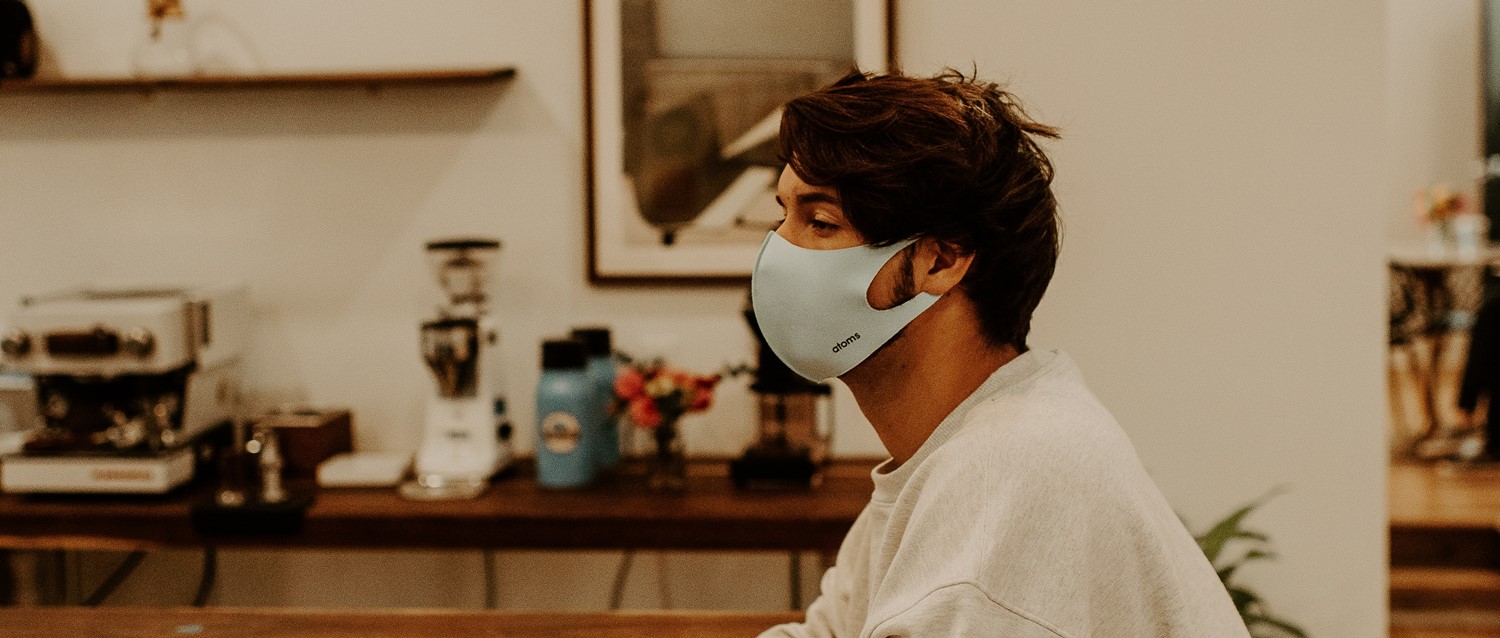
Why it's normal to feel anxious about a post-COVID future
Peer reviewed by Dr Sarah JarvisAuthored by Lydia SmithOriginally published 9 Apr 2021
Meets Patient’s editorial guidelines
- DownloadDownload
- Share
- Language
- Discussion
- Audio Version
- Add to preferred sources on Google
As lockdown restrictions start to ease across the UK, mental health experts are noticing an emerging phenomenon - anxiety about life after coronavirus. So what will life look like after the COVID-19 pandemic and how can you prepare?
When the first lockdown was announced last March, I felt a knot form in my stomach. I worried about the health of loved ones, our jobs and how long restrictions would be in place. However, life went on relatively normally. I already worked from home, so I continued to do so. I picked up more work wherever possible to cover my partner's income loss, as his business in the music industry wasn't able to operate.
Like many others, I worked, ran, baked and drank to distract myself. For the first few months, I felt OK - believing, perhaps naively - that we might be able to pull ourselves out of this mess by 2021. But as we neared the end of the year, it was clear that this wouldn't be the case.
The rollout of vaccines has brought hope, but the crisis is far from over and in many ways, normality feels further away than it did before. In the last few months, I've begun to feel more anxious about the future and what life will be life post-COVID.
Although I desperately miss friends and family, the thought of doing activities I once considered normal - like going to gigs and post-work drinks - makes me feel nervous. Seeing local businesses struggling without adequate support, I worry about the instability of work, our livelihoods and the impact on our long-term well-being.
Why it's normal to feel anxious about the future
It will come as no surprise that anxiety, depression, stress, low mood and other problems have soared as a result of the pandemic. Unemployment or income loss, as well as the closure of schools and nurseries and the change in working conditions, has led to an increase in stress and psychological issues.
We're lonely, socially isolated and missing our loved ones. Yet while we're desperate for some sort of normality to resume, lots of people are still anxious about a post-COVID future.
"It is natural to feel anxious about a post-COVID future," says psychologist and well-being consultant Lee Chambers. "Over the course of the past 12 months, there has been significant change to adapt and acclimatise to.
"At this point, even envisioning a future after the pandemic has passed, we are unsure of exactly what that life will be like, and we don't know when it will be," he explains. "Without a clear future anchor and the ability to create a longer-term plan, we lack the ability to prepare, and the constantly changing rules lower our tolerance to uncertainty."
How has the pandemic changed our lives?
Over the last year, we've developed new routines which will change once again after the lockdowns are fully lifted. Change isn't always easy to navigate, as the familiarity of routine, and ability to plan and prepare and set our expectations, can be affected.
"Lockdown directly affects our autonomy and the patterns of life that allow us to feel more in control," says Chambers. "Change and the unexpected can often be seen as a threat, and while change brings a chance to grow, it is difficult to see that if we don't have clarity on the future."
The pandemic has also transformed our lives significantly. People have lost loved ones and jobs, and have gone through profound personal changes too.
"After so long in lockdown, many have developed new routines, and new ways of being, and have even gone through changes of priority and meaning in life. In short, many of us will not be leaving lockdown as the same person we entered it," says Counselling Directory member and psychotherapist Grace Warwick.
"There is a lot of talk about 'rebuilding', a sense that we now need to push forward with plentiful energy and focus. This is occurring while many are struggling to cope with the daily emotional and physical demands of lockdown," she adds. "Put simply, many do not feel ready to leap energetically into an unknown world. What many crave right now is an increased sense of safety, certainty and a huge post-lockdown rest - and that craving is perfectly healthy."
How to cope with anxiety
Go slow
Transitioning to a new way of life isn't a simple process and it can take time to adjust to the idea of seeing people and going to public places again. Take small steps and don't rush into doing things if you aren't feeling up to it.
"We cannot ignore the psychological impact of the messaging that we have been exposed to over the past year. That message is that social activities are not safe," Warwick says. "We need to acknowledge that these messages are anchored quite deeply in our minds now and that it will take time to build confidence again.
"Even those who are desperate to gather with friends and loved ones will be affected by the 'it's not safe' message. As and when the world becomes safer, it is important to keep up to date with new information, to have compassion for ourselves and to take things at a pace that is comfortable for us rather than being swept along by other people's timelines."
Be compassionate with yourself
As we adjust to yet another big change, it's more important than ever to look after ourselves and take note of how we are feeling. Taking time for yourself, staying active, eating well and being mindful are important during another period of upheaval.
"Due to the prolonged restriction in many social activities, there comes with this expectation that as soon as they are available, we should be throwing parties and returning to them as we once did with excitement," says Chambers.
"For many people, there will be anxiety attached. Social distancing, barriers and masks will still be present, environmental cues that remind you of what we have been through. This will certainly trigger a level of health anxiety in some people, and the social anxiety of meeting groups and being in locations full of people will also be a challenge."
Create a routine
Humans are creatures of habit, which is why big changes can be difficult to cope with. Therefore, it's important to try to stick to a routine, even when things are different or uncertain. Even getting up at the same time as normal and having lunch at a certain hour can help make us feel more settled.
Seek help
It's important to speak with a doctor if you are struggling with a mental health problem. You may have a phone consultation to decide the best course of action for you, whether that is medication, counselling, talking therapy or a combination of these. The charity Mind also offers advice and support.
Alternatively, you can refer yourself for NHS counselling through IAPT (Improving Access to Psychological Therapy) using our NHS self-referral directory. Or if you want expert private counselling help, you can use Patient Access to find accredited therapists near you, offering online or face-to-face consultations.
Speak to trusted friends and family about how you're feeling too. Anxiety can feel very isolating, but you won't be the only one feeling worried about the future - and a problem shared really can be a problem halved.
Patient picks for General information

COVID-19
National Day of Reflection: coping with grief after losing a loved one to COVID-19
Since the pandemic began, the number of people in the UK who have died with COVID-19 listed as the cause of death has reached over 185,000. Restrictions on social contact have had a major impact on the bereaved and how they have been allowed to grieve. This year, the National Day of Reflection is honouring those we've lost.
by Emily Jane Bashforth
COVID-19
COVID-19: how to avoid catching viruses at work
As the final COVID-19 restrictions have been lifted in England more people are being encouraged to go back to work. But as more people begin to travel to work and mix in public areas, so the risk of catching viruses increases, whether it's colds, stomach bugs or coronavirus.
by Andrea Downey
About the authorView full bio
Authored by

Lydia Smith
Feature writer
BA, MA, MSc
Lydia Smith is an award-winning journalist and feature writer who has written extensively on women's health and mental health. She is currently studying for an MSc in psychology.
About the reviewerView full bio

Dr Sarah Jarvis
Clinical Consultant
MA (Cantab), BM, BCh (Oxon), DRCOG, FRCGP, MBE
After training in medicine at Cambridge and Oxford, Dr Sarah Jarvis MBE became a GP.
Article history
Article also available in English, German, Spanish, French, Italian, Portuguese, Hindi, Hebrew, Arabic, and Swedish.
9 Apr 2021 | Originally published
Authored by:
Lydia SmithPeer reviewed by
Dr Sarah Jarvis
Join the conversation
Share your thoughts or experiences with others in our patient communities.

Ask, share, connect.
Browse discussions, ask questions, and share experiences across hundreds of health topics.

Feeling unwell?
Assess your symptoms online for free
Sign up to the Patient newsletter
Your weekly dose of clear, trustworthy health advice - written to help you feel informed, confident and in control.
By subscribing you accept our Privacy Policy. You can unsubscribe at any time. We never sell your data.