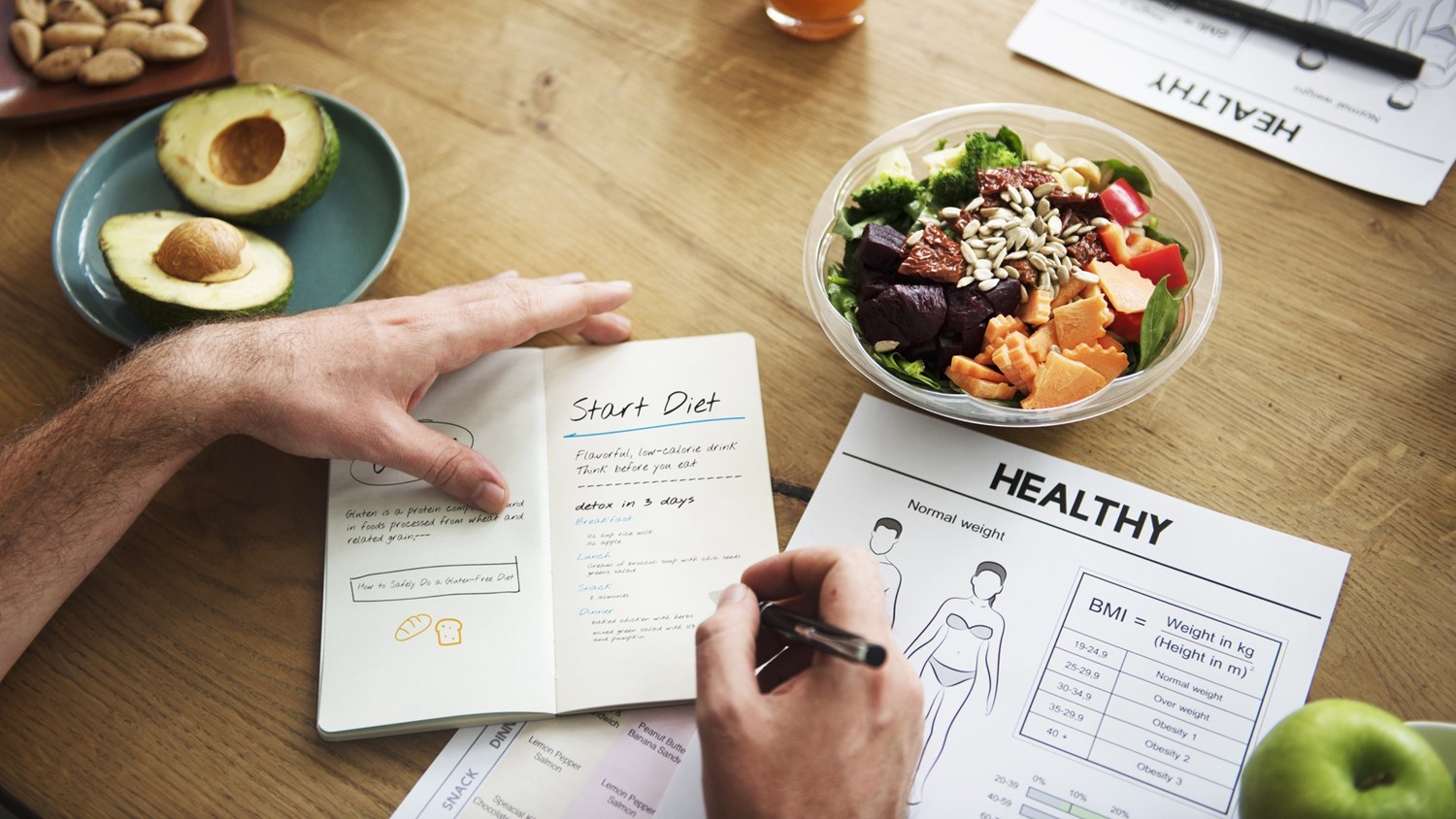
5:2 diet
Peer reviewed by Dr Toni Hazell, FRCGPLast updated by Dr Hayley Willacy, FRCGP Last updated 26 Mar 2023
Meets Patient’s editorial guidelines
- DownloadDownload
- Share
- Language
- Discussion
- Audio Version
- Add to preferred sources on Google
The 5:2 diet is a calorie-restricted diet that involves eating 'normally' for five days out of seven and then 'fasting' on the other two days out of seven. The proposed health effects of the 5:2 diet include weight loss, improvement in life expectancy, protection against certain cancers and protection against dementia. However, the evidence supporting the 5:2 diet is currently limited. More research is needed to look at the long-term risks and benefits.
At a glance
The 5:2 diet involves eating normally for five days and restricting calories on two non-consecutive days.
On fasting days, women eat 500 calories and men eat 600 calories.
Supporters suggest benefits like weight loss, increased life expectancy, and protection against certain diseases.
Evidence for the diet is limited, with studies often short-term or with small numbers of participants.
Possible side effects include sleeplessness, headaches, irritability, and constipation.
Certain groups, such as pregnant women or people with diabetes, should not follow this diet.
Always consult your doctor before starting any new diet, especially if you have a chronic illness.
What is the 5:2 diet?
The 5:2 diet is also known as 'The 5:2 Fast Diet™', or 'The Fast Diet', or 'Intermittent Fasting Diet'. It is based on the underlying principle of eating 'normally' for five days a week (not being particularly conscious of calories and not avoiding certain foods) and then 'fasting' (calorie restriction) on the other two days out of seven.
But 'fasting' does not mean that you eat nothing at all. In the 5:2 diet, it means eating around a quarter of your recommended calorie intake. A woman on the 5:2 diet should eat around 500 calories in total on a fasting day and a man should eat around 600 calories. You can use our calorie calculator to estimate your usual daily calorie needs.
The 500 or 600 calories can be eaten throughout the day as snacks, or as one or two meals. And the two days of fasting do not have to be consecutive - they could, for example, be a Tuesday and a Friday.
You should try not to compensate for the lower calorie intake on the 2 days by overeating on the other 5 days. This will mean you do not lose weight, and may even put weight on. It can be difficult to suddenly only eat 500 or 600 calories, and it might be easier if you gradually lower your calories on those days over a number of weeks.
Supporters of the 5:2 diet
There are a number of people who support and promote the 5:2 diet. They include Michael Mosley who originally trained as a medical doctor and then became a producer and presenter for the BBC.
Mr Mosley famously first followed the 5:2 diet whilst making a BBC Horizon programme in 2012. He has since teamed up with journalist Mimi Spencer and together they have written a book about 'The Fast Diet' and launched a website.
The diet may be popular because of the simplicity; you do not need meal plans or measured portions. In addition there are no foods that are prohibited.
What are the health benefits of the 5:2 diet?
Supporters of the 5:2 diet propose that there are numerous health benefits including:
Weight loss.
Increased life expectancy.
Protection against certain cancers.
Protection against dementia.
The theory is that the fasting days lower the levels of a certain chemical in the body known as insulin-like growth factor 1 (IGF-1). It is thought that high levels of IGF-1 in the body accelerate the ageing process and also make ageing-related diseases such as cancer and type 2 diabetes more likely. Low levels of IGF-1 are thought to have reverse effects.
Supporters of the diet also suggest that because you are only fasting for two days out of seven, this means that there is never a long period when you feel like you are depriving yourself of tasty foods. They argue that this makes you more likely to stick to the diet and therefore have successful weight loss.
Does the 5:2 diet work?
The evidence supporting the 5:2 diet is limited when compared with some of the other types, or ways, of dieting. Most of the research carried out so far has been around fasting on one or more days of the week (intermittent fasting) rather than the 5:2 diet model exactly.
The other problem with much of the research is that studies have not been carried out long-term. They also tend to have involved small numbers of study participants, or have been based on animals rather than on humans.
A wide-ranging review in 2017 showed that the 5:2 diet helped people to lose weight over a six-month period but was no more effective than diets in which energy was restricted every day. A 2021 study followed up participants for a year. Although they lost more weight in the first 6 weeks following the 5:2 diet, by 12 months the weight loss between different methods was equal.
When looking at the more general benefits for cardiometabolic health, it seems intermittent fasting generally improves body composition and lowers risks, particularly for those who are unhealthy and at-risk of cardiac or metabolic problems.
What should I eat on the 5:2 diet?
During the 'fasting' days, calorie intake should be no more than 500 calories for women and 600 for men. The 500 or 600 calories can be eaten throughout the day as snacks, or as one or two meals. It is recommended that good foods to eat on a 'fasting' day are foods high in protein and fibre which tend to fill you up more - so things like fish, meat and vegetables.
Whole-grains are fibre-rich. They include whole wheat bread and pasta, brown rice and quinoa.
Green leafy vegetables like kale and spinach and full of vitamins and minerals.
Other high fibre foods include legumes, lentils, oatmeal and beans.
Healthy fats from nuts, seeds, olive oil, avocados and oily fish.
Lean protein includes chicken, turkey, eggs and fish.
Recommended drinks for the fasting days include water, black coffee and herbal teas.
Are there any drawbacks to following the 5:2 diet?
Supporters of the 5:2 diet may experience side-effects including:
Sleeplessness on 'fasting' days.
Irritability.
Reduced concentration.
Drinking plenty of water can help to reduce the chances of most of these side-effects. It should also be noted that eating 'normally' for five days out of seven does not mean that you should not eat healthily and stay physically active.
Who should not follow the 5:2 diet?
There are certain groups of people who should not follow the 5:2 diet or carry out intermittent fasting. They include:
Children and teenagers.
People who have diabetes and who are being treated with insulin.
People who experience a regular drop in their blood sugar levels.
People who are already underweight.
Pregnant or breast-feeding women.
People with a history of eating disorders.
People who are otherwise feeling unwell.
It is recommended that anyone with a chronic illness or anyone taking regular medications (especially the medicine warfarin) should check with their doctor first before starting any kind of diet that involves fasting.
What other options are there to lose weight?
Other types of diet are available - for example:
There are other ways of changing your diet and altering your lifestyle to help you lose weight, such as increasing your physical activity.
You may find other leaflets in this series helpful, including:
Patient picks for Diet and nutrition

Healthy living
Healthy eating
Healthy eating may help to prevent certain long-term (chronic) diseases such as heart disease, stroke and diabetes. It may also help to reduce your risk of developing some cancers and help you to maintain a healthy weight. This leaflet explains the principles of a healthy diet. It is general advice for most people. The advice may be different for certain groups of people, including pregnant women, people with certain health problems or those with special dietary requirements.
by Dr Rachel Hudson, MRCGP

Healthy living
Atkins diet
The Atkins diet is a popular weight loss plan based on eating fewer carbohydrates and more fatty foods - low-carbohydrate:high-fat (LCHF) diet.
by Dr Hayley Willacy, FRCGP
Frequently asked questions
Who are some of the key people behind the 5:2 diet?
The 5:2 diet is notably supported and promoted by Michael Mosley, originally a medical doctor and now a BBC producer and presenter. He first followed the diet for a BBC Horizon programme in 2012. He later collaborated with journalist Mimi Spencer to author a book about 'The Fast Diet' and launched a dedicated website.
What is the scientific theory behind the proposed health benefits of the 5:2 diet?
The theory suggests that fasting days reduce the levels of insulin-like growth factor 1 (IGF-1) in the body. High levels of IGF-1 are thought to speed up the ageing process and increase the risk of age-related diseases like cancer and type 2 diabetes. Lowering IGF-1 levels is believed to have beneficial, reverse effects.
What specifically should I drink on the fasting days of the 5:2 diet?
On fasting days, recommended drinks include water, black coffee, and herbal teas. These beverages help to keep you hydrated without adding calories.
Are there other weight loss diets similar to the 5:2 diet?
While the article primarily focuses on the 5:2 diet, it mentions that other diets are available for weight loss, including the Dukan Diet, Atkins Diet, and the Paleolithic Diet (Paleo Diet). Additionally, lifestyle changes like increasing physical activity are also suggested for weight management.
Further reading and references
- Headland M, Clifton PM, Carter S, et al; Weight-Loss Outcomes: A Systematic Review and Meta-Analysis of Intermittent Energy Restriction Trials Lasting a Minimum of 6 Months. Nutrients. 2016 Jun 8;8(6). pii: nu8060354. doi: 10.3390/nu8060354.
- Hajek P, Przulj D, Pesola F, et al; A randomised controlled trial of the 5:2 diet. PLoS One. 2021 Nov 17;16(11):e0258853. doi: 10.1371/journal.pone.0258853. eCollection 2021.
- Schubel R, Nattenmuller J, Sookthai D, et al; Effects of intermittent and continuous calorie restriction on body weight and metabolism over 50 wk: a randomized controlled trial. Am J Clin Nutr. 2018 Nov 1;108(5):933-945. doi: 10.1093/ajcn/nqy196.
- Dote-Montero M, Sanchez-Delgado G, Ravussin E; Effects of Intermittent Fasting on Cardiometabolic Health: An Energy Metabolism Perspective. Nutrients. 2022 Jan 23;14(3):489. doi: 10.3390/nu14030489.
- Elortegui Pascual P, Rolands MR, Eldridge AL, et al; A meta-analysis comparing the effectiveness of alternate day fasting, the 5:2 diet, and time-restricted eating for weight loss. Obesity (Silver Spring). 2023 Feb;31 Suppl 1:9-21. doi: 10.1002/oby.23568. Epub 2022 Nov 8.
About the authorView full bio
Updated by

Dr Hayley Willacy, FRCGP
General Practitioner, Medical Author
MBChB (1992), DRCOG, DFFP, MRCOG (Part 1) MRCGP (2007), DFSRH (2013), MSc - medical education (2020)
Dr Hayley Willacy was an NHS GP working in northwest England, who retired from clinical practice in 2022 after 30 years.
Authored by

Dr Jacqueline Payne, FRCGP
General Practitioner, Medical Author
MB, BS, DFFP, DRCOG, FRCGP
Jacqueline was a GP in Kendal, Cumbria for 25 years, where she trained young GPs for the RCGP and was an Instructing Doctor for the FSRH.
About the reviewerView full bio

Dr Toni Hazell, FRCGP
MBBS, BSc, FRCGP, DFSRH, Dip GU med, DRCOG, DCH (London, UK, 2000)
Dr. Toni Hazell qualified from St. Mary’s Hospital Medical School and did her VTS at Northwick Park Hospital.
Article history
Article also available in English, German, Spanish, French, Italian, Portuguese, Hindi, Hebrew, Arabic, and Swedish.
Next review due: 7 Feb 2028
26 Mar 2023 | Latest version
24 Nov 2014 | Originally published
Authored by:
Dr Jacqueline Payne, FRCGP
Join the conversation
Share your thoughts or experiences with others in our patient communities.

Ask, share, connect.
Browse discussions, ask questions, and share experiences across hundreds of health topics.

Feeling unwell?
Assess your symptoms online for free
Sign up to the Patient newsletter
Your weekly dose of clear, trustworthy health advice - written to help you feel informed, confident and in control.
By subscribing you accept our Privacy Policy. You can unsubscribe at any time. We never sell your data.