Fumo passivo
Revisado por Profª Cathy Jackson, MRCGPÚltima atualização por Dr Colin Tidy, MRCGPÚltima atualização 29 de maio de 2018
Atende aos diretrizes editoriais
- BaixarBaixar
- Compartilhar
- Language
- Discussão
- Versão em Áudio
- Adicionar às fontes preferidas no Google
Nesta série:FumarBenefícios de parar de fumarComo parar de fumarCigarros eletrônicos são seguros?Terapia de reposição de nicotinaBupropiona para parar de fumar
Aviso sobre o conteúdo
Esta página não foi revisada recentemente, portanto, algumas informações ou links externos podem ter mudado.
Você tem um risco aumentado de câncer de pulmão e doenças cardíacas se estiver exposto ao fumo de outras pessoas por longos períodos.
Em resumo
Passive smoking is breathing in another person's cigarette smoke.
Children exposed to passive smoke have an increased risk of infections, asthma, and cot death.
Adults exposed to passive smoke have an increased risk of lung cancer and heart disease.
Many children wish their parents would stop smoking, especially in the home or car.
Get support to stop smoking
Obtenha aconselhamento especializado em saúde no conforto da sua casa. Faça uma consulta online rápida, disponível 24 horas por dia, 7 dias por semana, e tenha o seu pedido avaliado por um profissional de saúde registado no Reino Unido. Entrega no dia seguinte disponível para tratamentos elegíveis.

If you smoke, one good reason to give up smoking is to benefit those who live and work with you. If you can't give up, you should make every effort to keep cigarette smoke away from other people, ideally by smoking outside.
To read more facts about smoking, see the separate leaflet called Quit Smoking (Smoking Cessation).
Passive smoking risks
Children and babies who live in a home where there is a smoker:
Are more prone to asthma, and ear, nose and chest infections.
Have an increased risk of dying from cot death (sudden infant death syndrome).
Are more likely than average to become smokers themselves when older.
On average, do less well at reading and reasoning skills compared to children in smoke-free homes, even at low levels of smoke exposure.
Are at increased risk of developing chronic obstructive pulmonary disease (COPD) and cancer as adults.
Nicotine and other toxins can seep into clothing, soft furnishing, etc; a child does not have to be in a room or a car, while someone is smoking, to be harmed from the effects of their smoke.
Passive smoking of adults. You have an increased risk of lung cancer and heart disease if you are exposed to other people smoking for long periods of time. For example, the risk of developing lung cancer is increased by about 20-30% in people who are regularly exposed to other people's cigarette smoke. Cigarette smoke is also an irritant and can make asthma and other conditions worse.
Passive smoking in pregnancy
Smoking when you are pregnant can harm your unborn baby. See the separate leaflet called Pregnancy and Smoking for more details.
How much passive smoking is dangerous
The overall health impact of passive smoking is large. Although the health risks from passive smoking are small for the individual in comparison with the health risks from active smoking, the public health consequences of passive smoking are high due to the large numbers of people exposed.
For example, passive smoking by people living with smokers in the UK increases the risk of death from coronary heart disease by 50-60%. It is estimated to cause around 2,700 deaths per year in people aged 20-64, and a further 8,000 deaths per year among people aged 65 or older.
It is estimated that children breathing in other people's cigarette smoke resulted in 300,000 GP visits and 9,500 hospital admissions in 2011 in the UK. Up to five million children are thought to be regularly exposed to second-hand smoke in the home.
The results of a survey on children's views on smoking were published on the Department of Health's website. The survey revealed that children want smoke-free lives.
The survey found that:
98% of children wished their parents would stop smoking.
82% of children wished their parents wouldn't smoke in front of them at home.
78% of children wished their parents wouldn't smoke in front of them in the car.
41% of children said cigarette smoke made them feel ill.
42% of children said cigarette smoke made them cough.
Get support to stop smoking
Obtenha aconselhamento especializado em saúde no conforto da sua casa. Faça uma consulta online rápida, disponível 24 horas por dia, 7 dias por semana, e tenha o seu pedido avaliado por um profissional de saúde registado no Reino Unido. Entrega no dia seguinte disponível para tratamentos elegíveis.
Escolhas do paciente para Fumar
Vida saudável
Calculadora de custo do fumo
Open the smoking cost calculator.
pela equipe de informática do paciente
Vida saudável
Como parar de fumar
Cerca de 2 em cada 3 fumantes querem parar de fumar. Algumas pessoas conseguem parar facilmente. Força de vontade e determinação são os aspectos mais importantes ao parar de fumar. No entanto, a nicotina é uma droga viciante e muitas pessoas acham difícil parar. Ajuda está disponível.
por Dr. Toni Hazell, FRCGP
Perguntas frequentes
What is 'thirdhand smoke'?
Nicotine and other harmful toxins from cigarette smoke can linger in clothing, soft furnishings, and other items. This means that a child can still be exposed to the effects of smoke and be harmed, even if they were not in the room or car while someone was actively smoking.
Does passive smoking only affect lung health?
No, passive smoking affects various aspects of health. For adults, it increases the risk of both lung cancer and heart disease. For children, it can lead to asthma, ear, nose, and chest infections, and in babies, it increases the risk of sudden infant death syndrome. There's also an impact on cognitive development, with children in smoke-free homes performing better at reading and reasoning skills.
How do children feel about their parents smoking?
A survey of children's views showed that 98% wished their parents would stop smoking. The majority (82%) wished their parents wouldn't smoke in front of them at home, and 78% expressed the same wish for smoking in the car. Many children reported physical symptoms, with 41% saying cigarette smoke made them feel ill and 42% stating it made them cough.
Are there any resources available to help someone stop smoking?
Yes, for comprehensive information on how to stop smoking and the various treatments available to assist in quitting, you can refer to the separate leaflet titled 'Quit Smoking (Smoking Cessation)'.
Leitura adicional e referências
- Smoking: harm reduction; NICE Public Health Guidance, June 2013
- Cessação do tabagismo; NICE CKS, October 2012 (UK access only)
- Hughes JR, Stead LF, Hartmann-Boyce J, et al; Antidepressivos para cessação do tabagismo. Cochrane Database Syst Rev. 8 de janeiro de 2014;1:CD000031. doi: 10.1002/14651858.CD000031.pub4.
- Wu J, Sin DD; Melhoria nos resultados dos pacientes com a cessação do tabagismo: quando é tarde demais? Int J Chron Obstruct Pulmon Dis. 2011;6:259-67. doi: 10.2147/COPD.S10771. Epub 2011 May 2.
- Cahill K, Stevens S, Perera R, et al; Intervenções farmacológicas para cessação do tabagismo: uma visão geral e meta-análise em rede. Cochrane Database Syst Rev. 2013 31 de maio;(5):CD009329. doi: 10.1002/14651858.CD009329.pub2.
- Hartmann-Boyce J, McRobbie H, Bullen C, et al; Electronic cigarettes for smoking cessation. Cochrane Database Syst Rev. 2016 Sep 14;9:CD010216.
- Cigarros eletrônicos: uma atualização de evidências; Public Health England, August 2015
- Cahill K, Lindson-Hawley N, Thomas KH, et al; Nicotine receptor partial agonists for smoking cessation. Cochrane Database Syst Rev. 2016 May 9;(5):CD006103. doi: 10.1002/14651858.CD006103.pub7.
- Anthenelli RM, Benowitz NL, West R, et al; Neuropsychiatric safety and efficacy of varenicline, bupropion, and nicotine patch in smokers with and without psychiatric disorders (EAGLES): a double-blind, randomised, placebo-controlled clinical trial. Lancet. 2016 Jun 18;387(10037):2507-20. doi: 10.1016/S0140-6736(16)30272-0. Epub 2016 Apr 22.
- Hackshaw A, Morris JK, Boniface S, et al; Baixo consumo de cigarros e risco de doença coronariana e acidente vascular cerebral: meta-análise de 141 estudos de coorte em 55 relatórios de estudo. BMJ. 24 de janeiro de 2018;360:j5855.
- Reid RD, Pritchard G, Walker K, et al; Gerenciando a cessação do tabagismo. CMAJ. 6 de dezembro de 2016;188(17-18):E484-E492. doi: 10.1503/cmaj.151510. Publicado online em 3 de outubro de 2016.
- Cao S, Yang C, Gan Y, et al; The Health Effects of Passive Smoking: An Overview of Systematic Reviews Based on Observational Epidemiological Evidence. PLoS One. 2015 Oct 6;10(10):e0139907. doi: 10.1371/journal.pone.0139907. eCollection 2015.
Sobre o autorVer biografia completa
Atualizado por

Dr Colin Tidy, MRCGP
Médico Generalista, Autor Médico
MBBS, MRCGP, MRCP (Paediatrics), DCH
Dr Colin Tidy é um médico do NHS, baseado em Oxfordshire.
Sobre o revisorVer biografia completa
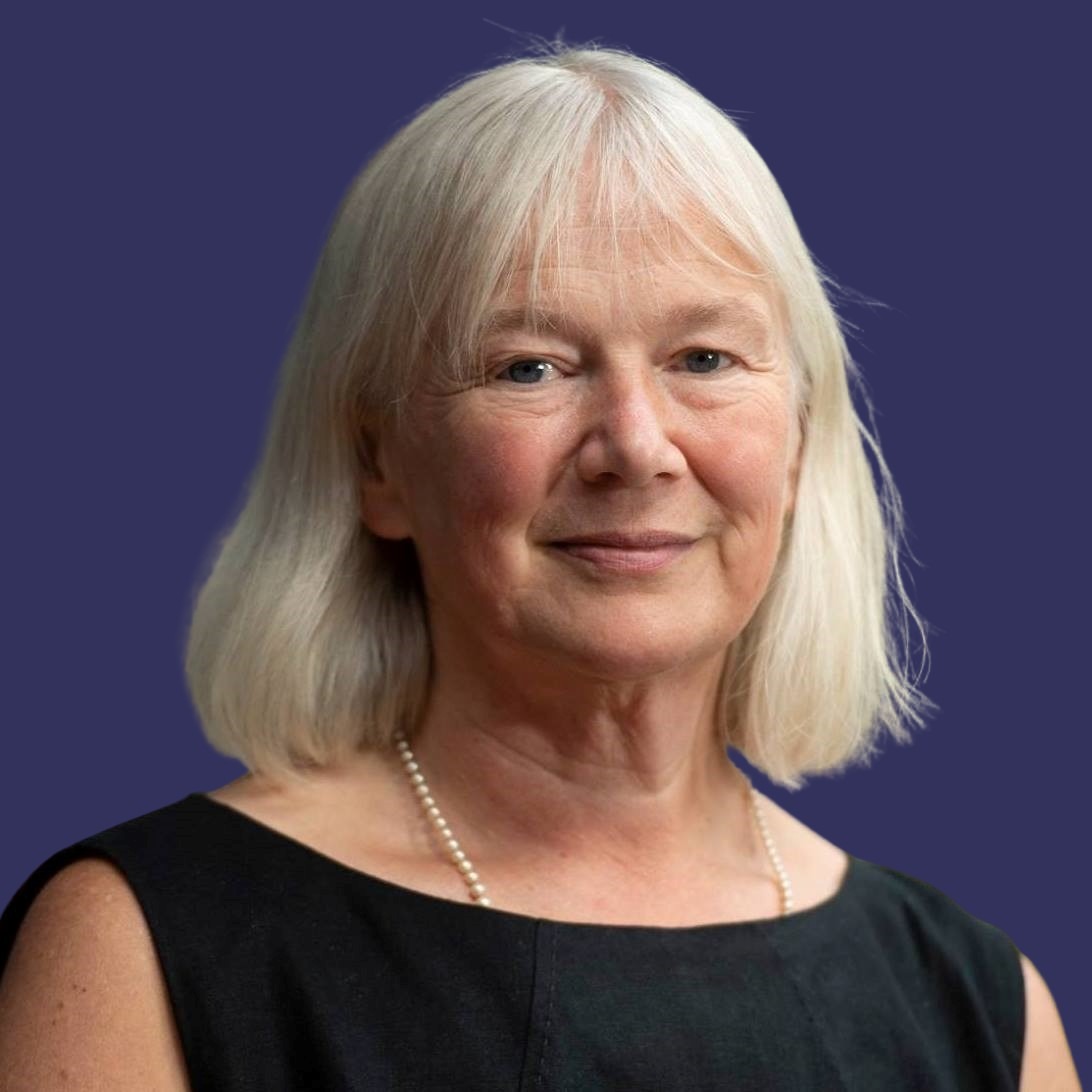
Profª Cathy Jackson, MRCGP
Autor Médico
BSc (Hons) Fisiologia, MB, ChB, MRCGP, MD
A Professora Cathy Jackson formou-se na Manchester Medical School, tendo obtido uma licenciatura com distinção em fisiologia ao longo do percurso.
Participe da conversa
Compartilhe seus pensamentos ou experiências com outros em nosso comunidades de pacientes.

Pergunte, compartilhe, conecte-se.
Navegue por discussões, faça perguntas e compartilhe experiências em centenas de tópicos de saúde.

Sentindo-se mal?
Avalie seus sintomas online gratuitamente
Inscreva-se no boletim informativo do Patient
Sua dose semanal de conselhos de saúde claros e confiáveis - escritos para ajudá-lo a se sentir informado, confiante e no controle.
Ao se inscrever, você aceita nossos Política de Privacidade. Você pode cancelar a inscrição a qualquer momento. Nunca vendemos seus dados.