Are e-cigarettes safe?
Peer reviewed by Dr Adrian Bonsall, MBBSLast updated by Dr Jacqueline Payne, FRCGPLast updated 9 Nov 2017
Meets Patient’s editorial guidelines
- DownloadDownload
- Share
- Language
- Discussion
- Audio Version
- Add to preferred sources on Google
In this series:SmokingBenefits of stopping smokingHow to quit smokingPassive smokingNicotine replacement therapyBupropion for quitting smoking
Content notice
This page hasn’t been reviewed recently, so some information or external links may have changed.
E-cigarettes are devices designed to create the sensation of smoking and usually provide a dose of nicotine, without involving the use of tobacco.
At a glance
E-cigarettes are electronic devices that create a sensation of smoking without using tobacco.
They heat a liquid to produce a vapour, which usually contains nicotine and flavourings.
E-cigarettes are considered a much safer option than tobacco cigarettes for people addicted to nicotine.
They are regulated in the UK to ensure quality and consistency.
The long-term safety of e-cigarettes is not yet known.
You can report any side-effects of e-cigarettes through the Yellow Card Scheme online.
What are e-cigarettes?
E-cigarettes (electronic cigarettes) are devices designed to create the sensation of smoking and usually provide a dose of nicotine, without involving the use of tobacco.
Nicotine:
Is inhaled from tobacco.
Gets into the bloodstream and stimulates the brain.
Most regular smokers are addicted to nicotine.
Most smokers smoke regularly to feel 'normal' and to prevent withdrawal symptoms - this is where e-cigarettes come in. Read more about withdrawal symptoms of nicotine.
E-cigarettes:
Are battery-powered devices designed to look and feel like cigarettes.
They come in various shapes or sizes but basically consist of a reservoir for a liquid that is heated up to form a vapour. Some are disposable whilst others are refillable.
The liquid usually contains nicotine, flavourings and other chemicals.
The liquid comes in all kinds of flavours.
They are considered a safer option to smoking tobacco cigarettes for people addicted to nicotine.
E-cigarettes are also known as 'e-cigs' and 'cigalikes'. They were invented in China in 2003 and have become increasingly popular all over the world. They have a container which acts as a reservoir and is filled with liquid. There is a tiny battery at the bottom. The battery powers a coil which heats up a liquid that produces a vapour. The idea is to suck on the mouthpiece of the device to inhale the vapour. This is then breathed out (exhaled) in what is supposed to look like smoke (although in reality it resembles a cloud of steam). Smoking an e-cigarette is often referred to as 'vaping'.
In addition to those that resemble cigarettes (e-cigalikes) there is an increasing variety of types, including tanks, boxes and atomisers. The main difference is that some (mainly the cigalikes) are disposable whilst others are refillable. More recently, variable-voltage batteries have come on the market which can control the concentration of the vapour.
Liquid refills can be bought separately and come in every conceivable flavour from aniseed to rhubarb and custard. Some people buy non-nicotine liquids, presumably because they just like the taste.
You may also see the term 'dripping' which basically means removing the heating coil from a device and dripping the refill liquid directly on to it. This provides denser vapour clouds which some people feel provide a more intense sensation, particularly at the back of the throat.
Who uses e-cigarettes?
A recent survey found that about 2.8 million adults in Great Britain use e-cigarettes. 1.3 million of these have completely stopped smoking. When they were first launched, there was a concern that young people who had never smoked would experiment with e-cigarettes and then move on to smoking tobacco. This does not seem to have happened. Among the under-18s, whilst experimentation with e-cigarettes is fairly common, regular use is rare. Most e-cigarette users, who use e-cigarettes have previously smoked tobacco.
What are the benefits?
Current evidence suggests that e-cigarettes are 95% safer than tobacco as normal cigarettes contain nicotine. This even applies to pregnant women. The research done so far suggests that they are at least as effective as as other forms of nicotine replacement therapy in helping people stop smoking (smoking cessation). One study suggests that daily use of a tank device is the best option for most people.
E-cigarettes are not intended to be used alongside ordinary cigarettes but are intended to replace them. They are best used as part of a stop smoking programme. In the UK free face-to-face support can be obtained from local NHS advisers. Read more about how to stop smoking.
What are the risks?
E-cigarettes are not risk-free although it can't be repeated often enough that they are much less risky than cigarettes. As well as nicotine, they contain potentially harmful chemicals but at much lower levels than those found in cigarettes.
The short-term risks of e-cigarettes are therefore minimal compared to cigarettes, so if you are currently a smoker you would do well to start using them instead. If you have never been a smoker, it is pointless to take on the risk of using them, however small.
Current advice from the NHS is that, along with other forms of nicotine replacement, e-cigarettes are much less risky in pregnancy than smoking tobacco.
Unlike passive smoking, there is no evidence that the vapour produced by e-cigarettes is dangerous to bystanders.
Because they are relatively new on the market, the long-term safety of e-cigarettes is not yet known. They are being monitored but information will need to be gathered over several years before any conclusions can be reached.
Regulation of e-cigarettes
In the UK e-cigarettes are regulated by the Tobacco and Related Products Regulations 2016. This ensures that the e-cigarettes you buy will have been assessed for quality and consistency and that sufficient information about them is made available to the public. The size of tanks and refills is now also restricted to ensure that people do not use excessive amounts of nicotine.
Since October 2015 it has become illegal for retailers in England and Wales to sell e-cigarettes to people under the age of 18 years or to adults buying them on behalf of people under the age of 18 years.
Are e-cigarettes available on prescription?
Unlike other forms of nicotine replacement, e-cigarettes are not yet available on prescription in the UK. This is because although they are regulated by the Government, none of the products is yet registered with the Medicines and Healthcare products Regulatory Agency (MHRA). Registration with the MHRA for any pharmaceutical product is a long and expensive process and none of the manufacturers has yet considered it worthwhile to go down this route. However, there is talk that the Government may make it easier for e-cigarettes to be registered in the future. If this ever happens, you'll hear about it in the media.
What do I do if I think I've had a side-effect to e-cigarettes?
As mentioned above, e-cigarettes are low-risk in the short term but they are relatively new products which are still being monitored. The manufacturers and the Government rely on reports from members of the public about any safety concerns. This is known as post-marketing surveillance.
Since 20th May 2016 the MHRA has collected safety concerns about e-cigarettes and their refill containers through its Yellow Card Scheme.
You can report any side-effects of e-cigarettes online at the following web address: www.mhra.gov.uk/yellowcard.
Patient picks for Smoking
Healthy living
Smoking cost calculator
Open the smoking cost calculator.
by Patient infomatics team
Healthy living
Smoking
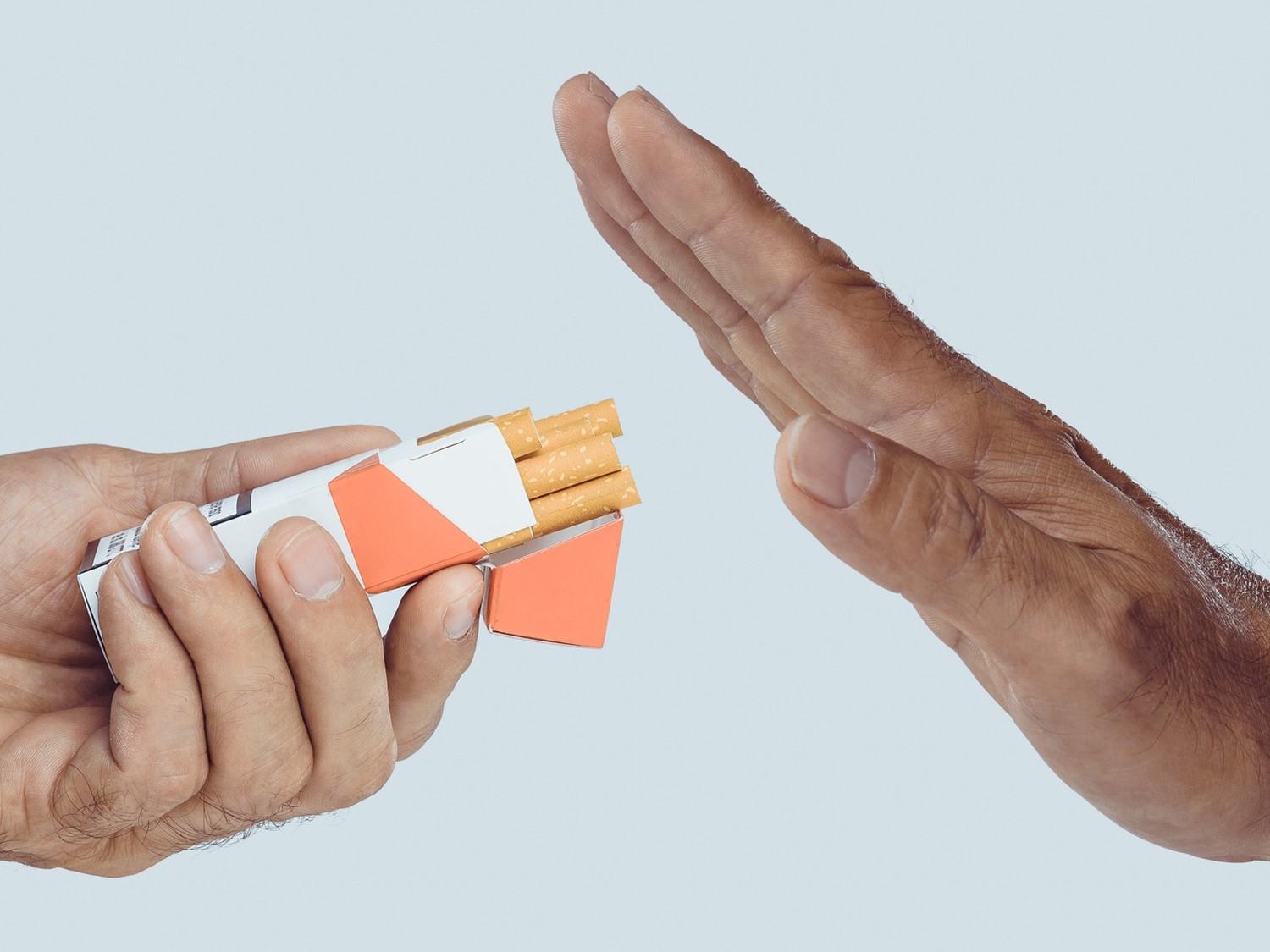
Cigarette smoking is the greatest single cause of illness and premature death in the UK. Worldwide, tobacco kills 7 million people every year. Almost a million deaths are due to non-smokers being exposed to second-hand smoke.
by Dr Hayley Willacy, FRCGP
Frequently asked questions
What is 'dripping' an e-cigarette and why do some people do it?
Dripping is a method where the heating coil is removed from an e-cigarette device, and the refill liquid is applied directly onto it. People who do this often report experiencing denser vapour clouds and a more intense sensation, particularly at the back of the throat.
Are there different types of e-cigarettes besides those that look like traditional cigarettes?
Yes, in addition to e-cigarettes that resemble traditional cigarettes (known as 'cigalikes'), there's a growing variety of types. These include tanks, boxes, and atomisers. A key difference among them is that some, mainly cigalikes, are disposable, while others are designed to be refillable.
Do e-cigarettes always contain nicotine?
No, while e-cigarette liquids usually contain nicotine, flavourings, and other chemicals, it is possible to buy non-nicotine liquids. Some individuals choose these liquids, presumably because they enjoy the taste without the nicotine.
Can I use e-cigarettes if I'm under 18?
No, it is illegal for retailers in England and Wales to sell e-cigarettes to anyone under the age of 18. This also applies to adults buying them on behalf of people who are underage.
What should I do if I experience an unexpected side-effect from using an e-cigarette?
If you believe you have experienced a side-effect from an e-cigarette, you should report it. The Medicines and Healthcare products Regulatory Agency (MHRA) collects safety concerns through its Yellow Card Scheme. You can report any side-effects online at www.mhra.gov.uk/yellowcard.
Further reading and references
- Smoking: harm reduction; NICE Public Health Guidance, June 2013
- Smoking cessation; NICE CKS, October 2012 (UK access only)
- Hughes JR, Stead LF, Hartmann-Boyce J, et al; Antidepressants for smoking cessation. Cochrane Database Syst Rev. 2014 Jan 8;1:CD000031. doi: 10.1002/14651858.CD000031.pub4.
- Wu J, Sin DD; Improved patient outcome with smoking cessation: when is it too late? Int J Chron Obstruct Pulmon Dis. 2011;6:259-67. doi: 10.2147/COPD.S10771. Epub 2011 May 2.
- Cahill K, Stevens S, Perera R, et al; Pharmacological interventions for smoking cessation: an overview and network meta-analysis. Cochrane Database Syst Rev. 2013 May 31;(5):CD009329. doi: 10.1002/14651858.CD009329.pub2.
- Hartmann-Boyce J, McRobbie H, Bullen C, et al; Electronic cigarettes for smoking cessation. Cochrane Database Syst Rev. 2016 Sep 14;9:CD010216.
- E-cigarettes: an evidence update; Public Health England, August 2015
- Cahill K, Lindson-Hawley N, Thomas KH, et al; Nicotine receptor partial agonists for smoking cessation. Cochrane Database Syst Rev. 2016 May 9;(5):CD006103. doi: 10.1002/14651858.CD006103.pub7.
- Anthenelli RM, Benowitz NL, West R, et al; Neuropsychiatric safety and efficacy of varenicline, bupropion, and nicotine patch in smokers with and without psychiatric disorders (EAGLES): a double-blind, randomised, placebo-controlled clinical trial. Lancet. 2016 Jun 18;387(10037):2507-20. doi: 10.1016/S0140-6736(16)30272-0. Epub 2016 Apr 22.
- Hackshaw A, Morris JK, Boniface S, et al; Low cigarette consumption and risk of coronary heart disease and stroke: meta-analysis of 141 cohort studies in 55 study reports. BMJ. 2018 Jan 24;360:j5855.
About the authorView full bio
Updated by

Dr Jacqueline Payne, FRCGP
General Practitioner, Medical Author
MB, BS, DFFP, DRCOG, FRCGP
Jacqueline was a GP in Kendal, Cumbria for 25 years, where she trained young GPs for the RCGP and was an Instructing Doctor for the FSRH.
About the reviewerView full bio

Dr Adrian Bonsall, MBBS
Medical Author
MA (Chemistry), MBBS (Hons), DCH
Since 2000 Adrian has been employed in emergency and critical care paediatrics based in Sydney, with particular interests in toxicology, trauma and resuscitation.
Join the conversation
Share your thoughts or experiences with others in our patient communities.

Ask, share, connect.
Browse discussions, ask questions, and share experiences across hundreds of health topics.

Feeling unwell?
Assess your symptoms online for free
Sign up to the Patient newsletter
Your weekly dose of clear, trustworthy health advice - written to help you feel informed, confident and in control.
By subscribing you accept our Privacy Policy. You can unsubscribe at any time. We never sell your data.