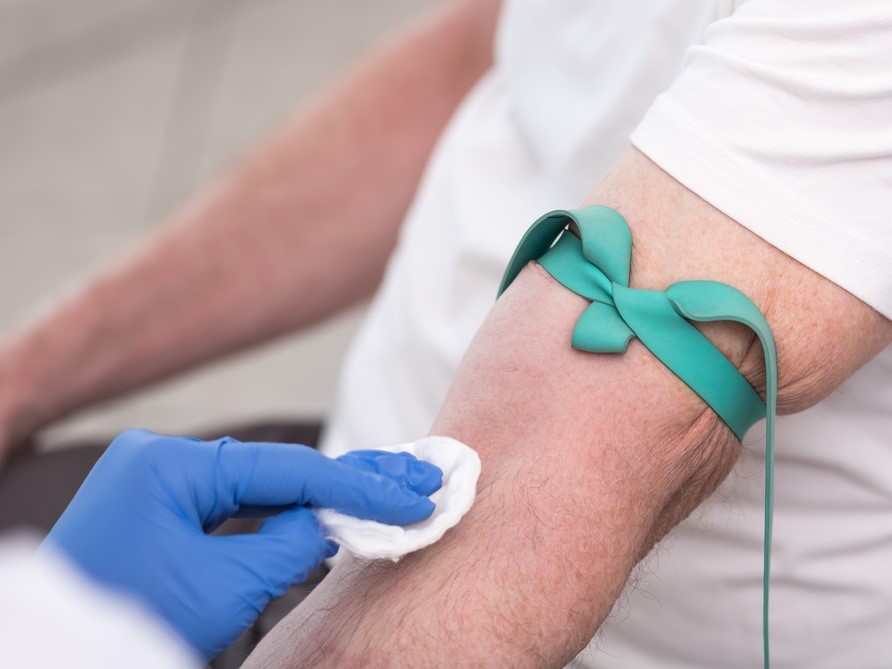
How to look after your liver
Peer reviewed by Dr Krishna Vakharia, MRCGPAuthored by Dr Sarah JarvisOriginally published 3 Nov 2022
Meets Patient’s editorial guidelines
- DownloadDownload
- Share
- Language
- Discussion
- Audio Version
- Add to preferred sources on Google
Your liver is amazing. It helps you digest food, makes proteins that help your blood to clot and removes toxins and waste products from your body. It also helps control cholesterol levels and fight infection. It's constantly at work 'detoxing' your body 24 hours a day - you really don't need fad 'detox' diets! But you do need to know how to look after your liver - show your liver some lifestyle love and it will keep on looking after you.
How to prevent liver cancer
Last year, a survey by the British Liver Trust revealed that half of UK adults are unaware of many of the factors that can increase their risk of liver cancer. Primary liver cancer is cancer that starts in your liver, rather than spreading there from another part of your body. Also known as hepatocellular carcinoma (HCC), it's the fastest growing cause of cancer death in the UK.
Sadly, due to late diagnosis, only 13% of people with the disease will survive for more than five years. In the same survey, almost 9 in 10 people thought the figure was much higher than this.
In the last decade, liver cancer has increased by almost two thirds in the UK. It's becoming more common at all ages and is now the 9th most common cause of cancer death. It's usually linked to cirrhosis - advanced liver disease which leads to permanent scarring of the liver, and sometimes liver failure. Fortunately, 90% of liver disease is preventable - with healthy lifestyle changes and a knowledge of your risks, you can help protect yourself.
Building on this survey, the British Liver Trust has launched a 'Love your liver' campaign. It highlights three key steps you can use to reduce the risk of liver cancer: alcohol, lifestyle and infectious hepatitis.
How does alcohol affect the liver?
Your liver is one of your busiest organs. It produces glucose, amino acids (the building blocks of proteins), hormones and bile, which helps your digestive system break down fats. But that's just a start. It also breaks down hormones we don't need, a variety of waste products and toxins, including alcohol.
Alcohol is a toxin - your liver can cope with so much without damage, and for a while your liver can regenerate if you stop drinking, even if it's been damaged. It's worth pointing out that the same does not apply to some of the other effects of alcohol on your body. For instance, there's no 'safe' limit for drinking where breast cancer is concerned - for every unit of alcohol you drink daily, your risk of breast cancer increases by 7-10% compared to someone who doesn't drink at all.
But back to your liver - depending on how much you drink and for how long, your liver can develop fatty deposits which prevent it from working efficiently. This leads to inflammation (hepatitis) and finally irreversible scarring, called cirrhosis.
How to maintain a healthy liver and drink alcohol
For the sake of your liver as well as many other parts of your body, stick within the recommended limits for alcohol. That's not more than 14 units a week for men and women (a unit is about half a pint of normal strength beer or lager or a single pub measure of spirits. A 'standard' wine bar glass of wine contains about 2.3 units). You should also spread your alcohol intake over the week and have at least a couple - ideally three - alcohol-free days every week. Pregnant women should avoid alcohol completely.
How does diet affect the liver?
If you want to protect your liver, look at your lifestyle. Your liver would love a diet with lower intake of sugar, refined carbohydrates (white bread and white flour products, white pasta, cakes and pastries) and saturated (animal) fat, which can reduce your risk of liver cancer.
How to maintain a healthy liver through your diet
Instead, fill up on veg, fruit, pulses and unrefined (wholegrain and wholemeal) carbs to maintain a healthy liver. In addition, take regular exercise - aim to build up to half an hour a day, five times a week of the sort of exercise that makes you breathe a bit harder and gets your heart pumping.
Viral hepatitis and your liver
Since travel opened up after a long hiatus due to the COVID-19 pandemic, many of us are desperate to get away on a foreign adventure. But in many countries the risk of viral hepatitis is higher than it is in the UK.
Hepatitis A, also known as 'infectious hepatitis', is very easy to catch from eating or drinking contaminated food or drink. It usually doesn't cause long-term problems, but it can make you feel very unwell for up to six months.
Hepatitis B and hepatitis C are caught through sharing bodily fluids - unprotected sex or, in some cases, contaminated blood. Both of these can increase your risk of liver cancer. There's no vaccination available against hepatitis C, although if it's diagnosed in time it can often be cured with treatment. Hepatitis B can't be cured, and over time can increase your risk of cirrhosis and liver cancer. If you are at high risk, speak to your practice nurse about hepatitis B vaccination.
What is fatty liver?
A healthy diet will also help you to keep your weight within recommended limits. Fatty liver used to be caused primarily by alcohol in the UK. However, as our nation's average weight has increased, so has the number of people with non-alcoholic fatty liver disease, (NAFLD) - it's thought as many as 1 in 3-5 people in the UK have NAFLD. Over time, these fatty deposits can make your liver stiff and scarred. This in turn makes it less able to get rid of toxins and can lead to serious health problems.
Some medicines can cause inflammation of the liver. If your doctor advises you to have regular checks, keep your appointment!
Can you inherit liver disease?
Sometimes genetics plays a part. Some liver diseases, including Wilson's disease and haemochromatosis, are inherited.
A tendency to fatty liver disease can run in families. Type 2 diabetes is also a risk factor for liver disease - although being overweight may be the common link here.
But whatever the cause, maintaining a healthy weight will help protect you against fatty liver and other liver damage. Even more importantly, your liver is remarkably forgiving. By improving your diet, alcohol intake and exercise and cutting your weight if you're overweight, you can often reverse fatty liver, putting it back into tip-top shape.
With thanks to 'My Weekly' magazine where this article was originally published.
Patient picks for Liver and gallbladder
Digestive health
What's autoimmune hepatitis and how does it differ from other forms?
You may have heard of hepatitis, but did you know that this liver condition can be both contagious and non-contagious? There are several causes of hepatitis, and different causes correspond to different types of the disease. Autoimmune hepatitis is an uncommon cause that may lead to serious complications.
by Amberley Davis
Digestive health
Could it be gallstones?
Gallstones are very common: around one in three women and one in six men will get them at some point. However, they don't always cause symptoms - around two in three people who have gallstones don't know they have them. But they are also a common cause of tummy pain. They get more common with age and those who are overweight, smoke, have type 2 diabetes or high cholesterol, take the oral contraceptive pill, or have lost a lot of excess weight in a short amount of time, have an increased risk of gallstones. They can sometimes run in families.
by Dr Sarah Jarvis
About the authorView full bio
Authored by

Dr Sarah Jarvis
Clinical Consultant
MA (Cantab), BM, BCh (Oxon), DRCOG, FRCGP, MBE
After training in medicine at Cambridge and Oxford, Dr Sarah Jarvis MBE became a GP.
About the reviewerView full bio

Dr Krishna Vakharia, MRCGP
Chief Medical Officer for Health, Optum UK
MBChB, MRCGP(2013), BMedSci (hons), DFSRH, DRCOG, PGDipDerm (Distn)
Dr Krishna Vakharia is an NHS GP. She is also a regular examiner for the postgraduate Diploma in Practical Dermatology at Cardiff University as well as being the Chief Medical Officer for health at Optum UK.
Article history
Article also available in English, German, Spanish, French, Italian, Portuguese, Hindi, Hebrew, Arabic, and Swedish.
3 Nov 2022 | Originally published
Authored by:
Dr Sarah JarvisPeer reviewed by
Dr Krishna Vakharia, MRCGP
Join the conversation
Share your thoughts or experiences with others in our patient communities.

Ask, share, connect.
Browse discussions, ask questions, and share experiences across hundreds of health topics.

Feeling unwell?
Assess your symptoms online for free
Sign up to the Patient newsletter
Your weekly dose of clear, trustworthy health advice - written to help you feel informed, confident and in control.
By subscribing you accept our Privacy Policy. You can unsubscribe at any time. We never sell your data.