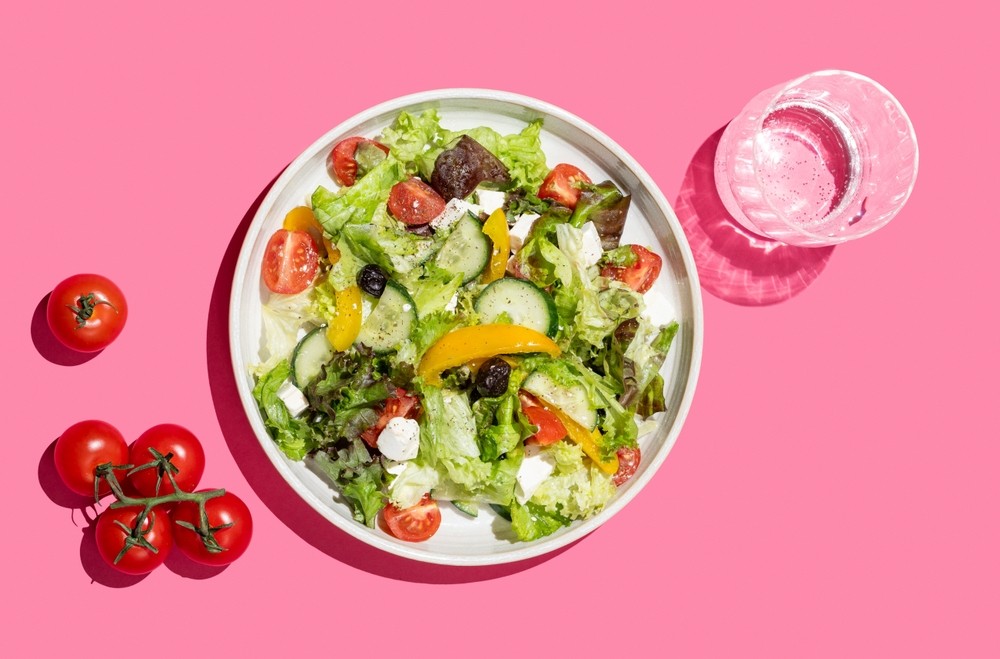
Dieta para cálculos biliares: alimentos para comer e evitar
Revisado por Dr Colin Tidy, MRCGPÚltima atualização por Lynn StephenÚltima atualização 31 Ago 2026
Atende aos diretrizes editoriais
- BaixarBaixar
- Compartilhar
- Language
- Discussão
- Ask Patient
- Versão em Áudio
- Adicionar às fontes preferidas no Google
1 in 3 women and 1 in 6 men will develop gallstones at some point. Gallstones are small stones - usually made up of bile - that form in your gallbladder. Here we share the foods that can prevent gallstones, trigger uncomfortable symptoms, or make them better.
Escolhas de vídeos para Fígado e vesícula biliarBiblioteca de vídeos
O que são cálculos biliares?
Gallstones occur when bile - which is normally fluid - forms stones in your gallbladder. This is the organ that sits beneath your liver. Most commonly, gallstones contain lumps of fatty, cholesterol-like material that has solidified and hardened.
You can have just a few small stones or a great many. Occasionally, just one large stone is formed.
Quão comuns são os cálculos biliares?
About one in three women and one in six men form gallstones at some stage in their lives. Gallstones become more common as you get older.
The chance of gallstones forming increases with:
Gravidez.
Fumar.
Perda rápida de peso.
Ter um parente próximo com cálculos biliares.
Taking certain medicines such as the pílula anticoncepcional.
Consumir uma dieta geralmente não saudável, especialmente uma dieta rica em gorduras.
O papel da vesícula biliar na digestão
The gallbladder plays a part in the digestion of food. It collects and stores bile, then releases the bile into the small intestine when food enters the small intestine from your stomach. This helps with the digestion of food because your gallbladder contains bile salts and other substances which break down fat.
The bile duct, which connects your gallbladder to your small intestine, can become blocked by gallstones.
This may cause symptoms such as:
Dor.
Inchaço.
Feeling and being sick.
The stone may cause a blockage and make it difficult for the bile to be released from your bile duct.
Dieta para cálculos biliares
Alimentos para comer com cálculos biliares
There is no specific gallstones diet, but eating a healthy balanced diet that's very low in fat can help with symptoms.
Isso inclui:
Muito frutas e vegetais - aim to have at least five portions each day.
Plenty of starchy carbohydrates - examples include bread, rice, cereals, pasta, potatoes, chapattis, and plantain. Choose wholegrain varieties where possible.
Some milk and dairy products - 2-3 portions per day. Choose very low-fat dairy products.
Some meat, fish, eggs, and alternatives - such as beans and pulses.
Limited amounts of foods high in fats and sugars - limit saturated fat that is found in animal products, such as butter, ghee, cheese, meat, cakes, biscuits, and pastries. Replace these with unsaturated fats found in non-animal products, such as sunflower, rapeseed and olive oil, avocados, nuts, and seeds. But remember that unsaturated fats can also trigger gallstone pain.
Make sure your diet is high in fibra - this can be found in beans, pulses, fruit and vegetables, oats, and wholegrain products, such as bread, pasta, and rice.
Beba bastante líquido - at least two litres daily, such as water or herbal teas.
Dieta vegetariana para cálculos biliares
Um estudo1 in the UK found that vegetarians tend to consume more fibre and less fat, and have a lower BMI - all factors which are associated with lower rates of gallstone disease. Therefore, it might be expected that vegetarian diets would have a protective effect for gallstone disease. However, this study has shown there is a small but statistically significant positive association between vegetarian diet and symptomatic gallstone disease.
Uma dieta para cálculos biliares vai curar meus sintomas?
Most people with gallstones will have surgery to remove the gallbladder in an operation called a cholecystectomy. However, eating a dieta com baixo teor de gordura is likely to reduce symptoms while you are waiting for the operation. This is because fatty foods stimulate the gallbladder to release bile into the small intestine.
Once you have had the operation there is no need to follow any particular diet, although of course it is always a good idea to eat as healthily as possible.
If you are overweight, attaining a healthy weight will be beneficial. However, it is important to do this gradually, as rapid weight loss has been associated with the development of gallstones. A safe weight loss of 1-2 pounds - 0.5 to 1 kilograms - per week is recommended.
Alimentos a evitar com cálculos biliares
Alimentos ricos em gordura - try not to eat too much fat at one mealtime. It might be helpful to have smaller, more frequent meals.
Individual food triggers - some people find that specific foods are the triggers for symptoms. Keep a food and symptom diary to identify trigger foods. Avoid these foods for a two-week trial period and note any improvements in symptoms.
Reduzindo a gordura
A high-fat diet and fatty foods can sometimes cause discomfort and painful symptoms. They may also cause fatty poos (steatorrhoea), which are oily, pale, and smelly. Steatorrhoea is a sign that fat is not being digested properly.
Here are some ways to cut down on fat in your diet.
Alimentos ricos em gordura | Alternativas com menos gordura |
Manteiga, banha, ghee, óleos, pastas. | Pastas para barrar com menos gordura/ligeiras, sprays de óleo para cozinhar, geleia, mel. |
Leite integral, creme, iogurtes integrais. | Leite desnatado, crème fraîche com metade da gordura, leite evaporado com baixo teor de gordura, iogurte com baixo teor de gordura ou sem gordura. |
Full-fat cheese, such as Cheddar, Brie, and Stilton. | Cottage cheese, light soft cheeses such as quark, reduced-fat Cheddar cheese, or naturally lower-fat cheeses such as mozzarella and ricotta (matchbox-sized portion). |
Snacks, such as cakes, biscuits, pastries, crisps, and nuts. | Bolos de chá torrados, pipoca com baixo teor de gordura, frutas e vegetais, frutas secas, merengues, bolos de arroz. |
Puddings, such as pies, ice cream, and custards. | Gelatina, gelatina sem açúcar, creme de leite com baixo teor de gordura, arroz doce feito com leite desnatado, sorvete, frutas enlatadas ou cozidas, iogurtes com baixo teor de gordura. |
Molhos e temperos, como maionese, molhos cremosos. | Vinaigrettes, mustard, lemon juice, fat-free salad dressings, tomato-based sauces - some can contain oil, salsa, balsamic dressing. |
Carnes e carnes processadas, como salsichas, salame, carne enlatada, bacon, presunto, porco, cordeiro, carne moída, hambúrgueres de carne, tortas de carne, peixe enlatado em óleo. | Frango, peru, presunto magro, carne moída de boi magra ou extra magra, carne moída de peru, carne vermelha com gordura visível removida e peixe branco, como bacalhau, arinca, pollock e peixe enlatado em salmoura ou água. |
Nota: many processed foods that are low in fat can contain high amounts of sugar. Check the labels for high-sugar products and try to keep these to a minimum. A product that is high in sugar contains more than 10 grams of sugar per 100 grams.
Reduced-fat, light and low-fat are not the same thing. If a product is low-fat, this means that the product contains 3 grams or fewer of fat per 100 grams and is actually low in fat. A reduced-fat product does not mean that the product is necessarily low in fat. It means that the product contains 25% less fat than the original product, which is usually a very high-fat product, such as mayonnaise or Cheddar cheese.
Isso é semelhante para produtos 'light', que contêm cerca de um terço a menos de calorias do que o produto original, ou 50% menos gordura. Portanto, mantenha esses produtos ao mínimo ao escolher produtos com gordura reduzida ou mais leves.
Dicas para reduzir a gordura
Adopting some healthy habits can really impact on the amount of fat you consume.
Here are some tips you can use during cooking and food preparation:
Tente evitar alimentos processados e cozinhe do zero sempre que possível. Isso ajudará você a ter controle sobre a quantidade de gordura que entra na sua comida.
Check labels for high-fat products. A product that is high in fat contains 17.5 grams or more of fat per 100 grams. Try to avoid foods with red colour coding on the label for fat. Look for foods that contain less than 3 grams of fat.
Enriqueça as refeições com vegetais e leguminosas. Por exemplo, um molho à bolonhesa pode ser feito com metade da quantidade de carne ao adicionar feijão e cogumelos.
Use spray de óleo ao cozinhar, ou remova o excesso de óleo usando um papel toalha.
Meça o seu óleo ao cozinhar, em vez de despejá-lo. Uma boa medida é cerca de uma colher de chá por pessoa.
Tente usar gordura/óleo na comida apenas quando for absolutamente necessário.
Se você estiver cozinhando carne que está grudando na panela, uma pequena gota de água pode ajudar em vez de adicionar mais óleo.
Make your own dressings using low-fat yoghurt, lemon/lime juice, and herbs.
Remova toda a gordura visível e pele da carne e escolha cortes de carne mais magros.
Remova a gordura da superfície de caçarolas e ensopados.
Try not to fry food. Bake, steam, boil, grill, or roast on a drip tray instead.
How to prevent gallstones
You can also reduce your chance of developing gallstones through what you eat.
Isso inclui:
Consumir proteína vegetal - por exemplo, feijões e leguminosas.
Aumentar a ingestão de fibras.
Comer nozes.
Aumentar o cálcio na dieta.
Aumentando a ingestão de vitamina C.
Beber café.
Consumir uma quantidade moderada de álcool.
Escolhas do paciente para Fígado e vesícula biliar
Dieta e nutrição
Dieta para fígado gorduroso: alimentos para comer e evitar
In this article, we will take a closer look at the foods you should include in your diet, as well as the foods to avoid with fatty liver.
por Josh Alderman
Saúde digestiva
Poderia ser pedras na vesícula?
Gallstones are very common: around one in three women and one in six men will get them at some point. However, they don't always cause symptoms - around two in three people who have gallstones don't know they have them. But they are also a common cause of tummy pain. They get more common with age and those who are overweight, smoke, have type 2 diabetes or high cholesterol, take the oral contraceptive pill, or have lost a lot of excess weight in a short amount of time, have an increased risk of gallstones. They can sometimes run in families.
por Dra. Sarah Jarvis
Sobre o autorVer biografia completa
Atualizado por

Lynn Stephen
Desenvolvedora de Conteúdo
MA (Hons)
Lynn joined Patient in 2023 and her role includes checking all the professional leaflets, patient information leaflets and medicine leaflets, to ensure consistency of spelling, grammar, reference material and brand style, working with the medical authors and clinical director to coordinate the authoring and peer reviewing of the leaflets.
Autoria de

Dr Jan Sambrook, MRCGP
Médico Generalista, Autor Médico
MBChB, MRCGP
O Dr. Jan Sambrook se formou na Universidade de Sheffield em 1992.
Sobre o revisorVer biografia completa

Dr Colin Tidy, MRCGP
Médico Generalista, Autor Médico
MBBS, MRCGP, MRCP (Paediatrics), DCH
Dr Colin Tidy é um médico do NHS, baseado em Oxfordshire.
Histórico do artigo
Artigo também disponível em Inglês, Alemão, Espanhol, Francês, Italiano, Português, Hindi, Hebraico, Árabe, e Sueco.
Next review due: 31 Aug 2029
31 Ago 2026 | Última versão
11 de setembro de 2017 | Publicado originalmente
Escrito por:
Dr Jan Sambrook, MRCGP
Compartilhe seus pensamentos ou experiências com outros em nosso comunidades de pacientes.
Inscreva-se no boletim informativo do Patient
Sua dose semanal de conselhos de saúde claros e confiáveis - escritos para ajudá-lo a se sentir informado, confiante e no controle.
Ao se inscrever, você aceita nossos Política de Privacidade. Você pode cancelar a inscrição a qualquer momento. Nunca vendemos seus dados.