Bad posture: how to defeat the 'COVID slump'
Peer reviewed by Dr Sarah JarvisAuthored by Amberley DavisOriginally published 8 Mar 2022
Meets Patient’s editorial guidelines
- DownloadDownload
- Share
- Language
- Discussion
- Audio Version
- Add to preferred sources on Google
Adopting a less active lifestyle due to lockdown restrictions and working from home over the COVID-19 pandemic has led many of us to develop a COVID slump. Slouching and slumping forward can cause pain, injury, and a wide range of health issues. What are the risks of bad posture, and how can we develop good posture habits?
Good and bad posture
"Good posture involves training your body to stand, walk, sit, and lie in positions where the least strain is placed on supporting muscles and ligaments during movement or weight-bearing activities," says posture and movement expert Ivana Daniell (author of A Manual for a Contemporary Body).
You may give little thought to your posture but developing bad posture habits - such as slouching while sitting - can cause an imbalance in how you hold yourself. This leaves certain muscles and ligaments unsupported and places your joints and vertebrae under extra stress.
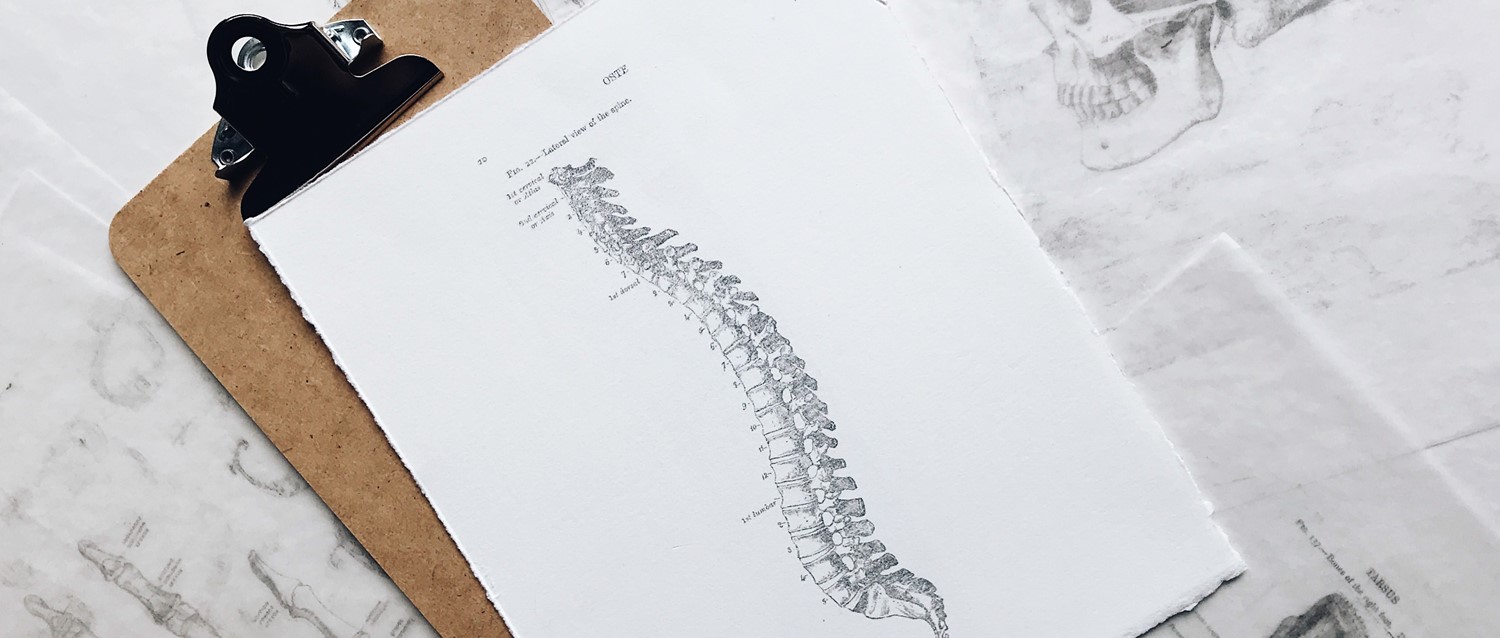
This imbalance - when your spine is placed in unnatural and overly-curved positions - is known as a postural misalignment. It can lead to pain, injury, and have other long-term health implications.
Bad posture and the COVID slump
According to Daniell, postural misalignment can be both inherited and developed. Some people are born with a structural misalignment which is often genetically inherited. Examples of this include spine scoliosis and kyphosis (curvature of the spine), knock knees, and flat feet.
When bad posture is developed it is generally related to lifestyle. The good news is that just as these habits can be learned they can also be prevented, unlearned, and rectified.
Daniell's most common lifestyle risk factors for bad posture
A sedentary lifestyle (of limited movement).
Weak core muscles.
A lack of body awareness.
Sitting at a desk or computer for long hours.
An injury.
Following an operation during post-rehabilitation.
Pregnancy.
Carrying things awkwardly - for example, a school bag, briefcase, groceries, or children.
For Daniell, the key difference between having good posture and bad posture is movement: "Good posture is the result of an efficient body; a body that moves intelligently. No beauty products or surgery can help you to maintain an efficient body. It is simply a lifestyle choice, and it requires a true commitment. To maintain a good posture for the rest of your life, you need to keep your body in movement."
Of course, during the height of the COVID-19 pandemic, it became much harder for many people to maintain an active lifestyle. One 2020 study of 631 young adults found that 70% reported a significant decrease in their physical activity since the start of the pandemic.
"Over multiple national lockdowns, people have missed their daily routines, the commute to work, taking the children to school, and having a balanced social life that includes sport and activities. This move to a more sedentary lifestyle has had a very negative effect on our posture and our overall wellbeing," adds Daniell.
Bad posture when working from home
Two years on, a potentially long-lasting cultural shift is that many people have remained working from home. While this can have its benefits, spending more time sitting at home desks has led to more people having bad posture, slouching in their seats and developing a "COVID slump" - a forward head and rounded shoulder posture.
Many studies show that sustaining poor ergonomic postures while using computers - and also while watching TV, playing video games, and using mobile phones - can cause people to tilt their heads forward. This is easily exacerbated when working from home, as we tend to move around less and may not have the appropriate equipment - such as chairs that support the spine and eye-level computer screens.
What are the risks of bad posture?
When bad posture is adopted, you increase your risk of developing a long-lasting postural misalignment and subsequent backache, and joint and muscular pain at the places under the most stress (typically the neck and shoulders).
Lower back pain in particular has been identified as one of the most common health issues among the worldwide working population. Studies have found that sitting for more than half a workday, in combination with awkward postures, increases the likelihood of lower back pain and/or sciatica (pain that extends along your sciatic nerve from your lower back to your feet).
Other health complications that may occur
These include:
Misalignment of your musculoskeletal system.
Increased wear of your spine, which makes it more prone to injury.
The wearing down of your joints, which can affect how well they move and increases the risk of arthritis.
Poor balance, increasing the risk of fall-related injury.
Digestion difficulties due to slouching after a meal, putting pressure on the abdomen, forcing stomach acid in the wrong direction and triggering heartburn.
Breathing issues resulting from poor head and neck positions, which reduce diaphragm strength, immediately limiting respiratory function.
Reduced blood flow with tight muscles and joints, making the heart work harder and possibly compressing arteries. This can lead to high blood pressure.
Fatigue as a result of less efficient muscle use, which can have an immediate impact on the ability to engage in physical activity.
Loss of flexibility due to tightness in the joints, preventing them from performing their full range of motions
As well as protecting against these health problems, Daniell points out that a good posture also contributes to a good appearance, and can give your confidence a boost.
How to improve your posture
"When you have bad posture, your body is suffering an imbalance. We cannot change the structure and alignment of our bones (except in severe cases that require an orthopaedic operation) but we can certainly change the muscles and their movement patterns by strengthening them or relieving the tension," advises Daniell.
Core strength
Many studies show that strong and flexible muscles will create the right support for your posture. According to Daniell, the muscle group you need to focus on are your core muscles - the deep muscles in your abdominals and back.
Building good core stability through regular physical activity and exercise is essential for a healthy balance in the spine, pelvis, and kinetic chain (the linked joints and muscles connected to your spine that are responsible for your movements). Research shows that a strong core improves posture-related pain such as lower back pain, creates better balance, and enables better movement.
Positions to avoid
Experts recommend regular movement and avoiding staying in the same position for a prolonged period of time. If you believe you're more prone to a sedentary lifestyle and regularly sit at a desk, it's worthwhile ensuring your seat offers good lumbar support - this encourages a healthy upright posture and offers lower back support, putting your back under less stress.
If you find yourself staring at a computer screen for a large portion of the day, make sure that your eye line is level with the top of the screen to avoid tilting your head forward and down. Most companies offer workstation assessments and provide effective tips and equipment to help prevent back, neck, and shoulder injury through desk work.
Heavy lifting
Awkward and heavy lifting should also be avoided where possible. If lifting heavy objects is part of your job, your work should provide lifting aids and instructions on safe manual lifting, which involves bending at the knees to take pressure off your spine. Healthcare professionals advise you to report bad posture-related pain as early as possible and to seek medical advice if you believe occupational exposure is causing damage.
Seek help for pain and injury
If you're experiencing back, neck, or shoulder pain and are debilitated, Daniell strongly recommends seeking the advice of a healthcare professional, such as a physiotherapist, to assess your posture: "They will understand your postural imbalances and advise you on the most suitable programme to improve your posture and rehabilitate any injuries."
Patient picks for General information
COVID-19
Can lifestyle changes reduce your COVID-19 risk?
During the COVID-19 pandemic, we're all doing our bit to keep ourselves and others safe. Following guidelines, wearing masks when advised and practising social distancing can all help to reduce the spread of the virus. But is there anything we can do to reduce our personal risk of contracting the virus, or our risk of serious disease if we do get infected?
by Gillian Harvey
COVID-19
COVID-19: What is herd immunity and will we ever reach it?
As more people are vaccinated against COVID-19, there has been a lot of discussion about whether the UK will ever reach herd immunity. However, with the chance of reinfection higher with the Omicron variant - even among the fully vaccinated - whether this will happen remains to be seen. But what exactly is herd immunity and how does it work?
by Lydia Smith
About the authorView full bio

Amberley Davis
Senior writer
BA (Hons), CPD
Amberley is a senior writer with Patient and has written extensively on a range of health and wellbeing topics.
About the reviewerView full bio

Dr Sarah Jarvis
Clinical Consultant
MA (Cantab), BM, BCh (Oxon), DRCOG, FRCGP, MBE
After training in medicine at Cambridge and Oxford, Dr Sarah Jarvis MBE became a GP.
Article history
The information on this page is peer reviewed by qualified clinicians.
Article also available in English, German, Spanish, French, Italian, Portuguese, Hindi, Hebrew, Arabic, and Swedish.
8 Mar 2022 | Originally published
Authored by:
Amberley DavisPeer reviewed by
Dr Sarah Jarvis
Join the conversation
Share your thoughts or experiences with others in our patient communities.

Ask, share, connect.
Browse discussions, ask questions, and share experiences across hundreds of health topics.

Feeling unwell?
Assess your symptoms online for free
Sign up to the Patient newsletter
Your weekly dose of clear, trustworthy health advice - written to help you feel informed, confident and in control.
By subscribing you accept our Privacy Policy. You can unsubscribe at any time. We never sell your data.
More in cOVID-19
- COVID-19: How contagious is Omicron?
- COVID-19: how to stay safe at work
- How to help children cope with stress and anxiety during the pandemic
- How to reduce your risk of DIY injuries during coronavirus lockdown
- Long COVID: What are the symptoms and treatment?
- What are the differences between colds, flu and COVID-19?
- Why are Black and Asian people at greater risk from COVID-19?
- Why are women so vulnerable to COVID-19 in pregnancy?
- Why it's a good thing if you feel unwell after your COVID-19 booster jab