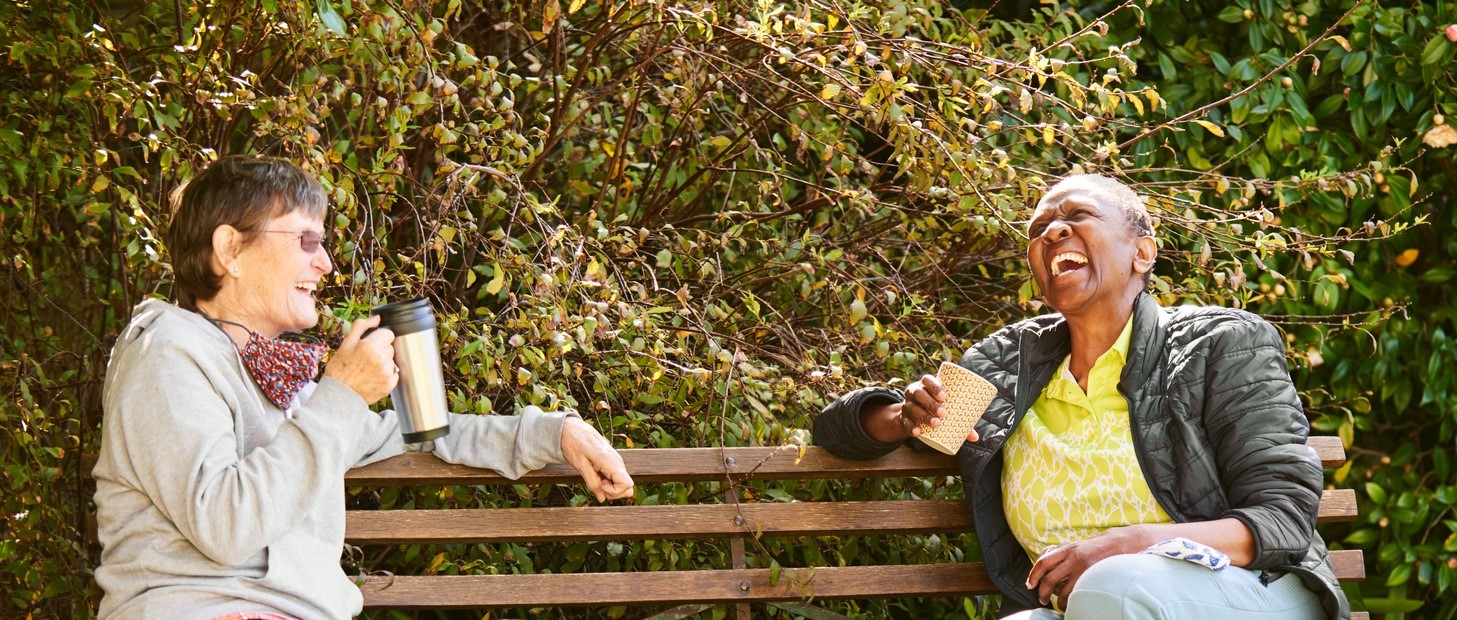
How to meet friends and family safely outdoors
Peer reviewed by Dr Sarah JarvisAuthored by Andrea DowneyOriginally published 17 May 2021
Meets Patient’s editorial guidelines
- DownloadDownload
- Share
- Language
- Discussion
- Audio Version
- Add to preferred sources on Google
Across the UK, lockdowns are easing and we're allowed to see friends and family outside (and indoors too if you live in England or Scotland). But that doesn't mean the risk of spreading COVID-19 has vanished; you still need to take precautions to keep yourself and your loved ones safe.
Evidence shows that it's harder for COVID-19 to spread in outdoor spaces. In England and most of Scotland restrictions have eased and you're now allowed to meet people indoors as well as outdoors and in gardens. But it's still safest to meet outside wherever possible because the increased ventilation and ability to social distance makes it less likely that coronavirus will spread.
Dr Deborah Lee, of Dr Fox Online Pharmacy, and Hussain Abdeh, superintendent pharmacist at Medicine Direct, explain how to reduce your risk of COVID-19 when meeting friends and family.
Following the rules
Dr Lee says it's important to follow the rules of lockdown "very carefully".
"If we don't, virus levels could rise, and we may well find ourselves in the midst of a third wave - and a further period of lockdown," she adds. As well as heeding the government guidelines for socialising and recreational activities, it's important to maintain social distancing wherever possible and keep up with regular handwashing, and mask-wearing where required. "It's vital that we stick to these guidelines as we have been and don't stop doing them too soon."
The fourth element of the English 'Hands, Face, Space' guidance - fresh air - is automatically accomplished outside. As we start meeting inside, ventilation will be very important.
In England and Scotland, 'cautious contact' is now allowed. The government is urging people to take personal responsibility and weigh up the risks of close contact like hugs, rather than telling people that they have to social distance from from loved ones. However, risk always needs to be taken into account, especially if anyone present is clinically vulnerable or hasn't been vaccinated as close contact greatly increases the risk of transmission.
If you think you have COVID-19 you should not meet anyone. It's important you stay at home and book a test. You must continue to self-isolate until you have your test results. If you test positive, you must continue to self-isolate for ten days after your test or from the onset of your symptoms.
Social but distant
Whilst we are now allowed to see friends and family, social distancing rules are still very important. Maintaining a safe distance means you're less likely to pass on or contract coronavirus.
"Many people are yet to be vaccinated, so the spread of COVID-19 is far from eliminated," Abdeh says.
"When restrictions were eased previously, we saw a significant spike in cases once again, so it is vital that we do all we can to reduce the risk of this happening again. Social distancing is an easy and sensible measure we can take to avoid passing this respiratory disease on to other people. The less close contact you have with others, the less likely you are to catch the virus."
To mask or not to mask
Under English government guidelines, it's not compulsory to wear a mask outside, but if you feel more comfortable wearing one, you can. If there are circumstances where social distancing is hard to maintain then it's a good idea to wear a mask for extra precaution.
Wearing face masks is still a requirement in many indoor settings, including in supermarkets, in hospitals and on public transport, unless you have a specific exemption.
"Wearing a mask is most effective at preventing you from transmitting the infection to another person," Dr Lee explains. "So, everyone should reach for their mask if they arrive at a crowded spot, to help protect each other."
Skip to the loo
Even if you're taking precautions by meeting outdoors and social distancing, you still need to make sure you're taking precautions to prevent the spread of the virus even when you go to the loo.
Dr Lee says you should:
Wait for 30 minutes before going into the toilet after someone else, to allow the air to settle (virus particles are spread in the air).
Don't take any items like mobile phones or handbags into the toilet with you.
Don't switch on the light unless you need to, to avoid touching the switch or cord pull after someone else.
Wash your hands or use hand sanitiser before entering the toilet.
Put the toilet seat down before flushing.
Wash your hands carefully before leaving the toilet and use a disposable paper towel if possible.
If you're the host, it's a good idea to make sure there are antiviral wipes in the bathroom for people to clean surfaces once they've used them. You should also clean the bathroom before and after you have guests over. Keep the window open at all times to increase airflow in the room - increasing airflow can reduce the spread of the virus.
Piece of cake
As the weather gets warmer, many people will be planning picnics. While that might seem harmless, it actually poses a real risk of spreading COVID-19 because people are often sharing food and drink. That shouldn't scare you off a picnic though - you just need to make sure you're taking all the necessary precautions.
"If you have a picnic, you should not share your food with others. People should bring their own food in their own containers," Abdeh says.
"Do not share any cutlery, drinks or utensils. You must do everything you can to avoid cross-contamination, so cut down the need for more than one person to touch any object. Everyone bringing their own utensils, drinks and food will mean that nothing needs to be touched by two people."
It's also important to remember space - the more space you have between people the more you can minimise the risk of COVID-19.
"Try to have a picnic in a large open area, where there is plenty of room for every member of your party to spread out and maintain social distancing effectively," Abdeh adds. "Bring hand sanitiser and antibacterial wipes, which you should use on all containers and hampers."
The good news is, barbecues are still on the menu. It really isn't a British summer without a barbecue.
"Hot food, such as barbecue food, is highly unlikely to transmit the virus but should be served directly from the barbecue on to each person's plate, not served from a shared platter," Dr Lee adds.
That's a wrap
Meeting people outdoors is fairly safe if you follow the right guidelines. It's important to remember that the risk of COVID-19 will always be there as long as the virus is still in circulation, but if you stick to the rules then you're unlikely to put yourself or your loved ones at extra risk. Even though meeting indoors is now allowed in some areas, opting to meet outdoors where possible could be a safer choice.
To reduce the risk of coronavirus transmission as much as possible when you meet people outside, make sure you:
Socially distance - stay at least one metre apart from people outside of your household but increase to two metres or more wherever possible.
Regularly use an antiviral hand sanitiser or wash your hands thoroughly with soap, especially after touching any shared surfaces.
Wear masks when in enclosed spaces or when in groups of people.
Wipe down any shared surfaces, including bathroom counters and garden furniture, with antiviral spray.
Don't share food or utensils when having a picnic - it's best if everyone brings their own food in their own containers.
Stick to the rules and keep up with the latest guidelines on the government's website.
More information about the government's roadmap out of lockdown, including when the next date for relaxing of rules is, can be found on the government's website.
Patient picks for Pandemic articles
COVID-19
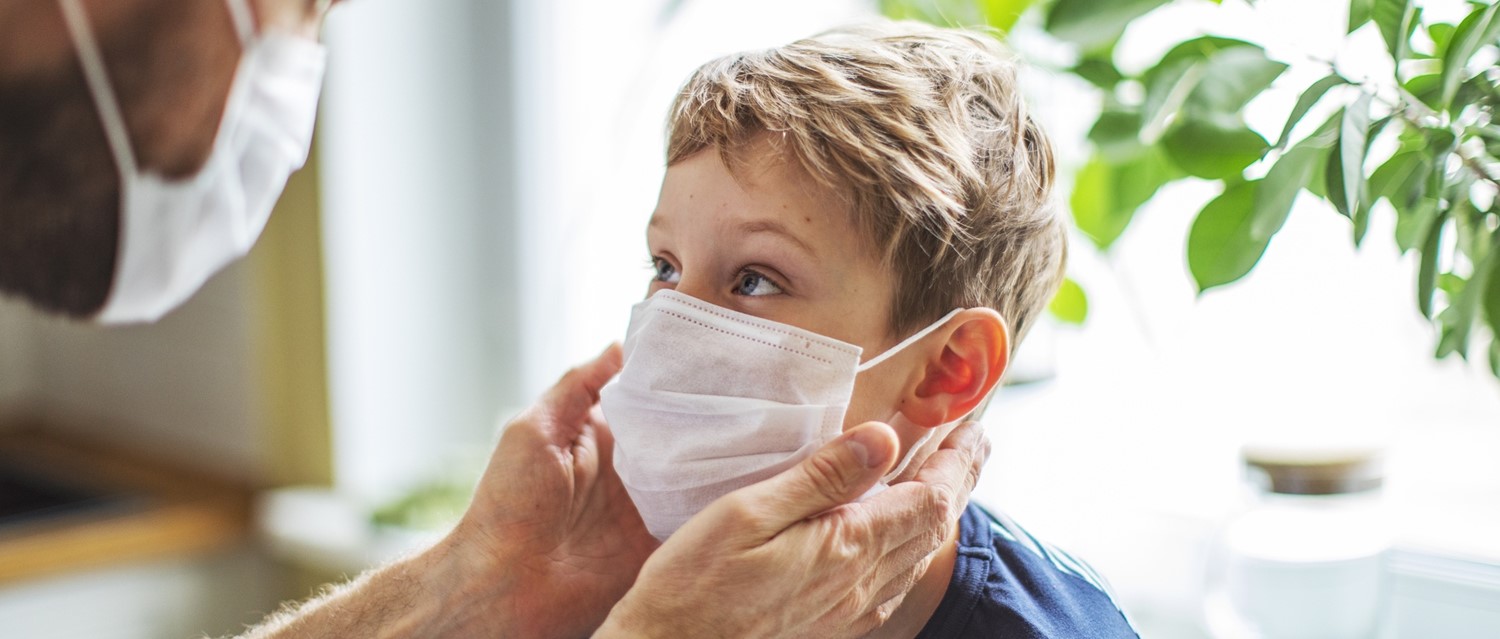
Tips to help your kids get used to face masks and coverings
As many schools now insist pupils over 11 wear masks in certain situations, lots of our children will be donning a face covering for the first time. But how should masks be worn? And how can we help our children to use them effectively?
by Gillian Harvey

COVID-19
What to do if you have problems with your eyes during lockdown
Having problems with your vision is a worrying experience - even more so when the country is following social distancing guidelines and some services are closed. But there are options available if you have eye trouble during lockdown.
by Andrea Downey
About the author
Authored by

Andrea Downey
About the reviewerView full bio

Dr Sarah Jarvis
Clinical Consultant
MA (Cantab), BM, BCh (Oxon), DRCOG, FRCGP, MBE
After training in medicine at Cambridge and Oxford, Dr Sarah Jarvis MBE became a GP.
Join the conversation
Share your thoughts or experiences with others in our patient communities.

Ask, share, connect.
Browse discussions, ask questions, and share experiences across hundreds of health topics.

Feeling unwell?
Assess your symptoms online for free
Sign up to the Patient newsletter
Your weekly dose of clear, trustworthy health advice - written to help you feel informed, confident and in control.
By subscribing you accept our Privacy Policy. You can unsubscribe at any time. We never sell your data.