
Back pain: is it stress or an injury?
Peer reviewed by Dr Sarah JarvisLast updated by Gillian HarveyLast updated 12 May 2021
Meets Patient’s editorial guidelines
- DownloadDownload
- Share
- Language
- Discussion
- Audio Version
- Add to preferred sources on Google
Pain in the lower back is a very common complaint, with an estimated one third of adults suffering from it each year in the UK. While the pain itself is easily diagnosed, what's causing the problem can be harder to pinpoint. Some back injuries are caused by a specific, easily identifiable event, but others may relate to repetitive movement, poor posture or even stress.
Common causes of back pain
In addition to an accident or rogue movement that causes immediate injury, there are several common causes of back pain. These less obvious causes may lead to back pain that emerges and worsens over a period of time.
Overtraining
"Doing something our bodies aren't used to doing, or working out too intensively, can cause muscle injuries and strains that lead to back pain," explains Helen O'Leary, Chartered Physiotherapist from Complete Pilates. If you're taking on a new workout regime, it's important to build up slowly and take advice from a professional before diving in at the deep end.
Prolonged sitting
With many injuries, sitting and resting as much as possible are advisable. But when it comes to your back, sitting could actually be causing the problem. "Some say that sitting is the new smoking," explains O'Leary. "Lack of movement or having poor posture when sitting at a computer can lead to problems with the back."
Stress
Back pain can be caused by emotional trauma, which may cause unconscious tensing of the muscles in the back. Simply being subject to ordinary stress may also play a part - as it affects the way we move and carry ourselves.
"Stress has a major effect on the body," says O'Leary. "Your heart rate goes up, you slump your shoulders and you can't think clearly."
This pain may then be exacerbated by poor sleep. "When we sleep our bodies usually just go into a cycle of recovery - muscles just get to let go and do nothing, which is wonderful. But if you're stressed and anxious and sleeping badly, you aren't going to get that recovery," explains O'Leary.
The back pain may also cause someone to get stuck in a cycle where they limit movement due to pain, which then leads to muscle weakness and reduced flexibility.
One way of differentiating between injury and stress as a cause for back pain, is establishing when it started. "When patients come to me with a musculoskeletal problem, they usually can describe an event that caused the pain. But if their back pain is stress related, they tend to ask me what's causing the pain," says Noel O'Connor, Chiropractor from Reflex Pillow.
Movement and lifting
Repetitive movement, such as repeated bending or working in a confined space can often cause muscle strain or spasm. Repeated or heavy lifting may also put a strain on the muscles and ligaments in your back. A sudden awkward movement - for example, when getting out of a low car seat, or reaching at an awkward angle - may also cause an injury or strain.
Sciatica
Sciatica is a particular type of back pain which occurs when a nerve in the back becomes compressed or pinched. This is often caused by a slipped or herniated disc. As well as back pain, patients with sciatica often complain of pain that radiates to the buttock and leg - sometimes described as an electric shock sensation.
Sciatica can have a number of different causes, including the natural degeneration that happens with age, or sitting for long periods of time. Obesity can trigger and exacerbate sciatica as excess weight puts stress on the spine. While a herniated disc is the most common cause of sciatica, trauma, spinal stenosis (narrowing of the spinal canal) or spondylolisthesis (where one vertebra slips forward on another) can also be to blame.
Diagnosis and treatment
Whether you've woken up this morning with back pain for the first time, or have been struggling with pain for years, it's important to remember that there are effective treatments for this type of pain and that even chronic pain that has persisted for several years can be treated. Sometimes home remedies will be enough to address the problem, but more severe or persistent back pain may require specialist care.
Medical emergencies
Severe pain after an injury, such as a fall or a misjudged movement may need immediate medical attention. If you have injured yourself or are experiencing severe pain, you should seek urgent medical advice or go straight to A&E.
If you're suffering from lower back pain that has come on suddenly and is accompanied by loss of bladder or bowel control, weakness or numbness in the legs, it's also important to speak with a GP or call NHS 111 for urgent advice. It's important to be aware of all the symptoms of cauda equina syndrome - a rare but very serious problem caused by pressure on the nerves at the very bottom of the spinal cord - and seek emergency help.
Aches and pains
As we age, we tend to be more susceptible to aches and pains. If you've spent a day painting the lower half of a wall and feel a bit achy afterwards, this may well be temporary and eased with stretching or a warm bath. But it's important not to write off more severe or persistent pain, as treatment may greatly improve your quality of life. So how do we tell the difference?
"If you can play the sports you want, run around with your kids, drive your car and basically function as you want to, you're probably OK," says O'Leary. "But if you wake up feeling awful or you can't do what you want to do, you should go to see somebody. We all know that aches and pains are part and parcel of life, but the minute you feel it's limiting your ability to carry out your normal activities you should seek medical advice."
Sciatica or muscle pain
If you're suffering from sciatica or muscle or ligament pain from repeated movement, you may be able to treat the condition at home. Anti-inflammatory over-the-counter treatments such as ibuprofen may help to relieve pain and inflammation. You may find that alternating heat packs and ice packs helps to reduce the severity of the problem. Stretching and taking exercise can also help to ease symptoms.
Persistent pain or weakness
If you've suffered with back pain for a period of time, or have flare-ups and episodes of back pain, or if you develop tingling in or weakness in your legs or elsewhere, it's time to seek medical advice. Your GP will be able to take a history, and ask you about accompanying symptoms such as sensations in the legs or problems with certain movements.
In some cases, it may be necessary to have an X-ray or MRI scan to establish the cause of pain and rule out rare conditions such as spinal cancer. Your doctor will then be able to refer you for appropriate treatment.
At the physiotherapist
If you do get referred to a physiotherapist, it's important to remember that unlike some treatments, you need to participate actively in your own treatment programme. "With physiotherapy, you need to be an active participant," explains O’Leary. "You have to want to make a change and engage with the process."
Patience is also key. "It can take 6-8 weeks for soft tissue to heal and 12 weeks to build up strength," says O’Leary.
Good habits
To keep your back in good condition and minimise the risk of pain or injury, it's important to look after your back health. There are several things you can do to keep your back in the best possible condition.
Regular, varied exercise
"Guidelines now recommend we all do 150-300 minutes of activity each week," says O'Leary. "As well as carrying out the activity, it's important to vary the kind of movement you do. For example, you could try Pilates, some walking, some running. Getting the recommended amount of exercise is great for the heart, lungs and general muscle strength. You should also be able to stave off aches and pains more effectively."
Stress relief
Taking time out to de-stress is essential for all of us, but how we choose to do this may vary from person to person. "It's about finding some time and space for yourself," says O'Leary. "For some this could be meditation; for others it might be sitting down with family and friends or going for a run. Some may prefer to sit for five minutes and listen to some music, or focus on their breathing."
Build up your core
Your core muscles around your trunk can act as a natural support for your back - taking on some of the strain from your spine. "What people often don't realise is that your core is not just your abdominal muscles, but everything around your trunk," says O'Leary. "Instead of doing sit-ups and crunches, try doing plank exercises and four-point kneeling (an exercise designed to improve stability)."
Keep moving
You may have no other choice than to work at a desk for several hours a day, but this doesn't mean you can't increase your back movement. Even when sitting, adjusting and shifting your position can have a protective effect. "The key is to move before you become uncomfortable," explains O'Leary. "If you shift in your chair, uncross your legs, and stand up to work for a period of time, your body will not get stuck in one place, it will be able to adapt. Everything will stay a little more fluid. When people ask me about their posture and how best to sit or stand, the answer is not just in one place - your body will lubricate itself if you regularly adjust."
Keep going
The good news is that even if you've been living with lower back pain for years, and feel you have exhausted all avenues, you can still respond effectively to the right treatment. "Even if you've left it, or tried to sort your back pain before, it's still worth going to physiotherapy," says O'Leary.
If your back pain lasts more than a few weeks, gets worse, affects your day-to-day life or is severe, you should speak with your doctor. With the right diagnosis and getting specialist advice and support, you can get your back pain under control.
Patient picks for Back pain
Bones, joints and muscles
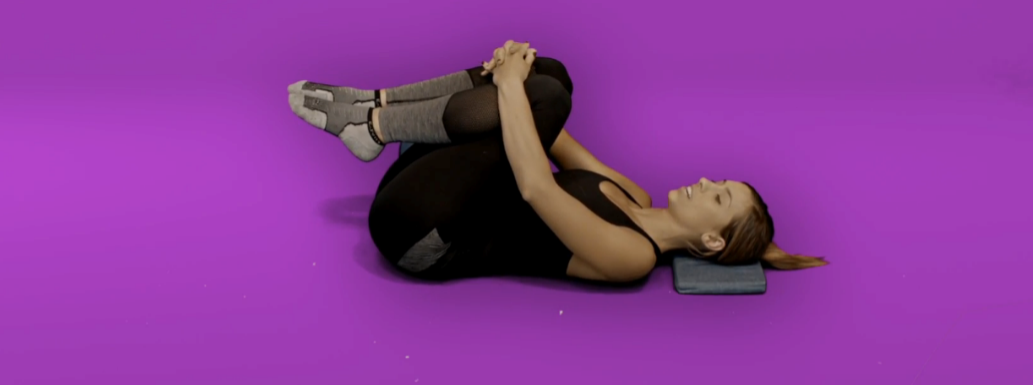
Video: Back pain exercises
Back pain is very common but in most cases is not caused by a serious problem. Most cases of back pain resolve on their own within two weeks, and full recovery is made within four to six weeks.
by Lilly Sabri, MHPC

Bones, joints and muscles
Do I need an MRI for my back pain?
Back pain is one of the most commonly searched health topics online in the UK. Experiencing back pain can mean time off work and an inability to exercise, play sports, and take part in the activities you enjoy. Most back pain eases with time and rest, while other types require an MRI scan to get a diagnosis and the right treatment. But how do you know when you need an MRI for back pain?
by Scan.com
About the authorView full bio

Gillian Harvey
Freelance Writer
BA (Hons) English
Gillian is a freelance writer and columnist for a variety of national newspapers and magazines.
About the reviewerView full bio

Dr Sarah Jarvis
Clinical Consultant
MA (Cantab), BM, BCh (Oxon), DRCOG, FRCGP, MBE
After training in medicine at Cambridge and Oxford, Dr Sarah Jarvis MBE became a GP.
Article history
The information on this page is peer reviewed by qualified clinicians.
Article also available in English, German, Spanish, French, Italian, Portuguese, Hindi, Hebrew, Arabic, and Swedish.
12 May 2021 | Latest version
Join the conversation
Share your thoughts or experiences with others in our patient communities.

Ask, share, connect.
Browse discussions, ask questions, and share experiences across hundreds of health topics.

Feeling unwell?
Assess your symptoms online for free
Sign up to the Patient newsletter
Your weekly dose of clear, trustworthy health advice - written to help you feel informed, confident and in control.
By subscribing you accept our Privacy Policy. You can unsubscribe at any time. We never sell your data.
More in bones, joints and muscles
- 10 sources of plant-based protein for bone health
- Back pain and exercises videos
- Chemical found in soap and toothpaste linked to osteoporosis
- How obesity affects joint health - and what you can do about it
- How to build muscle mass after weight loss treatment
- How to get back pain under control
- How to treat tennis elbow at home
- Joint pain - is it bursitis?
- Living with fibromyalgia - Jenny's story
- Other bones and joints videos
- Supermarket shopping for foods to help stiff and painful joints
- The best resistance band workouts to build muscle
- Treatment and remedies for frozen shoulder
- What can you do to help prevent arthritis?
- What is 40-year-old shoulder?
- What is office chair butt - and how do you prevent it?
- What it's like to have muscle dysmorphic disorder
- What it's really like to live with gout
- Why do my joints hurt when the weather changes?
- Why head injuries in sport need to be taken more seriously