
Probióticos para SII: eles funcionam?
Revisado por Dr Sarah JarvisÚltima atualização por Amberley DavisÚltima atualização 14 Fev 2024
Atende aos diretrizes editoriais
- BaixarBaixar
- Compartilhar
- Language
- Discussão
- Versão em Áudio
- Adicionar às fontes preferidas no Google
From your work life to your sex life, having irritable bowel syndrome (IBS) can cause disruption and inconvenience. Can probiotics for IBS help to reduce these symptoms, and which probiotic supplements can you trust?
Explore IBS symptom management
Obtenha aconselhamento especializado em saúde no conforto da sua casa. Faça uma consulta online rápida, disponível 24 horas por dia, 7 dias por semana, e tenha o seu pedido avaliado por um profissional de saúde registado no Reino Unido. Entrega no dia seguinte disponível para tratamentos elegíveis.

Síndrome do intestino irritável
Se síndrome do intestino irritável (IBS) is affecting your quality of life then you're not alone. Symptoms linked to this long-term condition of the gut are thought to affect around one in five people in the UK at some stage in their lives1.
Certain foods, estresse, infections, and oversensitivity to pain are all known triggers of IBS symptoms. If you have IBS, you may experience tummy cramps (abdominal pain), inchaço, diarreia, ou constipação on a regular basis.
If left unmanaged, these uncomfortable and inconvenient symptoms can interfere with everyday life, including your work life e your personal relationships.
While experts are not sure of the exact cause of IBS, they do know that it's a problem with the way your gut (also called your bowel) works. Dr Nirusa Kumaran, GP and lifestyle and functional medicine specialist, explica:
"Research has identified three potential reasons for the onset and ongoing symptoms of IBS:"
An imbalance in the microbioma intestinal - sometimes called gut flora, this refers to the microorganisms living in your digestive system.
Changes in the gut-brain connection - the two-way connection between the gut and the brain via nerve endings, hormones and chemical signals.
Increased intestinal permeability - your intestinal walls allowing harmful substances to enter.
Are probiotics good for IBS?
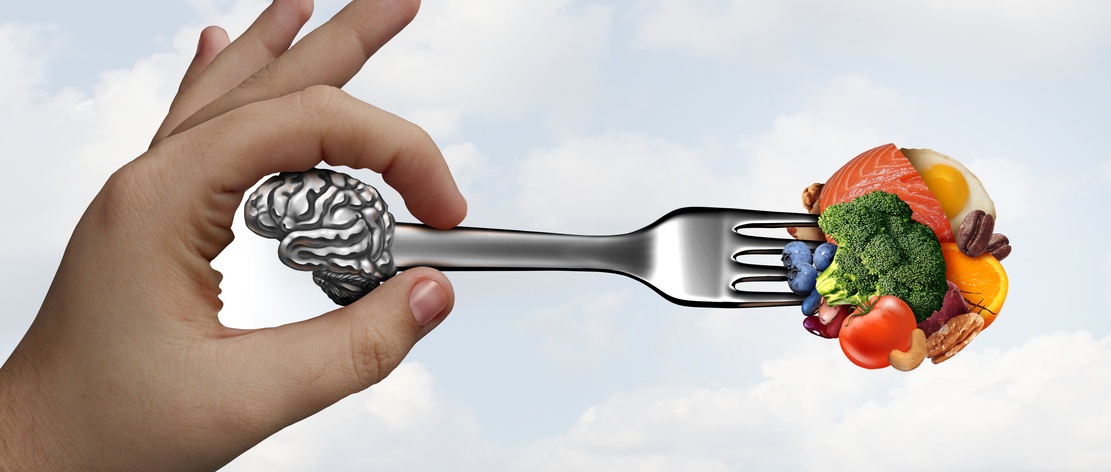
This is why methods that improve your saúde intestinal are being explored for IBS management. While there is no cure for IBS, probióticos for IBS may help ease and reduce symptom flare-ups.
Probiotics for IBS can be explored in addition to any medicines, dietary changes, and lifestyle changes recommended by your doctor.
Probiotics for IBS - the 'good' bacteria
Probiotic bacteria are tiny living organisms known as microbes that live in your gut and help to keep it healthy.
Having a large enough quantity can assist your digestive system by:
Strengthening the intestinal barrier that keeps harmful organisms out.
Supporting your sistema imunológico.
Lessening inflammation in your gut.
Reducing occurrences of diarrhoea.
You can boost your probiotic levels by:
Eating certain fermented foods, or foods where probiotics have been added.
Taking probiotic supplements and medicines - in the form of tablets, sachets, or liquids.
"While they may not work for everyone, several studies have demonstrated the positive influence of probiotics on reducing the symptoms of IBS," says Kumaran. "So it is definitely worth considering probiotics for IBS."
A 2020 review of 28 studies involving 3,606 people found that probiotics for IBS could be beneficial for overall symptoms2. In a 2015 review involving 1,793 people, results showed that probiotics could reduce instances of tummy cramps, bloating, and wind3.
Not all available probiotic supplements undergo rigorous testing through clinical trials, but there are ways to spot the high-quality products on the market. This is covered in the next section.
What is the best probiotic to take for IBS?
There is evidence that different strains of probiotics for IBS may be best suited to treat certain types of IBS. The research in this area tends to be quite mixed, and it can be a case of trial and error to find the probiotic that works best for you.
Probiotic strains that have been proven to alleviate IBS symptoms
The two main probiotic groups for IBS are Lactobacillus and Bifidobacterium:
Bifidobacterium - includes strains such as Bifidobacterium bifidum MIMBb75, which has been shown to significantly improve IBS symptoms of tummy cramps, bloating, and diarrhoea4.
Lactobacillus - includes strains such as Lactobacillus acidophilus NCFM, which has been found to reduce tummy cramps5.
Shopping for quality
If you choose to shop around for probiotic supplements yourself, it's important to select a high-quality product that has been scientifically tested in clinical trials. There are a few things you should consider:
The colony-forming units (CFU) count - The National Institutes of Health (NIH)recommend checking if a probiotic supplement label lists the CFU count6. This is the amount of live 'good' bacteria that the probiotic supplement contains. Most probiotics contain at least 1-10 billion CFU per dose.
Composition - Check that a product contains a probiotic strain that has been specifically studied for its treatment of IBS. See the main probiotic group names above.
Randomised controlled trials. You can contact the probiotic manufacturer for specific information on research they have done in IBS. The most reliable evidence comes from trials that are:
Placebo-controlled - the patients are randomly assigned to receive the probiotic or a dummy version.
Double-blind - neither the doctor nor the patient knows if they are taking probiotic or placebo.
Third-party testing - look for a probiotic supplement that has undergone third-party testing by an independent laboratory. This is a good indication of a high-quality product.
How long should probiotics be taken for IBS?
If you start a course of probiotics for IBS, don't expect to see results straightaway. One 2019 review found it took an average of eight weeks or more for people with IBS to notice the health benefits7.
The National Institute for Health and Care Excellence (NICE) recommends that people choosing to use probiotics for IBS should take the same brand for at least four weeks at the dose recommended by the manufacturer8.
Taking probiotics for IBS over an extended period of time is thought to be safe. There is no evidence that probiotics for IBS can cause any harm in the long term, although more research is needed on the effects of long-term use.
IBS and your diet
IBS can be different for each person, both in terms of severity and in what can trigger symptoms. If particular foods cause your symptoms to worsen, it's important to look at your diet alongside any probiotic supplements you choose to take.
For some, following a dieta saudável which includes lots of fruit, vegetables, and plenty of water is enough to make a big difference. Others may need to be more strict with what they eat. If you're unsure if certain foods you eat are aggravating your condition, keep a food symptom diary and note down when symptoms occur after you eat certain foods.
Probiotic-rich foods
As well as various supplement forms, you can also boost your probiotic intake through your diet. Certain fermented foods are naturally rich in probiotics because they are created through the growth of live microbial cultures.
Exemplos incluem:
Live yoghurt.
Kombucha (a fermented tea).
Kefir (fermented milk).
Kimchi (Korean pickled cabbage).
There are also a range of unfermented foods that have probiotics added to them. NIH cautions that whether these foods can truly count as probiotics depends on6:
The number of microorganisms they contain;
Whether the strains they contain have health benefits; and
Whether they survive digestion.
Examples include certain:
Cereals and cereal bars.
Milks.
Juices.
Low FODMAP
For up to 70% of people with IBS, eating certain foods can make their symptoms worse9. If this is you, being careful about what you eat and getting to know your food triggers could be key to making life with IBS much easier.
Of course, avoiding all your food triggers all of the time is easier said than done. You can also take probiotics to help your gut digest these foods. "It is thought that greater numbers of beneficial probiotic bacteria will help break down the high-FODMAP foods that often trigger IBS," explains Kumaran.
FODMAP stands for Fermentable Oligosaccharides, Disaccharides, Monosaccharides, and Polyols. Put simply, these are foods that cause your gut bacteria to produce a lot of gas when they're digested. It's this gas that often causes the typical and uncomfortable IBS symptoms of pain, wind, and bloating.
One 2016 study concluded that up to 86% of people with IBS found that following a low- FODMAP diet significantly improved their IBS symptoms10. However, a strict low-FODMAP diet can be very restrictive, so you should have guidance from a dietitian.
Leitura adicional
Explore IBS symptom management
Obtenha aconselhamento especializado em saúde no conforto da sua casa. Faça uma consulta online rápida, disponível 24 horas por dia, 7 dias por semana, e tenha o seu pedido avaliado por um profissional de saúde registado no Reino Unido. Entrega no dia seguinte disponível para tratamentos elegíveis.
Escolhas do paciente para Síndrome do intestino irritável

Saúde digestiva
Quais alimentos desencadeiam a síndrome do intestino irritável?
If you have irritable bowel syndrome (IBS), you’ll probably understand that some foods can trigger your symptoms. Although there’s no one-size-fits-all approach to an IBS diet, some foods may be more likely to cause issues than others.
por Lynn Stephen
Saúde digestiva
Qual é a ligação entre a SII e a ansiedade?
A síndrome do intestino irritável (SII) pode causar uma combinação de cólicas abdominais, diarreia, inchaço e constipação. É uma condição de saúde de longo prazo que pode afetar sua qualidade de vida. Embora mudar sua dieta e tomar certos medicamentos possa ajudar, a saúde mental precária e os sintomas da SII podem agravar-se mutuamente.
por Victoria Raw
Sobre o autorVer biografia completa
Atualizado por

Amberley Davis
Escritor sênior
BA (Hons), CPD
Amberley é uma escritora sênior na Patient e escreveu extensivamente sobre uma variedade de tópicos de saúde e bem-estar.
Autoria de
Amberley Davis
Escritor sênior
BA (Hons), CPD
Amberley é uma escritora sênior na Patient e escreveu extensivamente sobre uma variedade de tópicos de saúde e bem-estar.
Sobre o revisorVer biografia completa

Dra. Sarah Jarvis
Consultora Clínica
MA (Cantab), BM, BCh (Oxon), DRCOG, FRCGP, MBE
Após se formar em medicina em Cambridge e Oxford, a Dra. Sarah Jarvis MBE tornou-se médica de clínica geral.
Histórico do artigo
Artigo também disponível em Inglês, Alemão, Espanhol, Francês, Italiano, Português, Hindi, Hebraico, Árabe, e Sueco.
Next review due: 14 Feb 2027
14 Fev 2024 | Última versão
12 Apr 2022 | Publicado originalmente
Escrito por:
Amberley Davis
Participe da conversa
Compartilhe seus pensamentos ou experiências com outros em nosso comunidades de pacientes.

Pergunte, compartilhe, conecte-se.
Navegue por discussões, faça perguntas e compartilhe experiências em centenas de tópicos de saúde.

Sentindo-se mal?
Avalie seus sintomas online gratuitamente
Inscreva-se no boletim informativo do Patient
Sua dose semanal de conselhos de saúde claros e confiáveis - escritos para ajudá-lo a se sentir informado, confiante e no controle.
Ao se inscrever, você aceita nossos Política de Privacidade. Você pode cancelar a inscrição a qualquer momento. Nunca vendemos seus dados.