What is your gut microbiome?
Peer reviewed by Dr Colin Tidy, MRCGPLast updated by Victoria RawLast updated 19 Apr 2026
Meets Patient’s editorial guidelines
- DownloadDownload
- Share
- Language
- Discussion
- Audio Version
- Add to preferred sources on Google
Let’s talk about something small that has a big impact on your health - the gut microbiome. This hidden universe of microbes plays an important role in your wellbeing. How you treat these tiny residents can make a world of difference to how you feel.
What is a microbiome?
The human microbiome is a collection of microorganisms - such as fungi, bacteria and viruses - which live inside their very own ecosystem in various parts of your body. Each part contains a one-of-a-kind network of microbes, working together for the good of your health. These unique little systems are constantly changing and reacting to what you eat, how you exercise and the medicines you take.
Dr Saurabh Chatterjee, Professor of Environmental and Occupational Health, UC Irvine's Program in Public Health, explains that there are trillions of bacteria, viruses and fungi living inside your gut, colonising different areas.
"They each have assigned behaviours and functions that help keep the body healthy," he says.
Skin microbiome - lives on the surface of your body, protecting and hydrating your skin.
Oral microbiome - found in your mouth, it breaks down food and influences breath smell and tooth health.
Airway microbiome - lives in your nose, throat, and lungs and helps healthy breathing.
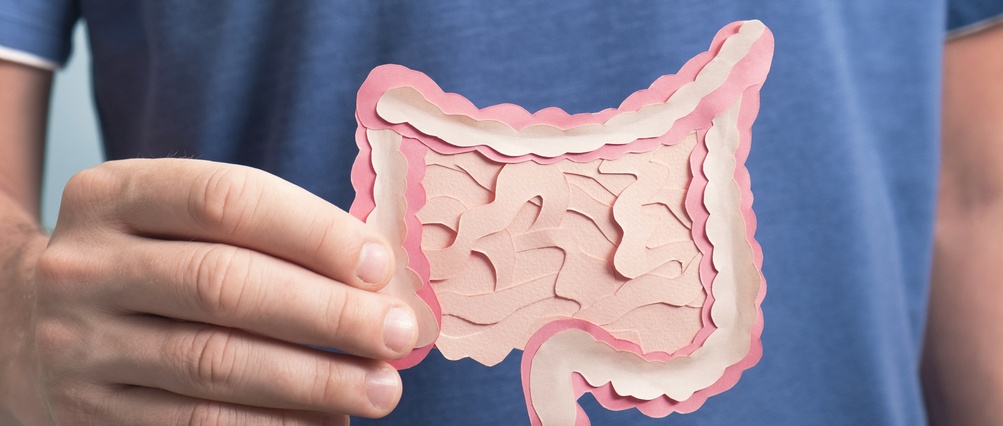
Gut microbiome - in your tummy, it helps digest food, supports the immune system and fights harmful bacteria.
Your gut microbiome
The gut microbiome is one of the most talked about microbiomes because of its effect on human health. The microbes in your gut (microbiota) help balance your good and bad bacteria. They break down complex foods such as fibre that your body can't digest by itself, transforming them into short-chain fatty acids (SCFAs) which feed your gut cells. They also make some vitamins - such as vitamin K - and digestive enzymes to help your body function.
Up to 70% of your immune system also lives in your gut. Your gut microbiome plays a major role in immune function, sending messages to your immune cells to ward off harmful organisms (pathogens).
How do I know if my gut microbiome is healthy?
Several things can affect your gut health, including diet, genetics and antibiotics. If the microbes in your gut become unbalanced, this can cause conditions such as obesity, inflammatory bowel disease (IBD) and diabetes.
Chatterjee says: "Many diseases such as cancer, IBD, liver disease, and even brain inflammation have been associated with an imbalanced gut microbiome."
Dr David D. Clarke, President, Association for the Treatment of Neuroplastic Symptoms (ATNS), warns that an unhealthy gut microbiome (dysbiosis), can cause digestive issues.
These include:
Bloating.
Wind.
Diarrhoea.
Constipation.
Abdominal pain.
Changes in the gut microbiome have also been associated with weight gain, tiredness, skin conditions, immune dysfunction, food intolerance, and mood disorders.
"These symptoms can be persistent and might fluctuate in intensity," says the board-certified gastroenterologist. "However, in some cases they may be caused by something else, such as past or present life stress."
You can buy a test that analyses your gut health through a sample of your poo. Some diagnose specific issues - such as inflammatory bowel disease (IBD) - while others offer a general gut health picture. However, these tests are fairly new to the market. They are all varied and results can be inconsistent - so check whether they'll give the right information you want as they can be expensive.
What harms your microbiome?
Antibiotics
Taking antibiotics can harm your gut's friendly bacteria. They can create an imbalance between good and bad bacteria, making it harder for your body to fight infections in the long run.
Dr Pamela Young, Action Rehab, drug detoxification and mental health specialist, explains that antibiotics are sometimes a necessity. However, some aren’t advanced enough to understand the difference between good and bad bacteria.
"Some antibiotics can target the necessary bacteria, but many harm the ones we need to stay healthy," she says.
Chatterjee adds that too many antibiotics can cause your friendly bacteria to build up resistance, meaning they won't work as well. Since you need your good bacteria to stay healthy, you should use antibiotics as they are prescribed and finish the course. You shouldn't overuse antibiotics.
Alcohol
Drinking too much alcohol also throws your gut bacteria off balance. It can weaken your gut lining, letting harmful organisms leak out, causing liver inflammation.
Clarke advises that heavy alcohol consumption can reduce friendly bacteria such as Lactobacillus and Bifidobacterium, and increase harmful ones like Proteobacteria.
Stress
Your gut constantly communicates with your brain. It allows the brain to control digestion and immune function in the gut, and the gut microbes to influence the brain. Stress can disrupt this communication, which can change the mix of good and bad bacteria in the gut. This, in turn, can affect how the body responds to stress.
Clarke says stress can affect the gut ecosystem in two ways. It can increase or decrease the muscle contractions in the gut and lead to changes in the quantity and quality of your nutrition - including alcohol consumption.
"All of these can harm the gut ecosystem," he says.
Does the gut microbiome affect mental health?
Studies have shown there's a two-way street between your gut microbiome and mood. The types of bacteria in your gut may influence your susceptibility to depression and anxiety. Those with a wider variety of gut bacteria are generally happier and less anxious.1
Dr Raj Dasgupta, Chief Medical Advisor for NCOA explains there is a growing body of research connecting our gut microbiome's state to mental health through what's called the 'gut-brain axis'.
"Imbalances in gut bacteria have been increasingly associated with mental health conditions such as depression and anxiety," he says.
According to Clarke, many chemical messengers that carry signals from nerve to nerve (neurotransmitters) are produced in your gut. This includes serotonin, which plays a key role in mood regulation.
Chatterjee adds that health issues such as dementia, autism, and conditions such as Parkinson's and Alzheimer's have been shown to have an altered gut microbiome - though studies are ongoing.
How to improve gut microbiome
How you treat your gut microbiome is important for digestion, immunity, and your mood. Having a well-balanced and varied diet - along with a healthy lifestyle - is essential for a happy gut and overall wellbeing.
Here are some important ways to keep your gut microbiome thriving.
Fill your plate with prebiotics
Plant-based foods such as fruits, vegetables, legumes, whole grains, and nuts are packed with special fibres called prebiotics. Prebiotics are non-digestible carbohydrates that feed your friendly gut bacteria. By nourishing these good bacteria, you can keep your gut in balance.
Dr Lynn Bry, Director, Massachusetts Host-Microbiome Centre, says: "You may have heard of heard of eating a rainbow to include diverse fruits and vegetables - all of which contain plant fibres. A healthy microbiota is a diverse microbiota and one that has access to varied nutrients through what we eat. Part of the reason to include fibres in our diet is that they feed our gut microbiota."
Herbs and spices
Whole herbs such as basil, cilantro and mint - along with spices such as black pepper, cumin and ginger - have been shown to have a prebiotic effect on the gut.2
Power up with probiotics
Fermented foods which contain live bacteria and yeasts. Often found in yoghurt and supplements, these microbes can restore balance by feeding the good bacteria in your gut.
Examples of probiotics include:
Live culture yoghurt.
Kefir.
Sauerkraut.
Kimchi.
Kombucha.
Pickles.
Put aside processed foods
These tend to be low in fibre and filled with unhealthy fats and sugars. This disrupts the balance of good bacteria, which could damage the lining of your gut, causing it to leak. Leaky gut has been linked to inflammation throughout the body, which may contribute to diseases such as diabetes and heart disease.3
Cut back on sugar
Certain foods with too much sugar can fuel the growth of bad bacteria. Chose natural sweeteners and limit your intake of sugary drinks.
Tackle stress and sleep well
Consider relaxation techniques such as yoga, meditation, or deep breathing to manage stress effectively. Getting a good night's sleep can also help balance your gut microbiome.4
Drink plenty of fluids and move your body
Make sure you drink 6-8 glasses of water a day. Keeping your body hydrated helps gut digestion run smoothly, meaning your body can absorb nutrients more efficiently.
Regular physical activity is good for your gut. Exercise improves circulation, which supports your digestive system and growth of good bacteria. For best results, get at least 30 minutes of exercise a day, over five days a week.
Patient picks for Gut health

Diet and nutrition
Kimchi and sauerkraut: What are the benefits of eating fermented foods?
TikTok and Instagram are teeming with influencers who claim superfood status for all sorts of food products - some of which are not even healthy, let alone super. But when it comes to kimchi and sauerkraut, research suggests these fermented foods may actually contribute to a healthy digestive system. But why?
by Amberley Davis

Diet and nutrition
Can probiotics treat obesity and diabetes?
It can take some big lifestyle changes to look after your health when you have obesity or diabetes. But what if probiotics can support your journey to healthy weight loss, lower cholesterol levels, and improve insulin sensitivity and blood sugar management?
by Victoria Raw
About the authorView full bio
Updated by

Victoria Raw
Feature Writer
BA (Hons), English Literature
Victoria is a content writer at Patient, with special interests spanning mental wellbeing, societal trends and the impact of technology on our health.
Authored by
Victoria Raw
Feature Writer
BA (Hons), English Literature
Victoria is a content writer at Patient, with special interests spanning mental wellbeing, societal trends and the impact of technology on our health.
About the reviewerView full bio

Dr Colin Tidy, MRCGP
General Practitioner, Medical Author
MBBS, MRCGP, MRCP (Paediatrics), DCH
Dr Colin Tidy is an NHS Doctor, based in Oxfordshire.
Article history
Article also available in English, German, Spanish, French, Italian, Portuguese, Hindi, Hebrew, Arabic, and Swedish.
Next review due: 19 Apr 2029
19 Apr 2026 | Latest version
24 Jun 2024 | Originally published
Authored by:
Victoria Raw
Join the conversation
Share your thoughts or experiences with others in our patient communities.

Ask, share, connect.
Browse discussions, ask questions, and share experiences across hundreds of health topics.

Feeling unwell?
Assess your symptoms online for free
Sign up to the Patient newsletter
Your weekly dose of clear, trustworthy health advice - written to help you feel informed, confident and in control.
By subscribing you accept our Privacy Policy. You can unsubscribe at any time. We never sell your data.