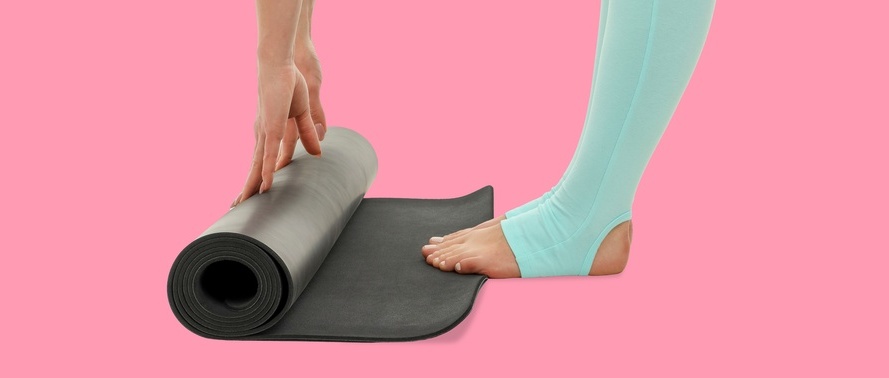
Como se tornar mais flexível
Revisado por Dr Colin Tidy, MRCGPÚltima atualização por Lynn StephenÚltima atualização 23 Jul 2026
Atende aos diretrizes editoriais
- BaixarBaixar
- Compartilhar
- Language
- Discussão
- Versão em Áudio
- Adicionar às fontes preferidas no Google
A palavra flexibilidade evoca a imagem de um iogue avançado se enrolando em nós. Mas a verdade é que a flexibilidade é algo sobre o qual todos precisamos pensar. Independentemente de quão em forma você esteja, se você negligenciar sua flexibilidade, ficará mais propenso a lesões ou poderá se ver incapaz de realizar tarefas diárias à medida que envelhece.
Por que perdemos flexibilidade?
We're born with pretty flexible tendons and joints - as anyone who's seen a baby happily nibbling on their toes can testify. But a few years down the line, most of us have already lost an amount of flexibility simply because we're not using our full range of motion.
Nell Mead, physiotherapist, explains that you start losing flexibility as soon as you go to school and start sitting down more.
"If you don't use the stretchy material within your muscle (filaments) then they become shorter," she says.
In addition, as you get older your body naturally becomes less flexible.
Karen Laing, instructor from Fit School, says that as you age, your tendons, ligaments, and muscles lose elasticity and stretch-ability.
Por que a flexibilidade é importante?
In years gone by, it was believed that the more flexible you were, the better it was for your health. However, we now know it's possible to be too flexible. Flexibility is important as it allows you to do the things you need to do with your body - from tying your shoelaces to fastening your clothing. But too much flexibility, including in conditions such as síndrome de Ehlers-Danlos, may mean less control over the movement of your joints.
People who are hyperflexible might be more prone to artrite because they have less control over the bones in their joints. People with too little are more prone to distensões e entorses.
So how flexible do you need to be?
A quantidade de flexibilidade necessária varia de pessoa para pessoa. Se você espera fazer alguma escalada em montanhas, precisará de um pouco mais de amplitude do que se fizer exercícios caminhando. Além do exercício, todos nós precisamos ter a amplitude de movimento necessária para realizar as tarefas diárias que nos são exigidas.
If you've lost flexibility, whether through age, injury, or insufficient stretching, you may find that you are unable to do a task that was previously in your range of movement. For example, struggling to fasten your bra, or clip your toenails.
One way of ensuring flexibility is maintained is through daily movement and alongamento.
"Try taking your body through its full range of motion every day," advises Mead. "That could be just having a stretch - it could be doing a session of yoga or dance if that's what works for you. The full range every day because then you won't lose it."
Tornando-se mais flexível
Além de manter sua flexibilidade atual, você pode desejar desenvolver mais flexibilidade como parte de um novo regime de exercícios, para prevenir lesões e garantir facilidade de movimento.
If you're starting something new, or finding movement a struggle, it's time to take action. The good news is that if you've lost filament through underuse you can rebuild it and increase your flexibility through stretching. You may find stretching exercises, such as the suggestions at the end of this piece useful. Or you may need to visit a doctor or fisioterapeuta for support.
Mead explains that the differential here is pain.
"If when you try to stretch into a position your arms or back feel sore, it's worth getting checked out as you may have an injury," she says.
Se você não precisa de tratamento médico, há muitas maneiras de aumentar sua flexibilidade - sendo consciente do seu corpo e realizando exercícios de alongamento. O importante aqui é garantir que você execute qualquer exercício de maneira cuidadosa e controlada para obter o máximo benefício.
Flexibilidade como parte do seu treino
If you simply want to improve or maintain your range of movement, the types of exercise you may want to turn to will differ depending on how you want to use your body. Laing recommends ensuring balance in the different exercises and movements you carry out as part of your fitness regime.
"It's about balance. Do you have the following as part of your regular activity programme?" she asks.
Algo para aumentar sua frequência cardíaca regularmente.
Something that gets impact into your joints - such as running or resistance training.
Something that helps with your coordination - for example, a specific class for older adults.
A movement-based class such as Pilates or yoga.
It's easy to neglect flexibility, but crucial to build it into your everyday movement for long-term health and fitness.
Exercícios para ajudar com a flexibilidade
In order to improve flexibility, Laing recommends trying the following moves:
Flexões laterais/alcances (flexão lateral)
Stand with your back against a wall.
Reach your hand down the side of your leg as far as you can and return to standing.
Repeat on the other side.
You could also do this seated on a hard-backed chair.
Torções
You can do this movement standing or on a chair:
Reach one arm behind you allowing your body to twist.
To increase the range, look towards your arm as it reaches.
If you have shoulder mobility issues then fold your arms across your chest and perform the twist this way.
Flexões para frente e para trás (flexão frontal)
A cat stretch is the easiest way to do this movement:
From your hands and knees stretch your back up to the ceiling like an angry cat.
Then reverse the move so your back drops to the floor.
If your knees don't like this move, try a shoulder bridge instead:
Lie on the floor with your feet under your knees.
Slowly roll your spine off the floor until you are in a bridge position.
Then, return to the floor.
Escolhas do paciente para Exercício e atividade física

Vida saudável
Os benefícios para a saúde de se alongar todos os dias
Todos sabemos que os benefícios de alongar antes e depois de se exercitar - ajuda a prevenir lesões e alivia a dor muscular, mas e quanto a tornar o alongamento parte da sua rotina diária? Sem incluir aquele bocejo e alongamento preguiçoso ao sair da cama!
por Georgia Gallant

Vida saudável
Como manter sua rotina de corrida no inverno
Quando está frio e ventando lá fora, correr pode ser a última coisa que você sente vontade de fazer. No entanto, correr no inverno pode ser surpreendentemente agradável se você tiver em mente algumas dicas.
por Abi Millar
Sobre o autorVer biografia completa
Atualizado por

Lynn Stephen
Desenvolvedora de Conteúdo
MA (Hons)
Lynn joined Patient in 2023 and her role includes checking all the professional leaflets, patient information leaflets and medicine leaflets, to ensure consistency of spelling, grammar, reference material and brand style, working with the medical authors and clinical director to coordinate the authoring and peer reviewing of the leaflets.
Autoria de
Gillian Harvey
Escritor Freelancer
BA (Hons) Inglês
Gillian é uma escritora freelancer e colunista para uma variedade de jornais e revistas nacionais.
Sobre o revisorVer biografia completa

Dr Colin Tidy, MRCGP
Médico Generalista, Autor Médico
MBBS, MRCGP, MRCP (Paediatrics), DCH
Dr Colin Tidy é um médico do NHS, baseado em Oxfordshire.
Histórico do artigo
Artigo também disponível em Inglês, Alemão, Espanhol, Francês, Italiano, Português, Hindi, Hebraico, Árabe, e Sueco.
Next review due: 22 Jul 2029
23 Jul 2026 | Última versão
24 Sept 2020 | Publicado originalmente
Escrito por:
Gillian Harvey
Participe da conversa
Compartilhe seus pensamentos ou experiências com outros em nosso comunidades de pacientes.

Pergunte, compartilhe, conecte-se.
Navegue por discussões, faça perguntas e compartilhe experiências em centenas de tópicos de saúde.

Sentindo-se mal?
Avalie seus sintomas online gratuitamente
Inscreva-se no boletim informativo do Patient
Sua dose semanal de conselhos de saúde claros e confiáveis - escritos para ajudá-lo a se sentir informado, confiante e no controle.
Ao se inscrever, você aceita nossos Política de Privacidade. Você pode cancelar a inscrição a qualquer momento. Nunca vendemos seus dados.