
How to get back pain under control
Peer reviewed by Dr Colin Tidy, MRCGPAuthored by Dr Sarah JarvisOriginally published 30 Jan 2020
Meets Patient’s editorial guidelines
- DownloadDownload
- Share
- Language
- Discussion
- Audio Version
- Add to preferred sources on Google
Back pain is incredibly common. 4 in 5 people get it at some point, usually in the low back. It's usually nothing to worry about, starts to improve in days and is gone in a few weeks. But advice on managing acute back pain has changed in recent years and there are symptoms you need to look out for.
Until a decade or two ago, doctors were taught that the best treatment for back pain was bedrest. I've lost count of the number of patients I advised to lie flat on their back for a few days, not getting up for anything except bathroom trips.
But, as the economist John Maynard Keynes is often quoted as saying, "When the facts change, I change my mind. What do you do, sir?" The evidence is now clear that being too inactive can delay your recovery - the muscles supporting your spine get weaker quickly if you don't use them, and stiffness can quickly build up.. So if you have back pain today, your doctor will advise you to keep as active as possible.
Exercise for back pain
Many forms of exercise help prevent further back pain. Regular aerobic exercise (including brisk walking) strengthens the muscles that protect your spine and guards against future misery. Swimming can be especially good if you're in chronic pain.
Clearly that's difficult, especially at first when the pain is severe. So doctors recommend building up slowly - for the first couple of days, you might just be walking around inside the house. As your pain eases, you start venturing out, going further and doing more every day. Obviously we don't want you doing anything that makes your pain much worse, but a small amount of discomfort doesn't mean you're doing more damage.
'Red flag' symptoms
You should always seek urgent medical help if you have any 'red flags' - although there's rarely a serious problem, certain warning signs make it more likely. The features that are likely to go along with back pain depend on the cause:
Cauda equina syndrome
New or rapidly worsening weakness in one or both legs or feet.
Numbness in your legs or around your bottom.
Losing sensation in relation to your bladder (including new incontinence or not being able to pass water).
New loss of bowel control.
Numbness in your 'saddle' area around your back passage.
Spinal fracture
A history of trauma (which may be minor, especially if you have osteoporosis or are taking steroid tablets).
Sudden severe central spinal pain relieved by lying down.
A 'step' in the spine or marked tenderness when you feel it.
Symptoms suggestive of possible cancer (especially if you're over 50 years old)
Pain that gradually gets worse, not better.
Severe pain that doesn't improve when you lie down, causes pain at night and may wake you from sleep, or gets worse when you strain (eg, when coughing, sneezing or opening your bowels).
Pain in your mid spine, behind your ribcage.
Pain that doesn't improve within 4-6 weeks.
Pain accompanied by losing weight for no obvious reason.
Having had cancer in the past.
Spinal infection
Fever and feeling unwell in yourself.
Having had TB or a recent urine infection.
Having diabetes.
Using intravenous drugs.
Having problems with your immune system, either because of conditions like blood cancer or HIV, or because of treatments that damp down your immune system.
Longer-term strategies for back pain
In the short term, you may well need painkillers, including non-steroidal anti-inflammatory medicines like ibuprofen or naproxen, or stronger codeine-based treatments. Anti-inflammatory gels or creams contain effective painkillers but have fewer side effects than tablets. But these treatments can have side effects in the longer term, so we're now focusing much more on a 'whole person' approach.
You may well be referred for physiotherapy - these healthcare professionals offer a range of treatments, including advising you on exercises that will strengthen all the relevant muscles safely. Done correctly and regularly, these exercises help relieve pain, strengthen your back and reduce problems in future.
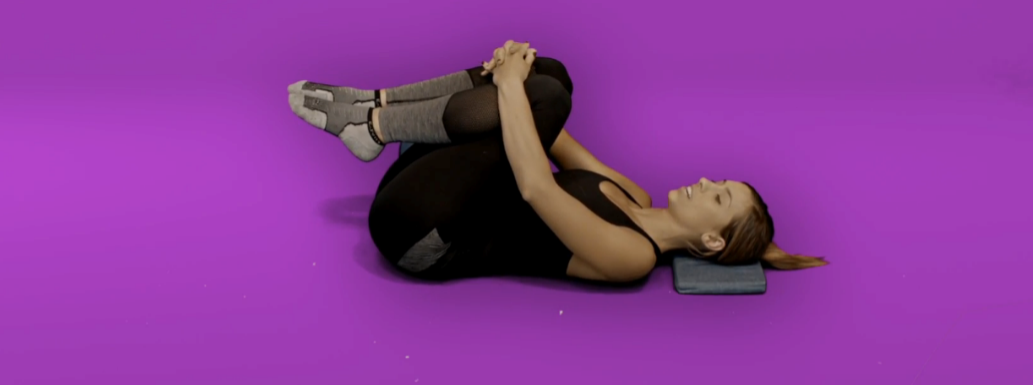
Unfortunately, NHS waiting times for physiotherapy can be long - while you're waiting, you can watch our physiotherapist take you through a series of exercises and download the accompanying exercise sheet.
For longer-term pain, you may be referred to group treatments for help with a structured exercise programme. You may also be offered counselling to help you cope with long-term pain.
Learning to be 'back aware' is key to avoiding future injuries. This includes lifting properly (knees bent, back slightly flexed, always keeping what you're lifting directly in front of you) and getting the right position at your desk when you're working. Some people swear by Pilates or Alexander technique, which can also help posture.
Could your SI joint be the culprit?
One of the most common culprits where low back is concerned is your sacroiliac (SI) joint. That's the v-shaped joint connecting the bottom of your spine with the pelvic bones at the back. It's where the top half of your skeleton connects to the whole bottom half, so it's not surprising it comes under strain.
For most people, treatment for SI joint problems is the same as for other types of low back pain. Many people respond well within weeks. But in a minority, the problem is severe and long-lasting. Until recently, there's been little left to offer if non-surgical treatments haven't worked.
But NICE has now approved a new implant called iFuse for people who have proven severe SI joint pain not controlled with non-surgical measures. That means it's available on the NHS, although it takes extra training so isn't done that widely yet. It can be implanted using 'minimally invasive' surgery taking under an hour by an experienced surgeon. Because it stops the two sides of the joint moving, relief should be immediate, but bone also grows through the implant over the next few months.
With thanks to 'My Weekly' where this article was originally published.
Patient picks for Back pain
Bones, joints and muscles
Video: Back pain exercises
Back pain is very common but in most cases is not caused by a serious problem. Most cases of back pain resolve on their own within two weeks, and full recovery is made within four to six weeks.
by Lilly Sabri, MHPC

Bones, joints and muscles
Can a standing desk really help your back pain?
I'll admit it - I'm a sloucher. I've been a committed sloucher since my schooldays where sitting up straight wasn't the posture to adopt if you wanted to be of one of the cool kids. Fast-forward twentyish years and those sloppy sitting days have come back to haunt me.
by Danny Chadburn
About the authorView full bio
Authored by

Dr Sarah Jarvis
Clinical Consultant
MA (Cantab), BM, BCh (Oxon), DRCOG, FRCGP, MBE
After training in medicine at Cambridge and Oxford, Dr Sarah Jarvis MBE became a GP.
About the reviewerView full bio

Dr Colin Tidy, MRCGP
General Practitioner, Medical Author
MBBS, MRCGP, MRCP (Paediatrics), DCH
Dr Colin Tidy is an NHS Doctor, based in Oxfordshire.
Article history
Article also available in English, German, Spanish, French, Italian, Portuguese, Hindi, Hebrew, Arabic, and Swedish.
30 Jan 2020 | Originally published
Authored by:
Dr Sarah JarvisPeer reviewed by
Dr Colin Tidy, MRCGP
Join the conversation
Share your thoughts or experiences with others in our patient communities.

Ask, share, connect.
Browse discussions, ask questions, and share experiences across hundreds of health topics.

Feeling unwell?
Assess your symptoms online for free
Sign up to the Patient newsletter
Your weekly dose of clear, trustworthy health advice - written to help you feel informed, confident and in control.
By subscribing you accept our Privacy Policy. You can unsubscribe at any time. We never sell your data.