
Wimbledon serves as a reminder: take your joint pain seriously
Peer reviewed by Dr Colin Tidy, MRCGPLast updated by Victoria RawLast updated 2 Jul 2026
Meets Patient’s editorial guidelines
- DownloadDownload
- Share
- Language
- Discussion
- Audio Version
- Add to preferred sources on Google
As Wimbledon captures the nation’s attention, a leading knee specialist is urging us all - especially tennis enthusiasts - not to neglect our joint health.
While tennis is a fantastic way to stay active and social, it’s also a sport that can place strain on your hip and knee joints. This is due to movements such as sharp pivots, sudden stops, and lunges - particularly on hard courts.
In fact, former GB tennis champion Andy Murray is no stranger to joint pain. During his 20-year career, he underwent many surgeries to treat long-term hip degeneration - including a joint resurfacing procedure. This allowed him to continue competing until he retired from professional tennis last year.
According to Sport England, more than 250,000 people aged 55 and over now play tennis regularly. With more older adults picking up the racquet, the timing is ideal to raise awareness of joint care - especially for hips and knees which can take significant impact during a game, whatever your standard of play.
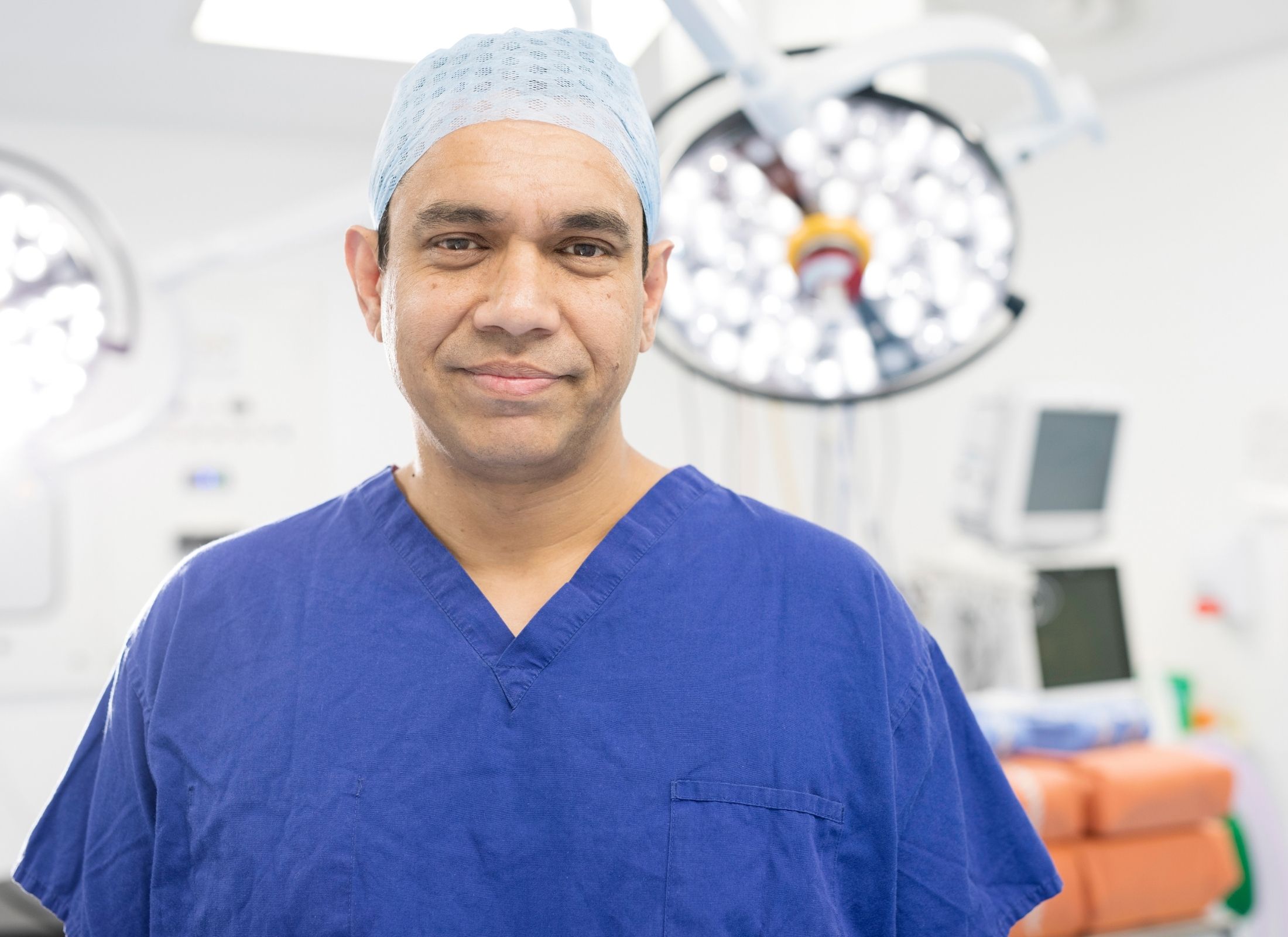
Dr Nurul Ahad, Consultant Orthopaedic Surgeon and Medical Director, Practice Plus Group, UK says it’s crucial to look after our joints at any age.
“Knees and hips are two of the hardest working joints in your body," he explains. "They support nearly every movement we make - from walking and bending to sports such as tennis or running. And yet, they’re often ignored when discomfort starts.”
Dr Nurul Ahad, Consultant Orthopaedic Surgeon and Medical Director, Practice Plus Group, UK
It could be arthritis – don’t delay
Ahad warns that many people don’t realise they’re living with symptoms of osteoarthritis, cartilage or ligament damage until their pain becomes difficult to ignore.
He says: “If you're feeling stiffness, swelling, or pain that doesn’t go away it could be more than just wear and tear. These can often be an early sign of arthritis.
"You might also notice your leg starting to bow slightly, or that you're struggling to climb stairs and have less range of movement. These aren’t things to brush off and are best checked as soon as possible.”
Movement is medicine
Ahad says there is plenty that can be done to protect your joints - from choosing lower impact sports to supporting joints through building muscle strength.
“Movement is medicine," he explains. "Low-impact exercises - such as cycling, swimming, and walking are incredibly effective in strengthening the surrounding muscles without overloading the joint. And for those already having discomfort, it's often about modifying - not stopping - your activity.
“It’s also important to work on muscle strength. Strong glutes, quads, and hamstrings act like shock absorbers for knees and hips. But when we stop exercising due to pain, those muscles weaken, which can make the problem worse. That’s why keeping up with strengthening and stretching is so important - even a few minutes a day at home can make a difference.”
Support joints with a balanced diet
What you eat can also affect joint health - choosing a balanced diet and keeping weight in check can help keep budding tennis players in the game for longer.
Ahad says: “Maintaining a healthy weight dramatically reduces the pressure on your joints. Every extra pound you carry can add several pounds of force to your joints with each step, so eating well is a must.
“There’s growing evidence that diets rich in omega-3s - like oily fish - along with olive oil, berries, leafy greens, and nuts, can support joint health. On the flip side, reducing processed foods and red meats may help ease inflammatory symptoms, especially in people with arthritis."
He adds that supplements can be beneficial for some too - such as glucosamine, chondroitin, or collagen.
"While the science is mixed, they’re safe for most and may be worth trying if you're struggling," he says.
Act sooner rather than later
If all else fails, Ahad advises seeing your doctor or consultant as soon as possible. Delaying can inevitably make the issue worse and may lead to further complications.
Ahad concludes: “Don’t ignore persistent knee pain - it could be your body asking for help. Early intervention - whether through physiotherapy, lifestyle changes, or in some cases, surgery - can make a big difference.
"With timely joint surgery, you can avoid long-term damage and stay on the courts longer - just be sure to moderate your game and only begin playing again when you are fully recovered. Then think more gentle rallies rather than a Centre Court performance.”
Patient picks for Joint health

Healthy living
What the World Cup can teach us about staying active
The World Cup is underway, and millions around the globe are glued to their screens, captivated by the skill, drama, and physical performance on display. Few sporting events command attention quite like football. But what if that fascination could be channelled into something more than spectatorship? What if the excitement of watching athletes compete could motivate us to become more active in our own daily lives? We spoke with a psychotherapist who explains how drawing inspiration from a sport you love can be a powerful first step towards boosting your own fitness.
by Victoria Raw

Bones, joints and muscles
How to treat tennis elbow at home
Tennis elbow treatment aims to reduce pain, protect the tendon, and help the arm recover. Most cases improve on their own with simple home measures, but severe cases may require physiotherapy, steroid injections, or surgery.
by Josh Alderman
About the authorView full bio
Updated by

Victoria Raw
Feature Writer
BA (Hons), English Literature
Victoria is a content writer at Patient, with special interests spanning mental wellbeing, societal trends and the impact of technology on our health.
Authored by
Victoria Raw
Feature Writer
BA (Hons), English Literature
Victoria is a content writer at Patient, with special interests spanning mental wellbeing, societal trends and the impact of technology on our health.
About the reviewerView full bio

Dr Colin Tidy, MRCGP
General Practitioner, Medical Author
MBBS, MRCGP, MRCP (Paediatrics), DCH
Dr Colin Tidy is an NHS Doctor, based in Oxfordshire.
Article history
Article also available in English, German, Spanish, French, Italian, Portuguese, Hindi, Hebrew, Arabic, and Swedish.
Next review due: 2 Jul 2029
2 Jul 2026 | Latest version
8 Jul 2025 | Originally published
Authored by:
Victoria Raw
Join the conversation
Share your thoughts or experiences with others in our patient communities.

Ask, share, connect.
Browse discussions, ask questions, and share experiences across hundreds of health topics.

Feeling unwell?
Assess your symptoms online for free
Sign up to the Patient newsletter
Your weekly dose of clear, trustworthy health advice - written to help you feel informed, confident and in control.
By subscribing you accept our Privacy Policy. You can unsubscribe at any time. We never sell your data.