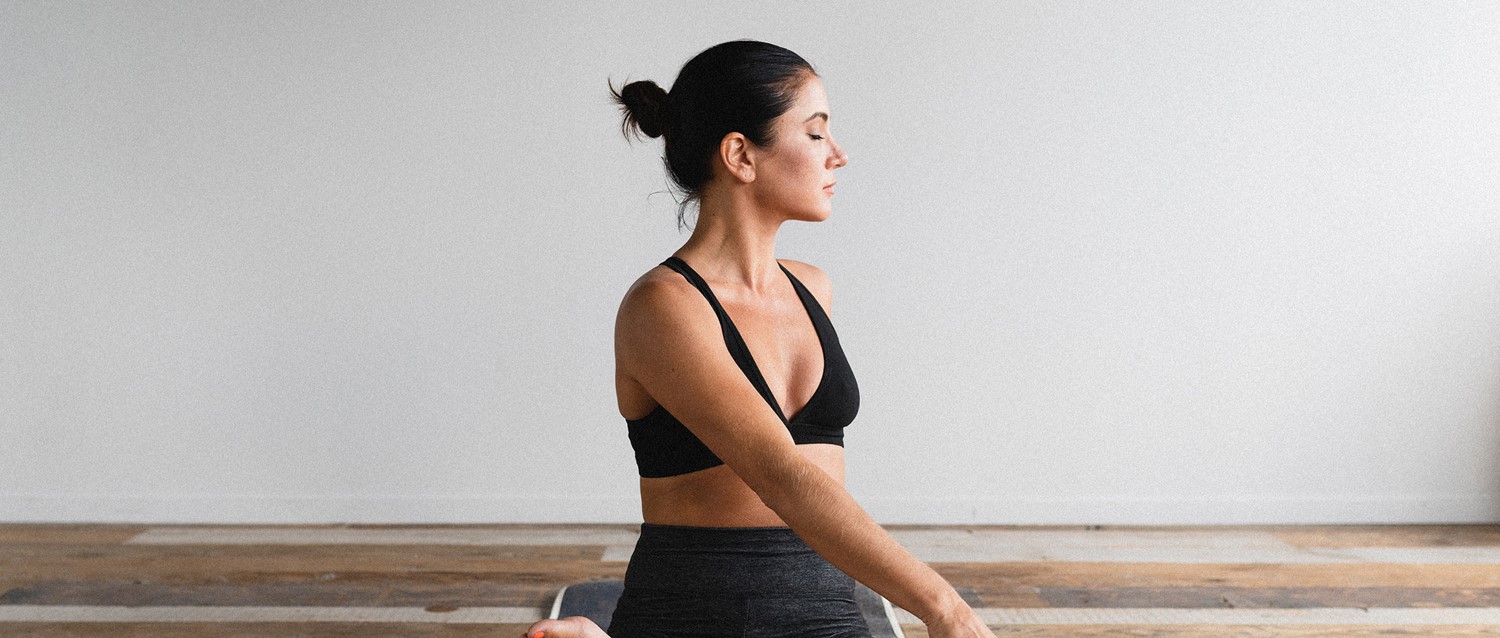
The breathing techniques to try if you have anxiety
Peer reviewed by Dr Sarah JarvisAuthored by Abi MillarOriginally published 15 Aug 2019
Meets Patient’s editorial guidelines
- DownloadDownload
- Share
- Language
- Discussion
- Audio Version
- Add to preferred sources on Google
Shallow, rapid breathing is one of the key physical symptoms of anxiety. This means deepening and controlling your breathing can be an effective means of calming yourself down.
Mental health support for adults and children
Online CBT and psychological therapy for adults and children aged 8–17. Onebright’s accredited clinicians support people experiencing anxiety, depression and other emotional challenges.
If you deal with anxiety, you're probably aware it's as much a physical condition as a mental one. During a bout of anxiety, the body goes into 'fight or flight mode', responding to the perceived danger with a surge of adrenaline and cortisol. You may experience a faster heart rate, dizziness, hot flushes, sweating, dry mouth, headache and feeling sick.
Perhaps the most obvious physical symptom, however, is changes to the way you breathe. During periods of anxiety - and especially during panic attacks - your breathing will often become shallower, and you may even start to hyperventilate.
As Nicky Lidbetter, CEO of Anxiety UK, explains, shallow or thoracic breathing - as opposed to deep 'diaphragmatic' breathing - is characteristic of anxiety.
"Shallow or thoracic breathing is easy to spot as inhalation is through the mouth, involves holding the breath and generally taking in less air," she says. "Often the shoulders and chest can be seen to be moving. Shallow breathing keeps the body in a cycle of stress, which in turn activates the sympathetic nervous system, getting the body ready for action."
During deep breathing, by contrast, the belly expands on the inhale and flattens on the exhale (if you place your hand there, you'll be able to feel it move).
“This type of breathing activates the parasympathetic nervous system - the part of the nervous system that is responsible for resting and digesting," says Lidbetter. "Diaphragmatic breathing slows the heart rate, which can help reduce feelings of anxiety."
How breathwork can help
What this means is that 'breathwork' - controlling your breathing - can be a surprisingly effective tool. Since the mental and physical aspects of the equation are so entangled, turning your attention to what's going on in the body can directly benefit the mind.
"Breath is key to dealing with anxiety, both as a first-aid measure and as a daily practice to work towards reduction of the anxiety itself," say Michelle Deane and Jo Gee, a holistic therapist and a CBT therapist respectively at the Luna Hive. "It sounds contrary to consider working with breathwork techniques when we are struggling to breathe properly. But focusing on our breath is an extremely powerful tool to calm things down quickly."
Richie Bostock, otherwise known as @thebreathguy, is a breathwork teacher who teaches classes via the Fiit app. He maintains that working with your breath can help control your mental, physical and emotional state, and points out that using your breath with purpose is the easiest way to affect the parasympathetic nervous system.
"Because breathwork bridges the gap between physical activity and things like meditation and mindfulness, it is very appealing for people who are interested in moving into the meditation space, but find that a little intimidating or challenging," he says. "Breathwork uses breathing patterns, like connecting the inhale to the exhale without pausing between the two. This restores balance to the stress response systems, instantly relieving feelings of anxiety or stress."
Some techniques to try
While there are a number of different breathwork techniques, the common theme is that they concentrate on drawing the breath deeper into the abdomen instead of the chest.
One exercise involves breathing in through the nose for four seconds, holding the breath for two seconds, and breathing out through the mouth for six seconds.
"Place one hand on the chest and another on the stomach. Breathe in deeply whilst pushing your stomach out," says Lidbetter. "The hand on your stomach should move but the hand on your chest should not. As you breathe out, you should feel your stomach going flat. Your chest and shoulders do not move during deep breathing and instead stay still and relaxed. During this exercise, say in your mind: "In 2 3 4, hold 1 2, out 2 3 4 5 6” repeat." Repeat 10 times.
A simpler iteration of this exercise (recommended by Deane and Gee) is to inhale for a count of three, hold for a count of one, and exhale for a count of three. You should breathe through the nose, while staying upright to support opening of the lungs and abdomen.
Alternatively, if you're more experienced with breath control and feel comfortable holding your breath, you could try box breathing - where the breath is broken down into four equal parts, like the sides of a square. (Bostock suggests inhaling for a count of five, holding for a count of five, exhaling for a count of five, and holding for a count of five, repeating the pattern for at least five minutes or until you've felt yourself calm down.)
Mastering the techniques
Of course, breathing techniques alone are unlikely to 'cure' anxiety, but they can certainly be useful - especially if embedded into your daily routine. Lidbetter says apps such as Headspace (available through the Anxiety UK membership scheme) can be a good place to start.
"Faulty breathing is something that many of us slip into when leading stressful and full lives," she says. "Thankfully it is relatively easy to correct such patterns with practice and commitment. Learning to breathe from the diaphragm is something that anyone who experiences anxiety would benefit from doing and can be enough in itself to reduce anxiety, or can be used as an adjunct to other treatment programmes for anxiety, such as cognitive behavioural therapy (CBT)."
If you haven't attempted these kinds of breathing techniques before, it's best to give them a go when you're not in panic mode. Deane and Gee suggest incorporating them into a meditation practice, which if practised regularly can reap rewards.
"There are also many pranayama yoga techniques known to help with stress and anxiety," they say. "However, it is recommended that these are learned from a qualified teacher. These include alternate nostril breathing and cooling breaths."
Through practising these kinds of techniques regularly, you'll find it easier to deploy them when in a state of panic or stress.
Patient picks for Anxiety
Mental health
How to cope with climate change anxiety
Campaigns from charities, worldwide protests and research into the effects of human activity are gripping the media and bringing attention to the climate crisis. But if it's leaving you anxious, you are not alone.
by Milly Evans
Mental health
The link between anxiety and insomnia
Not being able to sleep, whether it's not being able to fall asleep or waking up throughout the night, is incredibly frustrating - but the feeling of anxiety that often accompanies it can be debilitating too. Insomnia is often attributed to anxiety, as many of us brood on worries in the quiet of night. In turn, sleeplessness makes us exhausted, irritable and foggy, which can make anxiety during the day worse. So what is the relationship between the two - and which triggers the other?
by Lydia Smith
About the authorView full bio

Abi Millar
Freelance Journalist
BA (Hons), MA
Abi is a freelance journalist with a special interest in health and medicine writing.
About the reviewerView full bio

Dr Sarah Jarvis
Clinical Consultant
MA (Cantab), BM, BCh (Oxon), DRCOG, FRCGP, MBE
After training in medicine at Cambridge and Oxford, Dr Sarah Jarvis MBE became a GP.
Article history
Article also available in English, German, Spanish, French, Italian, Portuguese, Hindi, Hebrew, Arabic, and Swedish.
15 Aug 2019 | Originally published
Authored by:
Abi MillarPeer reviewed by
Dr Sarah Jarvis
Join the conversation
Share your thoughts or experiences with others in our patient communities.

Ask, share, connect.
Browse discussions, ask questions, and share experiences across hundreds of health topics.

Feeling unwell?
Assess your symptoms online for free
Sign up to the Patient newsletter
Your weekly dose of clear, trustworthy health advice - written to help you feel informed, confident and in control.
By subscribing you accept our Privacy Policy. You can unsubscribe at any time. We never sell your data.
More in mental health
- Body positivity: 7 daily habits for self-love and acceptance at any age
- CBT for insomnia: how does it work?
- Facing your fear of the doctor: tips for easing medical anxiety
- Gaynor Faye on Hot Flash, menopause - and why midlife women deserve to be seen
- Helping your child cope with stress and worry over Christmas
- How to cope with retirement depression
- How to cope with the stress of being a new parent
- How to deal with stress through exercise
- How to help your child with back-to-school anxiety
- How to manage stress when living with cardiomyopathy
- How to talk to people about your mental health
- Managing PTSD during fireworks season
- Movember spotlight: black men's mental health
- Physical symptoms of grief: How grieving affects the body
- Should I switch antidepressants?
- Transform your sleep: a guide to overcoming stress dreams
- What are the symptoms of burnout?
- Why are UK students the most stressed over studying maths?
- Why you should take up a creative hobby this year