Febre
Temperatura alta
Revisado por Dr Hayley Willacy, FRCGP Última atualização por Dr Colin Tidy, MRCGPLast updated 8 Sept 2024
Atende aos diretrizes editoriais
- BaixarBaixar
- Compartilhar
- Language
- Discussão
- Versão em Áudio
- Add to preferred sources on Google
A fever, also known as a high temperature or high fever, is when your body temperature temporarily rises above 38°C (100.4°F). Fever itself is not an illness and is usually a symptom of an underlying condition, such as an infection.
This leaflet explains the what causes a fever, signs you have a fever, and when you should see a doctor.
Neste artigo:
Video picks for Febre
Pontos principais
Fever is a body temperature that is above 38°C (100.4°F), most often caused by viral or bacterial infections, but can be a sign of something more serious.
Common signs include increased temperature, chills, sweating, headache, fatigue, and muscle aches.
You can check if you have a high temperature by feeling if your chest and back are hotter than normal or by using a digital thermometer.
Treatment includes getting plenty of rest, drinking fluids, and taking paracetamol or ibuprofen to ease discomfort.
You should see a doctor immediately if you still have a high temperature after trying treatments at home.
Continue lendo abaixo
O que é uma febre?
Body temperature fluctuates slightly throughout the day. Normal temperature varies depending on the person, the body site where temperature is measured, and the time of day. A temperature above the normal range is known as a fever (or pyrexia).
O que é uma febre?
What temperature is a fever?
Voltar ao conteúdoIt is usually agreed that a person with a temperature of 38 degrees (38°C) or higher has a fever. However, a temperature over 37.5°C can be considered to be a mild or low grade fever. Fevers occur in both children and adults and are very common, particularly in children. Fevers are often accompanied by sweating. Also see Febre em crianças.
Continue lendo abaixo
What is a normal temperature?
Voltar ao conteúdoThe normal body temperature changes throughout the day. These changes can be caused by exercise, eating, sleeping and even the time of day. The temperature is usually highest in the early evening and lowest in the early hours of the morning.
The average body temperature, taken with a digital thermometer in your mouth (oral temperature), is 37°C (98.6°F), but anywhere between 36.5°C (97.7°F) and 37.2°C (98.96°F) is considered normal. Armpit temperatures tend to be 0.2°C to 0.3°C lower than this.
What causes a fever?
Voltar ao conteúdoHigh temperature (fever) is caused by the release of certain chemicals by the immune system, usually as a result of infection or inflammation.
Most fevers are caused by infections or other illnesses. Viral infections are the commonest causes of a fever. The high body temperature makes it more difficult for the germs (bacteria or viruses) which cause infections to survive.
Fever caused by infections
Common conditions that can cause fevers include:
Respiratory tract infections and colds: see the separate leaflet called Common cold (Upper respiratory tract infections).
Gripe (influenza): see the separate leaflet called Flu.
Infecção do intestino (gastroenterite): see the separate leaflets called Gastroenterite em crianças e Gastroenterite.
Infecções de ouvido: see the separate leaflet called Ear infection (Otitis media).
Infection of the tonsils: see the separate leaflet called Tonsillitis.
Kidney or urinary tract infections: see the separate leaflets called Infecção urinária em crianças, Cistite em mulheres, Infecção urinária na gravidez, Infecção urinária em homens, Infecção renal (Pielonefrite) e O que os rins fazem?
Common childhood illnesses: for example, chickenpox (varicella), scarlet fever, rubella and whooping cough (pertussis). See the separate leaflets called Catapora em crianças, Escarlatina, e Coqueluche.
If developing a fever after having been abroad, it is important to seek medical advice. Certain infections that can be caught abroad (such as Malária, typhoid or yellow fever) can cause a fever.
A child's temperature can also be raised when their teeth start to develop (their teething period), following some vaccinations, or if overheating because of too much bedding or clothing. See the separate leaflets called Erupção dos dentes, Imunização e Morte súbita infantil.
Fever caused by other conditions
Fever can be caused by conditions other than infections but this is less common. For example, blood clots in the leg or lung can occasionally lead to a fever developing. See the separate leaflets called trombose venosa profunda e Embolia pulmonar.
There are some health conditions that cause inflammation in the body and these can also cause fevers at times. See the separate leaflets called Artrite reumatoide e Lúpus eritematoso sistêmico.
There are also some types of cancer which can lead to a fever developing. See the separate leaflet called Cancer.
Sometimes the cause of the fever is not clear. This is called a fever of unknown origin.
Continue lendo abaixo
How common is a fever?
Voltar ao conteúdoA high temperature (fever) is very common, particularly in children. Around 3 out of 10 young children have a fever every year. Older adults are less likely to develop a high temperature when they get an infection; however, older adults who do develop a fever with an infection have been shown to be more likely to recover quickly.
How do I take my temperature?
Voltar ao conteúdoThere are different ways of taking a temperature with a thermometer. A thermometer can be placed either under your armpit or in your ear. The forehead thermometers are no longer recommended as they are less accurate. Rectal thermometers are no longer usually used in the UK.
As a parent it can feel worrying if a child has a high temperature (fever). However, having a fever is very common and usually settles by itself without treatment.
Signs of fever
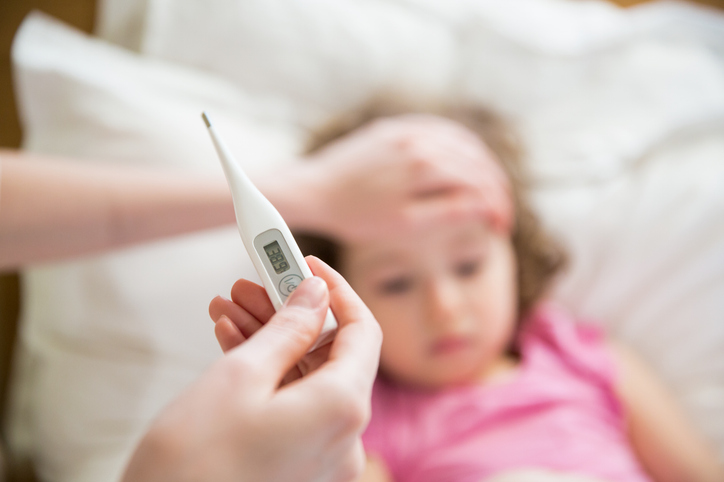
Using a thermometer is the best way to tell if there is a fever. However the following will give a rough idea:
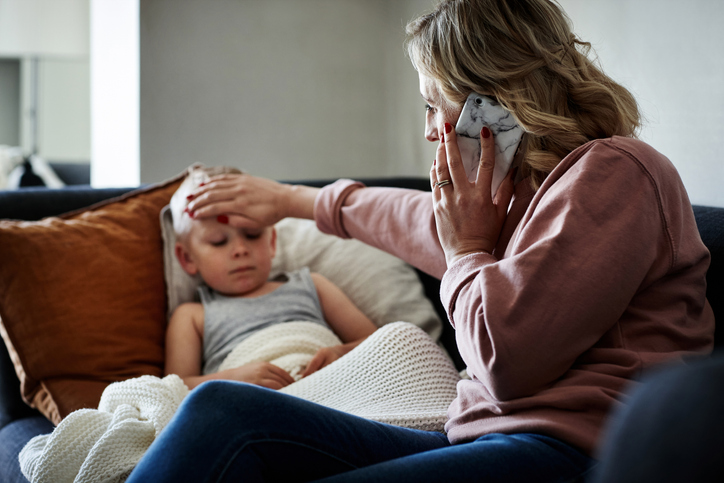
The forehead may feel hot when felt with the back of the hand. This is much more sensitive to temperature than the palm.
Cheeks may be flushed.
Feeling hotter than others around.
How to reduce a fever
Voltar ao conteúdoNote: Fever usually responds well to medication such as paracetamol and ibuprofen. However, these medicines do not "cure" a fever and, as soon as the medication wears off, the temperature will increase again. This is normal and, if wanting to reduce the fever, then regular medication will need to be given.
Fever in adults
How do you deal with a fever in adults?
A high temperature (fever) is usually associated with physical discomfort and most people feel better when a fever is treated. However, depending on age, physical condition and the underlying cause of the fever, it may be best not to treat the fever.
Many experts believe that fever helps the body fight off infections naturally.. There is some evidence that fever reduces the severity of infections and helps faster recovery. However, paracetamol and ibuprofen will both reduce the fever if needed. It is important to drink plenty of fluids to avoid becoming dehydrated from sweating.
If there is an obvious cause for the fever, for example a flu-like illness with aches and pains and headaches, then treating the symptoms with paracetamol or ibuprofen will also help the underlying fever. If there is a bacterial infection, for example a urine infection, then antibiotics will be needed to treat the infection but these will not reduce the fever itself.
Tests may sometimes be needed if there is no obvious cause for the fever.
Testing may include:
Febre em crianças
How do you deal with a fever in children?
In children, paracetamol and ibuprofen are only recommended if the child is distressed with the fever.
Warm (tepid) sponging is no longer recommended for children to treat a fever. Drinking plenty of fluids is very important during a fever. Keeping fluid levels up is important to reduce the risk of dehydration. It is also important to make sure they are not wearing too many clothes - one layer is fine.
Nota: in children, giving paracetamol or ibuprofen does not reduce the risk of a seizure caused by a fever occurring. See the separate leaflet called Febrile seizure (Febrile convulsion).
When should you see a doctor about a fever?
You should contact a doctor if there is a high temperature (fever) and:
A child is under 3 months of age.
A child is 3-6 months of age with a fever of 39 degrees or more.
A child has a fit.
There is a rash that does not disappear when pressing a glass on it (a non-blanching rash), This is a potential medical emergency that requires attendance at an emergency department.
The person with the fever is becoming more unwell, for example with shortness of breath or chest pain.
A fever lasts longer than five days.
There is no obvious cause of the fever - for example, no cough or cold symptoms.
There may be a bacterial infection causing of the fever - for example, a urinary tract infection or a red hot swollen joint.
Note: Fever itself is not harmful. Many people think they need to seek medical advice when a temperature reaches, for example, 39 degrees in a toddler. If there is an obvious cause for the temperature (for example, a cold with a runny nose) then medical advice does not need to be sought just because of the height of the temperature. This advice is different for babies under 6 months of age.
Perguntas frequentes
Voltar ao conteúdoWhat are the types of fever?
Common types include continuous fever, where the temperature stays high with little variation, intermittent fever, where it comes and goes, and remittent fever, where it rises and falls but never fully returns to normal.
What is a fever dream?
A fever dream is a vivid or unsettling dream that happens when you have a fever. The changes in brain activity and sleep patterns can make your dreams feel more intense, strange, or even frightening. They usually pass once the fever settles.
Patient picks for Febre
Sinais e sintomas
Calafrios
Os calafrios são episódios em que sua temperatura aumenta - muitas vezes de forma bastante rápida - enquanto você tem tremores intensos acompanhados por uma sensação de frio ('os arrepios'). A febre pode ser bastante alta e os tremores podem ser bastante dramáticos.
por Dr. Toni Hazell, MRCGP
Sinais e sintomas
Febre em crianças
Uma febre ocorre quando a temperatura do corpo está acima do normal. A temperatura corporal normal varia um pouco, mas uma temperatura acima de 38°C é considerada febre. Às vezes, o limite superior do normal é considerado 37,5°C ou 37,8°C - para consistência, este artigo usará 38°C como o limite para uma temperatura alta. Este artigo é especificamente sobre febre em crianças.
por Dra. Philippa Vincent, MRCGP
Leitura adicional e referências
- Febre em menores de 5 anos: avaliação e manejo inicial; Orientação NICE (última atualização em novembro de 2021)
- Crianças febris - avaliação e gestão de risco; NICE CKS, junho de 2023 (acesso apenas no Reino Unido)
- Fever and High Temperatures; Alder Hey Hospital
- Fever in the Elderly; Norman
Continue lendo abaixo
About the authorView full bio

Dr Colin Tidy, MRCGP
Médico Generalista, Autor Médico
MBBS, MRCGP, MRCP (Paediatrics), DCH
Dr Colin Tidy é um médico do NHS, baseado em Oxfordshire.
About the reviewerView full bio

Dr Hayley Willacy, FRCGP
Médico Generalista, Autor Médico
MBChB (1992), DRCOG, DFFP, MRCOG (Part 1) MRCGP (2007), DFSRH (2013), MSc - medical education (2020)
Dr Hayley Willacy was an NHS GP working in northwest England, who retired from clinical practice in 2022 after 30 years.
Histórico do artigo
As informações nesta página são escritas e revisadas por clínicos qualificados.
Next review due: 7 Sept 2027
8 Sept 2024 | Última versão

Pergunte, compartilhe, conecte-se.
Navegue por discussões, faça perguntas e compartilhe experiências em centenas de tópicos de saúde.

Sentindo-se mal?
Avalie seus sintomas online gratuitamente
Inscreva-se no boletim informativo do Patient
Sua dose semanal de conselhos de saúde claros e confiáveis - escritos para ajudá-lo a se sentir informado, confiante e no controle.
By subscribing you accept our Política de Privacidade. Você pode cancelar a inscrição a qualquer momento. Nunca vendemos seus dados.