
Você está muito dependente de analgésicos?
Revisado por Dr Krishna Vakharia, MRCGPAutoria de Dr Sarah JarvisPublicado originalmente 30 Jan 2023
Atende aos diretrizes editoriais
- BaixarBaixar
- Compartilhar
- Language
- Discussão
- Versão em Áudio
- Adicionar às fontes preferidas no Google
Praticamente todos nós já tomamos analgésicos em algum momento de nossas vidas, e eles certamente podem oferecer alívio temporário da dor. Mas as diretrizes nacionais do NICE (Instituto Nacional de Excelência em Saúde e Cuidados) incentivam os médicos a evitá-los para muitas pessoas com dor. Não é porque eles querem que alguém sofra - longe disso. É por causa do risco de se tornar viciado em analgésicos prescritos, o que pode causar ainda mais problemas do que a dor original.
There's no question that use of illegal drugs is widespread: in England and Wales, around 1 in 11 16-59 year-olds (around 3 million people) and 1 in 5 16-24 year-olds - around 1.1 million people - reported using drugs in the year ending June 2022. 862,000 of these are frequent drug users who take illicit drugs at least once a month. Although more than 4 in 10 16-24 year-olds e 16-59 year-olds who take these drugs do so only once or twice a year.
Is there a problem with prescription painkillers?
In addition to illicit drug use and use of legal recreational drugs, millions of people in the UK take painkillers regularly. A 2021 survey found that 1 in 10 UK residents have overused prescription pain medication. The government was so concerned about painkiller addiction that in 2015 it set up an All-Party Parliamentary Group on prescribed drug dependence. The government believes that if the issues continue, we could be heading for a public health disaster along the lines of that seen in the USA.
What are strong painkillers?
There are many different types of painkiller. 'Non-opioid' painkillers such as paracetamol are not addictive. Neither are medicamentos anti-inflamatórios não esteroides (NSAIDs) such as ibuprofen. However, for severe pain, stronger painkillers called opioides are often prescribed. These medicines are related to morphine and include codeína, dihidrocodeína, tramadol, morfina, fentanil, oxicodona, buprenorfina e diamorfina.
What are the risks of opioid painkillers?
Prescriptions for opioid painkillers aumentado from three to 23 million between 1991 and 2014. Even though by 2018 they were slowly starting to fall, levels are still much higher than they were 25 years ago. Sometimes these are prescribed for a fairly short period - say, to cope with pain while recovering from surgery. Sometimes the risk of addiction is much less than the need to control pain completely - for instance, in people with cancer needing end-of-life care.
But chronic pain affects between 1 in 2 and 1 in 3 adults in the UK - just under 28 million people. The most common reason for chronic pain is muscle and joint problems - musculoskeletal conditions. Symptoms of osteoartrite, back e dor no pescoço can last for years and paracetamol makes little difference. In fact, national guidance recommends that paracetamol shouldn't be prescribed for back pain or osteoarthritis because it doesn't work.
As a consequence, many patients turn to stronger, opioid painkillers.
Unfortunately, all of these carry a risk of painkiller addiction - and the stronger they are the greater the risk. Most people never imagine they can become addicted to medicines prescribed by a doctor, but that's not true.
What are addictive drugs?
Addictive drugs share certain properties. As time goes on, you become tolerant of the drug - in other words, you need higher and higher doses to have the same effect. If you don't get the drug, you start to crave it - you can't think about anything other than your next dose. And if you stop it suddenly, it leads to withdrawal symptoms.
Because strong painkillers are so addictive, they have less and less effect as time goes on. That means the dose you were prescribed may not control your pain. The longer you've been taking a painkiller, and the higher the dose, the more likely it is that you will find yourself relying on them.
What are the signs of painkiller addiction?
Signs of painkiller addiction may come on gradually, but over time they start to have more and more impact on your ability to function. They can be broadly divided into behavioural, psychological, physical and cognitive.
Behavioural symptoms include:
Taking a higher dose of medication than you've been prescribed.
Running out of medicine early.
Exaggerating your pain to get more medicine.
Borrowing painkillers from friends.
Going to multiple pharmacists to get supplies of non-prescription opioid painkillers.
Hiding medicine or medication packaging.
Thinking about your medication, and when you can get your next dose, all the time.
Spending less time with family and friends.
Psychological symptoms include:
Cognitive symptoms include:
Feeling confused or disorientated.
Struggling to concentrate.
Making poor decisions.
Having hallucinations or delusions.
Physical symptoms include:
Problems sleeping or sleeping too much.
Feeling itchy.
Excess sweating.
Perder o apetite.
Pinpoint pupils.
What should I do if I'm worried about painkiller addiction?
If you're concerned about your painkiller intake, do speak to your doctor. They are very used to helping people with this sort of problem, and they won't judge you. Instead, they can help work with you to develop a plan to reduce or even stop your tablets.
The process isn't quick and you'll need to tail off slowly. Your doctor can also help with other non-drug treatments that can help your pain. For instance, fisioterapia, exercícios regulares and sometimes counselling have been found to be very effective for helping many people manage pain.
Com agradecimentos à revista 'My Weekly', onde este artigo foi originalmente publicado.
Escolhas do paciente para Informações sobre medicamentos

Tratamento e medicação
Você deve se preocupar com o vício em analgésicos?
Graças aos analgésicos, somos capazes de aliviar muitos tipos de dor que afligiam nossos antepassados. Mas o vício em analgésicos é um risco sério se você os tomar por muito tempo. Como saber se você está viciado e o que pode fazer?
por Amberley Davis
Tratamento e medicação
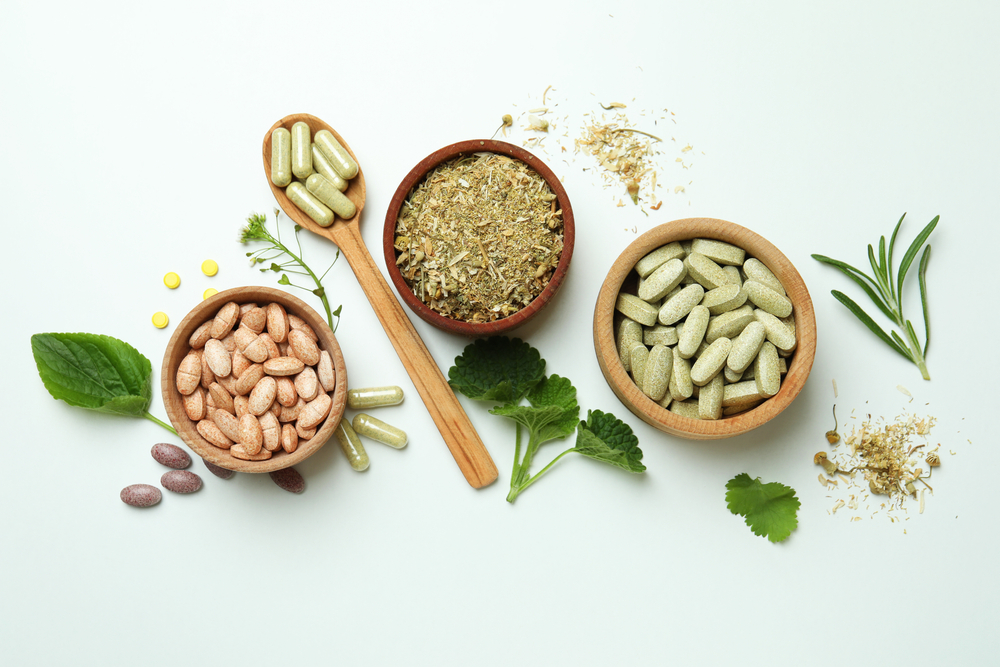
Os remédios à base de plantas realmente funcionam?
Herbal medicines have been used for centuries to treat a wide range of health conditions. Many people choose them because they're seen as a natural alternative to conventional medicine. But do herbal medicines actually work - and are they safe to take?
por Heather Ainsworth
Sobre o autorVer biografia completa

Dra. Sarah Jarvis
Consultora Clínica
MA (Cantab), BM, BCh (Oxon), DRCOG, FRCGP, MBE
Após se formar em medicina em Cambridge e Oxford, a Dra. Sarah Jarvis MBE tornou-se médica de clínica geral.
Sobre o revisorVer biografia completa

Dr Krishna Vakharia, MRCGP
Diretor Médico de Saúde, Optum UK
MBChB, MRCGP(2013), BMedSci (hons), DFSRH, DRCOG, PGDipDerm (Distn)
Dr. Krishna Vakharia é uma médica de clínica geral do NHS. Ela também é examinadora regular do Diploma de Pós-Graduação em Dermatologia Prática na Universidade de Cardiff, além de ser a Diretora Médica de Saúde na Optum UK.
Histórico do artigo
As informações nesta página são revisadas por pares por clínicos qualificados.
Artigo também disponível em Inglês, Alemão, Espanhol, Francês, Italiano, Português, Hindi, Hebraico, Árabe, e Sueco.
30 Jan 2023 | Publicado originalmente
Escrito por:
Dra. Sarah JarvisRevisado por
Dr Krishna Vakharia, MRCGP

Pergunte, compartilhe, conecte-se.
Navegue por discussões, faça perguntas e compartilhe experiências em centenas de tópicos de saúde.

Sentindo-se mal?
Avalie seus sintomas online gratuitamente
Inscreva-se no boletim informativo do Patient
Sua dose semanal de conselhos de saúde claros e confiáveis - escritos para ajudá-lo a se sentir informado, confiante e no controle.
Ao se inscrever, você aceita nossos Política de Privacidade. Você pode cancelar a inscrição a qualquer momento. Nunca vendemos seus dados.
Mais em tratamento e medicação
- 4 dicas de primeiros socorros para um Natal seguro e feliz
- Os shakes de proteína são bons para perda de peso?
- Terapia artística: maneiras criativas de melhorar sua saúde mental
- A hipnoterapia pode ajudar na insônia?
- Químico encontrado na cannabis pode ser mais eficaz do que analgésicos
- AtualizadoOs remédios à base de plantas realmente funcionam?
- Ter relações sexuais após uma vasectomia
- Rinite alérgica: como o seu farmacêutico pode ajudar
- Como o Mounjaro funciona para perda de peso?
- Como o Wegovy funciona para perda de peso?
- Como parar de tomar Mounjaro ou mudar para uma alternativa
- Como a cirurgia de perda de peso mudou minha vida: a história de Gemma
- O ASMR é o segredo para a felicidade sensorial?
- Um em cada quatro adultos recebe prescrição de medicamentos viciantes
- Prescrições: suas perguntas respondidas
- A cirurgia de malha vaginal deve ser proibida?
- Compreendendo o EMDR: como os movimentos oculares podem ajudar a processar traumas?
- O que acontece quando você para de tomar injeções para perda de peso?
- O que é fisioterapia por vídeo e quem pode se beneficiar?
- Quem é elegível para injeções de perda de peso?