
Labiaplasties – what are they and are they ever medically necessary?
Peer reviewed by Dr Sarah JarvisAuthored by Sally TurnerOriginally published 20 Aug 2020
Meets Patient’s editorial guidelines
- DownloadDownload
- Share
- Language
- Discussion
- Audio Version
- Add to preferred sources on Google
Labiaplasty - cosmetic surgery to alter the appearance of women's genitals - has been on the rise over the past decade, and is the subject of controversy. We ask the experts some important questions about the procedure.
Labiaplasty is the most prevalent of a group of surgical procedures known as female genital cosmetic surgery (FGCS). Back in 2013, the British Association of Aesthetic Plastic Surgeons (BAAPS) ran the headline 'British women hanker for designer vaginas: labiaplasty sees 109% rise to become third most sought-after surgery'.
Since then, the procedure has increased in popularity, though global figures collated by the International Society of Aesthetic Plastic Surgeons (ISAPS) show numbers beginning to plateau around 2017-18 - figures are not yet available for 2019-20.
Lih-Mei Liao, a consultant clinical psychologist at University College London Hospital, has a special interest in the impact of FGCS.
"The 2016 report of the ISAPS says 138,033 labiaplasty operations were performed globally in the preceding year," she adds. "These figures come from voluntary data submission and could potentially be a fraction of actual figures. The overall increase in the number of cosmetic operations in the year was 9%, but the increase for labiaplasty was 45%. The successful mainstreaming of FGCS in high-income countries is mirrored by low- and middle-income countries, including India for example."
What is labiaplasty?
Labiaplasties try to change the appearance of the vulva (the outer part of female genitalia, often mistakenly referred to as the vagina). The procedure aims to reduce the labia minora (inner genital lips) so that they don't hang below the hair-bearing labia majora (outer genital lips).
A labiaplasty commonly reduces the length of both inner labia, but may also be carried out to reduce asymmetry when one is longer than the other. This is achieved by cutting and removing the excess tissue. Extra folds of the clitoral hood may also be reduced at the same time. The surgery is usually carried out under general anaesthetic, but can be performed with a local anaesthetic.
Why do women want labiaplasties?
It has been suggested that the idealisation of women's genitals, as a result of online pornography, is a major influence on women seeking the surgery. The pubic hair removal trend and cultural perceptions of what a vulva should look like may also play a part in some women's decisions. Certainly the growth of the private cosmetic surgery sector has increased the many possibilities for changing our bodies according to cultural fashions.
"In our recently published book, my co-workers and I worked very hard to shift the focus from individual women's motivations for labiaplasty to the wider context," says Liao. "The research shows that there is no difference in labial dimensions between women seeking and not seeking labiaplasty.
"I believe the growth of the procedure has much to do with successful targeting of genital insecurities. Framing certain bodily characteristics as abnormal or undesirable can steer people towards a made-up reality - in this case, the perpetual pre-pubescent neat vulva. Even so, many women know that they have ordinary genitals that are not especially flawed. But this knowledge is not always enough to mitigate against an unrelenting sense of not being good enough."
Dr Nicholas Morris is a consultant gynaecologist with many years' experience in the field of labiaplasty. He agrees with what the Royal College of Obstetricians and Gynaecologists (RCOG) has mandated.
"The RCOG says that women who want a labiaplasty for aesthetic reasons need to undergo psychological support and assessment first. If a woman doesn't have anything wrong with her labia, she may have underlying body dysmorphia or other psychological issues that need assessing. I would only consider carrying out a labiaplasty in these circumstances if she had been seen by a psychologist and they supported her request for surgery. I haven't done a labiaplasty for purely aesthetic reasons for a number of years."
Is the procedure ever really necessary?
Morris suggests that other more practical issues may be a motivating factor in women seeking labiaplasties. Irritation and pain during sport or sex - as a consequence of having large, protruding inner labia - is one possibility. Trauma or damage to the labia during childbirth is another.
"I tend to offer the procedure to sports women, dancers or women whose labia have become sore and uncomfortable due to chafing," he says. "The procedure is only likely to be of benefit if the inner labia are larger than 4 cm and causing significant chafing and soreness."
The risks - what you should know
Some women report that having a labiaplasty has improved their quality of life. However, complications can occur including nerve damage and over-resection. The latter can result in chronic dryness and scarring near the vaginal opening, leading to painful sex.
RCOG guidance states that no one under the age of 18 should have a labiaplasty because the labia can continue to grow from puberty into early adulthood. Labiaplasty is rarely available on the NHS and the vast majority of procedures are carried out in the private sector.
"A key concern I have is if the clitoral hood is operated on," says Morris. "Some surgeons choose to do this if a woman says she doesn't like her clitoral hood hanging down and wants the clitoris to be more exposed. But one of the problems of operating on the clitoral hood is that you're in the realms of the female genital mutilation (FGM) law. The second thing is that if you cut back the clitoral hood, the clitoris is exposed and it causes terrible pain to the clitoris."
Liao adds that the growth of the FGCS industry is being shadowed by a rise in the number of websites advertising repeat operations to overcome the problems of 'botched labiaplasty'.
"The same providers who offer repeat operations also provide primary labiaplasties," she explains. "A review of the content of the advertisements has identified a lamentable lack of quality information on safety and effectiveness. The same women whose expectations are not met by their primary surgery are now being targeted for more of the same. I am deeply concerned that the industry is being promoted almost unopposed in the same countries that 'FGM' is viewed as violence against girls and women."
Further information
If your labia chafe during sport or sexual activity, or continue to feel sore and uncomfortable after childbirth, see your GP. They can refer you to gynaecologist if necessary for further assessment, as thrush, lichen sclerosus and other vulval issues can cause similar symptoms.
If you are anxious about the appearance of your genitals, it may be helpful to seek support from a psychosexual therapist. You can contact COSRT for a list of UK practitioners. Any surgery to the genitals should be carried out by a specialist gynaecologist who is experienced in the procedure.
You might also want to do some research into the diversity of the appearance of vulvas. There are plenty of educational resources and art pieces which can offer a more realistic picture of what is actually normal when it comes to our genitals.
"I think it's important for women to see some of these recent pieces of art and so on showing the diversity of the vulva," says Morris.
For example, The Great Wall of Vagina by sculptor Jamie McCartney includes plaster casts of 400 women's vulvas and demonstrates the diversity of '‘normal'. The RCOG has also produced a useful resource booklet entitled What is a vulva anyway?
"But of course for some women it is all about self-shame," he concludes. "Whatever the trigger has been - whether it's someone or something that's made them feel that way - that's the problem. For women who feel their labia are not attractive, psychological support is beneficial."
Liao echoes this important message about the diversity of human sexual characteristics.
"To force bodies into a better fit with some imaginary ideal is a doomed project. Fashion changes. Anatomy changes. The scope for self-regulation to conform to made-up norms is endless. It can be highly profitable for some and costly and high risk for others."
Patient picks for Surgery and procedures
Treatment and medication
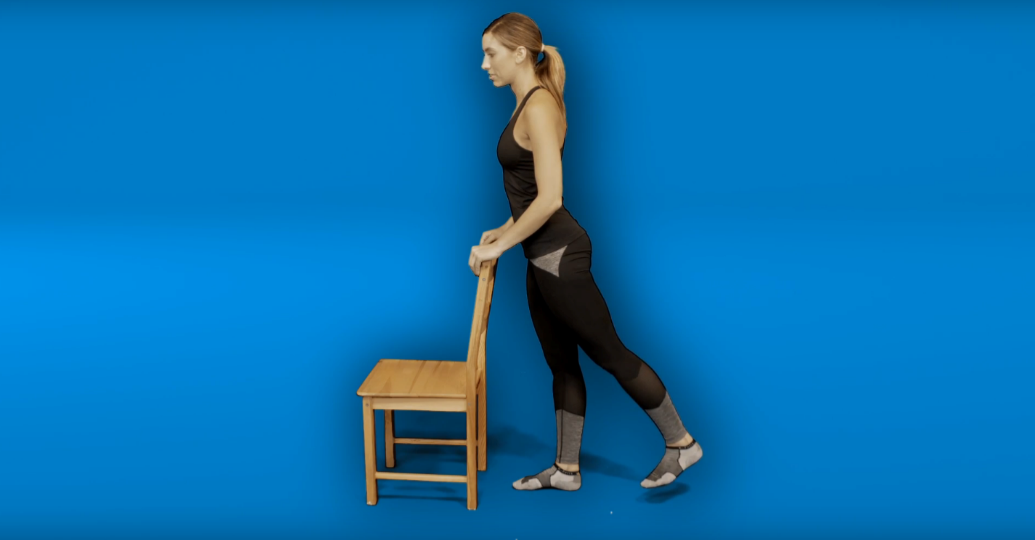
Video: Hip replacement recovery exercises
There are different types of hip replacement surgery depending on the injury, the severity of the injury and the surgeon performing the procedure. This leaflet is to be used only a guideline once you have discussed and confirmed with your surgeon and medical team that the exercises below are appropriate for you following your surgery.
by Lilly Sabri, MHPC

Treatment and medication
Having sex after a vasectomy
While there are reports of a few men getting long-term pain in the scrotum, the vast majority of men who have had a vasectomy do not notice any difference at all, including when they’re having sex.
by Dr Colin Tidy, MRCGP
About the authorView full bio
Authored by

Sally Turner
Freelance Journalist
BA Media Production
Sally Turner is a writer and broadcaster specialising in sexual health and women’s issues.
About the reviewerView full bio

Dr Sarah Jarvis
Clinical Consultant
MA (Cantab), BM, BCh (Oxon), DRCOG, FRCGP, MBE
After training in medicine at Cambridge and Oxford, Dr Sarah Jarvis MBE became a GP.
Article history
Article also available in English, German, Spanish, French, Italian, Portuguese, Hindi, Hebrew, Arabic, and Swedish.
20 Aug 2020 | Originally published
Authored by:
Sally TurnerPeer reviewed by
Dr Sarah Jarvis
Join the conversation
Share your thoughts or experiences with others in our patient communities.

Ask, share, connect.
Browse discussions, ask questions, and share experiences across hundreds of health topics.

Feeling unwell?
Assess your symptoms online for free
Sign up to the Patient newsletter
Your weekly dose of clear, trustworthy health advice - written to help you feel informed, confident and in control.
By subscribing you accept our Privacy Policy. You can unsubscribe at any time. We never sell your data.