Tratamentos para rosácea: qual é o certo para você?
Revisado por Dr Krishna Vakharia, MRCGPÚltima atualização por Amberley DavisÚltima atualização 9 Aug 2022
Atende aos diretrizes editoriais
- BaixarBaixar
- Compartilhar
- Language
- Discussão
- Versão em Áudio
- Adicionar às fontes preferidas no Google
Living with rosacea can be difficult. It can be a great source of stress and really impact your quality of life when you have to deal with any facial skin problems. Sadly, 10% of the population experience this skin condition, but the good news is that there are many treatment options. The right one for you will depend on which symptoms you have.
What is rosacea?
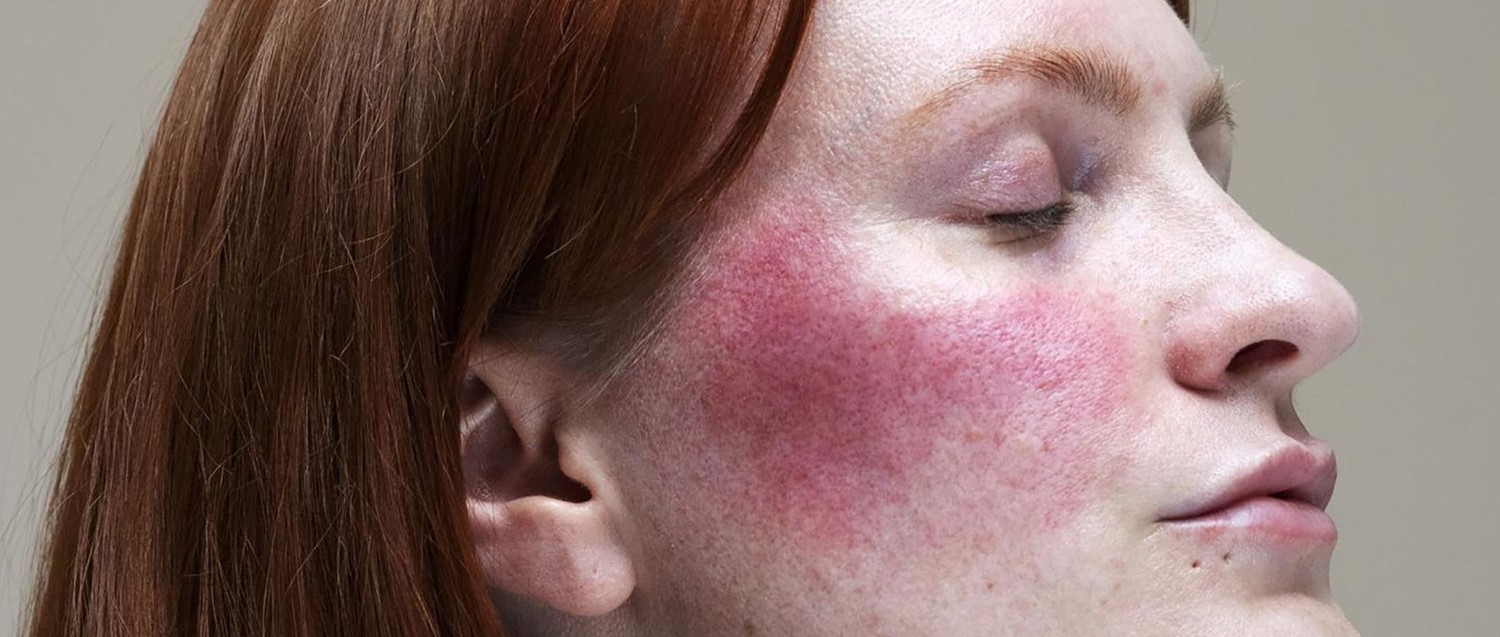
If you've heard of rosácea, you may associate it with a red and flushed face, but consultant dermatologist Dr Jinah Yoo explains that it's so much more than that: "Rosacea is a long-term skin condition that is more common in women and in people with lighter skin."
Rosacea acne
"As well as causing coloured and flushed skin, rosacea can be itchy or painful, and spots can develop (acne rosacea) which may become inflamed. Rosacea generally develops gradually but can be a very difficult and embarrassing condition."
Other symptoms of rosacea include thickened skin around the nose, and eye problems (ocular rosacea) such as sore eyelids and dry eyes. Rosacea is a common problem, but most people have a mild form, and everyone experiences different symptoms.
This is not to say that rosacea is something to be complacent about - Dr Yoo warns that without treatment, it can become more severe.
O que causa a rosácea?
Experts aren't sure of the exact cause, although there are several theories:
Sun damage may cause tiny blood vessels under the skin to burst or leak.
Inflammation could be triggered by an abnormal immune system reaction in the skin.
Inherited genes may give you a higher chance of developing rosacea, as it might run in families.
Tiny mites called Demodex folliculorum may be involved - these live on many people's skin but are found in higher numbers in people with rosacea.
What is the best treatment for rosacea?
Unfortunately, there is no miracle cure for rosacea, but don't lose hope - rosacea treatment can ease irritability and drastically improve your skin's appearance. The best rosacea treatment for you will depend on the symptoms you have and how severe they are.
Self-help measures
No matter your symptoms or prescribed rosacea treatment, there are a few key steps you can take to try to make your rosacea more manageable. These include:
Avoiding your triggers - eg, limiting spicy food, reducing alcohol, gerenciar o estresse, e wearing sun protection.
Establishing good skincare - eg, using a high SPF (sun protection factor) sunscreen, avoiding fortes, e usando produtos faciais hipoalergênicos e sem perfume.
Following good eye hygiene if rosacea is causing eye problems - eg, warming, massaging, and cleaning your eyelids daily.
Best for: rosacea spots and cysts
Raised red bumps (papules) and pus-filled cysts (pustules) look similar to cicatrizes de acne. Papules and pustules can come and go in some people or remain long-term in others. Discuss with your doctor best options, as all treatments need a prescription.
Tratamentos tópicos - sintomas leves a moderados
O quê: Exemplos incluem:
Metronidazole cream or gel - a topical (rub-on) antibiótico that reduces inflammation in the skin.
Azelaic acid cream or gel - an alternative to antibiotic lotions that also tackles inflammation.
Ivermectin cream - works by killing the mite Demodex folliculorum and reduces some of the inflammation.
Modo de preparo: Most topical treatments will need to be massaged into your skin once or twice a day.
Effectiveness: Studies show that topical treatments such as ivermectin can effectively improve papules and pustules, but only if you remember to apply them as frequently as directed1.
Possible side effects:
Uma sensação de queimação ou ardência.
Coceira.
Pele seca.
Antibiotic tablets - moderate to severe symptoms
O quê: Exemplos incluem:
Tetracycline.
Oxytetracycline.
Doxycycline.
Erythromycin.
As with topical antibiotics, it is not clear why oral antibiotics work but experts believe it's because certain antibiotics are anti-inflammatory.
Modo de preparo: Most oral antibiotics will need to be taken once or twice a day.
Effectiveness: You may see a visible improvement after 2-3 weeks and find that spots and cysts clear at around 6-12 weeks.
Possible side effects:
Increased sensitivity to sunlight and artificial lights.
Comprimidos de isotretinoína - sintomas graves
O quê: If your symptoms are severe, you might be prescribed isotretinoin by a dermatologist. This works by reducing redness and natural oil (sebum) that contributes to spots.
Modo de preparo: Most isotretinoin tablets will need to be taken once or twice a day.
Effectiveness: A course of isotretinoin can significantly improve or completely clear rosacea spots and cysts2.
Possible side effects:
Pele seca, lábios e narinas.
Inflamed eyelids (blefarite) ou olhos (conjuntivite).
Joint, muscle, or dor nas costas.
Changes in your mood.
Blood in your urine (haematuria).
Defeitos congênitos se tomado durante a gravidez.
Best for: rosacea eye problems
Rosacea causes eye problems (called ocular rosacea) in roughly half of all cases. Fortunately, these symptoms are usually mild. However, if symptoms are severe and won't go away with the common treatments below, you may be referred to an eye specialist.
Eye drops - mild to moderate symptoms
O quê: If you have dry eyes, using eye ointments or artificial tears can help to keep them lubricated.
Modo de preparo: Artificial tears come in the form of eye gels or drops, and you can use them every hour until your symptoms improve, and then decrease to 3-4 times a day. Eye ointments should only be used before bedtime, as they may make your vision blurry.
Effectiveness: Both eye ointments and artificial tears are standard treatments for ocular rosacea and are usually very effective3.
Possible side effects:
Artificial tears - some contain preservatives that can damage the front of your eye (the cornea) when used long-term.
Eye ointments - can prevent other eye drops from working.
Antibiotic tablets - moderate to severe symptoms
O quê: If you develop eye inflammation (blepharitis) and the other treatments aren't helping, then your doctor may prescribe a course of antibiotic tablets.
Modo de preparo: Most oral antibiotics will need to be taken once or twice a day, usually for three months.
Effectiveness: Current evidence is mixed, and further research is needed to determine just how effective this rosacea treatment is4.
Possible side effects:
Náusea.
Vômito.
Diarreia.
Dor de barriga.
Sun sensitivity.
Perda de apetite.
Best for: rosacea nose
In some people with rosacea the skin of the nose can become thickened, bumpy, and red (known as rhinophyma). If this is causing you stress and affecting your daily life, the best rosacea treatment for you could be laser or surgical intervention.
Tratamento a laser e cirúrgico
O quê: These procedures trim back excess tissue and remodel your nose into a more pleasing shape (a technique called dermabrasion).
Modo de preparo: This may be done with a scalpel, a laser, or specialist abrasive instruments.
Effectiveness: There are many techniques to remodel your nose. Many experts believe that using more than one in the same sitting can lead to the most improvement5.
Possible side effects:
Scarring.
Hypopigmentation (patches of lighter skin).
Temporary redness.
Best for: rosacea facial redness
Facial redness (eritema), visible blood vessels (telangiectasia), and flushing are common marks of rosacea. Unfortunately, they are harder to treat.
"There isn't an effective medical treatment for the redness associated with rosacea. Lasers such as the Clarity II from Lutronic are the best treatment here," advises Dr Yoo.
Laser and intense pulsed light (IPL) treatment
O quê: During IPL or laser therapy, beams of light target the visible blood vessels that are causing the redness. This can destroy them or cause them to shrink without damaging nearby tissue.
Modo de preparo: You may need between two and four treatments.
Effectiveness: Both laser an IPL therapies are effective at reducing rosacea redness, and one does not appear to be a superior method to the other6.
Possible side effects:
Pain or discomfort during procedure.
Hematomas.
Formação de crostas na pele.
Swelling and redness.
Blistering.
Infecção.
Leitura adicional
Sahni, Feldman and Taylor "Ivermectin 1% (CD5024) for the treatment of rosacea".
Onghanseng et al "Oral antibiotics for chronic blepharitis".
Daoud et al "Rhinophyma: Combined Surgical Treatment and Quality of Life".
Handler, Bloom and Goldberg "IPL vs PDL in treatment of facial erythema: A split-face study".
Escolhas do paciente para Erupções cutâneas
Saúde da pele, unhas e cabelos
Gatilhos comuns da rosácea e como evitá-los
One in ten people in the UK are thought to be suffering from rosacea - a condition that causes redness and flushing of the skin. Like many skin conditions, its exact cause is unknown. But the good news is that treatments are available, and people living with rosacea can take steps to minimise redness and flare-ups.
por Gillian Harvey
Saúde da pele, unhas e cabelos
Queixas comuns de pele: entendendo a pitiríase versicolor
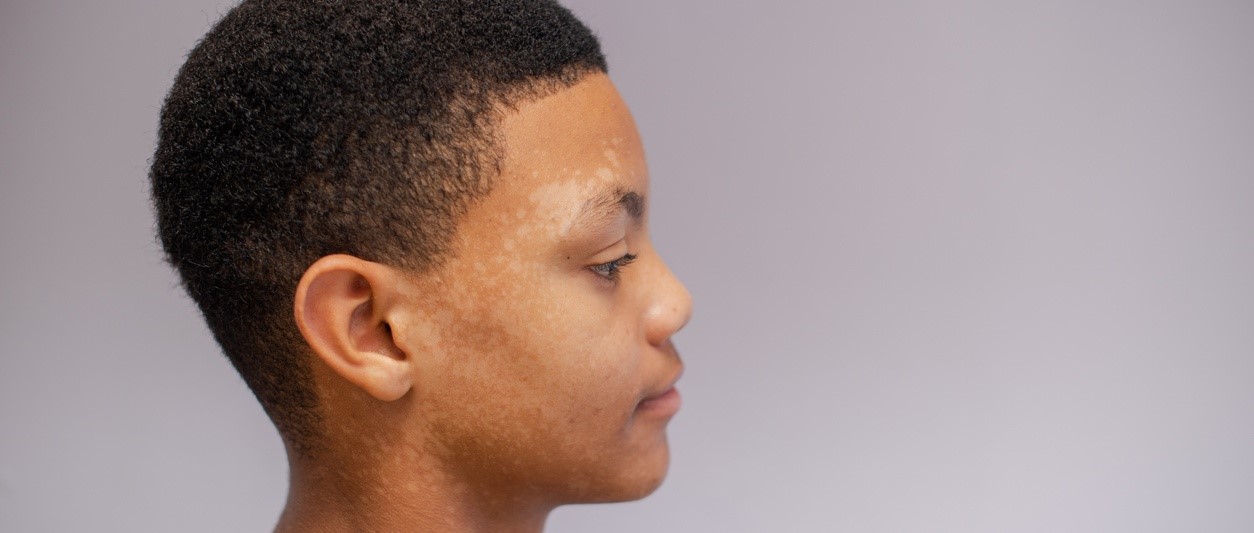
Se você notou o aparecimento de manchas de cores irregulares na sua pele, pode estar com tinea versicolor — também conhecida como pitiríase versicolor. Essa condição de pele comum pode acontecer com qualquer pessoa, independentemente de quão saudável e em forma ela esteja, e pode ser controlada com vários tratamentos.
por Amberley Davis
Sobre o autorVer biografia completa

Amberley Davis
Escritor sênior
BA (Hons), CPD
Amberley é uma escritora sênior na Patient e escreveu extensivamente sobre uma variedade de tópicos de saúde e bem-estar.
Sobre o revisorVer biografia completa

Dr Krishna Vakharia, MRCGP
Diretor Médico de Saúde, Optum UK
MBChB, MRCGP(2013), BMedSci (hons), DFSRH, DRCOG, PGDipDerm (Distn)
Dr. Krishna Vakharia é uma médica de clínica geral do NHS. Ela também é examinadora regular do Diploma de Pós-Graduação em Dermatologia Prática na Universidade de Cardiff, além de ser a Diretora Médica de Saúde na Optum UK.
Histórico do artigo
As informações nesta página são revisadas por pares por clínicos qualificados.
Artigo também disponível em Inglês, Alemão, Espanhol, Francês, Italiano, Português, Hindi, Hebraico, Árabe, e Sueco.
9 Aug 2022 | Última versão
9 Aug 2022 | Publicado originalmente

Pergunte, compartilhe, conecte-se.
Navegue por discussões, faça perguntas e compartilhe experiências em centenas de tópicos de saúde.

Sentindo-se mal?
Avalie seus sintomas online gratuitamente
Inscreva-se no boletim informativo do Patient
Sua dose semanal de conselhos de saúde claros e confiáveis - escritos para ajudá-lo a se sentir informado, confiante e no controle.
Ao se inscrever, você aceita nossos Política de Privacidade. Você pode cancelar a inscrição a qualquer momento. Nunca vendemos seus dados.
Mais sobre saúde da pele, unhas e cabelos
- Os transplantes capilares podem melhorar a saúde mental?
- Você pode ser alérgico ao sol?
- Será que sua máscara facial está causando sua acne?
- Os probióticos promovem cabelos saudáveis?
- Eczema, psoríase e micose: qual é a diferença?
- Como lidar com problemas de pele na menopausa
- Como tratar uma picada de mutuca
- AtualizadoProtegendo sua pele da poluição nociva
- Aumento nos casos de sarna em todo o Reino Unido
- Você deve usar protetor solar mesmo quando está nublado?
- Vídeos sobre condições de pele
- A 'segunda puberdade': por que você pode estar tendo acne aos trinta anos
- AtualizadoOs melhores alimentos e nutrientes para uma pele saudável
- As melhores maneiras de se livrar dos piolhos
- The scar cream ingredients to look out for
- Os sinais de alerta de insolação e exaustão pelo calor
- Mordidas de carrapato: como reconhecer e tratar
- O que o sérum de vitamina C faz?
- O que fazer quando seu filho tem uma erupção cutânea
- O que suas unhas dizem sobre sua saúde