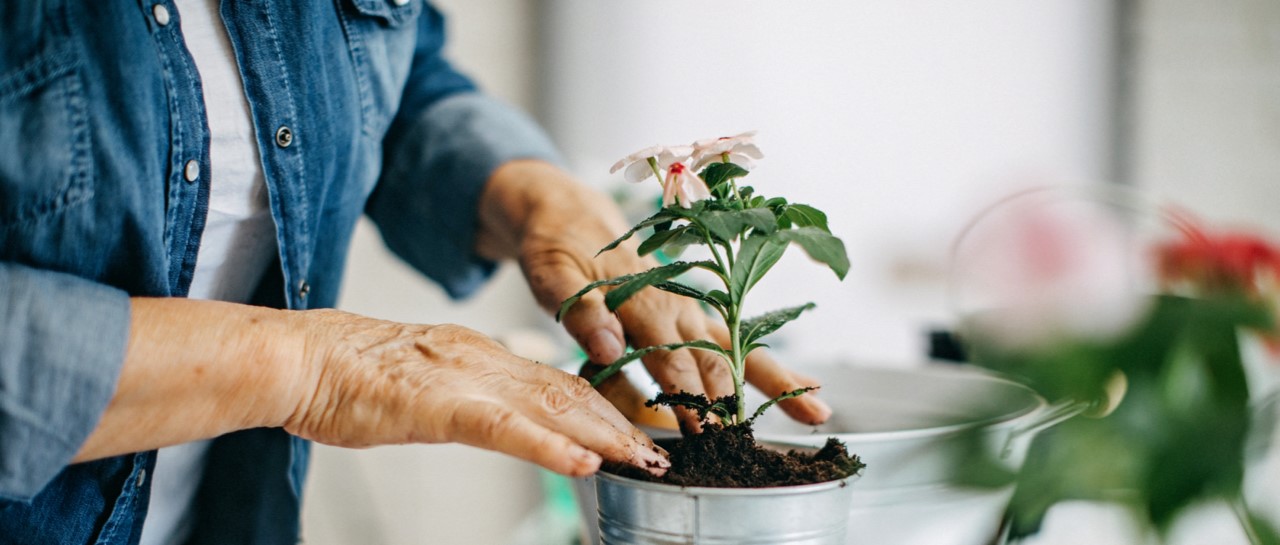
COVID-19: how to support vulnerable friends and family during the coronavirus pandemic
Revisado por Dr Sarah JarvisÚltima atualização por Sally TurnerÚltima atualização 20 Apr 2020
Atende aos diretrizes editoriais
- BaixarBaixar
- Compartilhar
- Language
- Discussão
- Versão em Áudio
- Adicionar às fontes preferidas no Google
Current coronavirus lockdown measures are especially challenging for older people and those with mental health issues and underlying health conditions. We look at how to support vulnerable loved ones during the COVID-19 pandemic.
Usar do Paciente ferramenta de verificação de coronavírus do Paciente if you have nenhuma symptoms of fever or a new cough. Until you have used the tool and been advised what action to take, por favor, fique em casa e evite contato com outras pessoas.
Caring for vulnerable loved ones with a lockdown in place is a challenge many of us are now facing. Current restrictions have changed the way we live and interact and it can be tricky to know how best to support those we care about.
Older people and those with condições de saúde subjacentes tais como diabetes, doença cardiovascular, asma e depressão may be particularly vulnerable at this time. Not only in terms of contracting the coronavírus and its possible complications, but also as a result of reduced care and increased isolation.
Visiting a vulnerable person - dos and don’ts
The government's social-distancing guidelines say we should only be visiting a vulnerable person to deliver food and essential items and that these should be left on the doorstep for them to bring in. However, this is a real problem for elderly people says Lesley Carter, clinical lead at charity Age UK.
"Calls to our advice line are up nearly 80% at the moment and many of the queries are about how to balance social distancing 'on the doorstep' with the need for essential care," she explains. "Obviously it is crucial to reduce the risk of vulnerable people being exposed to the coronavirus, but we also have to look at how these current social-distancing measures are affecting their health overall."
According to government statistics for England, at least 3.3 million people aged 70 years and over live alone and many need regular support to live independently.
"Obviously don't visit grandma with the whole family and go in for a cup of tea, but if something crucial needs doing that she can't do safely - unpacking heavy shopping, or fixing something essential like a blown bulb in the kitchen - then one of you go in and do it," says Carter. "Stick strictly to social distancing measures and hand hygiene, but do what needs doing to maintain their independence and keep them living in a healthy environment."
The Health Influencing team at Age UK speaks almost daily with NHS England and Public Health England, suggesting how best to support older people during the pandemic.
"We're bringing all these concerns to their attention and I hope to see some of this reflected in updated government guidelines soon."
Setting up a practical care plan
Set up a care plan with friends and family to support vulnerable loved ones so you share the care. Work out practical tasks such as how they'll get food and prescription medications in if they're living alone, and agree on specific times to phone them which they can look forward to and rely on. Age UK has published a guide to setting up video calling for the elderly which may be useful.
Psychotherapist Alan Sparkes says it's vital for those living alone to feel they are part of a local community.
"There are a lot of community groups that have sprung up in response to the pandemic, supporting people who are vulnerable and isolated," he says. People are reassured by knowing there are people close by who are thinking about them at this time, even if they don't get involved straightaway."
Visit COVID-19 Mutual Aid UK for a list of local groups supporting the most vulnerable in our communities.
Planejamento de Cuidados Avançados
"It's not easy to talk about illness and dying," says Carter. "But we should all be having these conversations with elderly and vulnerable loved ones anyway, and now more than ever."
Uma Advance Care Plan enables people to plan their future care and support, including medical treatment and interventions (such as life support measures and 'do not rescuscitate' orders) while they have the capacity to do so. Rather than being upsetting, it can be reassuring for a loved one to know their wishes will be followed. Compassion in dying has set up a dedicated website to allow people to think about and record what they want in advance of any urgent situation.
"Our booklets and video on these issues have been really popular. They deal with the topic in a light-hearted and no nonsense way so you can have the conversation, get the details in place, then move on to jollier topics."
Talking and listening
How do we communicate and connect with vulnerable loved ones in a meaningful way during lockdown, beyond just 'staying in touch'? Sparkes has some useful tips.
Be honest and authentic
"Given the circumstances, we might want to try to make things OK for everyone and skip over how we're really feeling. We might avoid connecting with how others are doing because we feel powerless to help them. If we're not close by to offer practical help or at least a hug it can feel frustrating. But actually there's power in being vulnerable, in really listening and in saying how we feel, because it's that honesty and authenticity which promotes emotional connection. It goes beyond the autopilot of just 'staying in touch'."
Use time-based language
"If you're supporting someone vulnerable, it's important to listen and then to use time-based language if they start to catastrophise. So saying 'this is how it is at the moment' implies the future will be different and that what they are experiencing now will change. Reinforce the idea that coronavirus will eventually be controlled and restrictions will be lifted. We're not going to be doing this forever, it's for now."
Plan your conversations
"If you find you're running out of things to talk about when you check in with a loved one, come up with some conversation topics and activities that you can share online or on the phone. It might be sharing recipes, books you've enjoyed, jokes, or favourite memories. Arrange a time to chat about a particular topic and you can both have a think in advance about what to talk about."
Looking after your own well-being
While we're focused on caring for others who may be ill, or at risk, it can be easy to make own well-being less of a priority. Carers UK has some useful tips on its website on how to look after yourself while you're caring for someone else.
"It's important to have your own support mechanisms that are separate from loved ones you're caring for, so that you look after your own well-being as well as theirs," says Sparkes. "Find time for yourself even if space is at a premium at the moment and keep to a routine, even if it's not your usual one. And think about what goals and structures you might put into your week even if they're tiny things. The key is to keep it regular and to do something supportive for yourself each day as well as for others."
Escolhas do paciente para artigos sobre a pandemia

COVID-19
Como manter o controle dos hábitos não saudáveis durante o isolamento
Quando o primeiro confinamento foi imposto, muitos de nós prometemos não deixar que isso nos derrotasse. Com mais tempo em casa, caminhávamos, nos inscrevíamos em cursos online e aprendíamos a fazer crochê. Um ano depois, no entanto, está ficando cada vez mais difícil manter uma alimentação saudável, permanecer ativos e envolver-se em hobbies saudáveis. Então, como podemos evitar hábitos prejudiciais à medida que a pandemia continua?
por Lydia Smith
COVID-19
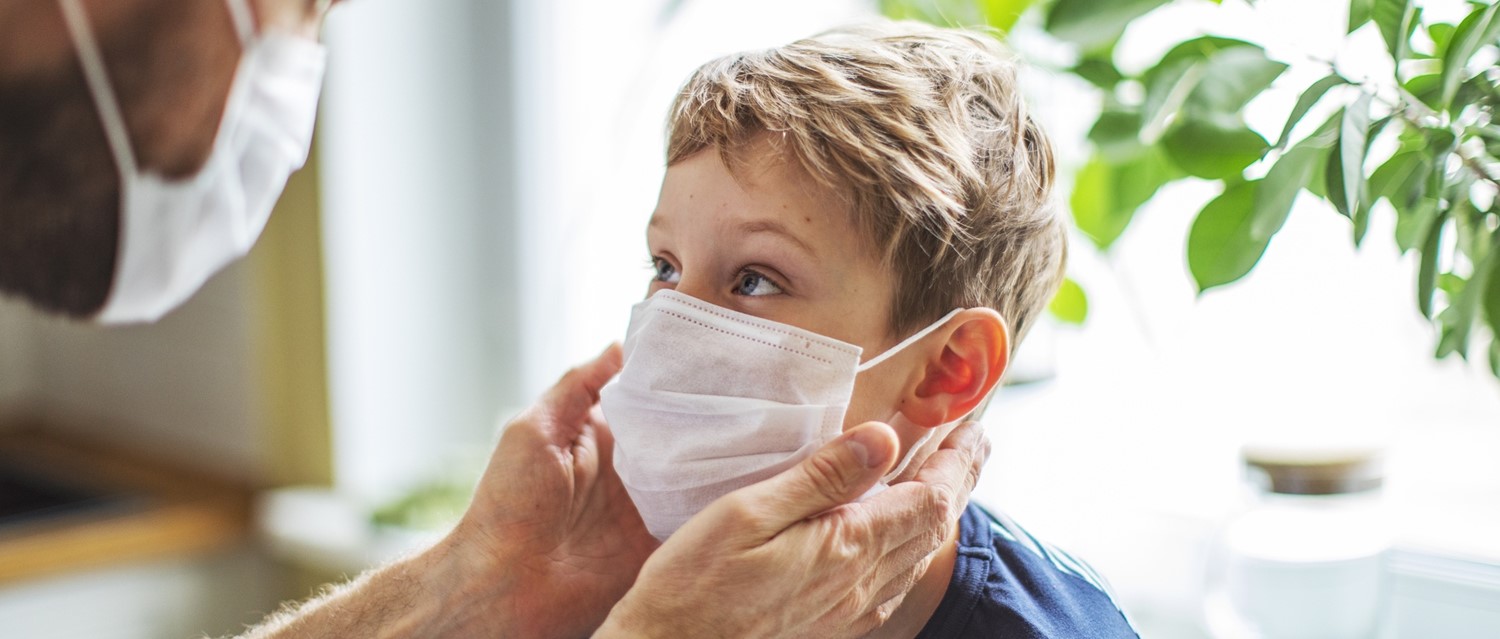
Dicas para ajudar seus filhos a se acostumarem com máscaras faciais e coberturas
Como muitas escolas agora exigem que alunos acima de 11 anos usem máscaras em certas situações, muitos de nossos filhos estarão usando uma cobertura facial pela primeira vez. Mas como as máscaras devem ser usadas? E como podemos ajudar nossos filhos a usá-las de forma eficaz?
por Gillian Harvey
Sobre o autorVer biografia completa

Sally Turner
Jornalista Freelancer
Bacharelado em Produção de Mídia
Sally Turner é escritora e locutora especializada em saúde sexual e questões femininas.
Sobre o revisorVer biografia completa

Dra. Sarah Jarvis
Consultora Clínica
MA (Cantab), BM, BCh (Oxon), DRCOG, FRCGP, MBE
Após se formar em medicina em Cambridge e Oxford, a Dra. Sarah Jarvis MBE tornou-se médica de clínica geral.
Histórico do artigo
As informações nesta página são revisadas por pares por clínicos qualificados.
Artigo também disponível em Inglês, Alemão, Espanhol, Francês, Italiano, Português, Hindi, Hebraico, Árabe, e Sueco.
20 Apr 2020 | Última versão

Pergunte, compartilhe, conecte-se.
Navegue por discussões, faça perguntas e compartilhe experiências em centenas de tópicos de saúde.

Sentindo-se mal?
Avalie seus sintomas online gratuitamente
Inscreva-se no boletim informativo do Patient
Sua dose semanal de conselhos de saúde claros e confiáveis - escritos para ajudá-lo a se sentir informado, confiante e no controle.
Ao se inscrever, você aceita nossos Política de Privacidade. Você pode cancelar a inscrição a qualquer momento. Nunca vendemos seus dados.
Mais sobre COVID-19
- 19 de julho: mantendo-se seguro à medida que as restrições da COVID-19 são relaxadas
- Estamos preparados para outra pandemia?
- As mudanças no estilo de vida podem reduzir o seu risco de COVID-19?
- Reforços da COVID-19 e gravidez: São seguros e você deve tomá-los?
- COVID-19: how to stay safe this Christmas
- Flurona: O que sabemos sobre a infecção combinada de COVID-19 e gripe
- A pandemia teve impacto na obesidade infantil?
- Como as universidades estão apoiando os estudantes durante a pandemia de COVID-19?
- Como ajudar seu filho a se adaptar a um mundo pós-COVID
- Como manter um estilo de vida saudável durante o confinamento
- Como reduzir o risco de lesões ao fazer bricolagem durante o confinamento por coronavírus
- A pandemia está afetando o desenvolvimento das crianças?
- Dia Nacional de Reflexão: lidando com o luto após perder um ente querido para a COVID-19
- Teste e rastreamento: como funciona?
- O futuro das vacinações contra a COVID-19