How to help your child adjust to a post-COVID world
Peer reviewed by Dr Sarah JarvisAuthored by Abi MillarOriginally published 18 Aug 2021
Meets Patient’s editorial guidelines
- DownloadDownload
- Share
- Language
- Discussion
- Audio Version
- Add to preferred sources on Google
As we go back to some kind of normal, many parents will be worried about the ways the pandemic has affected their kids. Might school closures and social distancing have left a lasting legacy? And how can parents help children cope with the changes that lie ahead?
The pandemic has taken its toll on all of us - and children are no exception. For the past 18 months, they have experienced ongoing disruptions to their education and social development, as well as dealing with an array of individual hardships.
Just like adults, some have fared reasonably well throughout this period, while others have contended with trauma, anxiety and grief. Similarly, some will be thrilled about the ending of restrictions, whereas others will be worried about what lies ahead.
It's also important to stress how long the pandemic has persisted, relative to a young child's lifespan. Eighteen months isn't too long in adult terms - but some children will barely remember a time before lockdowns, school closures and 'pingdemics' were a fact of life.
For this reason, many parents will be concerned about what 'getting back to normal' might look like. How easy will it be for kids to adjust to a post-pandemic world, and how can parents help?
How the pandemic affected children's mental health
Dr Elena Touroni, a consultant psychologist and co-founder of The Chelsea Psychology Clinic, points out that the pandemic has created a whole range of different psychological issues for children.
"Lockdown involved children missing out on school and interaction with their peers, and left them stuck in an enclosed space," she says. "There is an increasing demand on children's mental health services at a national level at the moment."
Sadly, the figures suggest that this has indeed been an unusually taxing time. In 2020, one in six (16.0%) children aged five to 16 were identified as having a probable mental health condition, according to NHS Digital. This was up from one in nine children (10.8%) in 2017.
A Young Minds survey conducted in January 2021, at the height of the winter lockdown, found that many young people were feeling lonely, isolated and fearful about the future. The survey, which involved young people aged 13-25 with a history of mental health needs, asked respondents whether they believed the pandemic would have a long-term negative impact on their mental health. Two thirds (67%) agreed, although 79% said they felt their mental health would improve once restrictions were lifted.
"It's worth keeping in mind that there have been some positives, as some families have been able to spend more time together, and children have really benefited from that extra quality time with their parents," says Dr Amanda Gummer, child psychologist and founder of The Good Play Guide. "But children of all ages have missed out on seeing their friends and this can affect their well-being."
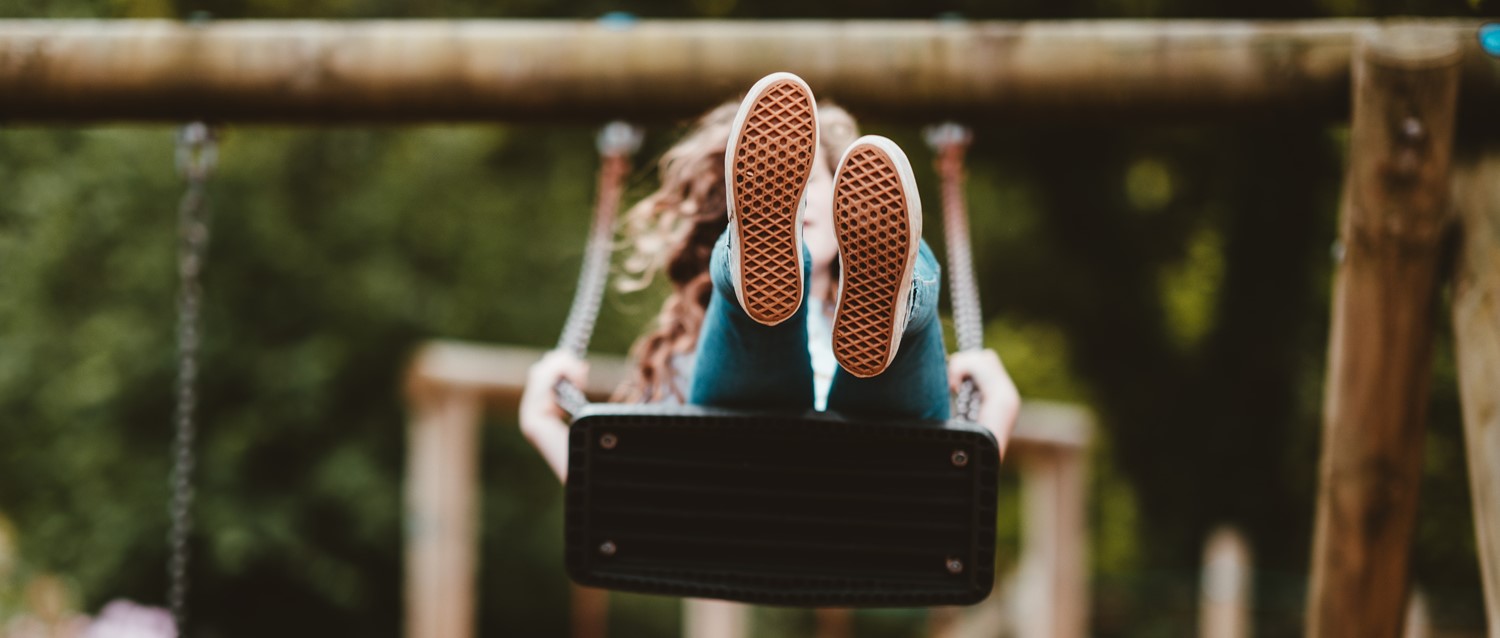
Back to the playground
Clearly, not seeing your friends is a miserable eventuality for any child (or indeed adult). Beyond that, the question is whether the lockdowns might have harmed a child's development - will they have missed out on something vital because of the lack of peer interaction?
"If they were isolated at a critical time in their development, the challenges are likely to be greater," says Dr Touroni. "If the child was young during lockdown and wasn't socialising much, they may experience difficulties in the area of social connection and need a lot of encouragement when it comes to reintroducing that. For very young children, there may also be issues with separation anxiety."
That said, it's important to note that young children are generally very resilient and capable of handling big changes, especially if they belong to loving families and their needs are otherwise being met.
If your child is struggling with the sudden return to social life - for instance, if they have become clingy or shy - there is no reason to despair. A summer of play will help them reduce their stress levels and recover from what has happened.
"Some will be eager to jump right in while others might be a little anxious, so it's important to support your child through this transition and talk to them about their worries," says Dr Gummer. "They may worry about seeing their friends again, being in busy places, or being behind in school. This summer will be a crucial time for children to spend time playing with their friends to catch up on all the socialising they have missed and build their confidence back up."
The impact of educational disruptions
Educational disruptions are another widespread concern. For much of the pandemic, teaching took place online, and even once schools were allowed to reopen, many kids underwent repeated periods of self-isolation. Almost a quarter of secondary school pupils were absent from school, the majority for COVID-related reasons, on the week commencing 12th July.
As yet, we don't know what the system will be once children go back to school in September, but it seems likely some protective measures will remain in place.
"The more parents are involved and able to provide opportunities for additional educational opportunities, the better," says Dr Touroni. "However, there are obviously some things that are not so easy for parents to make up for."
Prioritising play and mental health
Dr Gummer argues that, while education is important, mental health is even more so. Ideally, kids would catch up on the work they've missed, but this should not be the priority, and in some cases it can do more harm than good.
"Mental health affects your ability to cope with everything that life throws at you, including confidence in school," she says. "We also need to remember that children learn at a certain pace and we can't rush that, so overloading them with learning won't be helpful and may actually discourage them."
She suggests:
Encouraging children to talk about their feelings.
Spending time together outdoors.
Making sure they get a healthy diet and plenty of sleep and exercise.
Giving them time for free play in which they will be able to process their emotions.
Supporting their education with learning through play, giving them a chance to learn school subjects with less pressure.
If you're still worried, it might be a good idea to talk to their school. Their class teacher will likely have spotted any changes in their behaviour that may indicate concerns, and will be well placed to offer them support on a daily basis. Another option would be to contact your GP or a private therapist.
"You could also contact YoungMinds, a charity for children and young people's mental health, or Mind for children over 11 years old," says Dr Gummer.
With the pandemic still ongoing, it may be premature to talk about a post-COVID world. No parent can provide a guarantee that there won't be COVID-19 related disruptions in future. However, you can reassure your child that they are safe and that their concerns matter, and encourage them to enjoy this summer as much as possible.
Patient picks for General information
COVID-19
COVID-19: how to avoid catching viruses at work
As the final COVID-19 restrictions have been lifted in England more people are being encouraged to go back to work. But as more people begin to travel to work and mix in public areas, so the risk of catching viruses increases, whether it's colds, stomach bugs or coronavirus.
by Andrea Downey

COVID-19
How to protect yourself from COVID-19 and flu in pregnancy
With unvaccinated pregnant women making up almost 20% of the most critically ill COVID-19 patients in England, it is more important than ever for women to protect themselves against COVID-19 and flu in pregnancy. There are many protective measures that can be taken at home, in work, and through health services.
by Amberley Davis
About the authorView full bio
Authored by

Abi Millar
Freelance Journalist
BA (Hons), MA
Abi is a freelance journalist with a special interest in health and medicine writing.
About the reviewerView full bio

Dr Sarah Jarvis
Clinical Consultant
MA (Cantab), BM, BCh (Oxon), DRCOG, FRCGP, MBE
After training in medicine at Cambridge and Oxford, Dr Sarah Jarvis MBE became a GP.
Article history
Article also available in English, German, Spanish, French, Italian, Portuguese, Hindi, Hebrew, Arabic, and Swedish.
18 Aug 2021 | Originally published
Authored by:
Abi MillarPeer reviewed by
Dr Sarah Jarvis
Join the conversation
Share your thoughts or experiences with others in our patient communities.

Ask, share, connect.
Browse discussions, ask questions, and share experiences across hundreds of health topics.

Feeling unwell?
Assess your symptoms online for free
Sign up to the Patient newsletter
Your weekly dose of clear, trustworthy health advice - written to help you feel informed, confident and in control.
By subscribing you accept our Privacy Policy. You can unsubscribe at any time. We never sell your data.