
How a sports injury can affect your mental health
Peer reviewed by Dr Sarah JarvisAuthored by Lydia SmithOriginally published 23 Sept 2019
Meets Patient’s editorial guidelines
- DownloadDownload
- Share
- Language
- Discussion
- Audio Version
- Add to preferred sources on Google
When it comes to sports injuries, we're most likely to focus on the pain and how it affects our physical health. But injuries can also have a profound impact on our emotional well-being.
When I went for my first ever run in 2015, I never wanted to go again. I set off at full pelt, only to limp back home five minutes later, sweating, aching and out of breath.
The next day I forced myself to try again - and surprised myself by continuing to go each day until it got easier. Over time, I actually began to enjoy running. My mood felt lifted and my anxiety felt more manageable. I was fitter than ever before and I had more energy and confidence. I wanted to push myself, so I signed up to a half marathon the following year.
I trained hard, running longer distances each week and eating healthily. I also raised a large sum of money for charity. I felt prepared and ready. Then two weeks before the big day, I tripped over an uneven pavement on an early morning run and fell, hitting my kneecap on the concrete.
The pain was unbelievable. Over the course of the day, my knee ballooned out and turned a deep shade of purple. After a few days of ice packs and knee supports, I visited my doctor to see if I had done any permanent damage. I hadn't, thankfully - but I wouldn't be able to run for the foreseeable future.
People experience far worse injuries and accidents, of course, but I still felt devastated. All the time and effort I had spent preparing for the half marathon felt wasted and I felt anxious about not being able to run each day. Running was a lifeline for my mental health and suddenly, for the first time in a long time, I no longer felt in control.
Why can a physical injury affect your mental health?
When we experience an injury during exercise, we tend to forget about the impact on our mental well-being. But the two can be closely linked.
"During exercise increased heart rate means more oxygen is pumped to the brain and other organs too. The brain thinks that we are going to fight an enemy or run away from it and it secretes endorphins which give us a feelgood factor," says Gary Bloom, a clinical psychotherapist and spokesperson for the UK Council for Psychotherapy.
"Research has also shown that regular aerobic exercise develops an area of the brain called the hippocampus which aids memory and learning," he adds. "In short, it's a powerful natural antidepressant. When you are injured all the above comes to a grinding halt and many amateur and professional sportspeople find the lack of endorphins quite a serious issue to deal with."
The frustration and sense of helplessness that can come with an exercise injury can also impact mental health too. If you find you can no longer - even temporarily - do something you previously enjoyed, like running, football or a gym class, it can be demoralising. Many of us use exercise as a form of stress relief or relaxation, so it can be psychologically challenging when you suddenly can't do it.
"Exercise is such a wonderful way to improve our mental health, as we get fitter, stronger and more flexible, we feel more empowered and embodied," says Eve Menezes Cunningham, a member of the British Association for Counselling and Psychotherapy, a therapist and self-care coach at Selfcarecoaching.net.
"When unable to work out, it can feel incredibly frustrating. We might worry about losing all the gains we've made and we also miss out on the stress and anxiety-busting benefits of movement."
If you are struggling with an exercise injury, however, there are steps you can take to improve and protect your mental health.
Try to relax
It can be easier said than done, but it's important to find a new way to switch off and relax - whether it's taking up a new hobby or seeing friends more often. "There are lots of ways of relaxing when you are injured and unable to train aerobically," Bloom says.
"The most obvious example of this is meditation and many psychotherapists are trained in these techniques. Gentle stretching exercises or yoga may be possible but please seek medical advice before trying any of these."
Meditation or mindfulness apps can be a great way to feel calmer. Try the Headspace app, which offers a number of different guided meditation sessions.
Aim for a target
Being wary not to put too much pressure on yourself, it can help to aim towards a realistic recovery date. Your GP or health specialist will be able to advise you.
"It's also important to remember that most injuries are temporary and it's helpful to concentrate on a comeback date which might be circled in your diary," Bloom explains. "This gives you a target to aim for - but once again seek clear medical advice before picking up training after a long break."
Get professional help
If you are struggling with your mental health, it's important to seek professional help. Book an appointment with your doctor, who can advise on the best course of action for you. Alternatively, if you live in England, you can refer yourself to counselling on the NHS by signing up for an account at Patient Access and using their NHS self-referral services link.
"I find that in professional athletes mental health issues often accompany long injury layoffs and it's important to have regular therapy sessions, especially in the early days when mobility could well be an issue," Bloom says.
"I often work with offsetting the effects of 'tyranny of success'. This is where many athletes are told by key support staff that they will definitely get better and regain full fitness and yet in truth nobody can be certain about this.
"This is why therapy is important to add a degree of realism about slowly regaining fitness with the possibility of lasting damage after a serious injury."
Go easy on yourself
It's tempting to beat yourself up if you can't do things you used to straightaway like running long distances, but it's crucial to be kind to yourself. Pushing yourself too hard may also lead to further injury.
"Be as gentle with yourself as possible," says Menezes Cunningham. "Instead of comparing your range or capacity for movement and pain threshold with pre-injury, you get to know your body as it is now.
"It's possible to come back stronger, faster and fitter but rushing things will make it worse."
Patient picks for Sports injuries
Bones, joints and muscles
Recovering from a sports injury
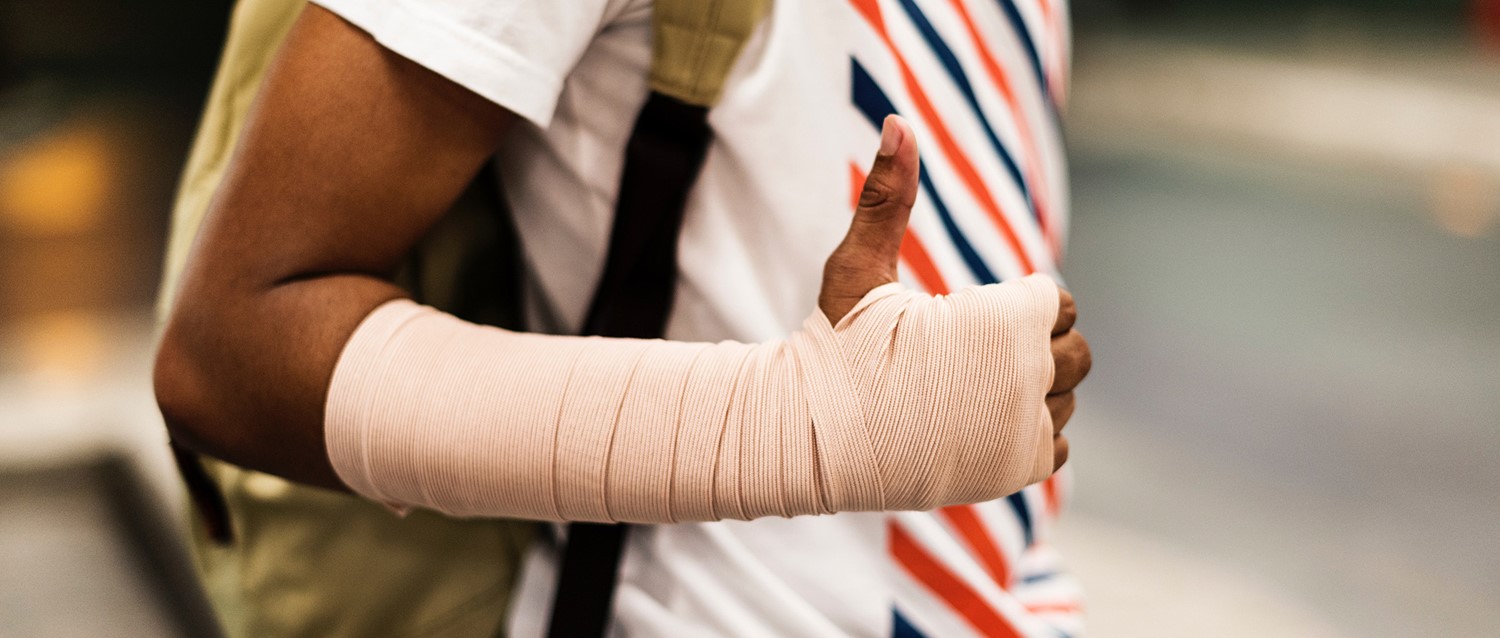
A serious sports injury can have a huge impact on your life, especially if it affects your mobility. However frustrating the situation might be, it's still important to take your time and gradually rebuild your strength to avoid risk of further injury.
by Danny Chadburn
Bones, joints and muscles
When is it safe to return to sport after an injury?
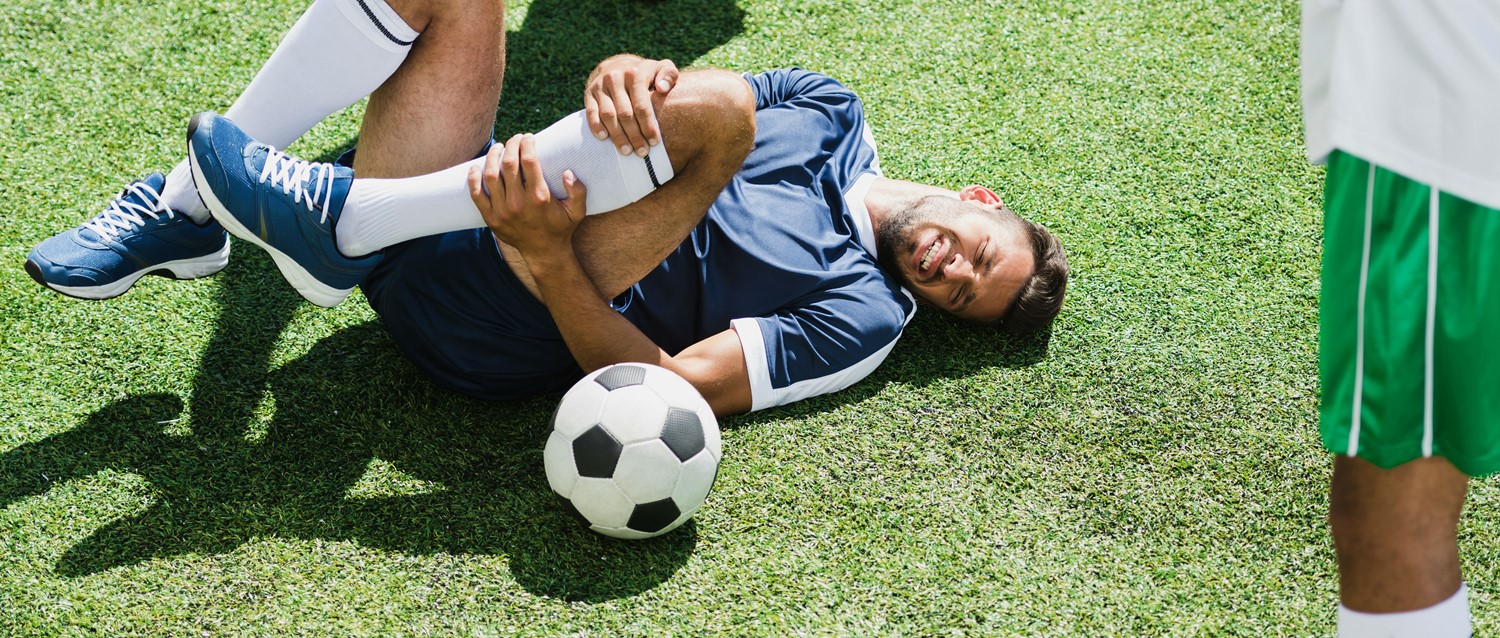
If you’ve been injured playing football – or through any other sport – you’re probably impatient for the injury to heal so you can get back to normal. While the situation is most acute for professional sportspeople, who may miss important matches or even whole seasons, it can still be tough for ordinary people who have made sport a big part of their life.
by Abi Millar
About the authorView full bio
Authored by

Lydia Smith
Feature writer
BA, MA, MSc
Lydia Smith is an award-winning journalist and feature writer who has written extensively on women's health and mental health. She is currently studying for an MSc in psychology.
About the reviewerView full bio

Dr Sarah Jarvis
Clinical Consultant
MA (Cantab), BM, BCh (Oxon), DRCOG, FRCGP, MBE
After training in medicine at Cambridge and Oxford, Dr Sarah Jarvis MBE became a GP.
Article history
Article also available in English, German, Spanish, French, Italian, Portuguese, Hindi, Hebrew, Arabic, and Swedish.
23 Sept 2019 | Originally published
Authored by:
Lydia SmithPeer reviewed by
Dr Sarah Jarvis
Join the conversation
Share your thoughts or experiences with others in our patient communities.

Ask, share, connect.
Browse discussions, ask questions, and share experiences across hundreds of health topics.

Feeling unwell?
Assess your symptoms online for free
Sign up to the Patient newsletter
Your weekly dose of clear, trustworthy health advice - written to help you feel informed, confident and in control.
By subscribing you accept our Privacy Policy. You can unsubscribe at any time. We never sell your data.