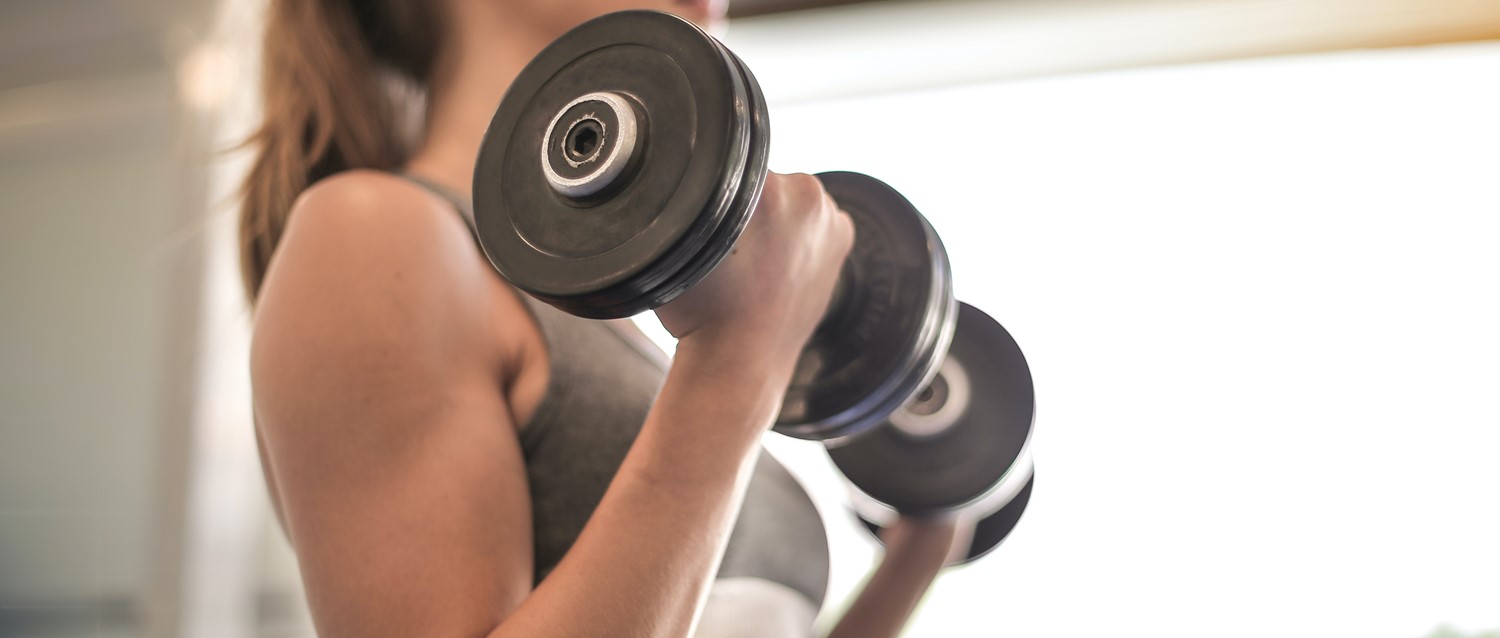
Quanto de proteína você precisa para ganhar músculo?
Revisado por Dr Sarah JarvisAutoria de Amberley DavisPublicado originalmente 9 de Nov de 2021
Atende aos diretrizes editoriais
- BaixarBaixar
- Compartilhar
- Language
- Discussão
- Ask Patient
- Versão em Áudio
- Adicionar às fontes preferidas no Google
Se deseja ganhar massa muscular, não há como ignorar a importância das proteínas. Por que precisamos de proteínas para desenvolver os músculos e qual quantidade devemos consumir para maximizar o ganho de massa muscular?
Escolhas de vídeos para NutriçãoBiblioteca de vídeos
Protein for muscle gain
Many studies have made clear the potential muscle-building benefits achieved by consuming more protein. For example, one 2018 study found that an increased intake of protein leads to greater muscle mass gains when coupled with resistance training exercises. Other estudos have also linked higher protein consumption with an improvement in muscle mass preservation.
Increasing your protein intake can be an effective way to help you gain more muscle mass - but only if you also have a muscle-building fitness routine and eat a balanced diet.
Why do we need protein for muscle growth?
Protein is a macronutrient - a nutrient we need in larger quantities - that is made up of essential amino acids. These amino acids are important building blocks for our bodies' cells and tissues, including muscle mass.
Our bodies are constantly building, maintaining, and repairing tissue. If we don't consume enough protein then amino acids that are stored in our muscle tissue will be 'stolen' in order to meet these needs elsewhere, which over time causes muscle loss.
Amino acids are also used for muscle protein synthesis (MPS), repairing and maintaining muscles after strenuous activity that causes micro-tears in our muscles. This is a natural process that happens when we exercise our muscles, and in turn it can lead to stronger muscles that are better adapted to the type of training that caused the tears.
MPS is the reason why both strength training and protein are crucial for building muscle mass. If your goal is to gain muscle, you need to be consuming more protein than your body is breaking down.
How much protein do you need to gain muscle?
A recommended daily intake of protein is 45-55 g, or around 0.8 g per kilogram (kg) of body weight. However, it is important to remember that this is defined as the minimum amount of protein you should consume in order to prevent muscle loss, rather than the recommended maximum intake.
As such, if you are an adult whose goal is to build up muscle mass through exercise, then this intake is unlikely to be enough (although it should also be noted that the estimated 45-55 g doesn't take age, height, or weight into account). Reema Patel, registered dietitian at Dietitian Fit says:
"It is highly dependent on the individual, but if you are regularly doing resistance/weight-based training, between 1.2-2 g of protein per kg of body weight per day is a good guideline to work towards."
Many recent estudos support this recommendation, with the optimum amount of protein for muscle-building appearing be around 1.8 g and 2 g per kg of body weight, which is the amount that most professional athletes aim to consume.
If you are following an intense exercise regime, you may want to consider consuming around 2 g per kg on a daily basis for the first 12 weeks of training. During this time, your body is most hard at work, breaking down muscle fibres, repairing micro-tears, and creating new structures in order to adapt to your exercise routine.
After this period, you might want to reduce your protein intake slightly to between 1.2 g and 1.6 g per kg. This is because your body is unlikely to need quite as much after it becomes more used to the muscle damage that your exercise routine is regularly inflicting.
Calculating your protein intake
As every individual is built differently, you can tailor your daily protein intake based on your weight. Better yet, knowing your body-fat percentage will allow you to calculate the protein needed per kg of lean body mass, which is a more accurate measurement.
There are many body-fat percentage calculators to help you do this. After calculating your body-fat percentage, you will need to subtract this number from your overall weight to work out your lean body mass percentage. If your aim is to build lean muscle, then it is recommended that you aim to consume around 2 g of protein per kg of lean body mass. Using a body mass index (BMI) calculator is also a useful tool for checking that you are at a healthy weight in relation to your height.
This said, for the most personalised and expert advice, Patel recommends booking a consultation with a registered dietitian who specialises in sports nutrition.
Sources of high-protein foods
It is possible to get enough protein for muscle gain by eating a balanced, healthy diet with plenty of protein-rich foods. You should aim to have a source of protein in most of your meals in order to optimise muscle gain. Healthy sources of protein include:
Poultry such as chicken.
Legumes such as beans, lentils and peas.
Oily fish such as mackerel and salmon.
Dairy products such as cheese, yoghurt and milk.
Lean meat.
Ovos.
Plant-based meat alternatives such as tofu and tempeh.
Protein supplements have also been proven to support muscle-building. However, they should be taken in addition to - and not as a substitute for - a protein-rich diet. While some estudos have found that whey protein is absorbed faster than food protein, muscles can only handle around 25-35 g of protein at a time. In reality, any excess protein from an overload in protein shakes will be used by the body, but not for muscle tissue.
Other factors integral to muscle gain
It's worth reiterating that consuming the optimum amount of protein per day will only help you to build muscle when integrated with a regular strength/resistance exercise routine. It is also important to factor in adequate rest time, as this is when the maintainance, repairing and strengthening of muscles occurs through the process of MPS.
Likewise, you can follow the strictest exercise routine, but if you're not getting at least seven hours of sono every night, all that hard work may be going to waste. Not giving your body enough time to recover can have a big impact on muscle growth.
The time that you choose to consume protein can also positively influence muscle gain. Taking protein both before and after exercise may improve and support the MPS process.
Escolhas do paciente para Nutrição
Dieta e nutrição
Heróis de grãos integrais: Por que consumir grãos antigos?
Hoje, quase nenhum dos alimentos que consumimos foi modificado pelo homem de alguma forma. À medida que os especialistas descobrem mais benefícios à saúde dos alimentos mais naturais do planeta, a atenção se voltou para um grupo de alimentos que não foi alterado há milhares de anos - os grãos antigos.
por Heather Ainsworth
Dieta e nutrição
Os sucos detox são bons para você?
Juice cleanses are a lingering health fad, regularly popping up on TV and our social media feeds. They promise a quick, nutritious way to detox and lose weight. But are they actually good for you - find out what the health experts have to say here.
por Victoria Raw
Sobre o autorVer biografia completa
Autoria de

Amberley Davis
Escritor sênior
BA (Hons), CPD
Amberley é uma escritora sênior na Patient e escreveu extensivamente sobre uma variedade de tópicos de saúde e bem-estar.
Sobre o revisorVer biografia completa

Dra. Sarah Jarvis
Consultora Clínica
MA (Cantab), BM, BCh (Oxon), DRCOG, FRCGP, MBE
Após se formar em medicina em Cambridge e Oxford, a Dra. Sarah Jarvis MBE tornou-se médica de clínica geral.
Histórico do artigo
Artigo também disponível em Inglês, Alemão, Espanhol, Francês, Italiano, Português, Hindi, Hebraico, Árabe, e Sueco.
9 de Nov de 2021 | Publicado originalmente
Escrito por:
Amberley DavisRevisado por
Dra. Sarah Jarvis
Compartilhe seus pensamentos ou experiências com outros em nosso comunidades de pacientes.
Inscreva-se no boletim informativo do Patient
Sua dose semanal de conselhos de saúde claros e confiáveis - escritos para ajudá-lo a se sentir informado, confiante e no controle.
Ao se inscrever, você aceita nossos Política de Privacidade. Você pode cancelar a inscrição a qualquer momento. Nunca vendemos seus dados.