Pleurisy
Peer reviewed by Dr Colin Tidy, MRCGPLast updated by Dr Doug McKechnie, MRCGPLast updated 21 Apr 2023
Meets Patient’s editorial guidelines
- DownloadDownload
- Share
- Language
- Discussion
- Audio Version
- Add to preferred sources on Google
In this series:Chest painCostochondritisBornholm diseasePneumothorax
Pleurisy is due to inflammation of the pleura next to the lung. It is most often caused by infection with a germ (a viral infection). In these cases the pain can be severe but soon goes. Various other lung disorders can also cause a 'pleuritic pain' similar to pleurisy.
A pleuritic pain is a chest pain which is typically sharp and 'stabbing' in a part of the chest. The pain is usually made worse when you breathe in or cough.
At a glance
Pleurisy is inflammation of the pleura, the lining around the lungs.
The main symptom is a sharp chest pain, made worse by breathing or coughing.
Viral infections are the most common cause, with symptoms usually easing within days.
More serious causes include bacterial infections, blood clots, or lung cancer.
See a doctor for pleurisy symptoms, especially if pain develops slowly or does not ease.
Get emergency help for severe chest pain, coughing up blood, or breathing difficulties.
Pleurisy symptoms
The main symptom of pleurisy, or other problems that affect the pleura, is 'pleuritic' chest pain. This is usually a sharp stabbing pain.
You may feel a pleuritic chest pain anywhere in the chest, depending on the site of the inflammation, or problem with the pleura. The pain is made worse by breathing in or by coughing, as this causes the two parts of the inflamed pleura to rub over each other.
Other symptoms of pleurisy
If the inflammation of your pleura is caused by a more serious cause you are likely to have other symptoms. These symptoms include:
Pain that develops slowly over several days or weeks.
Pain that does not ease and go after a few days.
Breathlessness (shortness of breath) or other breathing difficulties.
Any other symptom that you are unsure of, or cannot explain.
How long do pleurisy symptoms last?
This depends on the cause. Pleurisy caused by a virus usually settles within a few days. If it's caused by something else, it can take longer.
When to see a doctor
Speak to a doctor if you have symptoms of pleurisy. It can be difficult to tell if chest pain is due to something serious, so it's best to err on the side of caution.
You should get emergency medical help. Call 999 (if in the UK), or go to your nearest Emergency Department) if you have:
Severe chest pain.
Coughing up blood.
Breathlessness or other breathing difficulties.
Diagnosing pleurisy
The most important thing when diagnosing the cause of a pleuritic pain is for a doctor to talk to you about your symptoms and to examine you. Most of the causes of the more serious causes of pleuritic pain will have other symptoms apart from the pain, as mentioned above. A doctor's examination may also show up some signs which may point to the cause.
How do you test for pleurisy?
A doctor may arrange tests such as a chest X-ray if you develop pleuritic pain and the cause is not clear. A chest X-ray is normal in the common infection with a germ (a viral pleurisy) but may show up abnormalities when there are some other causes of the pain. Other tests are sometimes done if a serious cause is suspected.
How serious is pleurisy?
This depends on the cause.
Viral pleurisy isn't serious. It gets better after a few days and doesn't cause serious problems.
Other causes of pleurisy can be serious. For example, major lung infections (pneumonia) and blood clots on the lung (pulmonary emboli) can be life-threatening.
Pleurisy treatment
If you have an infection with a germ (a viral pleurisy), take painkillers regularly until the pain eases. Your doctor may prescribe stronger painkillers if the pain is severe.
If you have other causes of pleuritic pain, such as a serious lung infection (pneumonia) or a blood clot in the lung (pulmonary embolism), the treatment depends on the cause. Other treatments may include:
Antibiotics, for bacterial lung infections such as pneumonia.
A procedure to drain fluid from around the lung, if there is a collection of fluid there (a pleural effusion).
Blood thinners, for a blood clot on the lung (pulmonary embolism).
What is the pleura?
Lungs and airways with pleura
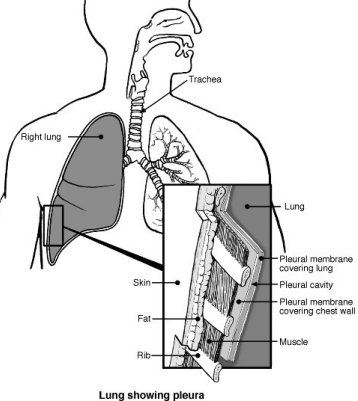
The pleura is a thin membrane with two layers. One layer lines the inside of the chest wall. The other layer covers the lungs.
Between the two layers of pleura (the pleural cavity) is a tiny amount of fluid. This helps the lungs and chest wall to move smoothly when you breathe.
What causes pleurisy?
Causes of pleurisy include:
Viral infection (the most common cause) - pain typically lasts a few days and goes as the virus clears away and the inflammation settles.
Bacterial infection (commonly bacterial pneumonia).
Fungal infection (more common in people with a weakened immune system).
Blood clots in the lung (pulmonary embolism). This is the most common serious cause of pleuritic chest pain.
Chest injuries.
Inflammation associated with some forms of arthritis.
Is pleurisy contagious?
This depends on the cause. Although pleurisy itself isn't contagious, some of the causes of pleurisy, like viral and bacterial infections, are contagious. Others - like blood clots in the lung or lung cancer - can't be spread from person to person.
Can I prevent pleurisy?
It's difficult to prevent pleurisy completely. But there are some things that can reduce the chances of developing one of the causes of pleurisy, such as:
Getting vaccinations when recommended (eg the flu vaccine).
Hygiene, such as washing your hands after using the toilet, before preparing or eating food, before touching your face, and before and after caring for other people. This can reduce the chances of getting viral or bacterial infections.
Avoiding or stopping smoking. Smoking increases the risk of lung infections and other serious causes of pleurisy, like lung cancer.
Maintaining a healthy weight. Having overweight or obesity increases the risk of blood clots.
Pleurisy complications
This depends on the cause of pleurisy. Viral pleurisy normally improves without any treatment. Other more serious causes of pleurisy, such as bacterial infections, can cause complications like:
Fluid around the lung (a pleural effusion).
Pus collecting around the lung with bacterial pneumonia (an empyema).
A trapped lung that won't inflate fully (atelectasis).
Sepsis, with bacterial infections.
Breathing difficulties.
Patient picks for Chest pain
Chest and lungs
Pneumothorax
A pneumothorax is sometimes called a "collapsed lung" and it describes the condition in which air has become trapped next to a lung. Many cases occur without warning, particularly in healthy young men. Some develop as a complication of a chest injury or a lung disease. The most common symptom is a sudden sharp chest pain followed by pains on breathing in. Some people become breathless. In most cases, the pneumothorax clears without needing treatment. The trapped air of a large pneumothorax may need to be removed if it causes breathing difficulty. An operation is needed in some cases.
by Dr Philippa Vincent, MRCGP

Chest and lungs
Costochondritis
Costochondritis is a painful chest wall condition, caused by localised inflammation in the joints of the rib cage.
by Dr Surangi Mendis, MRCGP
Frequently asked questions
Can smoking cause pleurisy?
Smoking does not directly cause pleurisy, but it significantly increases the risk of lung infections and other serious conditions like lung cancer, which are known causes of pleurisy. Avoiding or stopping smoking can help reduce these risks.
Does pleurisy go away on its own?
Pleurisy caused by a viral infection often resolves on its own within a few days as the virus clears and the inflammation subsides. However, if pleurisy is due to other causes, it might require specific treatment and won't go away by itself.
Can pleurisy be dangerous?
The seriousness of pleurisy depends entirely on its underlying cause. While viral pleurisy is generally not serious and improves quickly, other causes like major lung infections (pneumonia) or blood clots in the lung (pulmonary emboli) can be life-threatening and are considered very dangerous.
What should I avoid doing if I have pleurisy?
The article does not explicitly list things to avoid. However, it mentions pain is made worse by breathing in or coughing. If pain is severe, it is best to seek medical attention immediately. For viral pleurisy, pain relief is recommended. For other causes, treatment depends on the underlying condition.
Can I fly with pleurisy?
The article does not contain information about flying with pleurisy. However, some causes of pleurisy, such as a collapsed lung (pneumothorax) or blood clots, can be exacerbated by changes in air pressure during flights. It is important to consult a healthcare professional to determine if it is safe to fly based on the specific cause and severity of your pleurisy.
Can pleurisy lead to pneumonia?
Pleurisy is a symptom, and pneumonia can be a cause of pleurisy. If the pleurisy is caused by a serious bacterial infection like pneumonia, it could lead to complications such as fluid around the lung, pus collecting around the lung (empyema), or even sepsis if not treated.
Further reading and references
- Chest pain of recent onset; NICE Clinical Guideline (March 2010, updated Nov 2016)
- British Thoracic Society Guideline for pleural disease; British Thoracic Society - BMJ (2023).
- Reamy BV, Williams PM, Odom MR; Pleuritic Chest Pain: Sorting Through the Differential Diagnosis. Am Fam Physician. 2017 Sep 1;96(5):306-312.
About the authorView full bio

Dr Doug McKechnie, MRCGP
Medical Writer
MA, MBBS, MSc, DRCOG, MRCP(UK), MRCGP(2021), FHEA
Dr Doug McKechnie is an NHS GP working in London. He works full-time clinically and is also the Deputy Lead for the Clinical and Professional Practice module at University College London Medical School.
About the reviewerView full bio

Dr Colin Tidy, MRCGP
General Practitioner, Medical Author
MBBS, MRCGP, MRCP (Paediatrics), DCH
Dr Colin Tidy is an NHS Doctor, based in Oxfordshire.
Article history
Article also available in English, German, Spanish, French, Italian, Portuguese, Hindi, Hebrew, Arabic, and Swedish.
Next review due: 19 Apr 2028
21 Apr 2023 | Latest version
Join the conversation
Share your thoughts or experiences with others in our patient communities.

Ask, share, connect.
Browse discussions, ask questions, and share experiences across hundreds of health topics.

Feeling unwell?
Assess your symptoms online for free
Sign up to the Patient newsletter
Your weekly dose of clear, trustworthy health advice - written to help you feel informed, confident and in control.
By subscribing you accept our Privacy Policy. You can unsubscribe at any time. We never sell your data.