What causes sudden eczema in adults?
Peer reviewed by Dr Krishna Vakharia, MRCGPLast updated by Lydia SmithLast updated 11 May 2023
Meets Patient’s editorial guidelines
- DownloadDownload
- Share
- Language
- Discussion
- Audio Version
- Add to preferred sources on Google
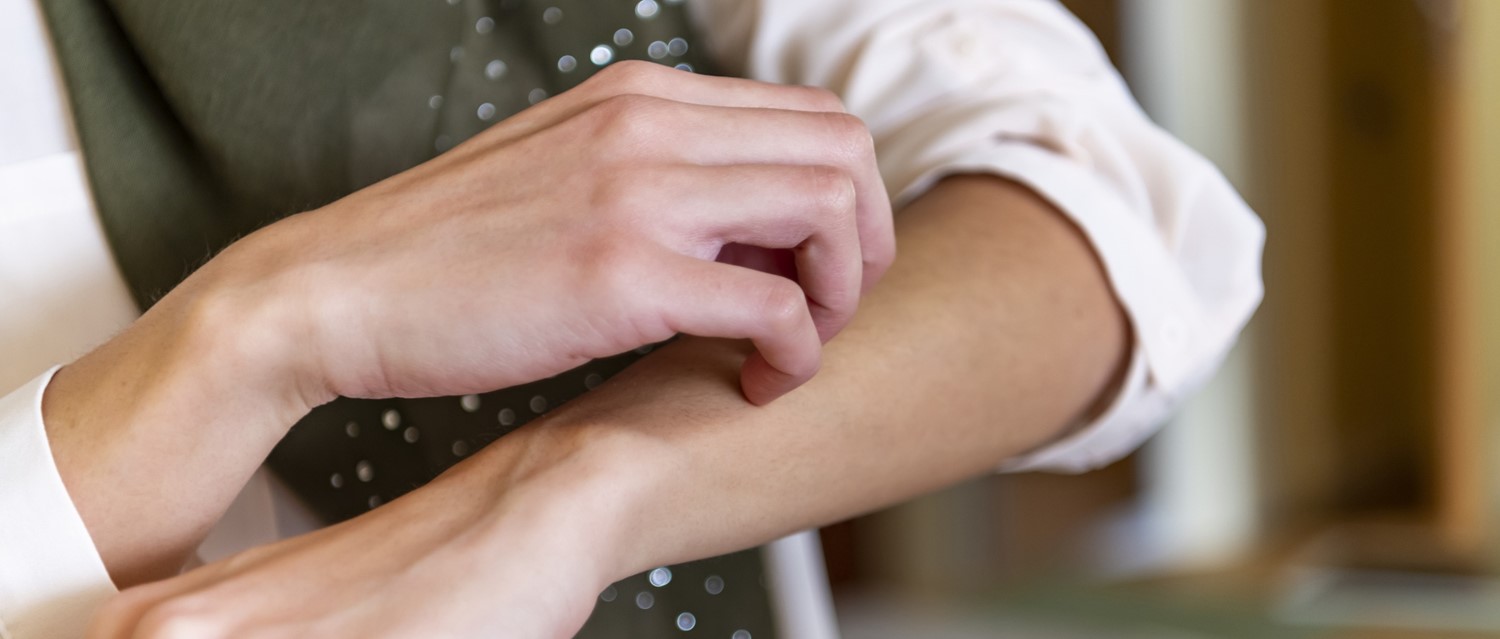
A flare-up of eczema can be caused by any number of things, from using washing-up liquid to being exposed to cold air. However, it can be difficult to pinpoint what has triggered a sudden bout of eczema and caused your skin to become red, itchy or sore.
What is eczema and what causes it?
Eczema is a non-contagious, inflammatory skin condition. The most common form, atopic eczema, affects one in five children and one in 10 adults in the UK1. It causes the skin to become itchy, dry and cracked and can be painful and uncomfortable. Alongside the physical symptoms, a flare-up of eczema can lead to a whole host of other problems too, including insomnia, anxiety and depression.
Atopic eczema is often caused by a combination of things, including genetics. You may be born with a higher chance of developing eczema if other family members have the condition. Being prone to eczema may make your skin more likely to react to certain triggers, such as cold weather, skin products, foods and hormonal changes, among others.
Dr Derrick Phillips, a consultant dermatologist and British Skin Foundation spokesperson, says it isn’t always possible to identify a trigger for a sudden flare-up of eczema, which can appear unexpectedly. "However, stress, infections, sweating, changes in the weather, chemicals - such as chlorine - and allergies can all aggravate eczema," he says.
Stress and eczema
When we get stressed, our body has a physiological reaction called the 'fight or flight' response. This was originally a survival mechanism triggered when we faced a life-threatening situation such as a predator, but now, the same response is activated by everyday stresses like work.
During this response, stress hormones like cortisol are released which allow us to react quickly. However, if you are frequently stressed, or feel stressed for long periods of time, cortisol suppresses the immune system and increases inflammation throughout the body - which can trigger or worsen eczema2.
Environmental triggers
Environmental factors or allergens such as cold and dry weather, strong sunlight, and dampness can also trigger an eczema flare-up or make symptoms worse. Sometimes, a sudden eczema flare-up can occur if you’ve been exposed to certain allergens, such as dust mites, pet hair, pollen or mould.
Hormones and eczema
Research suggests hormones affect a type of immune cell called Th2, which has been linked to eczema3. Hormones, including oestrogen, progesterone and testosterone can interact with this cell. Therefore, as your levels of these hormones change - for example, in pregnancy or during your period - you may experience changes in eczema symptoms.
Chemicals
Even if you’re careful about what you use on your skin, certain chemicals - including in cosmetics and personal care products - can trigger eczema. Air pollutants are also known to worsen eczema symptoms. These can be found in areas of traffic or from heating systems in buildings, which can make them difficult to avoid4.
What are the treatment options for eczema?
"If you experience a sudden flare of adult eczema, arrange to see your doctor or dermatologist," says Phillips. "You may require treatment with topical steroids, which come in different strengths according to the severity of the flare and where it is on the body. In general, steroid ointments are more potent than steroid creams or lotions. They work by soothing the skin, calming inflammation and reducing the itch," he says.
"For sensitive areas such as the face, steroid-sparing creams are recommended - topical medicines which contain fewer side effects than steroid creams. These treatments provide the benefits of steroids without side effects such as thinning of the skin."
Mild flares of eczema may be managed with moisturisers and soap substitutes alone, Phillips says. "While the skin is inflamed, avoid potentially irritating preparations, and opt for products that are fragrance and preservative free," he adds.
Moisturisers also play a key role in managing eczema. "I recommend using ointments at night. They are greasy and may be cosmetically unacceptable for daytime use - as they can feel uncomfortable and stick to clothing, but they are extremely effective at repairing the skincare barrier and locking in moisture overnight. I recommend creams for daytime use. They have a higher water content and are more rapidly absorbed, requiring several applications throughout the day."
For recurrent flares of eczema, Phillips says treatments such as light therapy - the use of ultraviolet light - may be recommended. UV light appears to reduce the number of cells involved in the inflammatory response, which plays an important role in eczema. Reducing the number of these cells may improve symptoms of eczema. This is not the UV light found in sunbeds - which are still not recommended for their higher skin cancer risk, but the treatment offered by specialist hospitals with more controlled UV light.
Antibiotics may be required if there are signs of infection, such as a gold crust, redness, or yellow fluid around the affected area. If the skin is infected, it may also be hot and sore. If you feel your eczema is infected - you must be seen by a doctor.
Further reading
Patient picks for Eczema
Skin, nail and hair health
Why eczema itches - and how to stop it
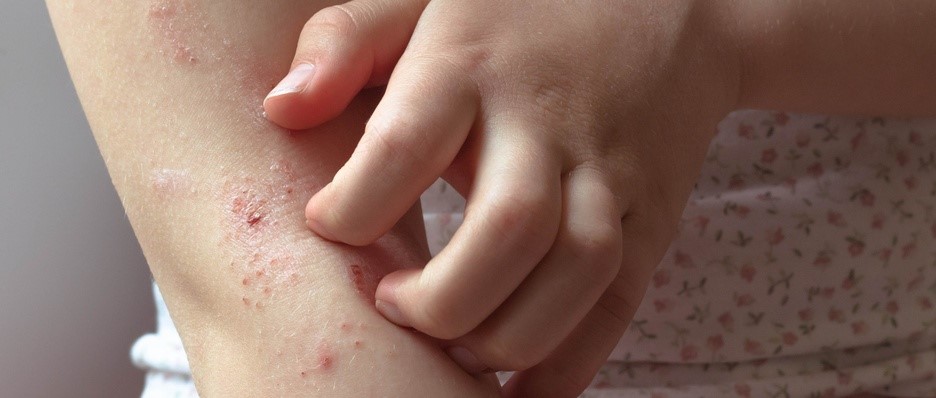
Itchiness is one of the most uncomfortable symptoms of eczema - and the urge to scratch can be unbearable. Itchy skin can also lead to sleep problems and make it hard to concentrate, but scratching can make the skin feel sore and lead to infections. So what can you do to ease the itchiness of eczema?
by Lydia Smith
Skin, nail and hair health
Why is my facial eczema worse in summer?
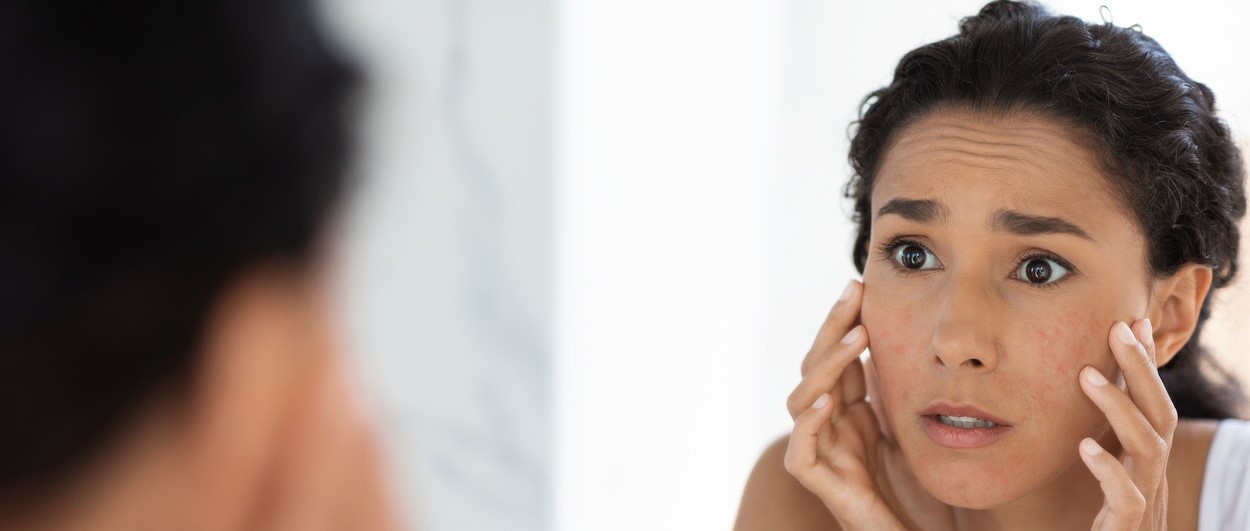
People prone to facial eczema can experience flare ups all year round, but for some, summer can bring on more bouts of irritation, red patches, and itchiness. If you find your face is affected more in the warmer months, you're probably prone to one or more of these common summertime triggers.
by Amberley Davis
About the authorView full bio

Lydia Smith
Feature writer
BA, MA, MSc
Lydia Smith is an award-winning journalist and feature writer who has written extensively on women's health and mental health. She is currently studying for an MSc in psychology.
About the reviewerView full bio

Dr Krishna Vakharia, MRCGP
Chief Medical Officer for Health, Optum UK
MBChB, MRCGP(2013), BMedSci (hons), DFSRH, DRCOG, PGDipDerm (Distn)
Dr Krishna Vakharia is an NHS GP. She is also a regular examiner for the postgraduate Diploma in Practical Dermatology at Cardiff University as well as being the Chief Medical Officer for health at Optum UK.
Article history
The information on this page is peer reviewed by qualified clinicians.
Article also available in English, German, Spanish, French, Italian, Portuguese, Hindi, Hebrew, Arabic, and Swedish.
11 May 2023 | Latest version
11 May 2023 | Originally published
Join the conversation
Share your thoughts or experiences with others in our patient communities.

Ask, share, connect.
Browse discussions, ask questions, and share experiences across hundreds of health topics.

Feeling unwell?
Assess your symptoms online for free
Sign up to the Patient newsletter
Your weekly dose of clear, trustworthy health advice - written to help you feel informed, confident and in control.
By subscribing you accept our Privacy Policy. You can unsubscribe at any time. We never sell your data.
More in skin, nail and hair health
- 8 causes of back acne
- Can you get great skin without spending a fortune?
- Do LED face masks really work?
- Does Bio-Oil help acne scars?
- Does SPF moisturiser give you enough sun protection?
- How to avoid tick bites and Lyme disease
- How to get rid of acne scars: your ultimate guide
- How to spot bedbugs and get rid of them
- How to stop your child catching a verruca
- Is aloe vera good for your skin?
- Is your exercise routine giving you acne?
- Rosacea treatments: which is right for you?
- The best foods and nutrients to eat for healthy skin
- The best ways to get rid of head lice
- The best ways to prevent and treat insect bites
- Video: How do head lice spread?
- What to do when your child has a rash
- When should I worry about an insect bite?
- NewWhy losing weight can cause hair loss - and what to do about it
- Will a gluten-free diet help my child's eczema?