Whole body 3D mole mapping: the future of skin health?
Peer reviewed by Dr Krishna Vakharia, MRCGPAuthored by Amberley DavisOriginally published 8 Jul 2024
Meets Patient’s editorial guidelines
- DownloadDownload
- Share
- Language
- Discussion
- Audio Version
- Add to preferred sources on Google
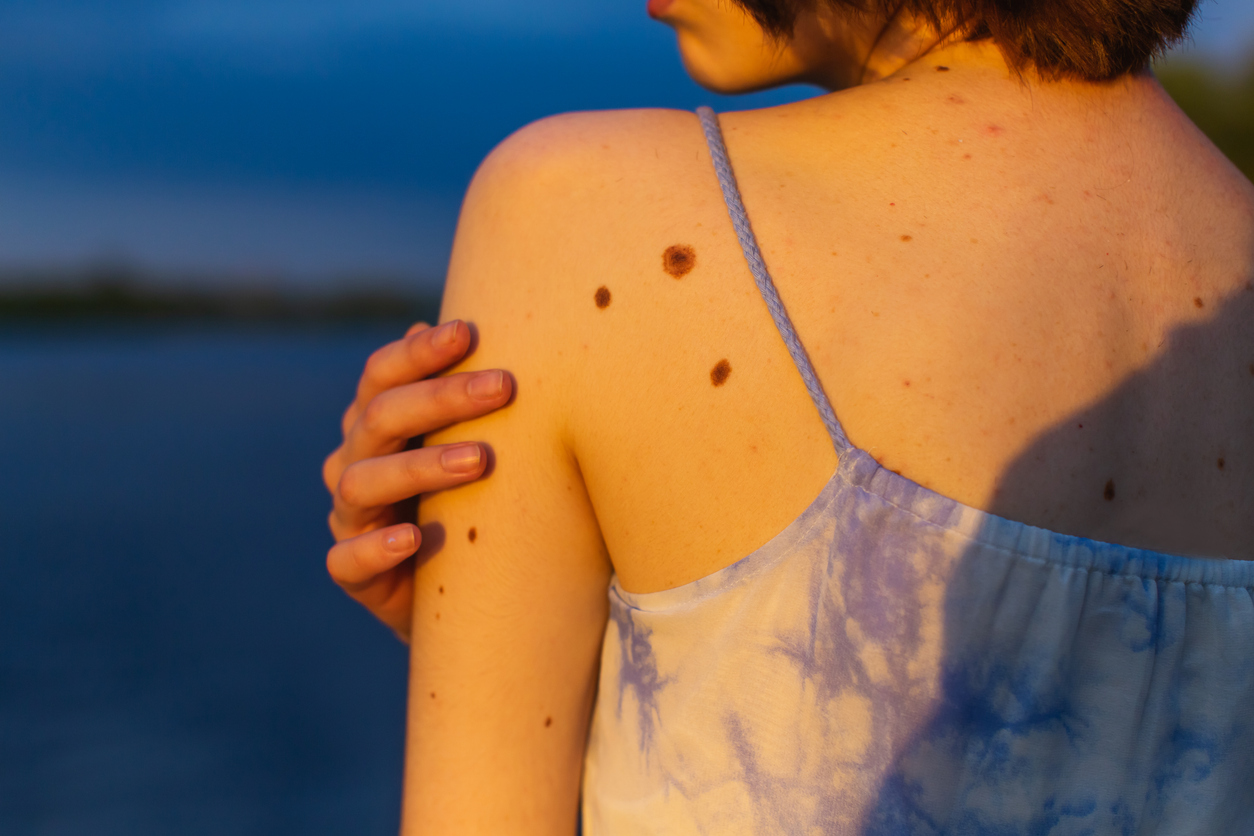
Noticing changes in your moles is one of the best defences against skin cancer. But if you're someone who has moles in different places, it can be hard to keep track. Mole mapping is a way to look out for changes over time. The most technologically advanced form is whole body 3D imaging. Here's what you need to know.
Why should you get your moles mapped?
Melanoma is the type of skin cancer that often develops from a mole. On average, there are around 48 new cases of melanoma every day in the UK. As scary as this might sound, the 10-year survival rate is almost 9 in 10 people1.
The most important factor for this high survival rate is early detection. If you have moles, knowing what they look like and noticing any changes can help specialists detect signs of cancer early, remove the mole, and stop the spread.
What is mole mapping?
Protecting yourself begins at home and making a habit of examining your skin on a monthly basis. When checking your own moles, the ABCDE test is a handy way to remember what to look out for.
Mole mapping is simply a more advanced method for checking and tracking your moles over time. On top of your monthly self-checks, this involves a regular visit with a skin specialist (dermatologist) - usually every 6 to 12 months - who takes photos of all your moles, examines the images, and uploads them to a computer.
With each photography session, each mole can be tracked for changes over time, making it easier for your dermatologist to detect signs of cancer. It's a great option for people with several moles to track, allowing for a more thorough check and helping to eliminate human error.
Who should get their moles mapped?
Anyone can benefit from mole mapping, but it's particularly useful if you have any of the following:
A history of skin cancer in your family.
A large number of moles or skin spots.
A history of excessive sun exposure.
Fair skin - which increases your chances of skin cancer.
Sponsored
Concerned about a mole?
Get your mole checked by a specialist - Peace of mind within 24 hours
If you have a mole that changes, or if new ones appear, this in-app mole assessment helps identify the need for further investigation - all from the comfort of your home.

Whole body 3D imaging mole mapping
These days, advancing technology is making mole mapping even more precise, according to Dr Aveen Connolly, a consultant dermatologist at the Cadogan Clinic.
"Mole mapping using 3D whole body imaging technology involves capturing high-resolution, multi-angle digital images of the entire skin surface to create a comprehensive 3D avatar of the person," she explains.
"This 3D mapping precisely records the location and magnified images of individual moles and other skin lesions. Advanced software combines these images and uses algorithms to detect and label moles, measuring their size, shape and colour.
"The whole body scan establishes a baseline, which subsequent scans are compared to. This allows dermatologists to monitor for changes in existing moles and identify any new suspicious or abnormal moles or lesions. They can then analyse these changes to detect early signs of skin cancer including melanoma, basal cell and squamous cell carcinoma.”
3D imaging: What happens during mole mapping?
Have a consultation with a dermatologist who will take a melanoma skin cancer/sun damage history.
They will also examine your skin to identify any moles that may be a cause for concern.
A mole mapping machine will then digitally capture all of your skin in 3D. This will involve standing at a fixed distance in front of the machine and on a mat in your underwear.
Any moles identified for closer monitoring are then photographed with a hand-held dermoscope camera, which captures images in high-resolution and microscopic detail.
The machine generates a 3D avatar replicating your skin with a 360-degree view.
The dermatologist will analyse the replication for early signs of skin cancer.
The mole mapping machine uses artificial intelligence (AI) to flag any changes to moles or new moles when mapping is repeated at a later date.
If a suspicious mole is found, your dermatologist will discuss the next steps with you. They may advice that the mole be removed and sent for analysis to determine if it is harmless (benign) or cancerous.
The benefits of 3D mole mapping
The more moles you have, the harder it is to perform accurate self-checks.
Ultimately, it's the specialists that have the know-how to determine if a mole is showing signs of cancer. What technology can do is automate the process that captures, logs and organises all the moles on your body. This can help make sure that no mole, spot or legion is missed, and assists in their examination - in terms of detail, size, shape, and colour.
Full-scope - if you have many moles, 3D imaging helps track them all.
Non-invasive - the process doesn't cause any discomfort or damage.
Speed - captures the entire skin surface within seconds.
Detailed analysis - every image can be examined using a microscopic light.
Less human error - for missing moles and for tracking changes with AI.
"Overall, 3D mole mapping offers high precision and can facilitate early cancer detection and accurate monitoring of skin health, without discomfort" says Dr Connolly.
Is 3D mole mapping right for you?
The whole body 3D imaging is safe: there is no radiation exposure with a mole mapping machine. However, if you're deciding whether this type of mole mapping is right for you, there are some considerations and limitations. Dr Connolly explains:
"It can be costly, is not widely available, and the image quality and software accuracy may vary, depending on where you go.
"It's also worth noting that mole mapping machines mainly focus on coloured (pigmented) moles, meaning they may be less reliable at detecting colourless (amelanotic) melanomas. They also don't detect deeper issues, or allow for easy monitoring of the genitals, scalp or farthest points on the arms or legs. How effective they are may also differ across different skin types."
How much does mole mapping cost?
Having a mole checked and photographed is something you may be offered for free on the NHS, if you are referred to a dermatologist for a suspicious or abnormal mole. In this case, it will usually just be the mole in question that is photographed and tracked - not your other moles. However, some NHS dermatology departments- depending on your risks - will digitally map all your moles if you have a lot of them to look for new changes. This will not be using 3D technology.
When it comes to the high-tech mole mapping services, price is a big factor and potential barrier for many people. Mole mapping machines are available in some private clinics in the UK.
The cost will depend on where you go. Generally speaking, you can expect to pay around £200 for private mole mapping. For 3D whole body mapping, this is around £500.
High-tech mole mapping - is it really worth it?
The first thing to remember is checking your moles at home, and going to the doctors if you suspect a change, is considered an effective way of preventing skin cancer. But mole mapping - and the use of high-tech - can offer extra peace of mind, especially if you find it hard to keep track and have moles spread across your body.
It's all about weighing up your own situation and options; for example, any worries over a family history of skin cancer, the comfort of being thoroughly assessed, whether you can afford professional mole mapping, and so on.
Whether or not you choose to have your moles mapped, you should check your moles regularly at home - ideally once a month. Most important of all, protect yourself against the biggest cause of skin cancer; ultraviolet (UV) damage from the sun. Find shade, cover up, and wear sunscreen with at least 30 SPF. There's no such thing as a healthy natural tan. If it's the bronzed look you're after, reach for that fake tanning spray instead.
Further reading
Patient picks for Moles

Skin, nail and hair health
Concerned about a mole? Get peace of mind with online mole checking
Many of us have moles - small, often harmless marks on the skin that may change slowly over time. But sometimes, a new mole or changes in an existing one can cause worry. While most changes are harmless, it’s important to know when to get a professional opinion, as early detection is key in spotting skin cancer.
by Thomas Andrew Porteus, MBCS
Skin, nail and hair health
Whole body 3D mole mapping: the future of skin health?
Noticing changes in your moles is one of the best defences against skin cancer. But if you're someone who has moles in different places, it can be hard to keep track. Mole mapping is a way to look out for changes over time. The most technologically advanced form is whole body 3D imaging. Here's what you need to know.
by Amberley Davis
About the authorView full bio
Authored by

Amberley Davis
Senior writer
BA (Hons), CPD
Amberley is a senior writer with Patient and has written extensively on a range of health and wellbeing topics.
About the reviewerView full bio

Dr Krishna Vakharia, MRCGP
Chief Medical Officer for Health, Optum UK
MBChB, MRCGP(2013), BMedSci (hons), DFSRH, DRCOG, PGDipDerm (Distn)
Dr Krishna Vakharia is an NHS GP. She is also a regular examiner for the postgraduate Diploma in Practical Dermatology at Cardiff University as well as being the Chief Medical Officer for health at Optum UK.
Article history
Article also available in English, German, Spanish, French, Italian, Portuguese, Hindi, Hebrew, Arabic, and Swedish.
Next review due: 8 Jul 2027
8 Jul 2024 | Originally published
Authored by:
Amberley DavisPeer reviewed by
Dr Krishna Vakharia, MRCGP
Join the conversation
Share your thoughts or experiences with others in our patient communities.

Ask, share, connect.
Browse discussions, ask questions, and share experiences across hundreds of health topics.

Feeling unwell?
Assess your symptoms online for free
Sign up to the Patient newsletter
Your weekly dose of clear, trustworthy health advice - written to help you feel informed, confident and in control.
By subscribing you accept our Privacy Policy. You can unsubscribe at any time. We never sell your data.