
Usar maquiagem causa acne?
Revisado por Dr Sarah JarvisAutoria de Emily Jane BashforthPublicado originalmente 27 Oct 2021
Atende aos diretrizes editoriais
- BaixarBaixar
- Compartilhar
- Language
- Discussão
- Ask Patient
- Versão em Áudio
- Adicionar às fontes preferidas no Google
"Maquiagem causa acne?" é uma dúvida antiga. No entanto, a resposta pode não ser tão simples quanto um sim ou não. É compreensível que quem tem acne queira escondê-la com maquiagem, mas o que você pode fazer para garantir que ainda está cuidando bem da sua pele, e quando deve procurar um profissional para o tratamento da acne?
Explore acne treatment options
Obtenha aconselhamento especializado em saúde no conforto da sua casa. Faça uma consulta online rápida, disponível 24 horas por dia, 7 dias por semana, e tenha o seu pedido avaliado por um profissional de saúde registado no Reino Unido. Entrega no dia seguinte disponível para tratamentos elegíveis.

Escolhas de vídeos para AcneBiblioteca de vídeos
Can wearing make-up every day cause acne?
Dr Ross Perry, medical, director of Cosmedics Skin Clinics, says foundation, concealer, blusher and contouring products can block your pores, leading to cicatrizes de acne flare-ups and sensitivity.
"My advice is to be aware of the ingredients in your make-up. Make sure you're buying products that are suitable for your skin type, not just what's popular. Take people who have oily skin and are, therefore, more susceptible to acne breakouts. Theyshould look for a foundation containing salicylic acid, which can provide mild exfoliation, helping prevent and treat blocked pores. Look for products labelled non-comedogenic and non-acnegenic, as these aim to not clog pores.
"If you already have acne, try not to use products containing silicone, which is an ingredient often found in primers. Make sure your make-up brushes and tools are regularly cleaned as well, as dirty brushes can contain vast amounts of bacteria. This, rather than the make-up itself, can cause break-outs."
Dr Perry says if you're wearing the right make-up for your skin, keeping your make-up tools clean, practising a good skincare regime, eating a dieta saudável, and getting a decent amount of sono, then wearing make-up every day shouldn't cause acne.
It's not just how you wear it, it's how you remove it
Dr Perry stresses that the most important step in your make-up routine isn't necessarily the products you wear, but how you remove them.
Any make-up residue left on the skin overnight will likely lead to blocked pores and, subsequently, can cause flare-ups of acne. Therefore, it's incredibly important to follow a good skincare regime to get rid of the day's make-up and make sure your skin is properly cleaned. Don't just use a make-up wipe, as this alone won't cleanse your skin properly.
Dr Perry's recommended make-up removal regime
Double-cleanse (cleanse twice using a gentle foaming cleanser). Start by applying a small amount of cleanser into the palm of your hands and apply to your face, massaging into your skin, neck and décolletage area. Then rinse with lukewarm water or use a muslin cloth.
Use a mild exfoliator a couple of times a week - this will get rid of dead skin cells and unblock pores
Use a toner suitable for your skin type.
Follow up with an oil-free moisturising cream.
During the day, be sure always to wear SPF 30 all year round to protect your skin from UV rays and other environmental factors.
How can you prevent acne when wearing make-up?
Despite what you might believe, it isn't always the most expensive products that are best for your skin, explains Dr Perry. Sometimes, the cheaper make-up products are better. It can be a case of trial and error - experimenting with a few products to find which works best for your skin.
He recommends looking out for non-comedogenic products. However, you should make sure they are trusted and approved, as there are no regulated standards for products making these claims.
If you still want to wear base make-up, try to keep foundation lightweight, as the thicker the foundation is, the more it will clog your pores.
"It goes without saying that, if you're prone to breakouts, look for oil-free and fragrance-free products - these added ingredients will also contribute to break-outs," says Dr Perry.
Does not wearing make-up help skin?
Dr Perry advises giving your skin a break from make-up at least once a week is a good idea.
"The weekend is a good opportunity to do this, as it gives you a chance to get your skin super-clean whilst you're at home. Get rid of all traces of make-up with a double cleanse, followed by exfoliating with a scrub or brush. This will brighten the skin as well as reduce any build-up of debris and skin cells. Follow a deep clean with a nourishing face pack or intense moisturiser."
This me-time can not only make you feel pampered and relaxed, but also give your skin a boost.
Is it realistic to suggest not wearing make-up to people with spots?
In a world where make-up is so popular and new products and trends are constantly coming and going, is it realistic to expect beauty lovers to miss out? And with beauty standards being so pervasive, can people with acne really be expected to walk around barefaced? Dr Perry doesn't think so.
"Having acne can make you really self-conscious and it can have a great impact on your mental health. Not wearing make-up can actually make you feel much more exposed, even though it is occasionally the best thing you can do for your skin.
"It's fine to wear make-up, but don't cake on layers which will only clog your pores. Instead, start off with a clean, fresh face, then an oil-free primer, followed by a small amount of concealer and a light tinted oil-free moisturiser. This will give you coverage whilst still allowing your skin some breathing space."
What are some skincare tips for looking after acne-prone skin?
Dr Perry says caring for acne-prone skin during winter can differ from what you'd do in the warmer months.
"During the colder months, I recommend cleansing twice a day, morning and night, without overdoing it. Avoid hot water as it can strip the skin of its natural oil barrier, meaning your skin will dry out quicker and become more itchy and flaky."
If you're prone to spots, it's especially important to choose the right products for your skin type. It's a good idea to keep your routine simple, not overcomplicating things with lots of products.
For a cleanser, use a salicylic acid, glycolic acid or peróxido de benzoíla, as they work well with acne-prone skin. They break down the bonds between dead skin cells and eliminate them from the surface of your skin.
When it comes to drying your face, pat it instead of rubbing. Then, apply your toner with a cotton pad to gently remove any excess dirt and oil left on your skin.
But Dr Perry's biggest tip? Keep your hands away from your face.
"Try not to keep touching your face, especially your chin, which naturally produces more oil and sebum. Definitely don't squeeze your spots and, if your skin is red and angry, you might want to try dabbing on some tea tree oil or witch hazel to soothe it."
When to seek help from a professional for acne
Whilst there are many skincare products on offer over the counter or on the high street to ease acne, you don't need to struggle alone.
You should seek help from a professional if:
Your acne is starting to affect your saúde mental.
You feel like you've 'tried everything'and nothing is working.
Your acne is consistent and persistent.
You want to prevent acne scarring.
Visiting a healthcare professional can help you ensure you're using the correct treatments for your acne. Reaching out to your GP is also necessary if your acne is affecting your mood. They will be able to recommend prescription treatments, such as topical retinoids, topical antibiotics, azelaic acid, antibiotic tablets or isotretinoin tablets. There are also a number of private treatments available to treat acne, such as laser treatments.
Escolhas do paciente para Acne

Saúde da pele, unhas e cabelos
Algum remédio natural realmente funciona para acne?
Natural skin treatments you can find in your own home are becoming more and more popular, but is there any evidence to suggest they can cure acne? The answer for most people is no, according to Dr Anjali Mahto of the British Association of Dermatologists, who says natural treatments could even cause further skin irritation.
por Andrea Downey
Saúde da pele, unhas e cabelos
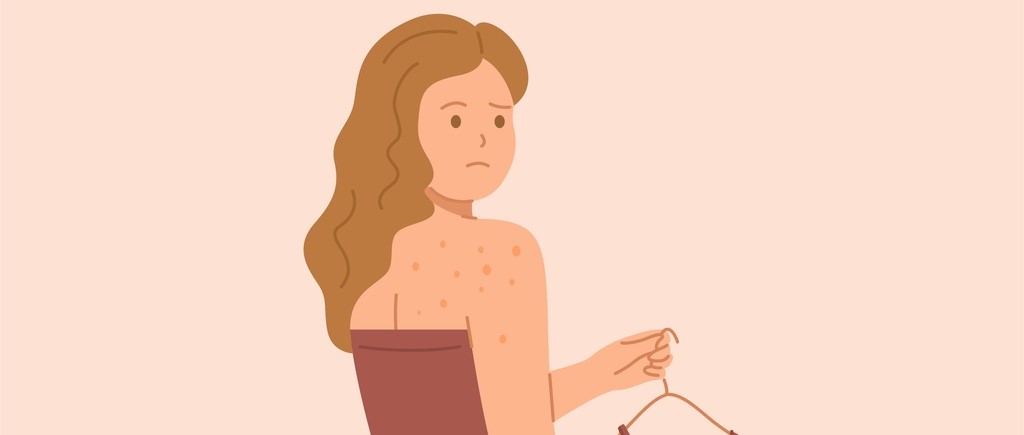
8 causas de acne nas costas
Acne nas suas costas pode ser dolorosa. Também pode fazer muitas pessoas se sentirem inseguras e desconfortáveis em sua própria pele. Mas desenvolver acne nas costas geralmente está fora do seu controle, embora existam alguns hábitos que podem desencadeá-la. Exploramos as causas que você pode e não pode controlar, bem como como tratar a acne nas costas para que você possa seguir vivendo sua vida.
por Amberley Davis
Sobre o autorVer biografia completa
Autoria de

Emily Jane Bashforth
Redatora de Reportagens
NCTJ
Emily é uma redatora de destaque na Patient, escrevendo artigos sobre uma variedade de tópicos relacionados à saúde e bem-estar.
Sobre o revisorVer biografia completa

Dra. Sarah Jarvis
Consultora Clínica
MA (Cantab), BM, BCh (Oxon), DRCOG, FRCGP, MBE
Após se formar em medicina em Cambridge e Oxford, a Dra. Sarah Jarvis MBE tornou-se médica de clínica geral.
Histórico do artigo
Artigo também disponível em Inglês, Alemão, Espanhol, Francês, Italiano, Português, Hindi, Hebraico, Árabe, e Sueco.
27 Oct 2021 | Publicado originalmente
Escrito por:
Emily Jane BashforthRevisado por
Dra. Sarah Jarvis
Compartilhe seus pensamentos ou experiências com outros em nosso comunidades de pacientes.
Inscreva-se no boletim informativo do Patient
Sua dose semanal de conselhos de saúde claros e confiáveis - escritos para ajudá-lo a se sentir informado, confiante e no controle.
Ao se inscrever, você aceita nossos Política de Privacidade. Você pode cancelar a inscrição a qualquer momento. Nunca vendemos seus dados.