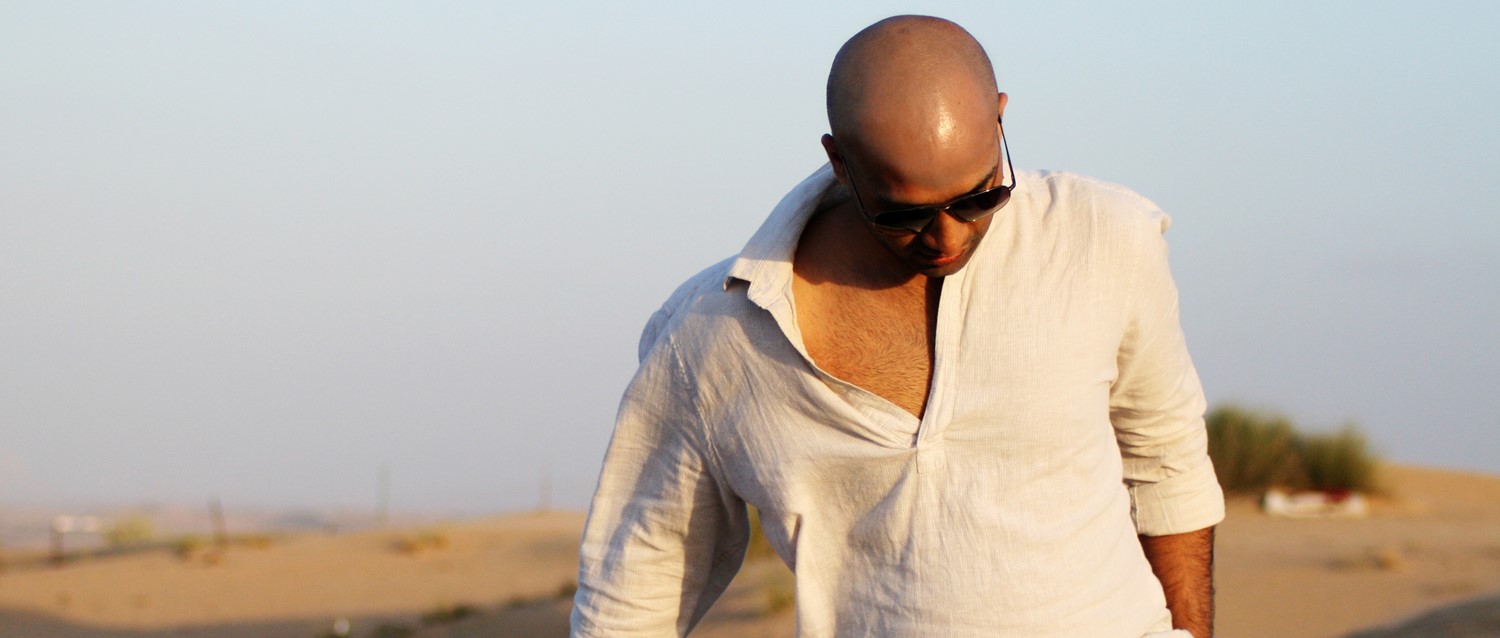
Veja como proteger uma cabeça calva do sol
Revisado por Dr Krishna Vakharia, MRCGPAutoria de Amberley DavisPublicado originalmente 23 Jun 2022
Atende aos diretrizes editoriais
- BaixarBaixar
- Compartilhar
- Language
- Discussão
- Ask Patient
- Versão em Áudio
- Adicionar às fontes preferidas no Google
Desde o envelhecimento acelerado da pele até o câncer de pele que ameaça a vida, todos devem conhecer os riscos da exposição excessiva ao sol. Se você é calvo ou tem cabelo ralo, é especialmente importante saber como proteger o couro cabeludo do sol, pois essa pele é muito vulnerável.
Escolhas de vídeos para Sol e queimaduras solaresBiblioteca de vídeos
Bald head sun protection
Dr Paul Banwell runs The Banwell Clinic1 and is the previous head and founder of The Melanoma and Skin Cancer Unit (MASCU) in East Grinstead: "Without hair, your skin is directly exposed to the sun's harmful rays. The thin skin on the scalp can burn quickly and is one of the most common places I see for câncer de pele. The most common types of skin cancer on the scalp are basal cell carcinoma (BCC) and squamous cell carcinoma (SCC)."
In fact, research finds that the sun’s harmful UV rays (ultraviolet light that naturally radiates from the sun) are the most important environmental risk factor for all skin cancers, as well as for premature skin ageing2.
This is because UV rays can alter the DNA in your skin cells. Over time, this damage can cause these cells to start growing out of control, leading to the development of skin cancer.
With this in mind, Dr Banwell and dermatology GP Dr Pippa Bowes share their top tips for bald head sun protection, equipping you with the all-important safe summer know-how.
Cover up and shelter
Unsurprisingly, the best way to protect a bald head is to keep it out of the sun. Dr Bowes advises wearing a hat to protect your head while in the sun and wearing protective clothing and glasses to shield the rest of your body. She also recommends seeking shade when you can, especially mid-day when the sun's UV rays are strongest.
Planning ahead is always a good idea. Dr Bowes suggests keeping an eye on the weather forecast and checking for heatwave weather warnings over spring and summer.
Why is sunscreen important?
Of course, it's not always possible or practical to avoid the sun completely. For example, you're unlikely to wear a hat while swimming (although you can buy sunhats for this purpose). This is where protetor solar comes in.
"Wearing sunscreen is vital in the prevention of skin cancer," says Dr Banwell. This is backed by many high-quality studies3.
Look for sunscreen quality: UV damage protection and SPF 30 plus
Not all sunscreens are created equal. Dr Bowes describes the key things you need to look out for in your sunscreen:
UVB: look for a sun protection factor (SPF) of at least 30 to protect against UVB (ultraviolet B radiation) which has high energy levels that can damage the outermost skin layers, causing queimadura solar. SPFs are rated on a scale from 2 to 50+, with 50+ offering the highest UVB protection. The higher the SPF, the better the protection.
UVA: also look for at least a 4-star UVA (ultraviolet A radiation) protection rating, which is indicated by the letters 'UVA' in a circle. UVA has a longer wavelength than UVB and is associated with skin ageing. The star rating measures the amount of protection, and you should see a star rating of up to 5 stars on most UK sunscreens. Again, the higher the star rating, the better the protection.
Broad spectrum: sunscreens that offer both UVA and UVB protection are called broad spectrum. Aim for these, with a higher SPF and star rating.
Expiry date: make sure the sunscreen is not past its expiry date. Most sunscreens have a shelf life of 2 to 3 years.
When it comes to sunscreen for bald heads, Dr Banwell recommends using a product that specifically targets the face. "This will be less heavy and look less shiny on your scalp, which is what you want. Please don't forget your ears, forehead, and neck too.
"Ideally, use organic sunscreen, although I do appreciate it is more expensive and I would rather people were wearing any sunscreen than none at all."
Learn how to apply sunscreen correctly
Sunscreen can come in the form of sunscreen spray, gel, lotion, and cream. "This simply explains the consistency (or thickness) of the sunscreen," adds Dr Bowes.
If you have some head hair, you may find a scalp spray is the easiest option to use on the areas where your scalp is most visible. No matter the form you choose, Dr Bowes shares the essential sunscreen application must-dos:
Amount: you should apply around two teaspoons of sunscreen to your head, arms, and neck. You should apply around two tablespoons if you're covering your entire body, while wearing a swimming costume. If applied too thinly, the amount of protection sunscreen gives is reduced. Therefore, apply sunscreen liberally and frequently to all exposed skin.
Frequência: if you plan to be out in the sun long enough to risk burning, sunscreen needs to be applied twice - 30 minutes before going out as a baseline, and just before going out to extend the time of protection it gives. Reapply sunscreen every two hours, as the sun can also dry it off your skin. You should also reapply straight after you have been in any water (even if the sunscreen is water resistant) and after towel drying, sweating, or if anything may have rubbed the sunscreen off.
"You shouldn't just be using sunscreen on sunny days. It's important to continue to protect your scalp from UV damage throughout winter too."
Head sun protection sunscreen products can be purchased through our links:
Dr Bowes' top sunscreen brands
Dr Banwell's top sunscreen
Best for people who have some hair
Sunscreen head sprays such as Sun Bum Scalp and hair mist SPF 30 can be used like a dry shampoo on your hair to protect both your scalp and hair.
Avoid sun beds
According to Dr Bowes, you should avoid sun beds at all costs. Like the sun, sun beds give off skin cell-damaging UV rays. This UV radiation is high intensity, which is what gives you a rapid tan. Every time you use a sun bed, more damage is done, and your risk of visible skin ageing and skin cancer increases4.
Try fake tan
If you crave tanned looking skin, Dr Bowes recommends opting for fake tan out of the bottle. This is by far the healthiest way to tan your skin as it doesn't involve any permanent skin cell damage.
Know the signs of sun exposure damage
Finally, you need to be able to recognise the warning signs of dangerous sun damage. If you develop skin cancer, detecting it early can significantly affect your chance of recovery.
According to the Skin Cancer Foundation, 99% of people with melanoma skin cancer survive at least five years from their diagnosis. This survival rate drops to 68% if the cancer reaches the lymph nodes (small clusters of immune system cells) and to just 30% if it reaches distant organs5.
You should keep an eye out for changes in the appearance of your moles all over your body. "Check your moles regularly and consult your doctor if you're concerned," advises Dr Bowes.
On bald heads, Dr Banwell says you should visit a doctor if you notice a newly developed sore that isn't healing or keeps crusting over.
Leitura adicional
Escolhas do paciente para Sol e queimaduras solares

Saúde da pele, unhas e cabelos
Você pode ser alérgico ao sol?
We all know that sun exposure without adequate protection can be harmful to our skin, and may lead to sunburn, skin damage and an increase in the risk of skin cancer. But for some, exposure to the sun's rays can result in a more extreme reaction - known as photosensitivity or sun allergy.
por Gillian Harvey
Saúde da pele, unhas e cabelos
Como escolher o protetor solar certo
O verão significa churrascos e tempo ao ar livre com amigos e família. Mas com o sol extra vem a possibilidade de queimaduras solares - algo que todos precisam evitar. Usar protetor solar é a melhor maneira de prevenir danos graves à pele, mas todos os protetores solares são adequados para você? Aqui está como garantir que você está recebendo a proteção certa do protetor solar que está usando.
por Victoria Raw
Sobre o autorVer biografia completa
Autoria de

Amberley Davis
Escritor sênior
BA (Hons), CPD
Amberley é uma escritora sênior na Patient e escreveu extensivamente sobre uma variedade de tópicos de saúde e bem-estar.
Sobre o revisorVer biografia completa

Dr Krishna Vakharia, MRCGP
Diretor Médico de Saúde, Optum UK
MBChB, MRCGP(2013), BMedSci (hons), DFSRH, DRCOG, PGDipDerm (Distn)
Dr. Krishna Vakharia é uma médica de clínica geral do NHS. Ela também é examinadora regular do Diploma de Pós-Graduação em Dermatologia Prática na Universidade de Cardiff, além de ser a Diretora Médica de Saúde na Optum UK.
Histórico do artigo
Artigo também disponível em Inglês, Alemão, Espanhol, Francês, Italiano, Português, Hindi, Hebraico, Árabe, e Sueco.
23 Jun 2022 | Publicado originalmente
Escrito por:
Amberley DavisRevisado por
Dr Krishna Vakharia, MRCGP
Compartilhe seus pensamentos ou experiências com outros em nosso comunidades de pacientes.
Inscreva-se no boletim informativo do Patient
Sua dose semanal de conselhos de saúde claros e confiáveis - escritos para ajudá-lo a se sentir informado, confiante e no controle.
Ao se inscrever, você aceita nossos Política de Privacidade. Você pode cancelar a inscrição a qualquer momento. Nunca vendemos seus dados.