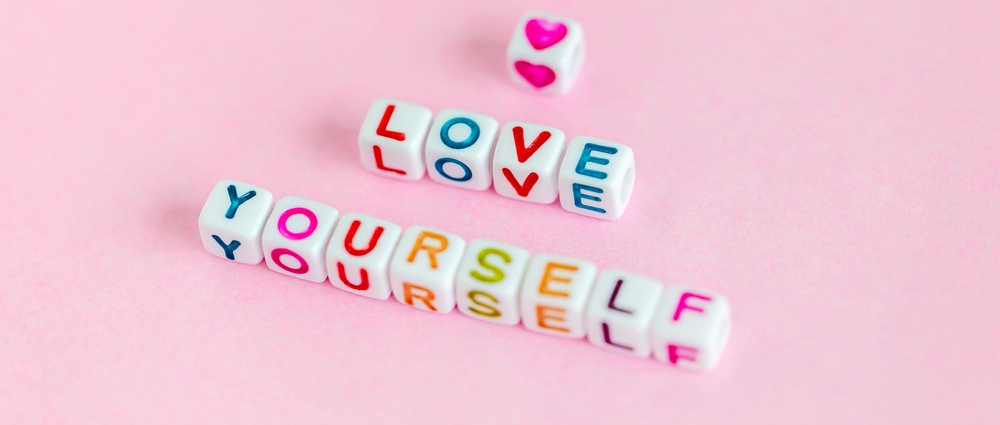
How to improve your self-esteem and be kinder to yourself
Peer reviewed by Dr Colin Tidy, MRCGPLast updated by Lynn StephenLast updated 3 Nov 2025
Meets Patient’s editorial guidelines
- DownloadDownload
- Share
- Language
- Discussion
- Audio Version
- Add to preferred sources on Google
We all have days when we don't feel good about ourselves, and it is rare to find someone who is confident all the time. But when we persistently have low self-esteem, it can have a harmful effect on our lives and mental wellbeing.
Self-esteem is how we value ourselves and when we have healthy self-esteem, we generally feel positive about ourselves and our lives. When our self-esteem is low, it can leave us feeling worthless, undeserving of happiness, or low in confidence, which can affect our health, work and relationships.
Mental health support for adults and children
Online CBT and psychological therapy for adults and children aged 8–17. Onebright’s accredited clinicians support people experiencing anxiety, depression and other emotional challenges.
Self-esteem vs confidence
Low self-esteem stems from the beliefs you have about who you are as a person, and your opinion of yourself. It is more powerful and tends to pervade all areas of life.
Dr Sheri Jacobson, Clinical Director of Harley Therapy explains that low confidence, however, is about how you rate your skills and abilities. It can affect one or several areas of life. For example, you might have low confidence with public speaking, but be very confident with stating your mind in a small group.
Low self-esteem often begins in childhood - for example, as a result of bullying. But stress and difficult life events can also have a negative effect on our self-esteem, such as an illness, a bereavement, or a challenging life change, such as redundancy.
Anne Millne-Riley, a therapist, confidence coach, and a Counselling Directory member, says you can't always spot someone who has low self-esteem, but common signs are sensitivity to criticism or avoidance of social interactions. Some people may avoid trying new things, or stay away from challenging situations.
She explains: "People with low self-esteem can be more focused on their personal issues and avoid any situation where they might be 'centre stage' and they can think negatively. It is common for them to feel nervous or anxious and they would avoid situations where they might be judged or compared to others."
Although having low self-esteem isn't a mental health condition in itself, the two are closely linked. Having low self-esteem in the long term may lead to an issue such as depression or anxiety.
Naomi Barrow says low confidence and self-esteem leaves her struggling with everyday tasks.
She says: "Getting dressed can send me into a tailspin - and has left me crying more times than I care to count - so I tend to wear the same thing pretty much every day. Showering can also be incredibly difficult if I'm having a bad body image day. Leaving the house can be a real challenge.
"It's hard to detail the things that having low self-confidence affects, because it's literally everything. It's caused me to lose friends, miss time with my family, avoid holidays or visiting places, and generally hide away from things."
Steps to boost your self-esteem
Although it's certainly not easy to silence that critical inner voice completely, there are steps you can take to improve your self-esteem and feel more positive.
Challenge negative beliefs
It helps to identify negative beliefs you have about yourself, then challenge them.
Jacobson says: "Sit down and make a list of all the things you say against yourself, or if you are brave enough ask friends what sorts of things they notice you saying.
"For each criticism you have of yourself, write down the exact opposite. Then come up with 'facts' that prove both sides. You'll likely be surprised to find you can find proof for both sides. This exercise shows how our 'beliefs' are usually not so true at all.
"Finally, come up with a statement that is balanced and in the middle - such as: 'I'm not always naturally assertive, but if I need to be, I can be.'"
Focus on the positives
Taking time to reflect on your successes can help you have a more positive view of yourself. Writing a list of what you like about yourself may also be helpful.
Barrow says she writes down three positives at the end of every day.
She explains: "It can be really difficult some days, and there have been days when they've included things such as 'my dressing gown is fluffy' and 'my heat pack is warm'. But it forces me to try to find some good in every day."
Identify your triggers
Millne-Riley recommends asking yourself if there are times when you feel more confident or less confident.
She says: "If we can identify the triggers that drain us of confidence and those factors that help us relax and be ourselves, we can identify areas for self-development and strengths we can build on.
"Ask trusted friends and family members to help identify your strengths, skills and talents. Listen to what they have to say and learn to like yourself."
Try talking therapies
Talking about your feelings with a trained professional can help you work through issues and build self-esteem.
Millne-Riley says: "Cognitive behavioural therapy can help you to think more positively about yourself and your abilities. You will learn to challenge your limiting beliefs and become less self-critical as you focus on your strengths."
Be kind to yourself
Although it can be difficult to find the motivation to take care of yourself, it's important for your mental wellbeing.
Geraldine Joaquim, a hypnotherapist, recommends taking time out to do things that make you happy.
She advises: "Put non-negotiable dates in your diary for 'me time' such as a yoga class or joining a book club, or whatever you like doing for relaxation. Prioritise your relaxation - stress makes that inner voice louder so reducing your stress through relaxation helps to dampen it."
Build positive relationships
It may sound obvious, but spending time with people who appreciate you and treat you well is key to raising self-esteem.
Barrow says: "In terms of thinking most positively, I'm working on building up an army of cheerleaders around me. These people are amazing friends, colleagues and family who build me up rather than dragging me down."
Challenge yourself
Setting yourself a goal can help you feel more positive about yourself. This could mean joining an exercise class, going to a social event, or even trying out a new recipe.
Patient picks for Mental wellbeing

Mental health
Body positivity: 7 daily habits for self-love and acceptance at any age
As we grow and evolve, our bodies and mindsets change. These natural transitions can affect our self-esteem, making it challenging to maintain body positivity. However, it's important to remember to love our bodies - and ourselves - at every stage of life.
by Victoria Raw

Mental health
What to do if you feel lonely
Loneliness is a growing epidemic in the UK, with around half of us feeling lonely sometimes or always. But what's this doing to our physical health? And how can you help yourself if you feel lonely?
by Victoria Raw
About the authorView full bio
Updated by

Lynn Stephen
Content developer
MA (Hons)
Lynn joined Patient in 2023 and her role includes checking all the professional leaflets, patient information leaflets and medicine leaflets, to ensure consistency of spelling, grammar, reference material and brand style, working with the medical authors and clinical director to coordinate the authoring and peer reviewing of the leaflets.
Authored by

Lydia Smith
Feature writer
BA, MA, MSc
Lydia Smith is an award-winning journalist and feature writer who has written extensively on women's health and mental health. She is currently studying for an MSc in psychology.
About the reviewerView full bio

Dr Colin Tidy, MRCGP
General Practitioner, Medical Author
MBBS, MRCGP, MRCP (Paediatrics), DCH
Dr Colin Tidy is an NHS Doctor, based in Oxfordshire.
Article history
Article also available in English, German, Spanish, French, Italian, Portuguese, Hindi, Hebrew, Arabic, and Swedish.
Next review due: 3 Nov 2028
3 Nov 2025 | Latest version
15 Feb 2018 | Originally published
Authored by:
Lydia Smith
Join the conversation
Share your thoughts or experiences with others in our patient communities.

Ask, share, connect.
Browse discussions, ask questions, and share experiences across hundreds of health topics.

Feeling unwell?
Assess your symptoms online for free
Sign up to the Patient newsletter
Your weekly dose of clear, trustworthy health advice - written to help you feel informed, confident and in control.
By subscribing you accept our Privacy Policy. You can unsubscribe at any time. We never sell your data.