
4 common winter hair conditions - and how to treat them
Revisado por Dr Colin Tidy, MRCGPÚltima atualização por Lynn StephenÚltima atualização 18 Nov 2026
Atende aos diretrizes editoriais
- BaixarBaixar
- Compartilhar
- Language
- Discussão
- Ask Patient
- Versão em Áudio
- Adicionar às fontes preferidas no Google
In winter, we're constantly going between the chilly, outdoor weather and indoor, central heating. Both of these can be harsh on our hair, depriving it of the moisture it needs to stay healthy and full.
We asked a hair specialist for tips on preventing the most common winter hair conditions, and explore other possible health issues that could be linked to your hair troubles.
Escolhas de vídeos para Hair and scalpBiblioteca de vídeos
What your hair says about your health
How we feel about our hair is closely bound to our mental wellbeing. People who are happy with their hair tend to have better self-esteem, while those who are stressed can have queda de cabelo as a result.
Healthy hair that feels hydrated and looks shiny can also tell us that we're absorbing all the water, vitamins, and nutrients we need. For example, if you're dehydrated your body will direct whatever water it has to more critical functions - such as regulating your internal temperature and keeping your joints lubricated - before it can reach your hair.
External factors such as cold winter days can also cause hair and scalp issues.
Anabel Kingsley, Consultant Trichologist at Philip Kingsley, shares the signs of hair damage to look out for and what to do.
How winter affects your hair and scalp
1. Cabelo seco
Se o seu cabelo parece seco, pode ter uma textura semelhante a palha, parecer menos brilhante, ficar mais frisado ou embaraçar mais facilmente do que o normal. No inverno, isso é provavelmente resultado de temperaturas rigorosas, incluindo estar em ambientes com menos umidade no ar devido ao aquecimento central.
"Dry hair tends to be more porous, meaning it will absorb and lose moisture quickly so that it becomes brittle," says the London-based hair and scalp specialist. "On the other hand, healthy hair will retain moisture, making it elastic and less prone to breakage."
Como tratar cabelos secos
Dica de Kingsley: "Drink plenty of water and use a weekly pre-shampoo deep-conditioning treatment to flood moisture back into parched strands, improving hair elasticity."
O que mais o cabelo seco pode significar?
Dry hair could also be a symptom of an underlying health issue that's disrupting your hair's ability to stay hydrated.
Exemplos incluem:
Hipotireoidismo - where your thyroid glands don't produce enough thyroid hormones.
Hipoparatireoidismo - a condition where the parathyroid glands don't produce enough parathyroid hormone, decreasing the amount of the nutrient calcium in your blood.
Ter cabelo seco por si só geralmente não significa que há algo errado no seu corpo. Se você está preocupado e sente que tem outros sintomas além do cabelo seco, vale a pena consultar seu médico.
2. Hair loss
A queda de cabelo - conhecida medicamente como alopecia - também pode aumentar no inverno para algumas pessoas. Muitas vezes, está associada a cabelos secos e couro cabeludo seco, causando quebra e afinamento.
"People also tend to lavar o cabelo com menos frequência often in the winter, which can lead to the illusion you are losing more hair than usual, because good scalp hygiene is essential to crescimento capilar," diz Kingsley. "Um couro cabeludo saudável é um couro cabeludo limpo."
Como tratar a queda de cabelo
Dica de Kingsley: "Try to shampoo frequently to obtain the best scalp conditions for healthy hair growth. Wash every day for fine hair, every other day for medium hair, and no more than three days apart for coarse or coiled hair textures."
O que mais a queda de cabelo pode significar?
If you're regularly shampooing and still notice a change in how much hair you're losing, there are some possible medical causes.
Isso inclui:
Estresse - when stress leads to hair loss, this is called eflúvio telógeno. There are different ways to address your stress, including breathing techniques, therapy, talking to friends, and a healthy diet, and exercise routine.
Deficiências de nutrientes - nutrients such as biotin, iron, zinc, and calcium all support healthy hair growth. Uma dieta saudável is the main treatment, and supplement tablets might be recommended by your doctor.
Male pattern baldness and female pattern baldness (androgenic alopecia) - this type of hair loss is caused by genetics, hormones, and ageing.
Alopecia areata - an autoimmune disease where your immune system triggers patches of total hair loss surrounded by your normal hair.
Hipotireoidismo - where your thyroid glands don't produce enough thyroid hormones.
3. Um couro cabeludo escamoso e com coceira
"Seu couro cabeludo é um tecido vivo da pele que produz óleo, transpira e descama células da pele," diz Kingsley. "Caspa and a flaky scalp are more common in the cold, dry temperatures of winter."
In some cases, this causes your scalp to become itchy, and scratching your scalp can damage your hair follicles - which can in turn retardar ou parar o crescimento do cabelo.
To prevent hair loss, Kingsley recommends treating a flaky scalp as soon as possible.
Como tratar um couro cabeludo descamado e com coceira
Dica de Kingsley: "Use a targeted anti-microbial shampoo that helps relieve itching. There are also scalp serums that support long term scalp health by restoring hydration and strengthening the skin barrier."
O que mais um couro cabeludo escamoso e coceira pode significar?
If your scalp is very itchy, and if it's looking red and sore through your hair, you may have one of the following skin conditions.
Uma reação alérgica a um produto capilar - known as dermatite de contato alérgica, um couro cabeludo seco e com coceira pode ser causado por um ingrediente em um dos seus produtos capilares. Por exemplo, se você pinta o cabelo de preto, um ingrediente chamado parafenilenodiamina (PPD) pode às vezes ser a causa.
Dermatite seborréica - a worse cause of dandruff that affects the scalp. It can also affect oily areas of the body, such as eyebrows and each side of the nose.
Piolhos - small insects that live in human hair, causing an itchy scalp.
Dermatite atópica - a type of eczema that can develop on your scalp, resulting in redness and scaly, flaky skin. This can feel itchy or like a burning sensation.
Psoríase do couro cabeludo - plaque psoriasis is an autoimmune condition that causes thick reddish patches called plaques on your skin, including your scalp.
4. Quebra e pontas duplas
Both the cold outdoor temperatures of winter and the contrasting warmth of heated buildings can cause hair to break and split from the ends.
Kingsley explains that as hair becomes drier and frizzier due to external factors in winter, the chances are your hair might break easily.
"Breakage can lead to split ends, which if not looked after can really damage hair health," she cautions. "They can split further up the hair shaft, causing even more damage."
It can also be tempting in winter to blow-dry your hair with high heat, to help keep yourself warmer. According to the hair specialist, using excessive heat over time can break down the keratin in your hair - an important protein that keeps your hair strong and less prone to breakage.
How to treat damaged hair and split ends
Dica de Kingsley: "While it may take a little longer, a low-to-medium heat setting on your hairdryer will give you great styling results, but without dryness, breakage, and split ends. You should also always use a heat protective product and make sure you don't hold your hairdryer right next to your strands.
"To repair existing split ends, I recommend using a bond-building hair product. These restore the chemical bonds that prevent further breakage in hair strands."
O que mais a quebra e as pontas duplas podem significar?
Split ends and broken hair strands are most likely a sign of damaging hair styling habits. Along with those mentioned above, this could include towel-drying, over-brushing, and not having your hair trimmed enough.
However, like dry hair and hair loss - which is closely linked to breakage and split ends - this can sometimes indicate an underlying health issue, including distúrbios da tireoide. For example, hypothyroidism can cause hair to become brittle and prone to breakage.
Escolhas do paciente para Hair and scalp
Saúde da pele, unhas e cabelos
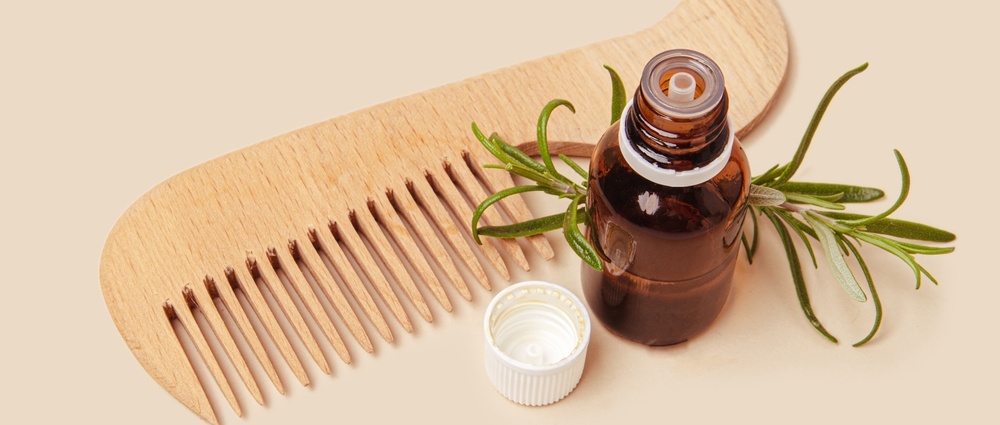
O óleo de alecrim realmente ajuda o cabelo a crescer?
Estamos sempre à procura do mais recente produto milagroso para a saúde - especialmente se for barato e facilmente encontrado nas lojas. E o TikTok está cheio de alegações de que o óleo de alecrim é um remédio para o crescimento rápido do cabelo. Mas há alguma evidência de que funciona?
por Lynn Stephen

Saúde da pele, unhas e cabelos
Por que o cabelo fica grisalho - e como o estilo de vida pode desempenhar um papel
It’s natural, as you get older, to think about grey hair. While embracing a natural white, silvery, or salt-and-pepper look can be empowering, many people wonder if targeted lifestyle choices can delay it. Whether you’re ready to embrace a new hue, or want to hold onto your natural colour a bit longer, we dive into the science of why hair greys and if it’s actually possible to slow down the clock.
por Victoria Raw
Sobre o autorVer biografia completa
Atualizado por

Lynn Stephen
Desenvolvedora de Conteúdo
MA (Hons)
Lynn joined Patient in 2023 and her role includes checking all the professional leaflets, patient information leaflets and medicine leaflets, to ensure consistency of spelling, grammar, reference material and brand style, working with the medical authors and clinical director to coordinate the authoring and peer reviewing of the leaflets.
Autoria de

Amberley Davis
Escritor sênior
BA (Hons), CPD
Amberley é uma escritora sênior na Patient e escreveu extensivamente sobre uma variedade de tópicos de saúde e bem-estar.
Sobre o revisorVer biografia completa

Dr Colin Tidy, MRCGP
Médico Generalista, Autor Médico
MBBS, MRCGP, MRCP (Paediatrics), DCH
Dr Colin Tidy é um médico do NHS, baseado em Oxfordshire.
Histórico do artigo
Artigo também disponível em Inglês, Alemão, Espanhol, Francês, Italiano, Português, Hindi, Hebraico, Árabe, e Sueco.
Next review due: 18 Nov 2029
18 Nov 2026 | Última versão
8 Fev 2024 | Publicado originalmente
Escrito por:
Amberley Davis
Compartilhe seus pensamentos ou experiências com outros em nosso comunidades de pacientes.
Inscreva-se no boletim informativo do Patient
Sua dose semanal de conselhos de saúde claros e confiáveis - escritos para ajudá-lo a se sentir informado, confiante e no controle.
Ao se inscrever, você aceita nossos Política de Privacidade. Você pode cancelar a inscrição a qualquer momento. Nunca vendemos seus dados.