Ensaios clínicos - ajudando a manter seus medicamentos seguros.
Revisado por Dr Krishna Vakharia, MRCGPÚltima atualização por Victoria RawÚltima atualização 23 Oct 2024
Atende aos diretrizes editoriais
- BaixarBaixar
- Compartilhar
- Language
- Discussão
- Versão em Áudio
- Adicionar às fontes preferidas no Google
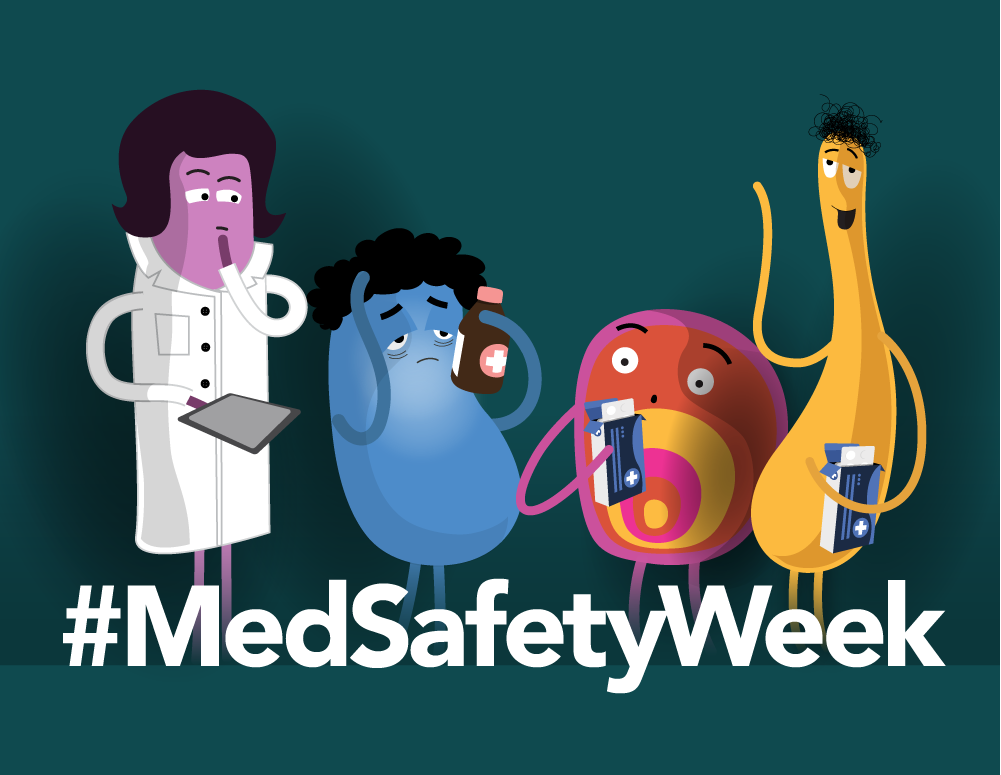
#MedSafetyWeek, promotes the Yellow Card scheme where you can report any suspected side effects from your medicine or health device. But, thanks to all the hard work that goes on before any medicines or devices come to the market, it is not something you will hopefully have to do very often.
All new drugs and jabs have to be thoroughly tested before they are allowed to be prescribed, which requires people to take part in clinical trials. Scientists go to great lengths to ensure these trials are safe.
How do researchers ensure clinical trials are safe?
Any drug, vaccine, or medical device has to go through many stages of testing in laboratories before it can begin to be trialled on people.
Todos testes are strictly monitored to make sure that everyone involved is protected. Each trial also has a sponsor who is responsible for running the trial. This may be the organisation funding it, a hospital, or a university.
Protocol
First, researchers develop a protocol, which is essentially a detailed plan for the trial. Everyone involved in the trial must stick to the protocol, which helps to keep the participants safe.
The protocol outlines the purpose of the study, the goals, how many volunteers are needed, the medicamentos or methods involved, how long the trial will last, and the type of information the researchers will collect.
#MedSafetyWeek
Trial monitoring
Before a clinical trial of a new treatment can begin, a government agency called the Medicines and Healthcare products Regulatory Agency (MHRA) needs to review and authorise it.
Another group called the Health Research Authority (HRA) also works to protect and promote the interests of patients and the public in health pesquisas. It's responsible for research ethics committees, which are independent groups that make sure a clinical trial is ethical, legal, well-designed and - most importantly - safe.
All medical research involving people in the UK has to be approved by an independent pesquisas ethics committee.
These groups make sure that medical trials don't involve any unnecessary risk and include a safety plan.
Consentimento informado
Researchers must also get informed consent from people participating in ensaios clínicos. That means they must make people aware of the details of a trial. This includes interventions or procedures, the research plan and possible risks or side effects.
Before giving your consent, you’ll be given a patient information sheet, which has detailed information about the trial to help you decide whether you want to take part. You can also keep this to refer to during the trial. It's your choice whether you want to be in a trial and you can change your mind at any time.
Confidencialidade
There are also strict confidentiality rules about who can and can’t see your personal information. Only the clinical and research teams who need to access your records will do so.
What are the risks of clinical trials?
All medicines, vaccines and treatments can have side effects - including those that have been approved. All new treatments carry some risks, but researchers work to minimise these risks during clinical trials.
The risks posed to volunteers in clinical trials depend on what is being tested. For example, someone taking part in a drug trial may face side effects, while other trials may come with minimal risks. Researchers carry out risk assessments so they know what might happen during a trial and how to manage any issues.
However, the benefits of a trial may outweigh the risk. Taking part in a trial may give you access to new drugs - and it can be satisfying to know that you’re contributing to research.
Are some clinical trial phases safer than others?
Clinical trials testing new treatments are placed into different stages called phases. The earliest phase trials - phase 0 or I - may look at whether a drug is safe or the side effects it causes. Later phases - II or III - trials aim to test whether a new treatment is better than existing tratamentos.
Each phase carries its own risk. Scientists may know less about the treatment in the earlier phases because it has been studied less. However, scientists will have examined the treatment thoroughly in laboratory research before any trials in humans begin.
Click here for more information about #MedSafetyWeek and the Yellow Card Scheme for reporting any suspected side effects from your medicines. It’s easy to report using the Yellow Card scheme website, or using the free app. You can search for MHRA Yellow Card in the Google Play or Apple App Store.
Escolhas do paciente para Consultório médico e serviços do NHS
Saúde geral e estilo de vida
Como aproveitar ao máximo sua consulta com o médico
A consulta média com o clínico geral dura 10 minutos. 10 minutos. Sim, 10 minutos!
por Dra. Jessica Garner, MRCGP

Saúde geral e estilo de vida
O que é um atestado médico e quando você precisa de um?
Se você estiver muito doente ou ferido para trabalhar, seu empregador pode solicitar um atestado médico. Neste artigo, explicamos o que é um atestado médico, quando você precisa de um e como obtê-lo.
por Heather Ainsworth
Sobre o autorVer biografia completa

Lydia Smith
Redatora de reportagens
BA, MA, MSc
Lydia Smith é uma jornalista premiada e escritora de reportagens que escreveu extensivamente sobre saúde da mulher e saúde mental. Atualmente, ela está cursando um mestrado em psicologia.
Sobre o revisorVer biografia completa

Dr Krishna Vakharia, MRCGP
Diretor Médico de Saúde, Optum UK
MBChB, MRCGP(2013), BMedSci (hons), DFSRH, DRCOG, PGDipDerm (Distn)
Dr. Krishna Vakharia é uma médica de clínica geral do NHS. Ela também é examinadora regular do Diploma de Pós-Graduação em Dermatologia Prática na Universidade de Cardiff, além de ser a Diretora Médica de Saúde na Optum UK.
Histórico do artigo
As informações nesta página são revisadas por pares por clínicos qualificados.
Artigo também disponível em Inglês, Alemão, Espanhol, Francês, Italiano, Português, Hindi, Hebraico, Árabe, e Sueco.
Next review due: 23 Oct 2025
23 Oct 2024 | Última versão
5 de maio de 2023 | Publicado originalmente
Escrito por:
Lydia Smith

Pergunte, compartilhe, conecte-se.
Navegue por discussões, faça perguntas e compartilhe experiências em centenas de tópicos de saúde.

Sentindo-se mal?
Avalie seus sintomas online gratuitamente
Inscreva-se no boletim informativo do Patient
Sua dose semanal de conselhos de saúde claros e confiáveis - escritos para ajudá-lo a se sentir informado, confiante e no controle.
Ao se inscrever, você aceita nossos Política de Privacidade. Você pode cancelar a inscrição a qualquer momento. Nunca vendemos seus dados.
Mais em saúde geral e estilo de vida
- 5 maneiras de cuidar da sua saúde mental neste Natal
- O clima de inverno pode piorar a dor nas articulações?
- Dicas úteis para reduzir o desperdício de alimentos
- Verificações de saúde que você pode fazer em casa
- Como lidar com uma alergia a nozes no Natal
- Como lidar com a doença de Raynaud nos meses de inverno
- Como manter as crianças ativas durante o verão
- Como manter seus filhos protegidos do sol neste verão
- Como manter suas resoluções de Ano Novo para a forma física
- Como manter sua rotina de corrida no inverno
- Como proteger seu coração durante o inverno
- Como manter uma atitude positiva em relação ao corpo durante o Natal
- Como cuidar dos lábios rachados neste inverno
- Mantendo as crianças ativas durante o Natal
- Resoluções de Ano Novo: como fazer mudanças de estilo de vida ecologicamente corretas
- Qualidade da água no Reino Unido parte 1 – a água da torneira é segura?
- O que faz um fisioterapeuta especializado em saúde da mulher?
- O que é fisioterapia por vídeo e quem pode se beneficiar?
- Por que o 'Natal antecipado' nos estressa
- Por que a poluição do ar é tão perigosa para os seus pulmões?