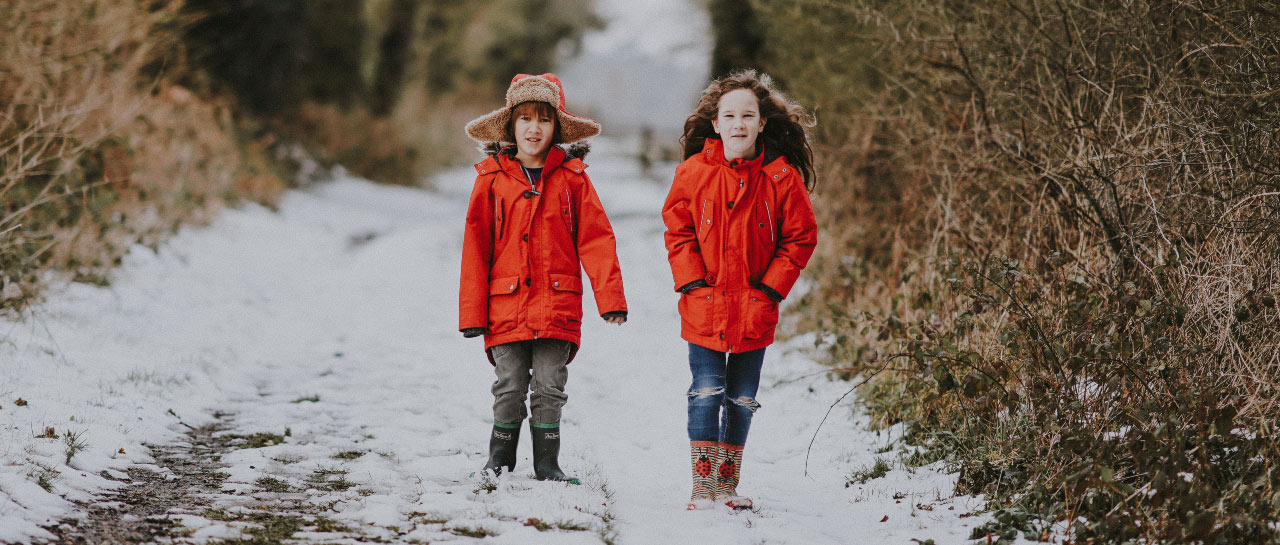
Mantendo as crianças ativas durante o Natal
Revisado por Dr Sarah JarvisAutoria de Gillian HarveyPublicado originalmente 21 Dec 2020
Atende aos diretrizes editoriais
- BaixarBaixar
- Compartilhar
- Language
- Discussão
- Ask Patient
- Versão em Áudio
- Adicionar às fontes preferidas no Google
Durante a temporada festiva, a maioria de nós espera descansar, se deliciar com comidas gostosas e, de modo geral, se divertir. Mas, embora seja bom tirar uma folga de vez em quando, duas semanas de inatividade podem realmente afetar nossa forma física. E para as crianças, manter-se ativo é especialmente importante.
Escolhas de vídeos para Exercício e atividade físicaBiblioteca de vídeos
The importance of being active
Most of us are aware that the UK is in the grip of an obesity crisis. Recent data gathered by the 'Child Measurement Programme' discovered that 20.1% of year 6 pupils (aged 10-11 years) are obesas and a further 14.2% are overweight.
Even if weight is not a concern, regular exercise has a significant impact on our mental health - helping us to feel more positive. Children's mental health is also an area of concern: a pesquisa in 2017 revealed that over 11% of 5- to 15-year-olds meet the criteria for one or two mental disorders and this number may have increased as a result of the stress experienced by many of us in 2020.
Exercício has been proven to improve mood and reduce the severity of the symptoms of conditions such as ansiedade e depressão - so there’s even more reason to keep kids moving.
Two weeks is a long time
Two weeks of relaxing and forgoing our usual exercise routine may sound harmless. But if children are sedentary for even that relatively short period of time, their fitness can deteriorate quite rapidly. "Fitness significantly decreases over the school holidays for many children," agrees Daniel Lavipour, Head Coach at Performance Ready, who regularly works with children and schools. "And this can have longer-term implications. If your fitness drops, you lose your ability to access sports at the same level. You may then go to try football, for example, and find it that much harder. This may even lead to a child giving up on a sport altogether."
Thinking outside the box
It may be more challenging this year. With many activities not available as usual and with visits from wider family proving impossible, children may not have others to run around with. But there are many things that your child can do that will help to keep fitness levels up during this time. Even going on a family walk will make a significant difference. And if you're unable to leave home, workouts such as Joe Wicks' 'PE classes' on YouTube are a great way to keep the kids (and adults) moving!
"Joe Wicks has demonstrated how you can do a ton of things in a small space in a really engaging way," agrees Lavipour. "And when you look at the content of his workouts, all the movements are what we call 'fundamental movement skills'. They provide the foundation of the movement that happens in other sports. For example, if you learn to improve your jumping, you'll be better equipped to jump during football."
Finding a way to motivate
Just like adults, some children are more naturally motivated to move than others. It may be that you simply have to provide the time and space for them to run and play - and keeping their fitness levels up may be achieved with a daily trip to the park.
However, other children may not feel so keen on exercise and may need more encouragement to get moving. One way to help children to want to exercise is by rethinking the way you talk about it.
"Talking about exercise as something we have to do can be off-putting," says Nicky Adams, director of Full of Beans, children's fitness training company. "Rather than labelling what you're doing as exercise, re-brand it as something fun. For example, you can say 'let's go out and have a treasure hunt', 'let's explore' or 'let's play football', rather than looking at exercise as a chore you have to do.
"Some children aren't motivated by traditional sport. My advice for those families would say don't worry about that. It's just important to let them find ways to move that are fun for them that make them happy," she adds.
Setting a challenge
Even at the park, some children may need encouragement to use the equipment in a way that gets their heart rate up. One way of doing this is by leading them - either joining in, or setting challenges. "See how many bars they can do on the monkey bars," says Adams. "Suggest a race. Use chalk to draw out an obstacle course."
"We have to find out what drives an individual to exercise and ir's different for everyone," agrees Lavipour. "Try linking exercise to an interest, a superhero character or a sports hero - this can be really powerful."
"If your child loves Minecraft or other computer games, why not suggest they try acting out the games in real life?" adds Adams.
Rethinking the way you talk to your children about exercise, thinking about their individual preferences and finding something they will enjoy should ensure that a break in schooling doesn't lead to a deterioration in fitness. Plus, getting the whole family active might just add an extra element of fun to the festive season!
Escolhas do paciente para Exercício e atividade física

Vida saudável
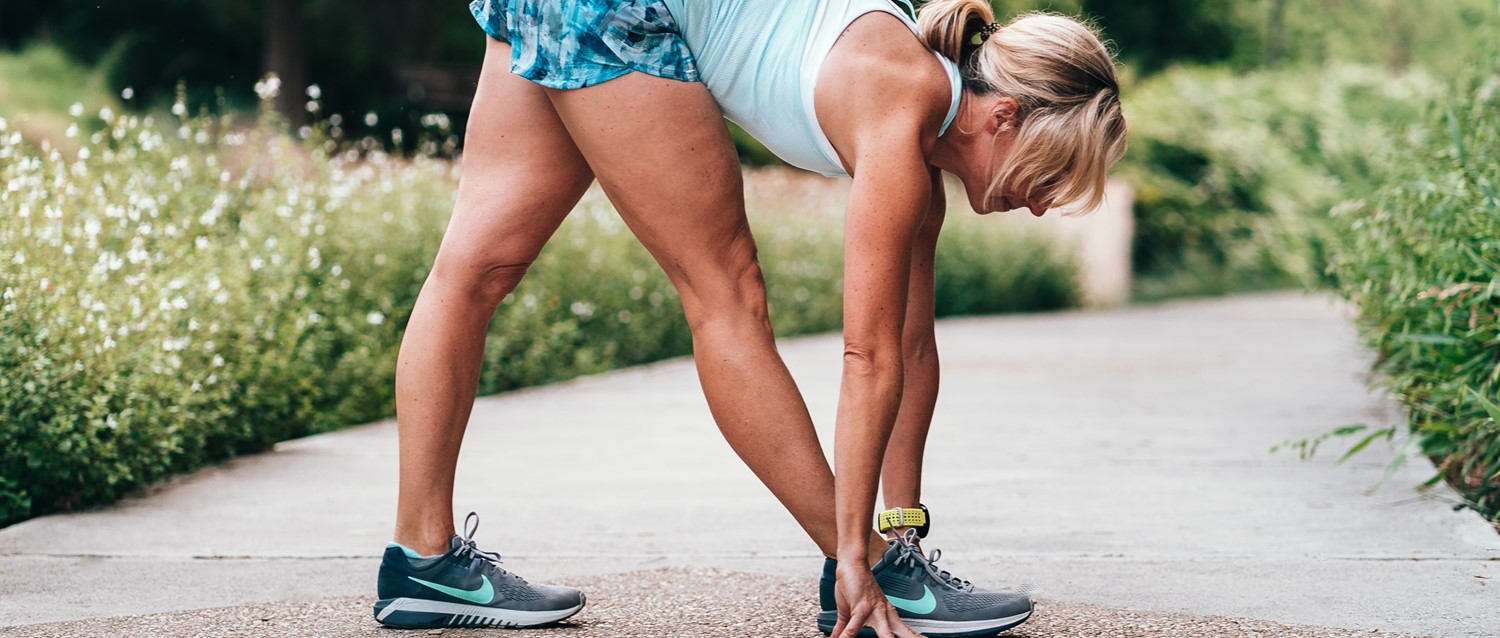
É possível fazer exercício em excesso?
Exercise should form part of our day-to-day lives but it is possible to overdo it and cause your body harm - we take a look at whether too much exercise can be bad for your health.
por Andrea Downey
Vida saudável
Como correr 10 km sem experiência
No início do ano, eu estava me apegando à minha resolução de Ano Novo de entrar em forma e, de alguma forma, me inscrevi para uma corrida de 10 quilômetros ao redor dos Jardins de Kew em Londres. O que poderia dar errado? Para começar, eu não tinha experiência e não fazia ideia de por onde começar. Felizmente, busquei conselhos de alguns especialistas. Combinando isso com minha própria experiência de treinamento, aqui estão algumas dicas para ajudá-lo a completar seus primeiros 10 km.
por Georgia Gallant
Sobre o autorVer biografia completa
Autoria de

Gillian Harvey
Escritor Freelancer
BA (Hons) Inglês
Gillian é uma escritora freelancer e colunista para uma variedade de jornais e revistas nacionais.
Sobre o revisorVer biografia completa

Dra. Sarah Jarvis
Consultora Clínica
MA (Cantab), BM, BCh (Oxon), DRCOG, FRCGP, MBE
Após se formar em medicina em Cambridge e Oxford, a Dra. Sarah Jarvis MBE tornou-se médica de clínica geral.
Histórico do artigo
Artigo também disponível em Inglês, Alemão, Espanhol, Francês, Italiano, Português, Hindi, Hebraico, Árabe, e Sueco.
21 Dec 2020 | Publicado originalmente
Escrito por:
Gillian HarveyRevisado por
Dra. Sarah Jarvis
Compartilhe seus pensamentos ou experiências com outros em nosso comunidades de pacientes.
Inscreva-se no boletim informativo do Patient
Sua dose semanal de conselhos de saúde claros e confiáveis - escritos para ajudá-lo a se sentir informado, confiante e no controle.
Ao se inscrever, você aceita nossos Política de Privacidade. Você pode cancelar a inscrição a qualquer momento. Nunca vendemos seus dados.