Health checks you can do at home
Peer reviewed by Dr Sarah JarvisAuthored by Gillian HarveyOriginally published 9 Apr 2021
Meets Patient’s editorial guidelines
- DownloadDownload
- Share
- Language
- Discussion
- Audio Version
- Add to preferred sources on Google
It's as important as ever that all of us seek medical advice if we have worrying symptoms. But even if you feel fit and well, there are plenty of health checks you can do at home to keep an eye on your general health and spot any concerning symptoms early.
Breast exam
A change in the shape, size or feel of your breasts or chest, redness or developing a lump could all be early signs of breast cancer. If you discover any of these signs, it's important to seek urgent medical advice. Keeping an eye out for early changes can make all the difference. Experts advise regular home breast checks to spot any warning signs as early as possible.
It's recommended you get into the habit of being 'breast aware' - getting to know how your breasts normally look and feel. This may change at different times of the month, particularly if you haven't gone through the menopause. If you do find a lump, it's important to get it checked out as quickly as possible.
"Current guidelines state that if a woman is over 30 and has found a lump, she should see a doctor. Doctors used to advise women to wait until after their period, to see if the lump disappears. However, this is now seen as too risky. The best advice is to schedule your breast self-examination after your period each month to avoid doubt," says GP Dr Houda Ounnas.
Testes exam
Doctors recommend that people with penises examine their testes once a month to check for any changes or lumps. "The most important thing is to make sure you get to know what your scrotum and testes feel like so you will know quickly if anything changes," explains Dr Deborah Lee from Dr Fox Online Pharmacy.
It's best to do this examination after a warm shower or bath - this will help the scrotum to relax. Remember when examining that normal testicles will have tubes, tissue and blood vessels inside, which may be confused as lumps.
Testes may become larger or lumpy for reasons other than cancer. But if you detect a lump or experience soreness or dull pain during the examination, make an appointment with your GP.
Blood pressure
If you have high blood pressure, your doctor may already have given you medication or advice on how to manage or treat your condition. Keeping an eye on your blood pressure is something that can be done easily at home, using a home blood pressure monitor.
However, if you are healthy, you do not need to check your blood pressure at home. "If your blood pressure is in a healthy range, it's enough to have it checked once or twice a year at your GP surgery or pharmacy," says Ounnas. If you're under 50 and don't have other risk factors, your practice may advise that as little as every two years or less is fine.
The risks associated with high blood pressure are higher in those with diabetes, kidney disease or sleep apnoea, so if you suffer from any of these conditions, it's advisable to keep an eye on your blood pressure. You are also more at risk if someone in your family has high blood pressure. Lack of physical activity, smoking, too much alcohol or even stress can have an impact.
High blood pressure increases your risk of a number of conditions including stroke, heart attack, heart failure, peripheral artery disease, kidney failure and dementia. Those who have high readings need to take action - either through dietary and lifestyle changes or by taking medication, to lower their readings.
"By lowering your blood pressure, you can significantly reduce the risk of all these diseases," explains Lee.
If you are using a home blood pressure monitor, high blood pressure is considered to be 135/85 or above as an average. A one-off high reading is not necessarily cause for concern - but if you consistently get high readings, it's important to contact your GP.
Heart rate
Measuring your heart rate can be a good way to ascertain overall fitness and measure the effectiveness of a workout. You may also wish to check your pulse if you are concerned that your heart rate is too fast or if you've noticed what feels like an irregular beat.
Heart rate can easily be measured at home. Before you measure your pulse, rest for five minutes to allow your heart rate to stabilise. Find your pulse by pressing on your inner wrist or the side of your throat, just under your jaw. Use fingers rather than your thumb for this.
To measure your pulse, count the number of beats you feel in 30 seconds then multiply by two. Your heart rate at rest should be between 60 and 100 beats per minute (bpm). However, if you are athletic, your heart rate may be lower.
If your heart rate is continuously above 120 bpm or below 40, make an appointment with your GP as a precaution, although it may be that this is just normal for you.
Many people get an irregular beat (arrhythmia) from time to time, but if your pulse is 'irregularly irregular' (in other words, there is no pattern to the beats at all), it may be a sign of atrial fibrillation. It's important to raise any concerns with your GP.
Iron deficiency
An estimated 20% of women and 3% of men have iron-deficiency anaemia so it's important to be aware of the signs.
Initial symptoms of iron-deficiency anaemia - such as fatigue - are often hard to pinpoint. But if you're concerned, it's worth taking a look at your palms. Whatever your natural colour, the lines on your palms are usually darker than the rest of the skin. If these lines look pale, or you notice that your gums or the inside of your eyelids look pale, this can be a sign of reduced circulation in small blood vessels as a result of low iron.
If the anaemia worsens: "you are likely to feel tired, lethargic, short of breath, and look pale. You may develop brittle, spoon-shaped nails, and have cold hands and feet. Sometimes, you may feel your skin is itchy," says Lee. You should talk to your pharmacist or GP about these symptoms.
Waist measurement
Lots of people find their weight fluctuates from time to time, but to reduce the risk of diseases such as diabetes, it's important to try to keep your weight within the healthy range - something you can check on a BMI calculator.
But did you know that having a large waist can increase the risk of life-threatening conditions such as heart attack and stroke significantly, even if your weight falls within healthy guidelines? "Waist measurements are sometimes used instead of BMI to categorise obesity. This is because sometimes fat accumulates around the central portion of the body - known as truncal or visceral obesity. Visceral fat is particularly dangerous because it contains hormones and inflammatory substances which increase your risk of heart disease, stroke, diabetes, and cancer," explains Lee.
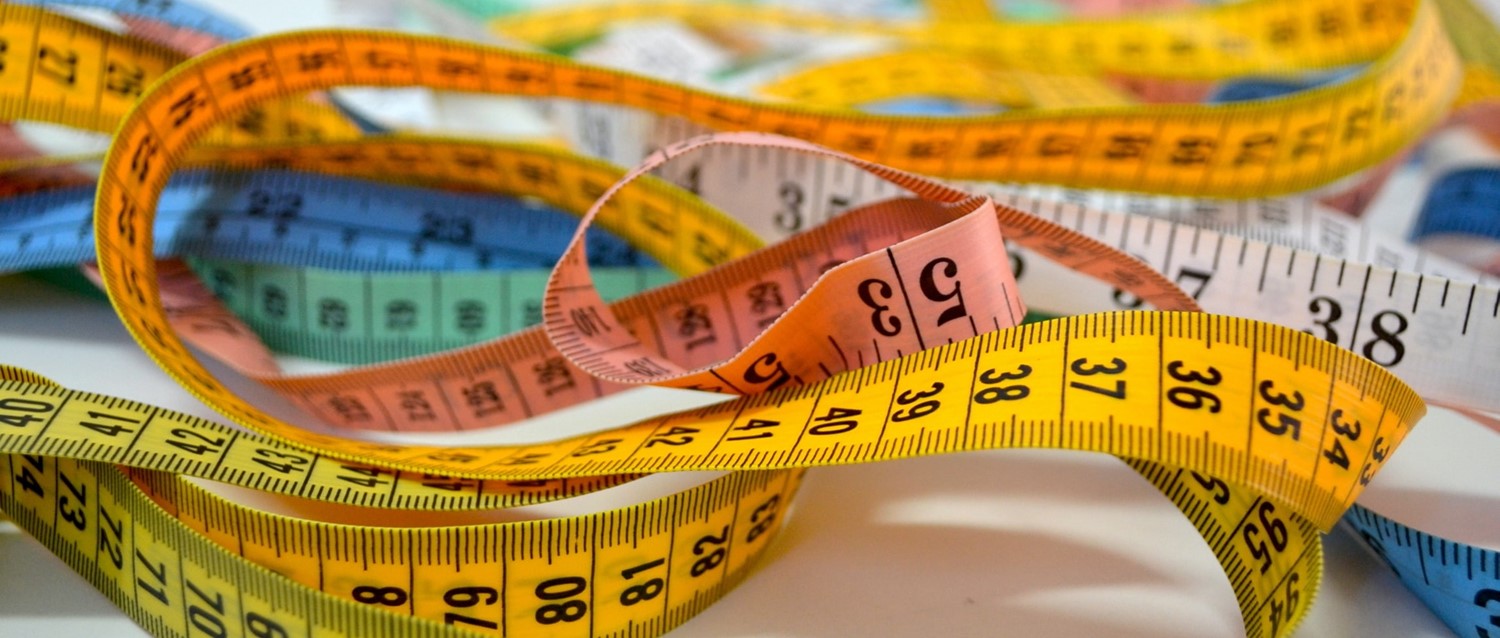
To measure your waist, stand in front of a mirror with a bare torso. Run a tape measure around your waist, measuring the area just on top of your hip bones. Make sure the tape remains close to your skin, but don't pull it too tight.
For men, a reading above 37 inches (94 cm) is the point at which their risk begins to rise - with anything over 40 inches (102 cm) considered high-risk. For women, 32 inches (82 cm) is the point at which risk rises, with over 35 inches (89 cm) considered high-risk.
Some research has suggested that the ideal range for waist circumference may vary due to ethnicity, as shown in the International Diabetes Federation report on metabolic syndrome. While NICE guidance does not currently support different waist-measurement thresholds for those of different ethnicities, it may be something to bear in mind when performing this test.
If you've measured over the threshold, it's important to lose weight in order to reduce your risk of serious illness. Ask your GP or pharmacist for advice on the best way to do this.
Home testing kits
Home testing kits can be purchased for a range of different conditions, including sexually transmitted infections (STIs), infertility and even some types of cancer. However, they cannot replace proper medical advice.
"If you think you may have a health condition or an infection, speak with your GP first. It's always preferable to attend an NHS screening appointment or use an NHS kit you have been given, before resorting to parting with your own money," advises Lee.
If you do decide to purchase a home test, it's important to ensure that any test you use has a CE quality assurance mark, which confirms that the kit is effective and safe.
"Home testing is good if you're looking to measure ovulation or blood sugar," says Ounnas, "but otherwise these tests offer a very narrow diagnosis. For example, you might get a test for chlamydia and get a positive result, but you won't know to test for other conditions you may have or carry out other investigations."
If you have any concerns before or after performing a home test, it's important to seek professional advice from your pharmacist or GP - home test kits can be useful, but none is 100% accurate and should not replace proper professional advice and care.
If you're worried about your symptoms, nothing beats getting proper medical advice from your GP or pharmacist. But by performing additional checks at home and keeping an eye on your overall health, you can pick up on any problems quickly and get the care you need as soon as possible.
Patient picks for Healthcare

General health and lifestyle
Why do transgender people struggle to get cervical screening?
Cervical cancer is largely preventable. In the UK, our effective cervical screening programme means that abnormal cell changes and HPV can be detected early. But trans, non-binary and intersex people face challenges and discrimination which prevent them getting the cervical screening they need.
by Milly Evans

General health and lifestyle
Will Brexit affect my travel insurance?
I know everyone has had enough of it, but we need to talk about the B word. With all the uncertainty surrounding Brexit, it's impossible to know what will happen to travel insurance cover for medical problems in the near future. And while most of the recent political headlines in relation to health have related to privatisation of the NHS in the UK, foreign travel health is equally important.
by Dr Sarah Jarvis
About the authorView full bio
Authored by
Gillian Harvey
Freelance Writer
BA (Hons) English
Gillian is a freelance writer and columnist for a variety of national newspapers and magazines.
About the reviewerView full bio

Dr Sarah Jarvis
Clinical Consultant
MA (Cantab), BM, BCh (Oxon), DRCOG, FRCGP, MBE
After training in medicine at Cambridge and Oxford, Dr Sarah Jarvis MBE became a GP.
Article history
Article also available in English, German, Spanish, French, Italian, Portuguese, Hindi, Hebrew, Arabic, and Swedish.
9 Apr 2021 | Originally published
Authored by:
Gillian HarveyPeer reviewed by
Dr Sarah Jarvis
Join the conversation
Share your thoughts or experiences with others in our patient communities.

Ask, share, connect.
Browse discussions, ask questions, and share experiences across hundreds of health topics.

Feeling unwell?
Assess your symptoms online for free
Sign up to the Patient newsletter
Your weekly dose of clear, trustworthy health advice - written to help you feel informed, confident and in control.
By subscribing you accept our Privacy Policy. You can unsubscribe at any time. We never sell your data.