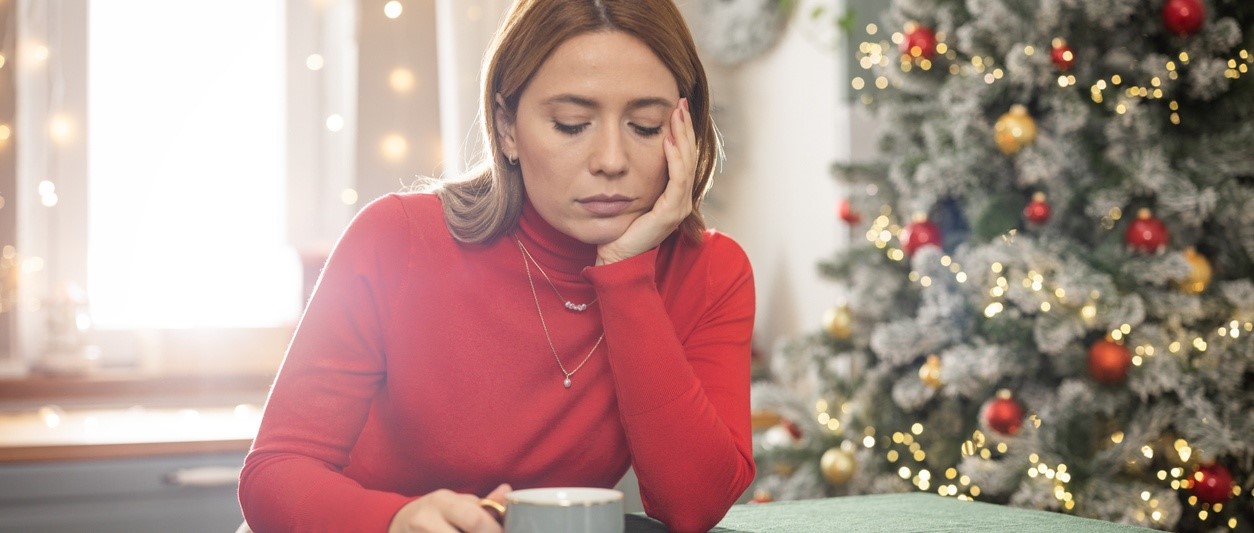
How to manage food guilt over Christmas
Peer reviewed by Dr Sarah JarvisLast updated by Emily Jane BashforthLast updated 15 Dec 2023
Meets Patient’s editorial guidelines
- DownloadDownload
- Share
- Language
- Discussion
- Audio Version
- Add to preferred sources on Google
Christmas is a very food-focused holiday. Whether it's mince pies, turkey, roast potatoes, or the Quality Street we crack open while watching a festive film, food is everywhere. However, a heavier focus on food means the guilt afterwards can be more intense. This is especially the case as the 'new year, new me' season approaches and diets are advertised endlessly.
Food guilt shouldn't stand in your way of enjoying Christmas with your loved ones. There are ways to overcome it and manage your triggers, as Dr Verity Biggs explains.
What triggers food guilt at Christmas?
"Unfortunately, the things we see and hear, even from an early age, have a lifelong affect on us. It's ingrained in us to view food and drink as a treat or a reward. We also might punish ourselves with food. Some people will try to 'be good' or diet all year, and then relax this at Christmas, as they feel like they've earned it," says Dr Biggs.
"The supermarkets are stocked full of chocolates, desserts and nibbles. We might go to parties, have food at work or tuck into the mince pies that are on offer all day long. It's understandable why eating more might cause discomfort. Also, we forget that most of this food is available all year round but it is marketing that changes to entice us into buying it."
Some people might be lonely and turn to food for comfort, as Christmas without loved ones around is difficult. This time of year can be especially difficult for anyone struggling with an eating disorder or who already has a turbulent relationship with food.
Making Christmas enjoyable if you are worried about food
Dr Biggs' tips:
Plan your meals and eat at normal times.
Drink plenty of water and stay hydrated.
Take time to think about how you are feeling and write it down.
Talk to your friends about how you're feeling - talking about it helps.
Spend time with loved ones.
Don't place all your focus on what you're eating or how your body looks.
Wear clothing that is comfortable for your body.
Prioritise self-care.
What to do to minimise Christmas food guilt
All foods in moderation are OK. If you restrict yourself too much, your body is more likely to crave and seek out the sugary, high-calorie foods as a quick-fix option.
Dr Biggs suggests planning your meals in advance. This can help in the lead-up to big occasions by reducing your anxiety. It's important to continue eating regular meals and snacks, even if you are planning on eating more over the Christmas period. You don't need to 'prepare' or feel 'deserving' of extra food.
If you're in control of the Christmas dinner this year, there are also some healthier food swaps you can prepare.
Self-care over Christmas to reduce stress around food
"Allow yourself to eat the things you want to and enjoy them. Do not to be disappointed in yourself if you end up eating more than planned - that's fine," says Dr Biggs.
Food doesn't hold a moral value, so it is neither good nor bad. Therefore, it should be seen as a necessity - not as a treat or something to control.
Dr Biggs also recommends doing things in the build-up to Christmas to take your mind off food. Try to move more, go for walks, dance around your Christmas tree - anything you fancy. Remind yourself of all the great things your body is capable of and give it permission to eat. It needs food for fuel and energy.
"Practising mindful eating may help with those urges to eat more of your favourite foods. This allows you to actually enjoy what you are eating and take time with it, relishing the flavours. When doing this, it is important that we remove any distractions like phones, TV, or computers," Dr Biggs says.
What to do about post-Christmas food guilt
If you've eaten differently over Christmas, the urges to restrict afterwards might be high. However, if you're still experiencing food guilt, Dr Biggs has five key words of advice: Don't go on a diet.
"Don't be too restrictive. It will only make you feel bad. You need to continue to fuel your body, regardless of what you ate over Christmas. Follow a realistic, well-balanced plan, but also don't be afraid to veer off plan and eat intuitively."
She also stresses the importance of addressing why eating makes you feel guilty. Identifying the underlying reasons for your food guilt can help you manage it. Speaking to a health and wellbeing coach could help with this.
"Don't panic and sign up to a January resolution type of plan, as these mostly fail, which just makes you more miserable and even more anxious around food. When anxiety occurs around food, this can lead to disordered eating and, in severe cases, an eating disorder."
An eating disorder is a mental health condition and needs treating with specialist input from psychiatrists and psychologists. Eating disorders can cause physical problems too.
When should you get help?
You can reach out at any point if you are struggling, and shouldn't just wait for things to get worse. Dr Biggs says each group of GP practices should have a health and wellbeing coach attached to it. This would be a good place to go to get help in the first instance. If an eating disorder is suspected, then you will be referred to a specialist.
Patient picks for Healthy eating
Diet and nutrition
How to help your kids eat healthily over Christmas
Christmas is a time when many of us relax the rules about food. But when it comes to our children's health, how much is too much - and where should we draw the line?
by Gillian Harvey
Diet and nutrition
Are carbs actually bad for you?
Diet fads have left most of us confused. Take carbohydrates, the stuff that potatoes, pasta, bread and sugary foods are made of. In the 1970s, these were blamed for being fattening. Then starchy carbs were rehabilitated and health officials advised that these should provide at least half our daily calories. Now, carbs seem to be the enemy again according to some. So, where does that leave us now?
by Dr Carrie Ruxton, PhD, Child Nutrition
About the authorView full bio
Updated by

Emily Jane Bashforth
Feature Writer
NCTJ
Emily is a Feature Writer with Patient, writing articles on a variety of topics relating to health and well-being.
Authored by
Emily Jane Bashforth
Feature Writer
NCTJ
Emily is a Feature Writer with Patient, writing articles on a variety of topics relating to health and well-being.
About the reviewerView full bio

Dr Sarah Jarvis
Clinical Consultant
MA (Cantab), BM, BCh (Oxon), DRCOG, FRCGP, MBE
After training in medicine at Cambridge and Oxford, Dr Sarah Jarvis MBE became a GP.
Article history
Article also available in English, German, Spanish, French, Italian, Portuguese, Hindi, Hebrew, Arabic, and Swedish.
Next review due: 15 Dec 2026
15 Dec 2023 | Latest version
19 Nov 2021 | Originally published
Authored by:
Emily Jane Bashforth
Join the conversation
Share your thoughts or experiences with others in our patient communities.

Ask, share, connect.
Browse discussions, ask questions, and share experiences across hundreds of health topics.

Feeling unwell?
Assess your symptoms online for free
Sign up to the Patient newsletter
Your weekly dose of clear, trustworthy health advice - written to help you feel informed, confident and in control.
By subscribing you accept our Privacy Policy. You can unsubscribe at any time. We never sell your data.