Como seguir uma dieta vegetariana rica em cálcio
Revisado por Dr Krishna Vakharia, MRCGPAutoria de Ellie BroughtonPublicado originalmente 17 Jan 2024
Atende aos diretrizes editoriais
- BaixarBaixar
- Compartilhar
- Language
- Discussão
- Ask Patient
- Versão em Áudio
- Adicionar às fontes preferidas no Google
O cálcio tem muitas funções importantes em nossos corpos. Ele ajuda a construir ossos e mantém nossos dentes saudáveis. Também garante que nosso sangue coagule normalmente e regula as contrações musculares. A falta de cálcio pode levar à osteomalácia ou osteoporose quando ficamos mais velhos.
Explore calcium and vitamin D supplements
Obtenha aconselhamento especializado em saúde no conforto da sua casa. Faça uma consulta online rápida, disponível 24 horas por dia, 7 dias por semana, e tenha o seu pedido avaliado por um profissional de saúde registado no Reino Unido. Entrega no dia seguinte disponível para tratamentos elegíveis.

Escolhas de vídeos para Veganos e vegetarianosBiblioteca de vídeos
Why do we need calcium?
At every age, we need to be consuming enough cálcio from our food. This important nutrient is needed for bone strength, nerve function, muscle function, and allows blood to clot which prevents excessive bleeding.
There are also some groups of people for whom calcium is particularly important:
Babies and children - need calcium to develop strong, healthy bones and teeth.
Pregnant and breastfeeding women - need more calcium to help their babies develop.
Postmenopausal women - the drop in oestrogen production after menopause makes women's bodies less able to retain calcium.
Elderly people of both sexes - need plenty of calcium to prevent age-related bone loss (osteoporosis).
How easy is it to eat a calcium-rich vegetarian diet?
Getting enough calcium in your diet is important to stay healthy. Jo Travers, a nutritionist and registered dietitian, believes it's easy enough to get the calcium we need.
Calcium is a macro mineral, meaning we need quite a lot of it compared to some of the other minerals. But most people can get enough calcium from their diet," she explains.
Suplementos de vitamina D
We also need good levels of vitamin D to absorb calcium. "If you haven't got enough vitamin D, it doesn't matter how much calcium you have in your diet, you won't absorb it," Travers explains.
In the UK, it's recommended that everyone - whatever ethnicity - considers taking vitamin D supplements from October to April. This is because we get most of our vitamin D through sunlight, and the lack of sun in the winter months simply isn't able to provide our bodies with enough.
Suplementos de cálcio
Some people may be restricted in the calcium-rich foods they eat, and for these people Travers also recommends calcium supplements.
For example, if you have IBS you may avoid lentils and beans, or if you are intolerante à lactose you need to avoid dairy sources of calcium, including milk and yoghurt.
How much calcium do you need?
According to the Association of UK dietitians (BDA)1, each day adults generally need 700 milligrammes (mg) of calcium. This is the same as having a 120g pot of plain yoghurt, 100g serving of kale, and 100g serving of tofu (made with calcium chloride or calcium sulphate) in one day.
There are some groups of people who need more:
Breastfeeding people need 1250 milligrammes.
Pessoas com osteoporose need 1250mg, or up to 1000mg when they take osteoporosis treatments.
People with coeliac disease need 1000-1500mg a day.
People on corticosteroids for IBD need 800-1000mg a day - and should discuss supplements with a doctor.
Calcium-rich vegetarian foods
Calcium-rich foods for pescatarians
If you're a pescatarian who eats fish, this is a great source of calcium, For example1:
Half a tin of bone-in sardines contains up to 407mg.
50g of whitebait contains around 430mg.
6 pieces of scampi contains around 90mg.
Calcium-rich dairy foods
For vegetarians who eat dairy products, calcium is also generally easy to come by1:
A glass of cow's milk (250ml) contains an around 300mg. You can find 120mg of calcium in a flat white.
A 30g serving of cheddar - roughly a matchbox's-worth - contains 222mg.
A 120g pot of full-fat yoghurt contains 193mg.
Plant-based calcium-rich foods
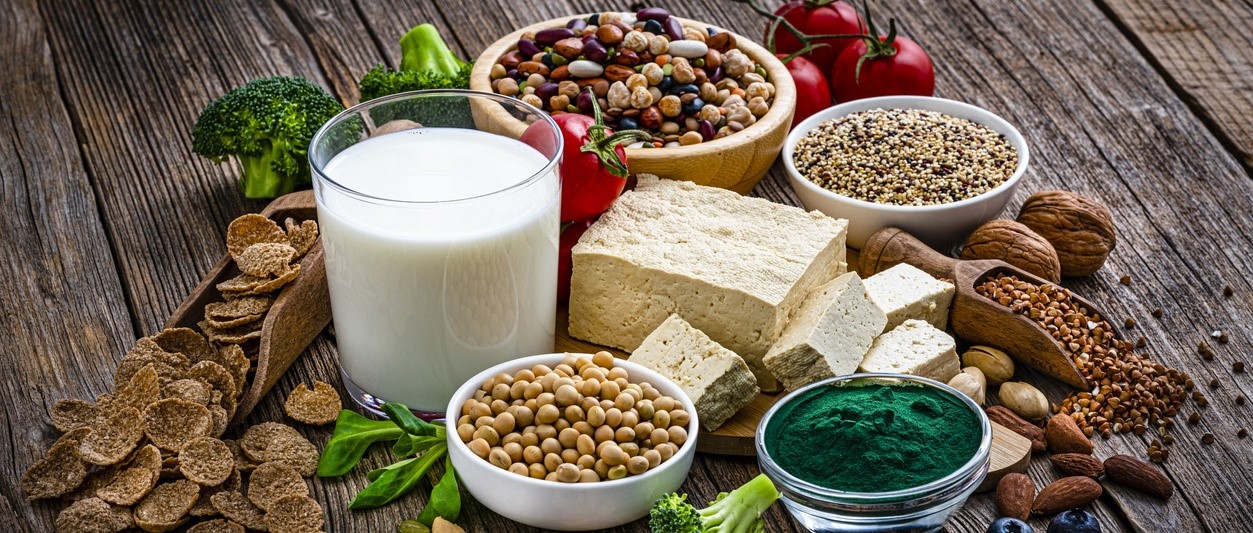
If you follow a plant-based diet that excludes dairy, this doesn't have to mean your calcium intake is low. Travers says that cruciferous vegetables, beans, lentil and chickpeas are rich sources of calcium.
"These are probably the best sources of calcium, and the reason they are so good for vegans and vegetarians is because often - or hopefully, at least - they will already be eating these foods, because they're a great source of proteína and a really good source of ferro," ela diz.
"I also recommend vegetarians to add beans, lentils and chickpeas in their diet in place of meat - as the main protein source in meals. But unlike meat, they have the added benefit of calcium."
For example2,3:
200g of cooked chickpeas contains around 100mg.
200g of cooked lentils contains around 40mg.
200g of cooked white beans contains around 132mg.
One cup of cooked collard greens contains around 266mg.
One cup of cooked broccoli contains around 60mg.
One cup of cooked kale contains around 179mg.
Fortified plant-based foods
Fortified foods have nutrients added to them so they are more beneficial - and they can be an easy way to sneak calcium in, too. For example, while foods fortified with calcium tend to vary between brands, these are the average amounts of calcium they provide, according to the BDA1:
One serving of fortified cereal (30g) contains up to 174mg.
Two slices of fortified white bread contains 155mg - or 106mg for brown bread.
A 100g uncooked serving of tofu made with calcium chloride or calcium sulphate contains 350-400mg.
A serving of plant-based fortified milk - such as oat, nut or soya - in your tea or coffee (100ml) contains 120-189mg.
Travers says: "Fortified plant based milks are probably where most vegans get their calcium from, especially those who don't eat beans, lentils or chickpeas. They are generally fortified with the same amount of calcium you get from dairy milk."
Is fortified plant milk calcium easy to absorb?
The dietitian explains that, generally speaking, it's harder for our bodies to absorb calcium from a fortified product than from foods that naturally contain this important nutrient.
The other thing about fortified plant based milks is that often the calcium sinks to the bottom of the carton. And shaking doesn't necessarily make that much difference. So plant-based milk can have its drawbacks. But, unlike iron, our bodies can absorb calcium in tea or coffee."
It's also worth bearing in mind that some plant milks have more artificial additives and added sugars than others. Find out how to choose a healthy dairy-free milk or make it at home.
Leitura adicional
Escolhas do paciente para Veganos e vegetarianos
Dieta e nutrição
O que não dizer a alguém que é vegano
O veganismo está em ascensão, o que significa mais conversas sobre o que realmente é o veganismo e como é o estilo de vida. Embora muitas declarações que você queira fazer a um vegano possam vir de um bom lugar, algumas delas podem ser ofensivas. Isso pode se tornar incrivelmente frustrante para aqueles que são veganos. Então, vamos analisar algumas das coisas que não se deve dizer a um vegano e por que elas são problemáticas.
por Emily Jane Bashforth

Dieta e nutrição
10 fontes de proteína vegetal para a saúde óssea
Dietas à base de plantas estão se tornando mais populares. As pessoas escolhem esse modo de alimentação por várias razões - para melhorar sua saúde, ajudar os animais e proteger o meio ambiente. No entanto, mudar para uma dieta à base de plantas pode significar que você está perdendo nutrientes vitais e benéficos para os ossos. Um deles é a proteína.
por Victoria Raw
Sobre o autor
Autoria de

Ellie Broughton
Sobre o revisorVer biografia completa

Dr Krishna Vakharia, MRCGP
Diretor Médico de Saúde, Optum UK
MBChB, MRCGP(2013), BMedSci (hons), DFSRH, DRCOG, PGDipDerm (Distn)
Dr. Krishna Vakharia é uma médica de clínica geral do NHS. Ela também é examinadora regular do Diploma de Pós-Graduação em Dermatologia Prática na Universidade de Cardiff, além de ser a Diretora Médica de Saúde na Optum UK.
Histórico do artigo
Artigo também disponível em Inglês, Alemão, Espanhol, Francês, Italiano, Português, Hindi, Hebraico, Árabe, e Sueco.
17 Jan 2024 | Publicado originalmente
Escrito por:
Ellie Broughton
Revisado por
Dr Krishna Vakharia, MRCGP
Compartilhe seus pensamentos ou experiências com outros em nosso comunidades de pacientes.
Inscreva-se no boletim informativo do Patient
Sua dose semanal de conselhos de saúde claros e confiáveis - escritos para ajudá-lo a se sentir informado, confiante e no controle.
Ao se inscrever, você aceita nossos Política de Privacidade. Você pode cancelar a inscrição a qualquer momento. Nunca vendemos seus dados.