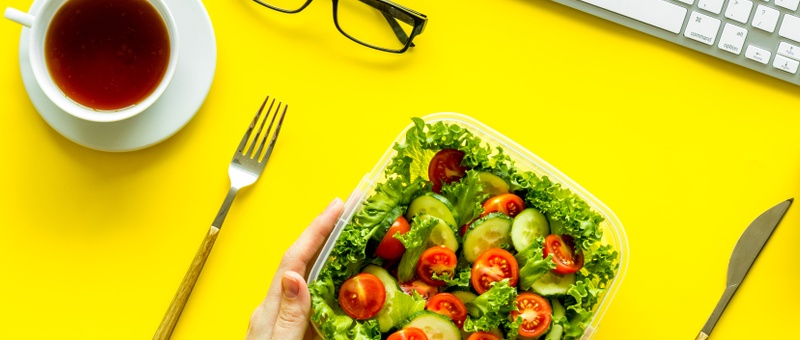
What is snackification, and why is it taking over our kitchens?
Peer reviewed by Dr Colin Tidy, MRCGPAuthored by Victoria RawOriginally published 27 Jan 2026
Meets Patient’s editorial guidelines
- DownloadDownload
- Share
- Language
- Discussion
- Audio Version
- Add to preferred sources on Google
Snackification is all about eating smaller amounts more often. With busy schedules and the rise of weight loss medicines, many people are swapping three square meals for smaller, more frequent bites. This shift is even shaping how brands approach food and mealtimes. But is it actually healthy? We asked an expert to break down the pros and cons of this growing eating habit.
What is snackification?
Breakfast, lunch, and dinner have long been drilled into us as the gold standard for structuring our meals - designed to keep us fuelled and energised throughout the day. But modern life is changing the way we eat. From increasingly busy, on-the-go lifestyles to the rise of weight loss treatments that suppress appetite, a growing number of people are finding themselves eating less at traditional mealtimes.
As a result, snackification - the trend of eating smaller, more frequent meals - is becoming increasingly common.
Why are more people having smaller meals?
Snackification is gaining momentum as people prioritise flexibility in how and when they eat.
Helena Barham-Coppola, nutritional therapist and founder of Nourish&Be, London, UK explains that people are generally living much busier lives, with less time to sit down for a proper meal.
“For example, working an office job often disallows a formal lunch break, with online meetings running all day,” she says.
Barham adds that biohacking is also driving snackification, with people favouring smaller portions during specific eating windows to supposedly help regulate blood sugar and slow ageing.
However, she cautions that this approach can turn food into a prescription rather than something to enjoy and connect with.
Helena Barham-Coppola

The impact of weight loss injections on how much we eat
As more people are prescribed weight loss treatments, their eating habits often shift toward snackification, with smaller portion sizes becoming the norm.
Barham explains that weight loss medicines work by reducing your appetite, which can make it physically difficult to eat a full meal as before.
She says: “Weight loss injections can contribute to the snackification trend. Users may feel the need to eat smaller meals more frequently.”
Barham stresses that with both snackification and weight loss injections, it’s essential to pay close attention to what you eat to ensure you meet your micronutrient and macronutrient needs.
What does healthy snackification look like?
Barham cautions that snackification should not be confused with mindless grazing.
“Without proper planning, this way of eating can quickly become problematic,” she says. “Snacks should be designed as small meals rather than the pure convenience of unhealthy snacks - such as crisps and biscuits.”
She shares an example of a healthy snackification day:
‘Breakfast’ snack: 2 boiled eggs with broccoli drizzled in olive oil.
Mid-morning snack: Hummus with mixed crudités, such as cucumber, carrot, and celery.
'Lunch' snack: ½ chicken breast with a small portion of rice, plus a salad dressed with olive oil and lemon juice.
Afternoon snack: Oat cakes with nut butter and an apple.
Evening snack: Cooked prawns, a handful of radishes, ½ an avocado, and a sprinkle of seeds.
Barham says that healthy snackification typically comes with a bit more planning and consideration for protein and fibre intakes.
She adds that eating every 3-4 hours gives your body time to digest the previous snack before the next one.
“This can help keep your blood sugar levels steady and cortisol stable, while also allowing your body to better tune in to feelings of fullness,” she explains.
Is snackification healthy?
Eating smaller portions more frequently can be beneficial for your health - as long as you pay attention to the quality and balance of your meals.
Barham describes snackification as a sensible approach for people using weight loss injections, as relying on very small, traditional meals may lead to nutrient deficiencies.
She says: “Even when losing weight, people still need enough protein and fibre - along with all the essential vitamins and minerals.”
Barham notes that snackification may also be a good eating approach for busy people.
“Often when we are stressed, our digestive system slows down,” she explains. “A full-sized meal can end up sitting in your stomach fermenting rather than digesting, which may lead to bloating.
“But if a busy person can allow themselves to sit for a few minutes and focus on a small meal, their digestive system might be able to properly digest their food.”
Barham adds that for those experiencing burnout, a fragile appetite or digestive issues, eating smaller, more frequent meals can be easier to manage than larger ones.
She suggests keeping to traditional meal times when possible, with perhaps a small extra snack in the afternoon. This is especially useful for women in their luteal phase, which is the second half of your menstrual cycle.
“It is good for your digestive system - as well as blood sugar regulation - to have a break between meals,” says Barham. “4-5 hours is my ideal, as it allows the Migrating Motor Complex - your gut's housecleaning system - to come online.”
When does snackification become unhealthy?
While eating smaller, more frequent meals can offer short-term benefits, Barham does not recommend adopting the snackification approach long-term.
She cautions that eating smaller meals might not fully activate your brain’s fullness signals or the stretch receptors in your stomach.
“Evolutionarily, we appear to be built for distinct eating events,” says Barham. “Constant snacking may be interpreted as a sign of danger, or scarcity by our bodies - leading to elevated cortisol, which counterproductively smacks your blood sugar off balance.”
She adds that not getting enough protein in one sitting can mean insufficient amino acids, such as leucine, to signal fullness. This may lead to metabolic dysregulation.
Signs snackification may not be right for you:
Loss of libido.
Muscle loss or weakness.
Reduced grip strength.
Low energy levels.
Increased anxiety.
Preoccupation with food.
Cold hands and feet.
Worsened afternoon slump.
In women - weight gain, intensified pre-menstrual stress (PMS) symptoms.
If you want to incorporate snackification into your routine, it’s important to do so in a way that supports both your physical and mental health.
Barham recommends planning your meals in advance - writing them down can help solidify your choices and keep you committed.
“Treat each snack like a mini-meal, and batch-cook your food to make life easier,” she says. “If you are buying pre-made snacks, look for the least processed options available.
“Make sure you are eating a variety of vegetables and sufficient protein. Using a protein calculator for a few days can help make sure you are gauging it right.”
Patient picks for Healthy eating
Diet and nutrition
How to stop your sugar cravings
Many of us fancy something sweet from time-to-time, and often raid the cupboard for biscuits or chocolate after dinner. However, it’s easy to get into the habit of eating too many sugary foods - which is harmful for your health. So can you curb your cravings?
by Lynn Stephen
Diet and nutrition
Simple ways to follow a Mediterranean diet
A Mediterranean diet conjures up an image of fresh fish and colourful salads doused in olive oil, washed down with a glass of red wine - all while sitting in the sun of course. While we may not have reliable sunshine in the UK, we can certainly tap into the wide-ranging health benefits offered by the Mediterranean diet.
by Lynn Stephen
About the authorView full bio
Authored by

Victoria Raw
Feature Writer
BA (Hons), English Literature
Victoria is a content writer at Patient, with special interests spanning mental wellbeing, societal trends and the impact of technology on our health.
About the reviewerView full bio

Dr Colin Tidy, MRCGP
General Practitioner, Medical Author
MBBS, MRCGP, MRCP (Paediatrics), DCH
Dr Colin Tidy is an NHS Doctor, based in Oxfordshire.
Article history
Article also available in English, German, Spanish, French, Italian, Portuguese, Hindi, Hebrew, Arabic, and Swedish.
Next review due: 27 Jan 2029
27 Jan 2026 | Originally published
Authored by:
Victoria RawPeer reviewed by
Dr Colin Tidy, MRCGP
Join the conversation
Share your thoughts or experiences with others in our patient communities.

Ask, share, connect.
Browse discussions, ask questions, and share experiences across hundreds of health topics.

Feeling unwell?
Assess your symptoms online for free
Sign up to the Patient newsletter
Your weekly dose of clear, trustworthy health advice - written to help you feel informed, confident and in control.
By subscribing you accept our Privacy Policy. You can unsubscribe at any time. We never sell your data.