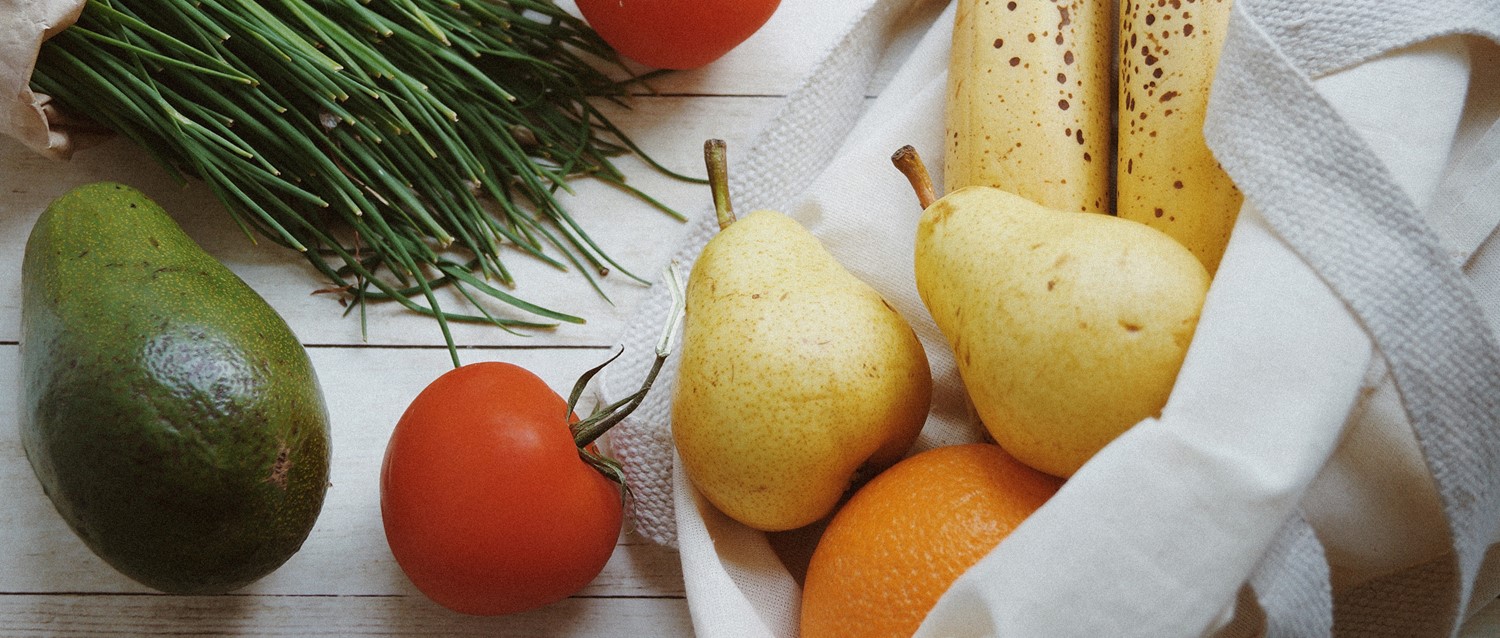
A vegan diet improves heart health, according to a study of identical twins
Peer reviewed by Dr Krishna Vakharia, MRCGPAuthored by Lydia SmithOriginally published 12 Dec 2023
Meets Patient’s editorial guidelines
- DownloadDownload
- Share
- Language
- Discussion
- Audio Version
- Add to preferred sources on Google
An increasing number of people are turning vegan to improve their health as eating less meat is known to lower the risk of heart disease and stroke.
However, diet studies are often limited by factors like genetic differences. Now, a groundbreaking study involving identical twins suggests that a vegan diet can improve cardiovascular health in just eight weeks.
It’s known that eating less meat improves cardiovascular health1. Vegan diets are generally higher in fibre and lower in bad cholesterol - both of which are good for our health2.
However, it’s often difficult for researchers to compare vegan and non-vegan diets in studies because of other factors that may influence the results - like people’s genetic differences and their lifestyle choices.
A study involving 22 pairs of identical twins by Stanford Medicine researchers suggests that a vegan diet is indeed healthier than a non-vegan diet. By using twins, the researchers were able to control for genetics and limit other factors, as the siblings grew up in the same households and had similar lifestyles.
Between May and July 2022, the twins were given diets to stick to - one sibling was allocated a vegan diet and the other was given a non-vegan diet.
Both vegan and non-vegan diets were healthy and contained vegetables, fruits and wholegrains, while avoiding sugars. The vegan diet was entirely plant-based, included no meat or animal products such as eggs or milk. The omnivore diet included chicken, fish, eggs, cheese, dairy and other animal-sourced foods.
During the first four weeks, a meal service delivered breakfasts, lunches and dinners. For the remaining four weeks, they made their own meals.
Vegan diet benefits
At three time points - at the beginning of the trial, at four weeks and at eight weeks - the researchers weighed the participants and tested their blood.
All of those who took part showed the most improvement over the first four weeks of the diet change. Both the vegans and non-vegans benefited from the healthy diet plans and ended up with lower levels of bad cholesterol - known as low-density lipoprotein cholesterol.
However, those following a vegan diet had significantly lower low-density lipoprotein cholesterol levels, insulin and body weight - all of which are associated with improved cardiovascular health. The vegans also lost an average of 4.2 more pounds than the omnivores.
The researchers have attributed the health benefits to three key factors. The vegans - and to a lesser extent, non-vegans - cut back on saturated fats, ate more dietary fibre and lost weight.
Although the study had a small sample size of just 44 participants, the results suggest it’s possible to improve your health in just two months by switching to a vegan diet, or eating more vegan meals.
Christopher Gardner, the director of nutrition studies at the Stanford Prevention Research Centre, said the study provided a groundbreaking way to assert that a vegan diet is healthier than the conventional omnivore diet.
"Based on these results and thinking about longevity, most of us would benefit from going to a more plant-based diet," Gardner said. "What's more important than going strictly vegan is including more plant-based foods into your diet. Luckily, having fun with vegan multicultural foods like Indian masala, Asian stir-fry and African lentil-based dishes can be a great first step."
However, it's important to note that this study doesn't show the long-term health implications of following a vegan diet. Also, vegans may need to take vitamin supplements - for example, iron supplements - so it's important to speak to your doctor if you're worried about your diet or are making big changes.
Easy vegan recipes
Being vegan means eliminating meat and animal-based products - like cow’s milk and eggs - from your diet. This means eating more plant-based foods, like vegetables, fruits, beans, peas, nuts and seeds.
Vegan chilli: Switch beef mince for chopped sweet potatoes, peppers and kidney beans for a hearty, delicious vegan meal.
Chickpea and vegetable curry: Chickpeas, cauliflower and chunks of potato help to bulk up a tasty, warming curry. Add plenty of spices and fresh coriander.
Roasted aubergine, garlic and tomato pasta: Roast chopped up aubergine with garlic and tomatoes for a sweet, savoury pasta sauce. Add herbs and a sprinkle of vegan cheese.
Further reading
Patient picks for Vegan and vegetarian
Diet and nutrition
What happens to your body when you go vegan?
More of us than ever are going vegan. But how does a plant-based diet actually affect the body and what are the pitfalls to look out for?
by Abi Millar
Diet and nutrition
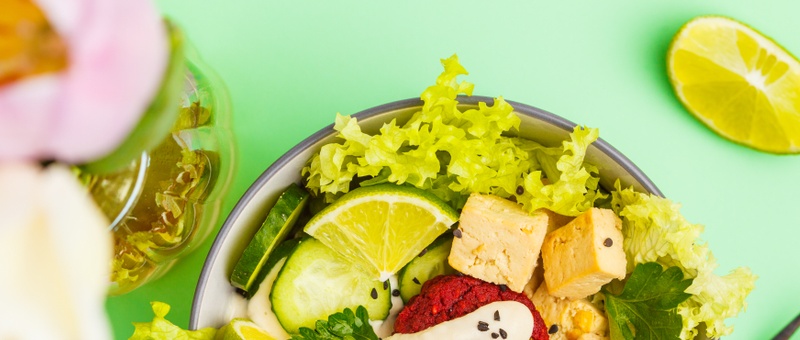
10 sources of plant-based protein for bone health
Plant-based diets are growing in popularity. People choose this way of eating for various reasons - to boost their health, help animals, and protect the environment. But switching to a plant-based diet may mean you're missing out on vital, bone-friendly nutrients. One of these is protein.
by Victoria Raw
About the authorView full bio
Authored by

Lydia Smith
Feature writer
BA, MA, MSc
Lydia Smith is an award-winning journalist and feature writer who has written extensively on women's health and mental health. She is currently studying for an MSc in psychology.
About the reviewerView full bio

Dr Krishna Vakharia, MRCGP
Chief Medical Officer for Health, Optum UK
MBChB, MRCGP(2013), BMedSci (hons), DFSRH, DRCOG, PGDipDerm (Distn)
Dr Krishna Vakharia is an NHS GP. She is also a regular examiner for the postgraduate Diploma in Practical Dermatology at Cardiff University as well as being the Chief Medical Officer for health at Optum UK.
Article history
Article also available in English, German, Spanish, French, Italian, Portuguese, Hindi, Hebrew, Arabic, and Swedish.
12 Dec 2023 | Originally published
Authored by:
Lydia SmithPeer reviewed by
Dr Krishna Vakharia, MRCGP
Join the conversation
Share your thoughts or experiences with others in our patient communities.

Ask, share, connect.
Browse discussions, ask questions, and share experiences across hundreds of health topics.

Feeling unwell?
Assess your symptoms online for free
Sign up to the Patient newsletter
Your weekly dose of clear, trustworthy health advice - written to help you feel informed, confident and in control.
By subscribing you accept our Privacy Policy. You can unsubscribe at any time. We never sell your data.