How to avoid ultra processed foods when you're vegan
Peer reviewed by Dr Krishna Vakharia, MRCGPLast updated by Victoria RawLast updated 27 Jan 2025
Meets Patient’s editorial guidelines
- DownloadDownload
- Share
- Language
- Discussion
- Audio Version
- Add to preferred sources on Google
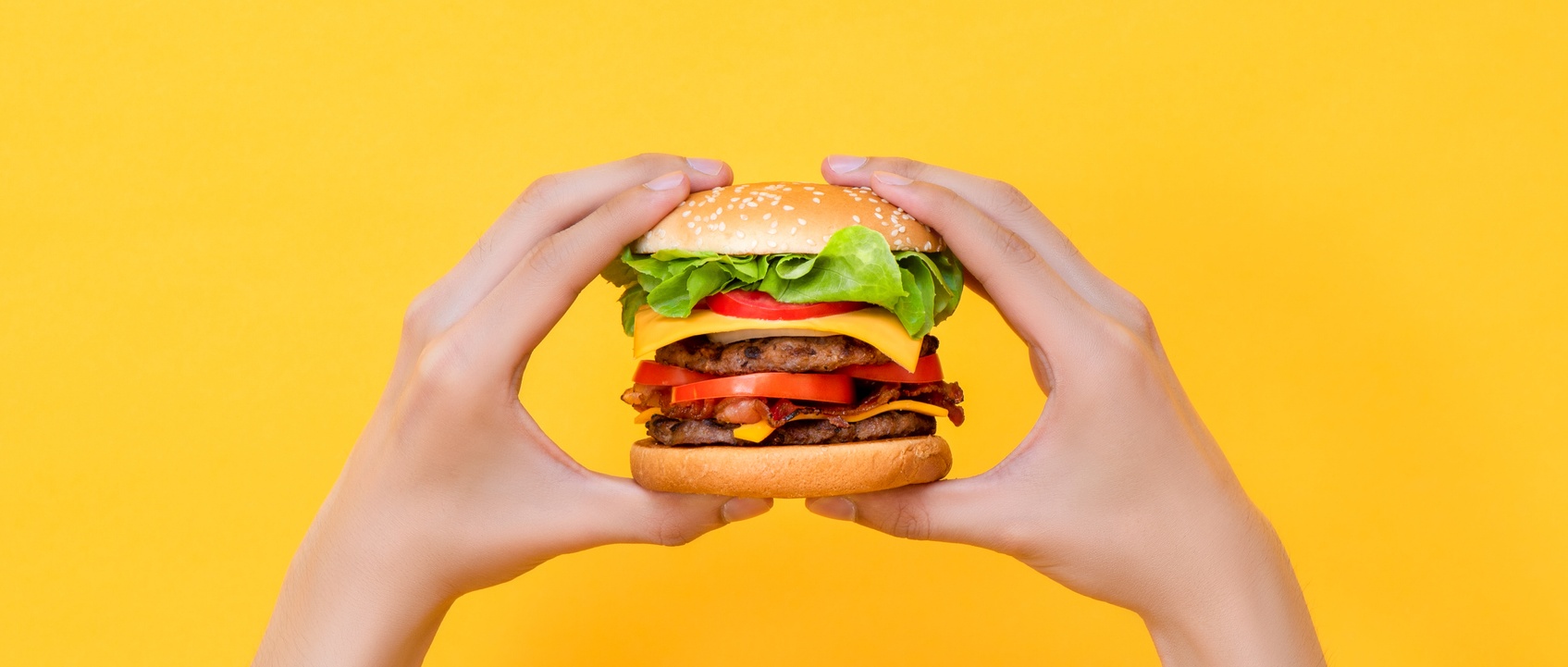
More people are cutting out meat in favour of plant-based diets for ethical, environmental and health reasons. But not all plant-based foods - either vegetarian or vegan - are as healthy as we think they are. In fact, some are classed as ultra-processed foods, which have been linked to heart disease and cancer.
Following a plant-based diet is a great way to eat more fruits, vegetables and pulses. These foods contain lots of nutrients that are good for us - as well as plenty of fibre to keep our digestive systems healthy.
Vegetarians, vegans, and pescatarians - those that only eat fish - also avoid eating red meat or processed meat like sausages and bacon, which contain more nitrates, salt, and fat and have been linked to cancer. And of course, there are environmental benefits to eating less meat, including lowering carbon emissions.
Eating more plants and less meat also reduces your chance of developing health problems like heart disease. Studies show that people on plant-based diets have a lower likelihood of heart attack and stroke compared to those on omnivorous diets - eating meat and vegetables.
However, research also shows a plant-based diet isn’t always healthy. Imitation meats or meat substitutes - such as vegan nuggets, sausages, and burgers or fake chicken pieces and ready meals - are sometimes classified as ultra-processed foods.
These are convenience foods that contain additives like sweeteners, salt, and artificial flavours but contain few nutrients.
Why are some plant-based foods ultra-processed?
Reema Pillai, a registered dietitian at Dietitian Fit, says that the rise in vegetarianism and veganism has led to a demand for meat alternatives in recent years.
She says that while these may seem like a great way to help reduce meat consumption - if that is your aim - it is also important to keep in mind that many of these alternatives would be classed as ultra-processed foods.
"Often, these foods contain additives such as emulsifiers, texturisers and colours," she explains. "They may also be classed as high added salt, fat or sugar foods.
It’s important to look at the overall processing of a plant-based product to understand its nutritional profile and to ensure it is actually a more nutritious option."
There’s no denying that eating less meat - and particularly red meat - can come with health benefits. But ultimately, meat and fish in their purest form are unlikely to be heavily processed because they are a single ingredient food.
When we try to recreate them using ingredients like soya, bean or pea protein, we have to process them to make them look and taste palatable. This means adding salt, sugar, fat and other additives to increase taste and prolong their shelf-life. However, we assume they’re healthy because of the 'plant-based' label.
Should we be eating plant-based alternatives?
Often, vegan or vegetarian meat alternatives or ready meals contain less saturated fat than animal-based products. So ultra-processed or not, you’ll be eating less saturated fat and that’s a good thing. However, any ultra-processed foods still contain more sugar, salt and other additives to provide flavour or texture.
Eating ultra-processed plant-based foods every so often is unlikely to cause any health problems. But overall - as is the case with any ultra-processed foods - it is probably better to eat them in moderation.
How to eat less vegan or vegetarian ultra-processed foods
Pillai advises you pay attention to the nutrient content of convenience foods when at the supermarket. Look at the ingredients list - if it’s very long and contains things you’ve not heard of, it’s probably very processed.
It’s not easy to eat healthily all the time when you’re busy. But cooking meals or sauces in batches and freezing them can make things easier when you’re tired or don’t have much time.
Lentils, beans or other pulses like chickpeas can bulk up a meal easily without the need for fake meats. Garlic, herbs and spices can make a dish tasty without additives like sweeteners or artificial flavours.
Pillai says: "Overall, whole foods that are plant based, are considered the most beneficial to our health, such as fruits, vegetables, grains, pulses, unprocessed soy, nuts and seeds, rather than vegan products which have undergone a high level of processing."
Patient picks for Vegan and vegetarian

Diet and nutrition
How to build muscle on a vegan diet
With 3.1% of adults now following plant-based diets, veganism in Great Britain is on the rise. There are growing numbers of people interested in making 'vegan gains' - building muscle on a vegan diet. With careful planning, it is possible to maximise muscle growth on a plant-based diet.
by Lynn Stephen
Diet and nutrition
How to snack healthily when you are vegan
An increasing number of people are turning away from meat and dairy to follow a plant-based diet. Supermarkets offer a wide range of vegan substitutes, such as oat and almond milks, soya-based meat substitutes and more. However, navigating a vegan diet can be tricky - particularly if you're new to an entirely plant-based lifestyle.
by Lydia Smith
About the authorView full bio

Lydia Smith
Feature writer
BA, MA, MSc
Lydia Smith is an award-winning journalist and feature writer who has written extensively on women's health and mental health. She is currently studying for an MSc in psychology.
About the reviewerView full bio

Dr Krishna Vakharia, MRCGP
Chief Medical Officer for Health, Optum UK
MBChB, MRCGP(2013), BMedSci (hons), DFSRH, DRCOG, PGDipDerm (Distn)
Dr Krishna Vakharia is an NHS GP. She is also a regular examiner for the postgraduate Diploma in Practical Dermatology at Cardiff University as well as being the Chief Medical Officer for health at Optum UK.
Article history
The information on this page is peer reviewed by qualified clinicians.
Article also available in English, German, Spanish, French, Italian, Portuguese, Hindi, Hebrew, Arabic, and Swedish.
Next review due: 27 Jan 2028
27 Jan 2025 | Latest version
27 Sept 2023 | Originally published
Authored by:
Lydia Smith
Join the conversation
Share your thoughts or experiences with others in our patient communities.

Ask, share, connect.
Browse discussions, ask questions, and share experiences across hundreds of health topics.

Feeling unwell?
Assess your symptoms online for free
Sign up to the Patient newsletter
Your weekly dose of clear, trustworthy health advice - written to help you feel informed, confident and in control.
By subscribing you accept our Privacy Policy. You can unsubscribe at any time. We never sell your data.
More in diet and nutrition
- 5 easy vegan swaps for Veganuary 2026
- 7 cacao benefits: is raw chocolate best?
- 10 essential nutrients you might be lacking
- 12 trusted diets for your new year goals
- Can changing your diet ease endometriosis symptoms?
- Can kombucha boost your health?
- DASH diet - healthy eating that helps lower blood pressure
- Diabetes diet: managing type 2 diabetes
- Does eating spicy food help you lose weight?
- Eat your way to a healthy heart: tasty recipe ideas for every meal
- Everything you should know about the 3-day sardine fast
- How much water should you drink a day?
- How to get rid of trapped wind: home remedies that work
- Probiotics for IBS: do they work?
- Tadpole water - what is it, and does it actually have any health benefits?
- What are the health benefits of spicy food?
- What does vitamin C serum do?
- What is the Volumetrics diet, and should you try it?
- Why fibre is your friend
- Why is cottage cheese the new diet trend?