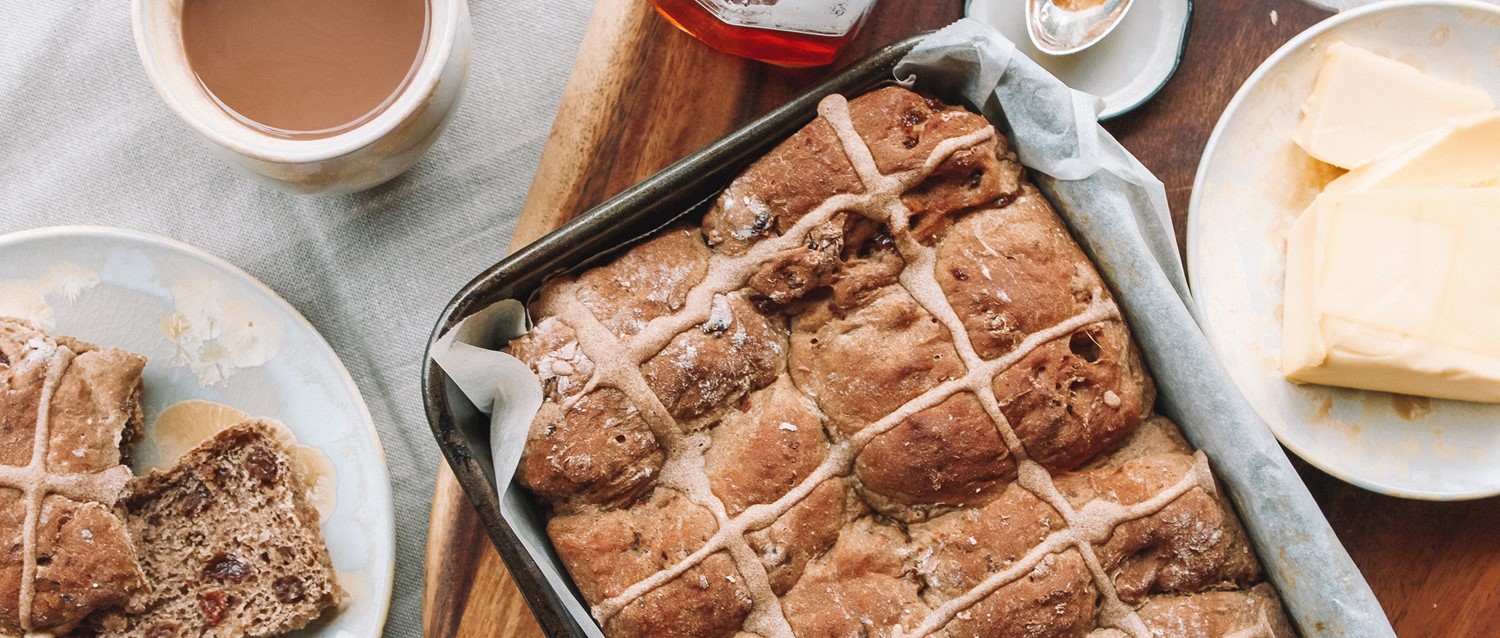
Recipe: Gluten-free hot cross buns
Peer reviewed by Dr Sarah JarvisLast updated by Val StonesLast updated 26 Mar 2018
Meets Patient’s editorial guidelines
- DownloadDownload
- Share
- Language
- Discussion
- Audio Version
- Add to preferred sources on Google
I have a sister-in-law and two nieces who are coeliac and I make these buns for them as an Easter treat. They love them warmed up with a spread of butter or jam.
The best thing about these buns is that they can also be frozen for up to a month, so you can enjoy a delicious, gluten-free treat any time
Nutritional info
Gluten-free alternatives are very readily available nowadays, meaning that those who have intolerances can still enjoy the food they love.
If you do have coeliac disease, but share a kitchen with someone who does not, make sure all the work surfaces/equipment you use are perfectly clean. This will help to prevent cross contamination.
How to make gluten-free hot cross buns
Makes 12 buns
Ingredients
450 g gluten-free white bread flour (plus extra for dusting)
70 g unrefined caster sugar
2 tsp mixed spice (8 g)
1 tsp cinnamon (2 g)
¼ tsp freshly grated nutmeg
10 g fine sea salt
12 g dried yeast
50 g butter or margarine
150 ml semi-skimmed milk
1 medium egg lightly beaten
40 g sultanas
100 g grated apple
Zest of an unwaxed orange
Zest of an unwaxed lemon
Olive oil (for greasing)
For the crosses
80 g gluten-free flour
100 ml water
For the glaze
60 ml milk and water (half and half)
30 g unrefined caster sugar
1 tbsp apricot jam (optional)
Baking tools
2 lightly greased baking sheets lined with parchment.
A medium plastic bowl.
A disposable piping bag and a 3 mm nozzle/tip - if you haven't got this nozzle you can fill the piping bag with the flour-and-water cross mixture and snip off the end to create a small hole for piping.
Large tumbler to support the piping bag.
Method
Sift the flour, sugar, mixed spice, cinnamon and nutmeg together into a large bowl. Place the salt on one side of the bowl and the dried yeast on the opposite side.
Heat the butter/margarine in a pan until melted (you can also do this in the microwave). Allow to cool slightly.
Place the 150 ml of milk in a heat-proof measuring jug, before adding boiling water to bring the level up to 300 ml - this will give you a warm but not hot liquid. Allow to cool slightly.
Make a well in the flour mixture and pour in the melted butter, half the milk mixture and the egg.
Use your hand to bring the mixture together, turning the bowl as you bring the mixture in from the edges.
Pour in the sultanas, grated apple, orange and lemon zest. Continue to mix well.
Gradually add more of the milk until you have a fairly soft dough. The dough is better for being slightly wetter than too dry.
Lightly dust the work surface and knead the dough for about 10 minutes or until the dough is smooth and elastic. I usually find this takes about 500 turns.
Oil a large bowl, form the dough into a ball and place inside. Cover with clingfilm and put in a warm place to rise for about 1-1½ hours or to about doubled in size.
Turn the risen dough out on to a lightly floured surface and knead out some of the larger air bubbles (this is called 'knocking back') before kneading a little more.
Divide the dough into 12 equal pieces. If you want 12 identical buns then simply weigh the dough and divide by 12.
To shape each bun into a round with your hands, turn the dough a quarter turn pulling the edge of the dough into the middle. Do this several times. Place your fingertips on the work surface and form your hand into a dome; rotate your hand to form the bun into a nicely formed, smooth round.
Place the buns on the baking sheet making sure they are placed well apart. (About six per sheet.) Place each baking sheet in a large clean polythene bag, making sure the bag doesn't touch the buns. Leave to rise for about 40 minutes or until the buns have doubled in size.
Set the oven for 220°C, 200°C fan-assisted oven, Gas Mark 7.
Whilst the dough is rising make the paste for piping the crosses. Place the plain flour in a bowl and gradually add the water until you have a not too soft paste that will squeeze easily from the nozzle but not run out freely.
Fill a disposable icing bag with this mixture.
When the buns have risen remove the polythene bag, snip the end off the piping bag and pipe a cross on each bun.
Place the buns in the oven and bake for 15-20 minutes until golden brown and firm to touch. Check on the buns half way through the bake and turn the baking sheet if the buns are over-browning on one side.
Whilst the buns are baking prepare the glaze. Heat the milk and water with the sugar and apricot jam.
When the buns come out of the oven and are still warm, brush them twice with the glaze. Leave on a cooling rack to cool.
Patient picks for Recipes
Diet and nutrition
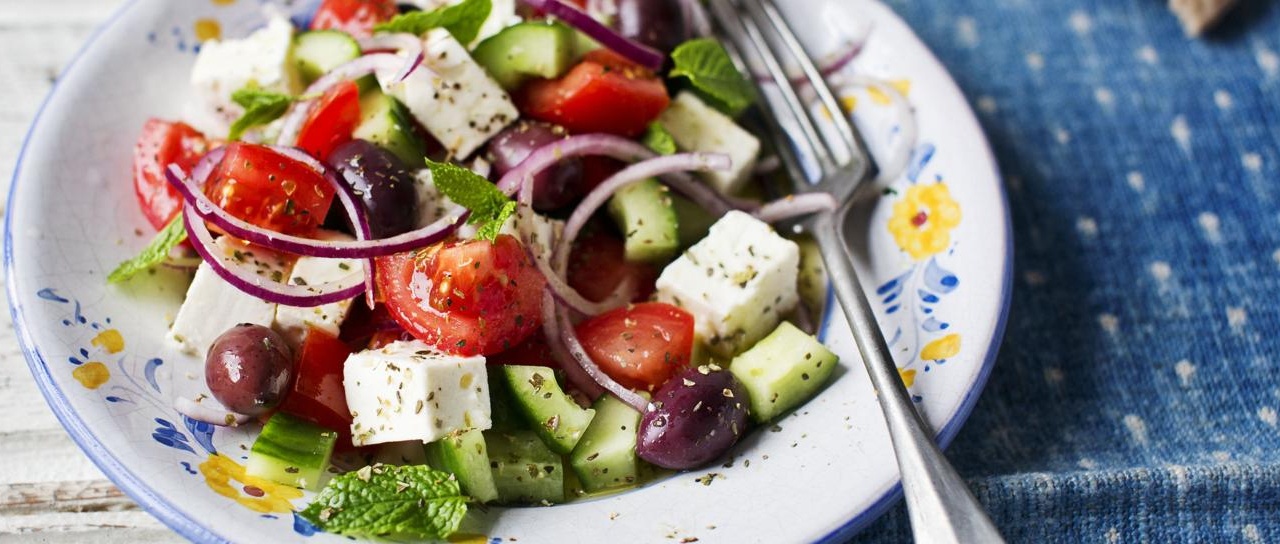
7 light summer salad recipes for hot summer days
When the weather's hot, there's nothing like a light summer salad to quench your hunger without making you feel too overheated or bloated. We've rounded up seven of the most delicious summer salad recipes to help pack your summer with flavour.
by Lynn Stephen
Diet and nutrition
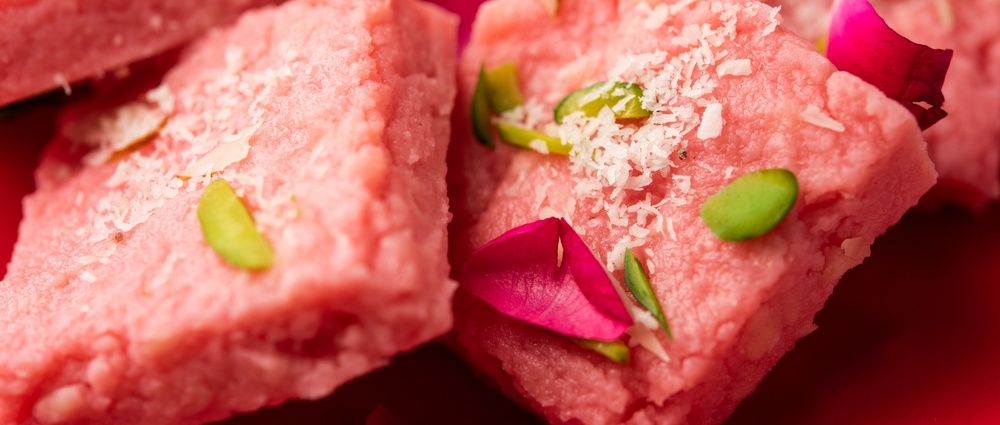
Have a healthy Diwali - food swaps and recipes
It's autumn and almost that time of year again for Diwali, a festival filled with celebrations, time with loved ones, and of course lots of indulgent foods and sweet treats. If you have diabetes, poor heart health, or are managing your weight, it can be hard to restrict the delicious Diwali foods you enjoy. With help from two dietitians, we share planning tips, food swaps, and recipes so that you can celebrate a more healthy Diwali - without missing out on your festive favourites.
by Lynn Stephen
About the authorView full bio
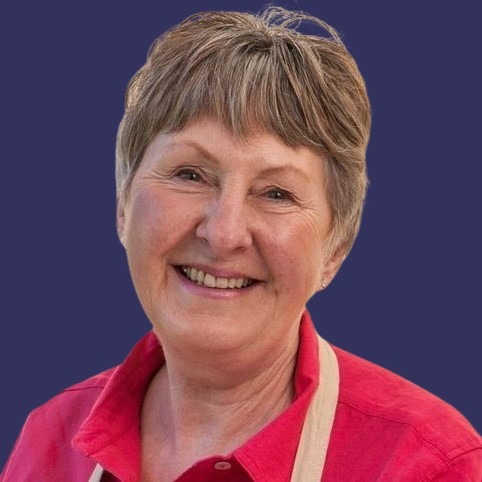
Val Stones
Baker, Recipe Developer
Val competed on the Great British Bake Off in 2016 and quickly won the hearts of the nation with her homely bakes.
About the reviewerView full bio

Dr Sarah Jarvis
Clinical Consultant
MA (Cantab), BM, BCh (Oxon), DRCOG, FRCGP, MBE
After training in medicine at Cambridge and Oxford, Dr Sarah Jarvis MBE became a GP.
Article history
The information on this page is peer reviewed by qualified clinicians.
Article also available in English, German, Spanish, French, Italian, Portuguese, Hindi, Hebrew, Arabic, and Swedish.
26 Mar 2018 | Latest version
Join the conversation
Share your thoughts or experiences with others in our patient communities.

Ask, share, connect.
Browse discussions, ask questions, and share experiences across hundreds of health topics.

Feeling unwell?
Assess your symptoms online for free
Sign up to the Patient newsletter
Your weekly dose of clear, trustworthy health advice - written to help you feel informed, confident and in control.
By subscribing you accept our Privacy Policy. You can unsubscribe at any time. We never sell your data.
More in diet and nutrition
- 5 quick and healthy meals for students
- Best before date: how long is food actually good for?
- Can you lower cholesterol through diet alone?
- Can your diet reduce the risk of cancer?
- Do you really need to give up sugar?
- Do ZMA supplements really work?
- How big is a portion?
- How does diet affect dementia?
- How to avoid iron deficiency
- How to boost your vitamin D levels this winter
- How to eat well when it's hard to shop and cook
- IBS diet: foods to eat and avoid
- Is salt good or bad for you?
- Mindful eating: how to slow down and enjoy your food
- Sticking to a plant-based diet lowers type 2 diabetes risk
- The link between gut health and happiness
- Ways to improve your relationship with food
- What are the benefits of vitamin D?
- What are the benefits of vitamin E?
- What's the healthiest high street Christmas sandwich?