Driving and diabetes
Peer reviewed by Dr Hayley Willacy, FRCGP Last updated by Dr Sarah JarvisLast updated 30 Jan 2018
Meets Patient’s editorial guidelines
- DownloadDownload
- Share
- Language
- Discussion
- Audio Version
- Add to preferred sources on Google
Content notice
This page hasn’t been reviewed recently, so some information or external links may have changed.
Insulin, used for people with type 1 diabetes and some people with type 2, can cause your blood sugar to drop too low - so-called hypoglycaemia episodes, or hypos. So too can some tablets used to treat type 2 diabetes - mostly tablets called sulfonylureas, but also glinides.
Hypos can cause drowsiness, dizziness and confusion: in severe cases they can lead to loss of consciousness or even be fatal. But hypos can also affect your ability to drive safely. So the DVLA has set out guidelines for people with all diabetes - and whether you have type 1 or type 2 diabetes, you need to know about them.
At a glance
Diabetes can cause high blood sugar, but some treatments can also lead to low blood sugar (hypoglycaemia).
Symptoms of low blood sugar include irritability, shakiness, blurred vision, and sudden tiredness.
If you have diabetes, you must inform the DVLA about certain vision problems or issues with leg sensation.
Drivers using insulin must manage their blood glucose and remain aware of hypoglycaemia symptoms.
Since February 2019, continuous or flash glucose monitoring can be used for driving, with some exceptions.
Sign up for our free 10-week Diabetes course!
Each week, we'll explore a different topic to help you better understand and manage your diabetes, including everyday living and medicines, to mental wellbeing, the latest in diabetes tech, and nutrition.
By subscribing you accept our Privacy Policy. You can unsubscribe at any time. We never sell your data.
Diabetes is diagnosed on the basis of high blood sugar. High blood sugar in the long term can cause serious complications, regardless of which kind of diabetes you have. This is why your team will work with you to prevent your blood sugar from going too high. On the whole, however, keeping your blood sugars very tightly controlled may increase your risk of hypoglycaemia if you take medication that can cause it.
Unless otherwise stated, the regulations below apply only to people with a Group 1 (car and motorcycle) licence. Your medical team can give you details about the requirements for Group 2 (bus and lorry) drivers.
What are the symptoms of hypoglycaemia?
Low blood sugar usually causes symptoms when your blood sugar is below 4 mmol/L. These include:
Feeling irritable, anxious or tearful.
Poor concentration.
Feeling trembly or shaky.
Blurred vision.
Palpitations and sweating.
Tingling around the lips or blurred vision.
Feeling very hungry.
Headache.
Sudden tiredness.
If you don't act on these early symptoms with treatment to increase your blood sugar, later symptoms include:
Slurred speech
Confusion
Irrational behaviour
Loss of consciousness
What terms does the DVLA use?
Severe hypoglycaemia
According to the DVLA, an episode of severe hypoglycaemia doesn't specifically depend on the level of your blood sugar, but whether or not you are able to treat the episode yourself. An episode of severe hypoglycaemia is any episode where you need outside assistance, including help to treat the episode and increase your blood sugar.
Impaired awareness of hypoglycaemia
The DVLA defines this as 'an inability to detect the onset of hypoglycaemia because of total absence of warning symptoms' .The risk of impaired or absent awareness of the warning signs rises the longer you have diabetes, the older you are and the more hypos you have. This increases the risk of a severe hypoglycaemic episode which can affect your driving ability even more than milder ones.
You are not allowed to drive if you have impaired awareness of hypoglycaemia and are treated with insulin.
Do I need to inform the DVLA about my diabetes?
Rules for everyone with diabetes
Regardless of which treatment you use for your diabetes, you must inform the DVLA if:
You need laser treatment for diabetic retinopathy to both eyes (or your seeing eye if you only have vision in one eye).
You develop vision problems in both eyes (or your seeing eye if you only have vision in one eye).
You cannot read a number plate in good daylight at 20 metres, with your usual aids (glasses or contact lenses).
Your vision drops below 6/12 on testing with both eyes open, with your usual aids.
You develop problems with the sensation in your legs or feet, or with circulation, affecting your ability to operate foot levers.
Any existing medical condition that may affect your driving gets worse, or you develop a new condition.
If you use insulin treatment, severe kidney complications may mean you may need to stop driving and notify the DVLA (your doctor can advise about these).
Diabetes managed with diet and tablets
As long as you satisfy all the conditions above and you have a Group 1 (car and motorcycle) licence, you do not need to inform the DVLA if your diet is managed with diet and lifestyle alone, or if your diabetes medication does not include insulin, sulfonylureas or glinides.
If you have a Group 1 licence and you use sulfonylureas or glinides, you do not need to inform the DVLA if you:
Satisfy all the general conditions above; and
Are having regular medical reviews of your diabetes; and
You have had fewer than two episodes of severe hypoglycaemia during waking hours in the last 12 months; and
Are (if needed) measuring your blood sugar 'at times relevant to driving', ie no more than two hours before the start of the first journey and every two hours while driving.
If you have a Group 2 (bus and lorry) licence, you need to inform the DVLA if you take tablets for your diabetes, even if these do not include sulfonylureas or glinides
Diabetes requiring insulin treatment
Temporary treatment is defined as treatment with insulin for up to three months (or up to three months after delivery if you have had a baby). If you are using temporary insulin treatment (including for gestational diabetes and after a heart attack), you may keep driving without informing the DVLA if you :
Are a Group 1 driver.
Are under medical supervision.
Have not been advised by a doctor that you are at risk of disabling hypoglycaemia; and
Have never had an episode.
Otherwise, you must inform the DVLA.
If you are a Group 1 driver, you may be issued a licence for one, two or three years as long as you fulfil the general standards above and all the criteria below:
You are having regular medical reviews.
You have adequate hypo awareness.
Your medical team does not think you will be a danger on the roads; and
You monitor your blood glucose within two hours of driving and at least every two hours while driving - more often if you're exercising or have disrupted your usual eating routine. This is a recommendation rather than a legal requirement if you are a Group 1 driver, but it is important to minimise the risk of accidents.
You haven't had an episode of severe hypoglycaemia (one needing outside assistance) when awake in the last three months, or you haven't had two or more episodes in the last 12 months
Note: the regulations about severe hypoglycaemia changed on 1st January 2018. Until then, episodes of severe hypoglycaemia while asleep could also lead to you losing your licence. In addition, until then you could not apply to renew your licence for at least two years: you can now apply to renew your licence from three months after your last episode.
Editor’s note
Dr Sarah Jarvis, February 2019.
Using continuous and flash glucose monitoring systems for driving
Some people on insulin use continuous or 'flash' glucose monitoring systems to monitor their blood sugar. Until February 2019, they were not allowed to rely on these systems to monitor their blood sugar. Instead, they were required to use fingerprick testing at the same frequency as anyone else while they were driving.
From February 2019, if you use continuous of flash glucose monitoring, you can use this system alone to check your blood glucose around times of driving. However, you must also use fingerprick testing if:
Your blood sugar reading on your flash or continuous glucose monitoring device is below 4 mmol/L.
You have symptoms of a hypo.
You develop symptoms which might be caused by low blood sugar, even if your existing glucose monitoring tells you that your blood sugar is not low.
Following pancreas or islet cell transplant
You may drive, but must inform the DVLA. If you are using insulin treatment, you must follow the guidance for all people on insulin treatment above.
What precautions should I take if I have diabetes and drive?
Because hypoglycaemia can cause serious complications, it is important to take steps to avoid hypoglycaemia, and to know how to treat the early symptoms. To do so, you will need to keep treatment with a supply of fast-acting carbohydrate to hand at all times.
You can find out more about avoiding and treating episodes of hypoglycaemia in our leaflet called Why low blood sugar is dangerous.
Patient picks for Living with diabetes

Diabetes
Diabetes and illness
If you have diabetes - or have to care for someone who has - it's important to be prepared to cope with illness. Don't delay in contacting your doctor or nurse if you need advice or support.
by Dr Colin Tidy, MRCGP
Diabetes
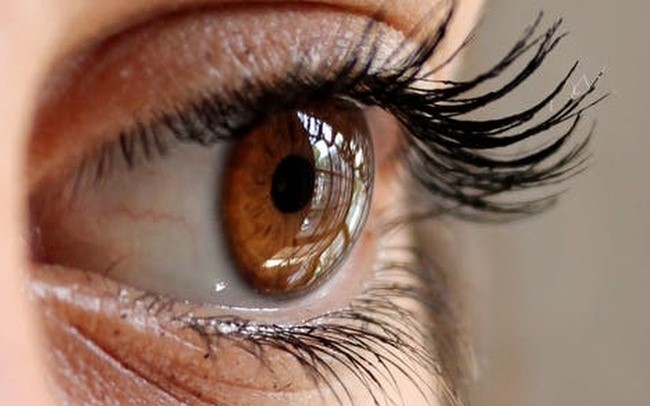
Diabetic retinopathy
If you have diabetes, it is vital that you have your eyes checked regularly. The retina is at the back of the eye and damage to the retina (the light sensitive layer of cells) is called a retinopathy. Retinopathy is a common complication of diabetes. If left untreated, it can become worse and cause some loss of vision, or total loss of vision (severe sight impairment) in severe cases. Good control of blood sugar (glucose) and blood pressure slows down the progression of retinopathy. Treatment with a laser, before the retinopathy becomes severe, can often prevent loss of vision.
by Dr Hayley Willacy, FRCGP
Frequently asked questions
What is the difference between Group 1 and Group 2 licences in relation to diabetes and driving?
Group 1 licences cover cars and motorcycles, while Group 2 licences are for bus and lorry drivers. The rules and requirements for informing the DVLA and medical standards for driving with diabetes are often more stringent for Group 2 licence holders, as detailed in the article.
Can I drive if I only manage my diabetes through diet and lifestyle without medication?
Yes, if your diabetes is managed solely with diet and lifestyle changes and you hold a Group 1 licence, you generally do not need to inform the DVLA, as long as you meet all the other general health conditions for driving mentioned in the article regarding vision, sensation, and other medical conditions.
If I have vision problems in one eye due to diabetic retinopathy, do I need to inform the DVLA?
You must inform the DVLA if you need laser treatment for diabetic retinopathy in your 'seeing eye' if you only have vision in one eye, or if you develop vision problems in your 'seeing eye'. You also need to inform them if you cannot read a number plate at 20 metres or if your vision drops below 6/12 with your usual aids, regardless of whether it's one or both eyes affected.
What should I do if I suspect my blood sugar is low, even if my glucose monitor shows a normal reading?
If you experience symptoms that might be caused by low blood sugar, you must perform a fingerprick test to confirm your blood glucose level, even if your continuous or flash glucose monitoring device indicates that your blood sugar is not low. This is crucial for your safety and to accurately address potential hypoglycaemia.
How soon after a severe hypoglycaemic episode can I reapply for my driving licence?
You can apply to renew your Group 1 driving licence from three months after your last episode of severe hypoglycaemia, provided you meet all other required criteria for drivers with diabetes.
About the authorView full bio
Updated by

Dr Sarah Jarvis
Clinical Consultant
MA (Cantab), BM, BCh (Oxon), DRCOG, FRCGP, MBE
After training in medicine at Cambridge and Oxford, Dr Sarah Jarvis MBE became a GP.
About the reviewerView full bio

Dr Hayley Willacy, FRCGP
General Practitioner, Medical Author
MBChB (1992), DRCOG, DFFP, MRCOG (Part 1) MRCGP (2007), DFSRH (2013), MSc - medical education (2020)
Dr Hayley Willacy was an NHS GP working in northwest England, who retired from clinical practice in 2022 after 30 years.
Join the conversation
Share your thoughts or experiences with others in our patient communities.

Ask, share, connect.
Browse discussions, ask questions, and share experiences across hundreds of health topics.

Feeling unwell?
Assess your symptoms online for free
Sign up to the Patient newsletter
Your weekly dose of clear, trustworthy health advice - written to help you feel informed, confident and in control.
By subscribing you accept our Privacy Policy. You can unsubscribe at any time. We never sell your data.