Estatinas e outros medicamentos para redução de lipídios
Revisado por Dr Caroline Wiggins, MRCGP Última atualização por Dr Rachel Hudson, MRCGPÚltima atualização 14 Abr 2025
Atende aos diretrizes editoriais
- BaixarBaixar
- Compartilhar
- Language
- Discussão
- Versão em Áudio
- Adicionar às fontes preferidas no Google
As estatinas funcionam bloqueando a ação de uma determinada substância química (enzima) necessária para produzir o colesterol, além de remover algumas formas de colesterol do sangue.
Em resumo
Statins are medicines used to lower cholesterol in the blood.
They are often prescribed if you have high cholesterol, existing heart disease, or a high risk of developing it.
Before starting treatment, you will have a blood test to check cholesterol and liver function.
Most people have no side-effects or only minor ones, such as headache or tummy pain.
Tell your doctor about unexpected muscle pains or chest symptoms.
Do not take statins if you have active liver disease, are pregnant, or breastfeeding.
Do not eat grapefruit if you take simvastatin, atorvastatin, or lovastatin.

Inseguro sobre misturar medicamentos?
Verifique possíveis interações entre medicamentos, suplementos e alimentos antes de tomá-los juntos.
What are statins?
Statins are a group of medicines that are commonly used to reduce the level of cholesterol in the blood.
Types of statins
Statins available on prescription include:
They each have different brand names.
What are statins used for?
Your doctor will advise if you should take a statin. A statin is usually advised if:
You have a high cholesterol level (or high levels of other fats in the blood, called hyperlipidaemia - read more about hiperlipidemia e hipercolesterolemia familiar).
You have an atheroma-related disease. This is a doença cardiovascular tais como angina ou doença arterial periférica, or you have had a ataque cardíaco (infarto do miocárdio), derrame ou ataque isquêmico transitório (AIT). A statin helps to reduce the risk of cardiovascular disease getting worse, or of you having further heart attacks, TIAs or strokes.
You have a high increased risk of developing heart disease. Risk is measured as a percentage. Risk is considered to be high when your score is 10% or more (that is, a 1 in 10 chance or more of developing a cardiovascular disease within the 10 years that follow). See the separate leaflet called Cardiovascular health risk assessment.
Nota: a statin is just one factor in reducing your risk of developing cardiovascular diseases. Veja o folheto separado chamado Doença cardiovascular (Ateroma).
What happens when you take a statin?
You should have a blood test before starting treatment. This checks the level of cholesterol. It also checks if your liver is working properly.
After starting treatment you should have a blood test in 2-3 months and again at 12 months. The blood test is to check that the liver has not been affected by the medication. The blood may also be checked to measure the cholesterol level to see how well the statin is working.
What is the target cholesterol level to aim for?
There is no actual target cholesterol blood level for people who do not already have cardiovascular disease. However, national guidelines recommend that people who have not been diagnosed with cardiovascular disease, but would benefit from taking a statin to reduce their risk of this, should be started on atorvastatina 20 mg a day. This is a 'high-intensity' statin - the aim of giving high-intensity statins is to reduce your low-density lipoprotein (LDL) cholesterol (sometimes called the 'bad cholesterol') by at least 40%.
If you do have a cardiovascular disease the aim, if possible, is to reduce LDL cholesterol to less than 2.0 mmol/L, or non-HDL cholesterol to 2.6mmol/L or less. If the target is not reached at first, the dose may need to be increased or a different preparation used. National guidelines recommend that for people who have cardiovascular disease, the drug of choice is atorvastatin 80 mg a day.
A study of over 165,000 patients taking statins has shown that about half of people taking statins did not reduce their LDL cholesterol by at least 40%. There may be several reasons for this, including people not taking their statin tablets regularly. However, people who were not prescribed 'high-intensity statins' (such as atorvastatin 20-80 mg a day) were less likely to reach this target.
Once age and starting cholesterol level were taken into account, people who did not reach this 40% target were 22% more likely to have a heart attack or stroke over the following six years.
If you are taking a statin, you may want to ask your GP or practice nurse what your pre-treatment and on-treatment levels of LDL cholesterol are. If your cholesterol has not reduced by at least 40% on treatment, you could discuss your medication with your doctor.
Side-effects of statins
Most people who take a statin have no side-effects, or only minor ones. Read the information leaflet that comes with your medicine. It will have a full list of possible side-effects. It is always important to discuss the risks and benefits of any treatment with your healthcare professional or pharmacist.
Possible statin side-effects include:
Dor na barriga (abdominal).
A rash.
Muscle damage (myopathy), which is rare.
Some people taking statins have reported memory loss but studies have not shown any link between taking a statin and experiencing any memory loss.
Do's and don'ts of taking statins
Não
Tell your doctor if you have any unexpected muscle pains, tenderness, cramps or weakness. This is because a rare side-effect of statins is a severe form of muscle inflammation. Your doctor may need to adjust your dose of statin to reduce the risk.
Tell a doctor if you develop chest symptoms such as unexplained shortness of breath or cough. This is because (in very rare cases) statins may cause a disease called interstitial lung disease.
Remind your doctor or pharmacist you are on a statin if you are prescribed (or buy) another medication. This is because various other medicines may interfere with statins - for example, some antibiotics and ciclosporin. The doses of either the statin or the other interacting medicine may need to be adjusted.
Don't
Take a statin if you have active liver disease, if you are pregnant or intend to be pregnant, or if you are breastfeeding. You should stop a statin if you develop liver disease.
Eat grapefruit or drink grapefruit juice if you are taking some statins. A chemical in grapefruit can increase the level of statin in the bloodstream, which can make side-effects from the statin more likely. This is only a problem with simvastatin, atorvastatin and lovastatin. Other statins, such as pravastatin, do not interact with grapefruit.
Alternatives to statins
Statins are the most effective medicines for reducing cholesterol levels for most people. However, there are other medicines that are sometimes used if statins can't be used or aren't sufficiently effective. These include:
Ezetimibe is sometimes used in certain situations in combination with a statin, or on its own. It prevents the absorption of cholesterol from the gut. It is now recommended as the main alternative for people who cannot take statins
Bile acid sequestrants which include colestyramine, colesevelam e colestipol. They work by binding to bile acids which are passed into the gut from the liver and gallbladder. This stops bile acids being re-absorbed into the bloodstream, which has a knock-on effect of lowering cholesterol. Bile acid sequestrants may be used during pregnancy because they are safe while statins can't be used during pregnancy. They are not recommended routinely otherwise.
Fibrates which include bezafibrate, ciprofibrate, fenofibrate, e gemfibrozil. One of these is used mainly if you have a high level of another type of lipid (triglyceride) with or without a high cholesterol level. They are not routinely recommended.
Bempedoic acid is another type of medicine which helps to reduce cholesterol levels and is used particularly in people who don't respond to other cholesterol-lowering medication. It is also available in combination with ezetimibe.
Fish oils may help to reduce blood lipid levels. These occur naturally in oily fish such as mackerel. This is why at least 1-2 portions of oily fish per week are recommended in a healthy diet. Dietary supplements ('fish oil tablets', which contain omega-3 fatty acids) are also available. However, the value of fish oil supplements is controversial, as the evidence from research trials is unclear.
The National Institute for Health and Care Excellence (NICE) has recommended inclisiran, alirocumab or evolocumab as an option for reducing cholesterol in some patients with high cholesterol that has not responded to statins or ezetimibe.
NICE has also recommended a medication called icosapent ethyl for those people who:
Are already taking a statin.
Have controlled levels of LDL cholesterol.
Have high levels of triglycerides; e
Have a high risk of having a cardiovascular event.
This is because evidence has shown that icosapent ethyl reduces the risk of cardiovascular events in these people. See Further Reading below for more information.
Where to buy statins
Statin medicines are available on prescription and funded by the NHS in the UK if you have a cardiovascular disease, or you have a high risk of developing a cardiovascular disease. A statin is not usually prescribed for people with lower levels of risk.
Some statins are available to buy without a prescription. Some people choose to buy a statin to lower their cholesterol level.
However, statins are an addition and not a replacement for changing lifestyle factors to reduce your risk of cardiovascular disease. Everyone should follow a healthy lifestyle of not smoking, maintaining a healthy body weight, eating a healthy diet, getting regular physical exercise and only drinking alcohol in moderation. See the leaflet on Doença cardiovascular para mais informações.
Escolhas do paciente para Medicamentos para o coração e sangue

Tratamento e medicação
Diuréticos de alça
Os diuréticos de alça são comumente usados no tratamento da insuficiência cardíaca. Nessa condição, o líquido se acumula no seu corpo, devido ao coração não bombear sangue pelo corpo tão bem quanto normalmente. Assim, você pode ficar sem fôlego (à medida que o líquido se acumula nos pulmões) e seus tornozelos e pernas podem inchar com excesso de líquido nos tecidos (edema). Os diuréticos de alça também são usados para tratar outras condições que causam acúmulo de líquido no corpo, como certos distúrbios do fígado e dos rins. Eles também são às vezes usados para tratar hipertensão arterial. No entanto, geralmente, um tipo diferente de diurético chamado diurético tiazídico é mais comumente usado para tratar hipertensão. Existem diferentes tipos de diuréticos. Os diuréticos de alça são um deles. Incluem furosemida, bumetanida e torasemida. Cada um vem com diferentes nomes comerciais.
por Dr. Colin Tidy, MRCGP
Tratamento e medicação
Bloqueadores alfa
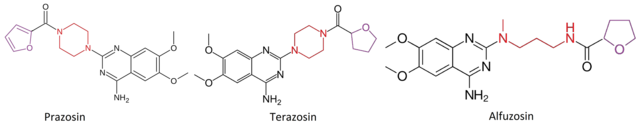
Os bloqueadores alfa são medicamentos utilizados principalmente para tratar hipertensão arterial (pressão alta) e problemas ao urinar em homens com aumento da glândula prostática. O aumento da próstata também é chamado de hiperplasia prostática benigna (HPB).
por Dr. Doug McKechnie, MRCGP
Perguntas frequentes
Can statins be bought without a prescription?
Some statins are available to buy without a prescription. However, they are still intended as an addition to, not a replacement for, lifestyle changes like not smoking, maintaining a healthy weight, eating well, exercising, and drinking alcohol in moderation.
Are statins diuretics?
The article does not mention statins having diuretic effects or being used as diuretics. Statins are primarily used to reduce cholesterol levels in the blood.
Can statins make you breathless?
In very rare cases, statins may cause a disease called interstitial lung disease, which can lead to symptoms like unexplained shortness of breath. If you develop chest symptoms such as unexplained shortness of breath or a cough, you should tell your doctor.
Can statins cause rashes?
Yes, a rash is listed as one of the possible side-effects of statin treatment, though most people who take statins experience no side-effects or only minor ones.
Can statins cause weight gain?
The article does not indicate that statins cause weight gain. It focuses on their role in reducing cholesterol and managing cardiovascular disease risk, alongside lifestyle factors like maintaining a healthy body weight.
How long do statins take to work?
After starting statin treatment, a blood test is usually done in 2-3 months and again at 12 months to check how well the statin is working and to measure the cholesterol level. This suggests that their effects on cholesterol are assessed over a period of months.
What happens if my cholesterol target isn't reached while on statins?
If the target cholesterol level is not reached, the dose of the statin may need to be increased, or a different statin preparation might be used. It's recommended to discuss your medication with your doctor if your cholesterol hasn't reduced by at least 40% on treatment.
Leitura adicional e referências
- Munkhaugen J, Kristiansen O, Sverre E, et al; Statins seldom cause adverse reactions. Tidsskr Nor Laegeforen. 2022 Jan 20;142(2). doi: 10.4045/tidsskr.21.0885. Print 2022 Feb 1.
- Report of the Joint British Societies for the Prevention of Cardiovascular Disease; JBS3, 2014
- Ezetimibe for treating primary heterozygous-familial and non-familial hypercholesterolaemia; Orientação de avaliação de tecnologia do NICE, fevereiro de 2016
- Alirocumab for treating primary hypercholesterolaemia and mixed dyslipidaemia; Orientação de avaliação de tecnologia do NICE, junho de 2016
- Evolocumab for treating primary hypercholesterolaemia and mixed dyslipidaemia; Orientação de avaliação de tecnologia do NICE, junho de 2016
- Linton MF, Yancey PG, Davies SS, et al; The Role of Lipids and Lipoproteins in Atherosclerosis. Endotext 2019.
- Diretrizes para o manejo das dislipidemias: modificação lipídica para reduzir o risco cardiovascular; Sociedade Europeia de Cardiologia/Sociedade Europeia de Aterosclerose (2019)
- Bempedoic acid with ezetimibe for treating primary hypercholesterolaemia or mixed dyslipidaemia; NICE Technology appraisal guidance, April 2021
- Inclisiran for treating primary hypercholesterolaemia or mixed dyslipidaemia; Orientação de avaliação de tecnologia do NICE, outubro de 2021
- Icosapent ethyl with statin therapy for reducing the risk of cardiovascular events in people with raised triglycerides; Orientação de avaliação de tecnologia do NICE, julho de 2022
- Visseren FLJ, Mach F, Smulders YM, et al; 2021 ESC Guidelines on cardiovascular disease prevention in clinical practice. Eur Heart J. 2021 Sep 7;42(34):3227-3337. doi: 10.1093/eurheartj/ehab484.
- Taking a statin to reduce the risk of coronary heart disease and stroke; NICE Patient Decision Aid, November 2014
- Doença cardiovascular: avaliação e redução de risco, incluindo modificação de lipídios; Orientação NICE (dezembro de 2023)
- Akyea RK, Kai J, Qureshi N, et al; Sub-optimal cholesterol response to initiation of statins and future risk of cardiovascular disease. Heart. 2019 Jul;105(13):975-981. doi: 10.1136/heartjnl-2018-314253. Epub 2019 Apr 15.
Sobre o autorVer biografia completa

Dra. Rachel Hudson, MRCGP
Médico Generalista e Autor Médico
MBChB, MRCGP (2008), BSc (Medical Science), DFSRH, DRCOG, DCH
Dra. Rachel Hudson é uma médica do NHS que trabalha no Noroeste da Inglaterra.
Sobre o revisorVer biografia completa

Dr Caroline Wiggins, MRCGP
Médico Generalista, Autor Médico
MBBS Honras (com Distinção), MRCGP (2016), MSc.SEM (com Distinção), BSc (Hons)
A Dra. Caroline Wiggins é uma médica substituta atualmente no sudoeste da Inglaterra.
Histórico do artigo
As informações nesta página são escritas e revisadas por clínicos qualificados.
Artigo também disponível em Inglês, Alemão, Espanhol, Francês, Italiano, Português, Hindi, Hebraico, Árabe, e Sueco.
Próxima revisão prevista para: 13 Abr 2028
14 Abr 2025 | Última versão

Pergunte, compartilhe, conecte-se.
Navegue por discussões, faça perguntas e compartilhe experiências em centenas de tópicos de saúde.

Sentindo-se mal?
Avalie seus sintomas online gratuitamente
Inscreva-se no boletim informativo do Patient
Sua dose semanal de conselhos de saúde claros e confiáveis - escritos para ajudá-lo a se sentir informado, confiante e no controle.
Ao se inscrever, você aceita nossos Política de Privacidade. Você pode cancelar a inscrição a qualquer momento. Nunca vendemos seus dados.
Mais em tratamento e medicação
- Alternativas à TRH para sintomas da menopausa
- Anafilaxia
- Antibióticos
- Anticoagulantes
- Medicamentos antipsicóticos
- Aspirina e outros medicamentos antiplaquetários
- Medicamentos biológicos para artrite reumatoide
- Queimaduras e escaldões
- Vacina contra cólera
- Colposcopia e tratamentos cervicais
- Medicamentos para tosse
- Tratamento e prevenção de piolhos
- Vacina contra Hepatite A
- Vacina contra Hepatite B
- Vacina contra HPV
- Vacinação MMR
- Esteroides orais
- Pólio e vacina contra a pólio
- Diuréticos poupadores de potássio
- Máquinas TENS