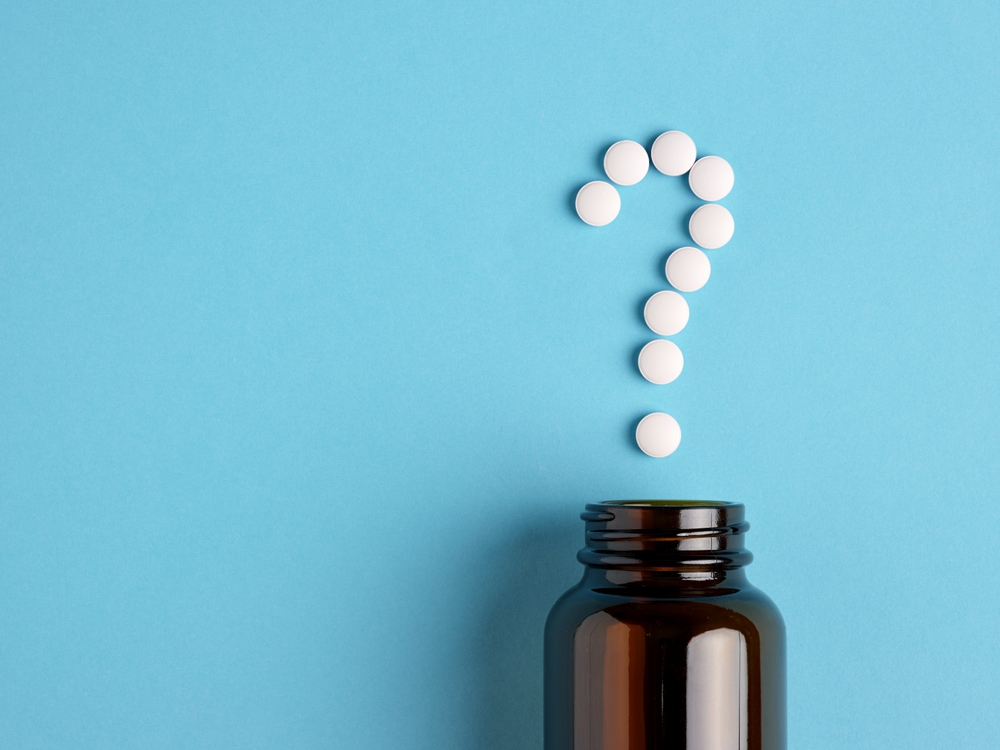
Steroid side effects you should know about
Revisado por Dr Colin Tidy, MRCGPÚltima atualização por Josh AldermanÚltima atualização 29 Jul 2026
Atende aos diretrizes editoriais
- BaixarBaixar
- Compartilhar
- Language
- Discussão
- Versão em Áudio
- Adicionar às fontes preferidas no Google
Steroids are medicines used to treat many conditions, including asthma, arthritis, inflammatory bowel disease, eczema, and autoimmune diseases.
The term "steroids" usually refers to corticosteroids, such as prednisolone, which reduce inflammation and help control the immune system.
Like all medicines, corticosteroids can cause side effects. Not everyone experiences them, and the risk depends on the type of steroid, the dose, how long it is taken for, and your overall health. Many people taking a short course have few or no side effects.
What are some common steroid side effects?
The most common side effects include:
Aumento do apetite.
Ganho de peso.
Dificuldade para dormir (insônia).
Mood changes, including feeling irritable or anxious.
Indigestion or stomach irritation.
A higher risk of infections.
Raised blood sugar levels.
Pressão alta.
Thinning of your skin and easy bruising.
Acne.
Fraqueza muscular.
Bone thinning (osteoporose).
Slower wound healing.
The likelihood of developing these side effects varies from person to person and depends on the type of steroid treatment.
Short-term vs long-term side effects
Short-term side effects
Short courses of corticosteroids, usually lasting a few days or weeks, are less likely to cause serious side effects.
Some people however may experience:
Aumento do apetite.
Dificuldade para dormir.
Mudanças de humor.
Indigestão.
Temporary increases in blood sugar.
These side effects are often mild and usually improve once treatment ends.
Long-term side effects
Taking corticosteroids for several months or longer increases the risk of more significant side effects.
Estes podem incluir:
Ganho de peso.
Osteoporose.
Fraqueza muscular.
Cataracts or glaucoma.
Pressão alta.
Diabetes or worsening blood sugar control.
Thinning of your skin.
Increased susceptibility to infections.
Slower wound healing.
Suppression of your body's natural steroid production.
Your GP or healthcare professional may recommend regular monitoring if you need long-term steroid treatment.
Do side effects depend on the type of steroid?
Yes. The risk and type of side effects vary depending on how the steroid is taken.
Type of steroid | Common side effects | Risk of long-term side effects |
|---|---|---|
Esteroides orais (tablets or liquid) | Weight gain, mood changes, raised blood sugar, increased infection risk | Highest, particularly with long-term use |
Pain at the injection site, temporary flushing, raised blood sugar | Usually lower, but repeated injections can increase risk | |
Sore mouth, hoarse voice, oral thrush | Low when used correctly | |
Skin thinning, stretch marks, irritation | Usually low unless used over large areas or for long periods | |
Colírios de esteroides | Eye irritation, raised eye pressure | May increase with prolonged use |
Using steroids exactly as prescribed helps minimise the risk of side effects.
Who is more likely to experience steroid side effects?
Some people have a higher risk of developing side effects from steroids, including those who:
Take high doses of steroids.
Need steroid treatment for several months or longer.
Have diabetes or prediabetes.
Have high blood pressure.
Have osteoporosis or are at risk of bone loss.
Have glaucoma or cataracts.
Are older adults.
Have a weakened immune system.
Smoke or drink excessive amounts of alcohol.
Your healthcare professional will consider these factors before prescribing steroids and may recommend additional monitoring.
How long do steroid side effects last?
How long side effects last depends on the type of steroid, the dose, and how long it has been taken.
Many short-term side effects, such as increased appetite, mood changes, or difficulty sleeping, improve within days or weeks after treatment finishes.
Long-term side effects, including osteoporosis, cataracts, or changes in blood sugar, may persist or require ongoing treatment.
If you have taken oral steroids for several weeks or longer, do not stop them suddenly. Your healthcare professional will usually recommend reducing the dose gradually to allow your body to start producing its own steroids again.
How can you reduce the risk of steroid side effects?
You can help lower your risk by:
Taking steroids exactly as prescribed.
Using the lowest effective dose for the shortest possible time.
Never stopping long-term steroid treatment suddenly without medical advice.
Taking steroid tablets with food if advised.
Rinsing your mouth after using a steroid inhaler to reduce the risk of oral thrush.
Eating a balanced diet and staying physically active to help manage weight and bone health.
Attending any recommended health checks, including blood pressure, blood sugar, bone density, or eye examinations.
Speaking to your healthcare professional if you notice new or worsening side effects.
Resumo
Steroid side effects vary depending on the type of steroid, the dose, and how long treatment lasts.
Short courses usually cause few problems, while long-term treatment carries a greater risk of side effects such as weight gain, osteoporosis, and raised blood sugar.
Using steroids as prescribed and attending regular reviews can help reduce these risks while allowing the medicines to work effectively.
Escolhas do paciente para Informações sobre medicamentos
Tratamento e medicação
Os remédios à base de plantas realmente funcionam?
Herbal medicines have been used for centuries to treat a wide range of health conditions. Many people choose them because they're seen as a natural alternative to conventional medicine. But do herbal medicines actually work - and are they safe to take?
por Heather Ainsworth

Tratamento e medicação
Você está muito dependente de analgésicos?
Praticamente todos nós já tomamos analgésicos em algum momento de nossas vidas, e eles certamente podem oferecer alívio temporário da dor. Mas as diretrizes nacionais do NICE (Instituto Nacional de Excelência em Saúde e Cuidados) incentivam os médicos a evitá-los para muitas pessoas com dor. Não é porque eles querem que alguém sofra - longe disso. É por causa do risco de se tornar viciado em analgésicos prescritos, o que pode causar ainda mais problemas do que a dor original.
por Dra. Sarah Jarvis
Sobre o autorVer biografia completa

Dra. Sarah Jarvis
Consultora Clínica
MA (Cantab), BM, BCh (Oxon), DRCOG, FRCGP, MBE
Após se formar em medicina em Cambridge e Oxford, a Dra. Sarah Jarvis MBE tornou-se médica de clínica geral.
Sobre o revisorVer biografia completa

Dr Colin Tidy, MRCGP
Médico Generalista, Autor Médico
MBBS, MRCGP, MRCP (Paediatrics), DCH
Dr Colin Tidy é um médico do NHS, baseado em Oxfordshire.
Histórico do artigo
As informações nesta página são revisadas por pares por clínicos qualificados.
Artigo também disponível em Inglês, Alemão, Espanhol, Francês, Italiano, Português, Hindi, Hebraico, Árabe, e Sueco.
Next review due: 29 Jul 2029
29 Jul 2026 | Última versão
10 Mar 2019 | Publicado originalmente
Escrito por:
Dra. Sarah Jarvis

Pergunte, compartilhe, conecte-se.
Navegue por discussões, faça perguntas e compartilhe experiências em centenas de tópicos de saúde.

Sentindo-se mal?
Avalie seus sintomas online gratuitamente
Inscreva-se no boletim informativo do Patient
Sua dose semanal de conselhos de saúde claros e confiáveis - escritos para ajudá-lo a se sentir informado, confiante e no controle.
Ao se inscrever, você aceita nossos Política de Privacidade. Você pode cancelar a inscrição a qualquer momento. Nunca vendemos seus dados.
Mais em tratamento e medicação
- 15 questions to ask before having surgery
- Um farmacêutico pode prescrever antibióticos?
- Os transplantes capilares podem melhorar a saúde mental?
- O seu farmacêutico pode ajudar com a sua saúde sexual?
- Químico encontrado na cannabis pode ser mais eficaz do que analgésicos
- Não se preocupe: 5 benefícios para a saúde da sauna em destaque
- Cuidados de fim de vida: suporte médico, emocional e espiritual
- Itens essenciais de primeiros socorros para sua casa
- É realmente refluxo? Por que você pode estar recebendo prescrição errada de IBPs
- É seguro tomar analgésicos opioides?
- Animais de estimação como terapia: benefícios para todas as idades
- A importância de aprender RCP
- Perguntas Frequentes sobre Wegovy: Respostas para dúvidas comuns sobre perda de peso
- NovoPílula Wegovy: como funciona o novo comprimido para perda de peso?
- Quais fatores estão causando resistência antimicrobiana?
- O que é terapia de análise transacional?
- Como é estar na lista de espera para transplante de órgãos
- O que esperar da sua consulta na farmácia
- O que você precisa saber antes de tomar medicamentos para disfunção erétil