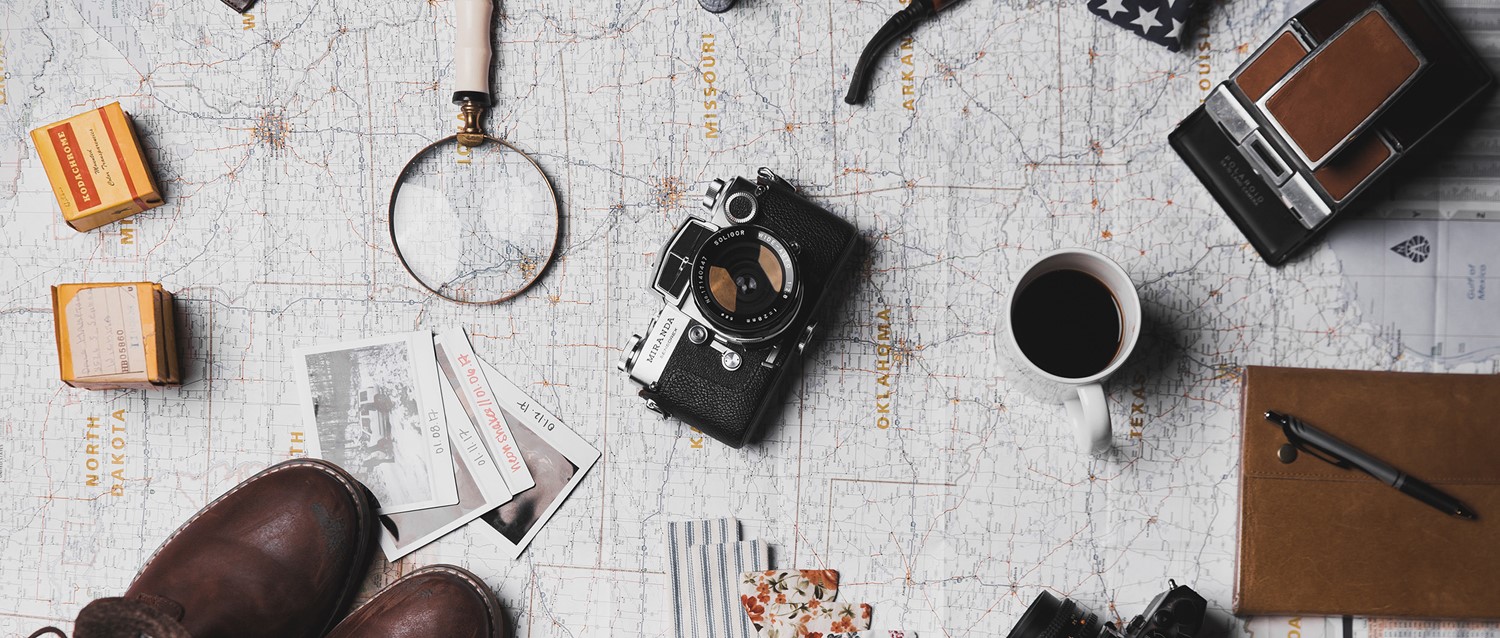
O kit essencial para viagens de aventura
Revisado por Dr Sarah JarvisAutoria de Dr Anna Cantlay, MRCGPPublicado originalmente 21 Dec 2017
Atende aos diretrizes editoriais
- BaixarBaixar
- Compartilhar
- Language
- Discussão
- Ask Patient
- Versão em Áudio
- Adicionar às fontes preferidas no Google
From the plains of the African Sahara to the peaks of the Himalayas, a traveller must always be prepared. Some precautions should be taken by every explorer. But preparation for an adventure requires more than simply buying a backpack and an all-season sleeping bag. A real traveller must prepare for every eventuality … and that includes taking care of your health whilst you're away.
Whether it’s trekking through the jungle or climbing a mountain that excites you, this essential travel kit will provide you with all the necessary materials to keep you safe and healthy while away.
Explore malaria prevention options
Obtenha aconselhamento especializado em saúde no conforto da sua casa. Faça uma consulta online rápida, disponível 24 horas por dia, 7 dias por semana, e tenha o seu pedido avaliado por um profissional de saúde registado no Reino Unido. Entrega no dia seguinte disponível para tratamentos elegíveis.

Escolhas de vídeos para Conselhos de viagemBiblioteca de vídeos
Anti-malarial tablets
Malária prevention should always be a priority. Spread by mosquitoes, the World Health Organization (WHO) reported approximately 212 million worldwide malaria cases in 2015 and an estimated 429,000 malaria deaths. Always check if you are travelling to a high-risk zone by seeking advice from your practice nurse or by checking the Travel Health Pro website.
In addition to bite avoidance via mosquito nets and repellent spray, your essential travel kit should contain a course of anti-malarial tablets. These aren't available on the NHS, but since July 2017 you can get advice, and buy any tablets including malarone, from pharmacists. They're also available on a private prescription from your GP or from travel clinics.
Mountain sickness
Acute mountain sickness (AMS) can affect travellers trekking or climbing to altitudes above 2500 metres. At higher altitudes, the air is thinner and has a lower pressure, so each breath contains less oxygen. If you ascend too quickly, your body can't acclimatise in time and you could be at risk of AMS, which can cause symptoms such as nausea and vomiting and a headache.
The best way to avoid AMS is to climb slowly and allow your body time to adjust. If you are unfortunate enough to develop AMS, take time to rest and drink plenty of fluids. Make sure you pack some analgésicos in your travel kit - such as paracetamol and Ibuprofen. Wait until you're feeling better before you climb any higher and if symptoms don't improve, descend as soon as possible.
You can prevent and treat AMS with a medication called acetazolamide (Diamox®), available on a private prescription from your GP or travel clinic. This helps to speed up the rate of your body's acclimatisation. It isn't recommended for routine use, but might be a good thing to add to your kit if you've experienced AMS before.
Tackling traveller's diarrhoea
Diarrhoea abroad is common, affecting as many as half us travelling to developed countries. It's caused by eating food or drinking water contaminated by bugs such as viruses, bacteria and parasites.
Most of the time, the illness is short-lived, lasting three to four days. Most travellers experience mild symptoms including diarrhoea, nausea and vomiting, dor abdominal and fever. Treatment isn't normally needed but keeping hydrated is really important.
In most cases, you don't need to see a doctor. Medical advice should, however, be sought for the immunocompromised, elderly, young children, in pregnancy and for certain medical conditions.
You may wish to consider taking the following medication in your travel kit:
Water purification. In addition to boiling and filtering water, water purification tablets can be bought from most chemists.
Oral rehydration sachets. Mixed with water, they are a good way to replace salts and sugars lost from the diarrhoea.
Anti-diarrhoeal medication. Not always necessary, but a good idea to pack in case you have limited access to a toilet. Loperamida is the safest and most effective.
Antibióticos. Most cases of traveller's diarrhoea do not require antibiotics. However, the WHO has suggested that travellers with certain health conditions or those staying in remote places should consider taking 'just in case' antibiotics with them should their symptoms be persistent and severe. Ciprofloxacino, azitromicina ou rifaximin are the antibiotics normally used.
Preservativos
If you're hoping to fall in love with a fellow traveller on your adventure, it's probably a good idea to pack some condoms. Even if you're not, it's worth taking some anyway. Infecções sexualmente transmissíveis (ISTs) are no laughing matter and you don't want to be worrying about finding a sexual health clinic if you are in a remote area.
Using condoms is the best way to reduce your risk of STIs, including transmission of blood-borne viruses such as teste de HIV e hepatite B and C. If accidents do happen, you will need to find a local medical clinic that can provide you with post-exposure prophylaxis or PrEP, a combination of antiviral medication to help limit your risk of becoming infected.
To help prevent unplanned pregnancies, some pharmacies in the UK will help you be prepared by allowing you to purchase an à base de progestógeno pill for your travel. There are two available, Levonelle® (effective for up to three days after unprotected sex) and EllaOne® (effective for five days).
Cuidados com feridas
Make sure your travel kit is well equipped for dealing with any injuries whilst away. Pack antiseptic, gauze, bandages, scissors and sunburn treatment.
Country-specific advice
For country-specific health and safety advice, including information on what vaccinations you may need before travel, you may find the following sites helpful:
TravelHealthPro (formerly NaTHNaC)
Escolhas do paciente para Conselhos de viagem
Viagens e vacinas
Como lidar com enjoo de movimento
Você já se sentiu enjoado ou tonto em um veículo em movimento? Talvez você também tenha suado frio, se sentido fraco ou desenvolvido uma dor de cabeça ao mesmo tempo? O enjoo de movimento pode ser comum, mas isso não significa que você não possa preveni-lo ou tratá-lo.
por Amberley Davis

Viagens e vacinas
Obtendo comprimidos para malária na sua farmácia
Em julho de 2017, o órgão governamental que regula os medicamentos no Reino Unido, a MHRA, anunciou sua decisão de reclassificar um comprimido antimalárico amplamente utilizado como medicamento de farmácia (P). Isso significa que agora pode ser comprado em uma farmácia sem necessidade de receita médica. A MHRA não tomou essa decisão levianamente, tendo considerado os benefícios e riscos e consultado médicos, enfermeiros, farmacêuticos e membros do público.
por Michael Stewart, MRPharmS
Sobre o autorVer biografia completa
Autoria de

Dra. Anna Cantlay, MRCGP
Médico Generalista, Autor Médico
BMBS, BMedSci, MRCGP, DRCOG, DFSRH, DOCCMED
Dr Anna Cantlay is an experienced NHS and private GP based in London.
Sobre o revisorVer biografia completa

Dra. Sarah Jarvis
Consultora Clínica
MA (Cantab), BM, BCh (Oxon), DRCOG, FRCGP, MBE
Após se formar em medicina em Cambridge e Oxford, a Dra. Sarah Jarvis MBE tornou-se médica de clínica geral.
Histórico do artigo
Artigo também disponível em Inglês, Alemão, Espanhol, Francês, Italiano, Português, Hindi, Hebraico, Árabe, e Sueco.
21 Dec 2017 | Publicado originalmente
Escrito por:
Dra. Anna Cantlay, MRCGPRevisado por
Dra. Sarah Jarvis
Compartilhe seus pensamentos ou experiências com outros em nosso comunidades de pacientes.
Inscreva-se no boletim informativo do Patient
Sua dose semanal de conselhos de saúde claros e confiáveis - escritos para ajudá-lo a se sentir informado, confiante e no controle.
Ao se inscrever, você aceita nossos Política de Privacidade. Você pode cancelar a inscrição a qualquer momento. Nunca vendemos seus dados.